Thyroid Disease Treatment
Thyroid disease includes conditions such as hypothyroidism, hyperthyroidism, thyroid nodules and goiter, requiring accurate hormone testing, imaging and individualized medical or surgical care.
Quick answer
Thyroid disease treatment covers the medical, interventional and surgical care used to correct thyroid hormone levels and manage structural problems such as nodules, goitre and thyroid cancer. Hypothyroidism is usually treated with daily hormone replacement; an overactive thyroid with medication, radioactive iodine or surgery. The right approach depends on the specific diagnosis, confirmed by blood tests, ultrasound and, for selected nodules, needle biopsy.
Thyroid Disease and the Decisions Ahead
Thyroid disease is any condition that disturbs the thyroid gland, either the amount of hormone it produces or the structure of the gland itself. Treatment ranges from daily hormone replacement for hypothyroidism, the most common pattern of thyroid dysfunction, to medication or radioactive iodine for an overactive gland, and surgery for selected nodules, large goitres and thyroid cancer. It is care for anyone whose blood tests, symptoms or imaging findings point to a thyroid problem that needs a plan rather than reassurance alone.
The gland itself is small. It sits in the front of the neck, below the voice box, and produces hormones that regulate metabolism, how fast the body uses energy. Because almost every organ responds to thyroid hormone, its influence is broad: energy, weight, sleep, heart rhythm, mood, fertility, temperature tolerance and concentration can all shift when levels are too low or too high, or when the gland develops nodules or enlargement.
For many people, the hardest part is not the symptoms but the uncertainty. You may feel exhausted despite normal sleep, anxious without a clear reason, unusually sensitive to cold or heat, or notice swelling in the neck. Or you may feel entirely well and be told during a routine check-up that your thyroid blood tests are abnormal, or that an ultrasound performed for another reason has found a nodule. Both situations raise the same questions: is the diagnosis correct, is medication enough, does a nodule mean cancer, is surgery necessary, and what will treatment mean for your voice, your calcium levels, your pregnancy plans and your long-term quality of life? These are reasonable concerns, and they deserve careful, individual answers rather than generic reassurance.
What is thyroid disease?
Thyroid disease is the umbrella term for two overlapping groups of problems: functional disorders, in which the gland produces too little hormone (hypothyroidism) or too much (hyperthyroidism), and structural disorders, in which the gland develops nodules, enlargement (goitre), inflammation or, less commonly, cancer. The distinction matters because the effects can be subtle at first, mild fatigue, slight weight change, a barely visible neck fullness, and then progressively more disruptive. Many patients have both a functional and a structural problem at the same time, such as a multinodular goitre that also produces excess hormone. That is why thyroid care starts with defining exactly which condition is present, not with treating symptoms in isolation.
What causes thyroid disease?
The most common causes of thyroid disease are autoimmune. In Hashimoto’s thyroiditis, the immune system gradually damages the gland and hormone output falls; in Graves’ disease, immune antibodies stimulate the gland to overproduce hormone. Other causes include iodine imbalance, nodules that develop within the gland over time, inflammation of the thyroid (thyroiditis) triggered by viral illness, pregnancy or certain medications, prior thyroid surgery or radioactive iodine treatment, radiation exposure to the neck, and, less commonly, problems with the pituitary gland that controls the thyroid. Family history plays a role in many of these conditions. Often more than one factor is involved, and sometimes no single cause can be identified, which is one reason accurate testing matters more than assumptions.
What Thyroid Disease Treatment Involves
Thyroid disease treatment is not a single therapy. It is a structured approach, medical, interventional or surgical, chosen according to the specific diagnosis, hormone levels, imaging findings, symptoms, age, medical history and personal priorities. The aim is to treat the underlying condition while protecting the functions that matter most: voice, swallowing, metabolism, fertility and cardiovascular health. Here is how the main branches of treatment differ.
How is hypothyroidism treated?
Hypothyroidisman underactive thyroid that does not produce enough hormone, is usually treated with thyroid hormone replacement, taken as a daily tablet. The dose is individualised and adjusted using blood tests and your clinical response, not a fixed formula. For many patients this is long-term therapy, but the details vary with the cause, pregnancy status, age, heart health and other medications. Treatment is not a race: doses are typically changed gradually, because the body needs weeks to reflect a new dose in blood results.
Some forms of hypothyroidism are temporary, for example, the low-hormone phase that can follow thyroiditis, and resolve without lifelong medication. Others, particularly autoimmune hypothyroidism, are permanent. Distinguishing between the two before committing to long-term treatment is part of good care, and it is a common reason patients seek a second review of their diagnosis.
How is hyperthyroidism treated?
Hyperthyroidism, an overactive thyroid producing too much hormone, can be treated with antithyroid medication that reduces hormone production, radioactive iodine therapy, or surgery. Additional medication may be used temporarily to control symptoms such as palpitations or tremor while hormone levels come down. Which option is best depends on the cause: Graves’ disease, a toxic multinodular goitre, a single toxic nodule and thyroiditis look similar on the surface but are managed differently. A nuclear medicine scan often settles the question by showing whether the excess hormone comes from the whole gland, one nodule or several areas.
How are thyroid nodules managed?
Thyroid nodule care begins with risk assessment, not automatic treatment. Most nodules are benign, but each needs careful evaluation to identify the small group that may be suspicious. Ultrasound features, nodule size, growth pattern, family history, any history of radiation exposure and, where indicated, fine needle aspiration biopsy results all guide the decision. Some nodules need nothing more than periodic ultrasound follow-up. Others warrant biopsy, targeted treatment or surgery. The point of structured assessment is to avoid two opposite errors: operating on nodules that could safely be watched, and watching nodules that should be investigated.
How is goitre treated?
Goitre, enlargement of the thyroid gland, is treated according to what the gland is doing and what it is pressing on. Management depends on whether the gland is overactive, underactive or functioning normally, and whether it causes pressure symptoms such as difficulty swallowing, breathing discomfort when lying flat, or visible neck swelling. Some goitres are simply monitored. Large goitres, nodular goitres and goitres extending down into the chest may need surgical evaluation, because they tend to enlarge slowly over years and become harder to treat later.
How is thyroid cancer treated?
When thyroid cancer is diagnosed or strongly suspected, care is planned according to tumour type, the extent of disease and the individual risk profile. Treatment may involve removing part or all of the thyroid gland, evaluating or removing lymph nodes when indicated, radioactive iodine in selected cases, thyroid hormone therapy and structured long-term surveillance. Not every thyroid cancer is treated the same way; the extent of surgery and the need for additional therapy are matched to the specific diagnosis rather than applied as a standard package.
What causes thyroid cancer?
In most cases of thyroid cancer, no single cause can be identified. Known risk factors include radiation exposure to the head and neck, particularly in childhood, a family history of thyroid cancer, and certain rare inherited genetic conditions. Nodules found on imaging are common and the great majority are benign, which is why the presence of a nodule is a reason for structured assessment, not alarm. What matters is how a nodule looks on ultrasound, how it behaves over time and, where indicated, what a biopsy shows.
Who May Need Thyroid Evaluation and Treatment
People come to thyroid evaluation by different routes: symptoms, abnormal blood tests, a visible change in the neck, a nodule found on imaging done for another reason, or a family history of thyroid problems. Thyroid conditions are also frequently discovered during pregnancy planning, fertility care, cardiac evaluation, weight management or routine preventive screening. Each route leads to the same starting point, establishing precisely what the gland is doing and whether its structure has changed.
What are the warning signs of hypothyroidism?
The most common hypothyroidism symptoms are fatigue, weight gain, constipation, dry skin, hair thinning, sensitivity to cold, low mood, a slowed heart rate, muscle aches, heavy or irregular menstrual periods and difficulty concentrating. None of these is specific on its own, which is exactly why the condition is often missed or attributed to stress, age or lifestyle. The warning sign worth taking seriously is the pattern: several of these changes appearing together and persisting. In children and adolescents, thyroid hormone deficiency can affect growth, puberty and school performance. In pregnancy, untreated hypothyroidism may affect both maternal health and fetal development, which is why early identification matters and why thyroid testing is common in fertility and antenatal care. The condition is confirmed by blood tests, not by symptoms alone.
Thyroid symptoms of an overactive gland
Thyroid symptoms change character entirely when the gland is overactive. Hyperthyroidism may cause unexplained weight loss, a rapid or irregular heartbeat, tremor, anxiety, sweating, heat intolerance, frequent bowel movements, muscle weakness, disturbed sleep and menstrual changes. Some people develop eye symptoms, especially in Graves’ disease: irritation, a bulging appearance, double vision or light sensitivity. Older adults deserve particular mention, because their symptoms are often less obvious, hyperthyroidism in later life may present mainly as heart rhythm problems, fatigue or weight loss, without the classic agitation and tremor seen in younger patients.
When nodules and goitre cause symptoms
Thyroid nodules and goitre often cause no symptoms at all. They may be found when a clinician examines the neck or when imaging is performed for an entirely different reason. When symptoms do occur, they can include a lump in the neck, a feeling of pressure, hoarseness, trouble swallowing, coughing or shortness of breath when lying down. Certain features change the pace of evaluation: rapid growth, persistent hoarseness, enlarged lymph nodes or a history of radiation exposure to the neck all call for prompt, structured assessment rather than routine follow-up.
How is thyroid disease diagnosed?
Diagnosis usually begins with blood tests: thyroid-stimulating hormone (TSH) and thyroid hormones such as free T4, sometimes with free T3. Antibody tests help identify autoimmune conditions such as Hashimoto’s thyroiditis or Graves’ disease. High-resolution ultrasound then provides detailed information about the gland’s size, texture, any nodules and the nearby lymph nodes. If a nodule has features that warrant further investigation, fine needle aspiration biopsy is performed, usually under ultrasound guidance with a very thin needle; most patients return to normal activities shortly afterwards. In selected cases the work-up extends further, radionuclide thyroid scanning to map hormone production, CT or MRI for large goitres or surgical planning, laryngoscopic assessment of the vocal cords, or molecular testing of indeterminate biopsy samples. Not every patient needs every test. Good diagnosis means choosing the tests the specific situation requires.
Patients who already have a diagnosis sometimes seek a second opinion, about medication decisions, biopsy results, whether surgery is needed, or how extensive an operation should be. This is particularly common when a nodule biopsy is indeterminate, when hyperthyroidism has recurred after treatment, or when a thyroid cancer diagnosis needs careful staging before decisions are made. Reviewing existing results before repeating them is a legitimate part of thyroid care, not a detour from it.
Conditions Addressed by Thyroid Disease Care
Comprehensive thyroid care covers both functional disorders, which affect hormone production, and structural disorders, which affect the gland’s shape, size or tissue pattern. The main conditions are:
- Hypothyroidism: low thyroid hormone levels, most often caused by Hashimoto’s thyroiditis, prior thyroid surgery, radioactive iodine treatment, certain medications or iodine imbalance.
- Hyperthyroidism: excess thyroid hormone production due to Graves’ disease, toxic multinodular goitre, a toxic adenoma or thyroid inflammation.
- Thyroid nodules: solid, cystic or mixed growths within the gland that require risk assessment and, in selected cases, biopsy or treatment.
- Goitre: enlargement of the thyroid, diffuse or nodular, which may cause cosmetic concerns, pressure symptoms or hormone problems.
- Autoimmune thyroid disease: immune-related conditions, including Hashimoto’s thyroiditis and Graves’ disease, sometimes occurring alongside other autoimmune disorders.
- Thyroiditis: inflammation of the thyroid, which may be painless, painful, postpartum, medication-related or viral in origin.
- Thyroid cancer: suspicious or confirmed malignancy requiring coordinated evaluation, surgery when indicated and structured follow-up, tailored to cancer type and risk category.
- Pregnancy-related thyroid disorders: hormone abnormalities before, during or after pregnancy, requiring careful monitoring to support maternal and fetal health.
- Recurrent or persistent thyroid disease: conditions that continue or return after prior medication, radioactive iodine, surgery or incomplete evaluation.
What is Hashimoto disease?
Hashimoto disease, also written as Hashimoto’s thyroiditisis an autoimmune condition in which the immune system gradually damages the thyroid gland, usually leading to hypothyroidism over time. It is the most common cause of an underactive thyroid in regions where iodine intake is adequate. The condition is identified through antibody testing and ultrasound appearance, and it often runs in families. Hashimoto’s does not always require immediate treatment: in its early stages hormone levels may still be normal, and the decision to start hormone replacement is based on blood results, symptoms and individual circumstances such as pregnancy planning. What it does require is monitoring, because hormone output tends to decline gradually rather than suddenly.
What is thyroid eye disease?
Thyroid eye disease is an autoimmune condition affecting the tissues around and behind the eyes, most often seen alongside Graves’ disease. The same immune process that stimulates the thyroid can cause inflammation and swelling of the eye muscles and surrounding fat, which changes the appearance and comfort of the eyes and, in more severe cases, affects vision. It is a separate problem from the thyroid hormone imbalance itself: the eyes can be affected before, during or after the thyroid problem, and controlling hormone levels does not automatically settle the eye disease. Smoking is a known aggravating factor.
What are the first signs of thyroid eye disease?
The first signs of thyroid eye disease are usually subtle: gritty or dry-feeling eyes, redness, watering, swelling of the eyelids, light sensitivity and an ache or pressure behind the eyes. As the condition progresses, the eyes may appear more prominent or ‘staring’, the lids may retract, and double vision can develop when the eye muscles become swollen. Because the early signs overlap with ordinary eye irritation, they are easily dismissed, which is why anyone with Graves’ disease and new eye complaints is usually assessed by an ophthalmologist familiar with the condition.
Does thyroid eye disease go away?
Thyroid eye disease typically passes through an active inflammatory phase, which can last months, and then settles into a stable, inactive phase. Many people improve considerably as the active phase subsides, though some changes, such as eye prominence or muscle tightness, can persist. Treatment during the active phase aims to control inflammation and protect vision; once the disease is stable and inactive, corrective surgery can address remaining appearance or double-vision problems where needed. The honest answer is that outcomes vary from person to person, and management is planned around the phase of the disease rather than a fixed endpoint.
How Thyroid Disease Treatment Is Performed
Initial assessment and preparation
Treatment begins with a detailed medical review. Your physician will ask about symptoms, previous thyroid test results, medications and supplements, pregnancy plans, family history, radiation exposure, prior imaging, heart disease, osteoporosis, eye symptoms and any previous biopsy or surgery. Bringing prior laboratory results, ultrasound images, biopsy reports and operation notes to any specialist review shortens the diagnostic pathway and avoids unnecessary repetition of tests you have already had.
Blood testing is often repeated or expanded, because thyroid values change over time and can be affected by medications, acute illness or supplements such as biotin, which can distort laboratory results without changing actual hormone levels. The core tests are TSH and free T4; depending on the situation, free T3, thyroid antibodies, thyroglobulin, calcitonin, or calcium and parathyroid hormone levels may be added. Interpreting these results in context, pregnancy, other medications, recent illness, is as important as the numbers themselves.
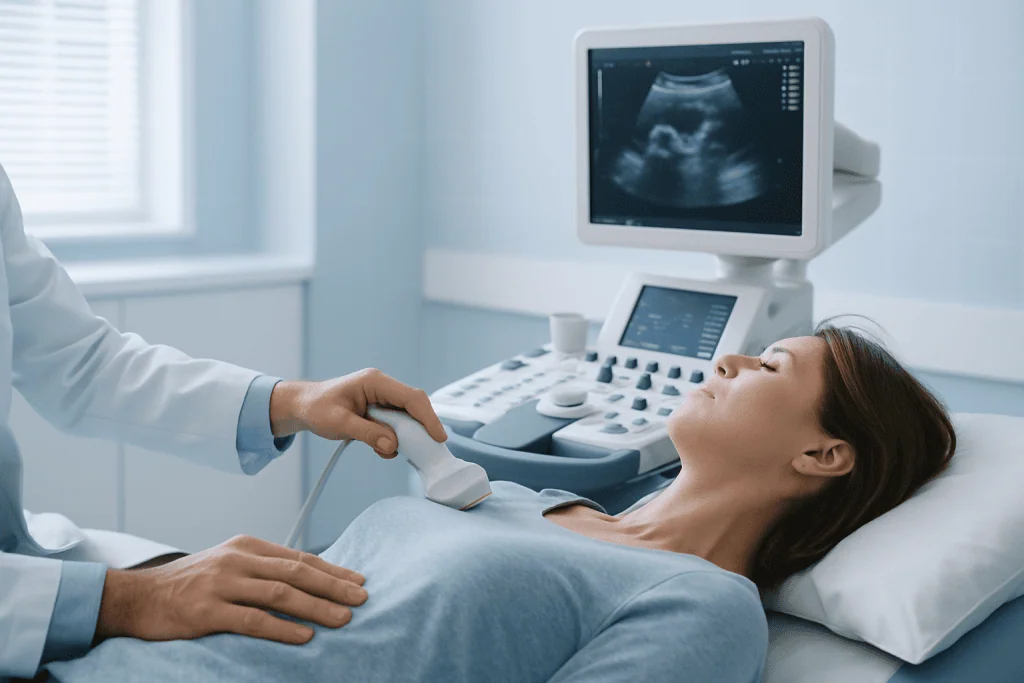
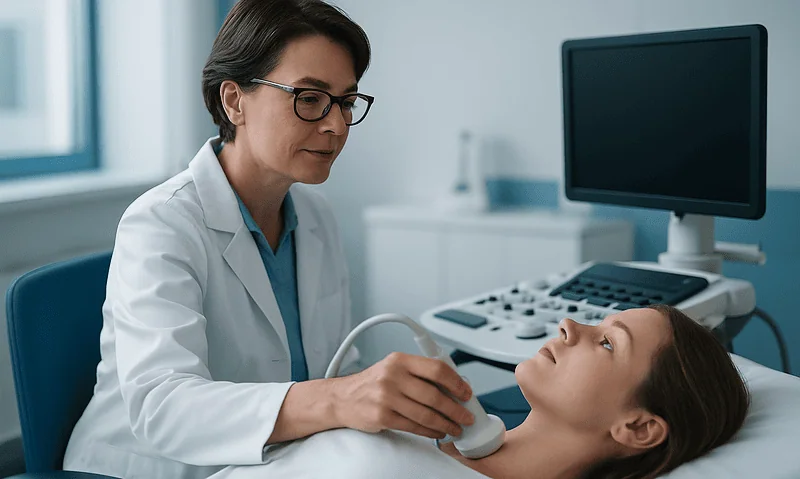
High-resolution ultrasound is central to evaluating nodules and goitre. It shows the size, number and appearance of nodules, the texture of the gland and the condition of nearby lymph nodes, and it guides fine needle aspiration when a nodule meets the criteria for sampling. The biopsy uses a very thin needle, usually without sedation, and most patients resume normal activities the same day. In hyperthyroidism, a nuclear medicine scan may clarify where the excess hormone is coming from, because this determines the treatment options. For large goitres, suspected extension into the chest or complex cancer planning, CT or MRI helps map the anatomy. When surgery is being considered, vocal cord assessment may be recommended, particularly if there is hoarseness, prior neck surgery or a cancer concern.
Medical treatment for thyroid hormone disorders
For hypothyroidism, thyroid hormone replacement is taken as a daily oral medication, with the dose adjusted gradually using TSH levels, symptoms, age, weight, pregnancy status and heart history. Some patients feel better within weeks; full stabilisation takes longer, because blood levels are reassessed at intervals that give the body time to respond. Consistency matters. Thyroid hormone is usually taken on an empty stomach and separated from calcium, iron and certain other medications that reduce its absorption, details your treating doctor will set out for your specific regimen.
For hyperthyroidism, antithyroid medication reduces hormone production, and additional medication may be used temporarily to control palpitations, tremor or anxiety while levels improve. Treatment requires monitoring, because thyroid levels can move from high to normal and occasionally to low, and because antithyroid medications have uncommon but important side effects. Care teams explain the signs that need prompt attention, such as fever, sore throat, jaundice or severe fatigue, so patients know what to watch for during treatment.
In thyroiditis, management depends on the phase and cause. Some forms produce a temporary overactive phase followed by an underactive phase before the gland recovers; others lead to permanent hypothyroidism. Anti-inflammatory medication, symptom control and hormone monitoring are often sufficient, and part of good care is simply not over-treating a condition that is on its way to resolving.
Can you reverse hypothyroidism with diet?
No diet has been shown to reverse established autoimmune hypothyroidism. Once the gland has been significantly damaged by Hashimoto’s thyroiditis, hormone replacement is the treatment that restores normal levels; nutrition supports general health but does not rebuild thyroid tissue. Two honest caveats: in parts of the world where iodine deficiency causes thyroid problems, correcting the deficiency addresses the cause, and some forms of thyroiditis resolve on their own regardless of diet, which can create the false impression that a dietary change was responsible. Claims that specific diets or supplements reverse hypothyroidism deserve scepticism, and any supplement use should be discussed with the treating doctor, because some interfere with medication absorption or with test results.
What should you not eat with hypothyroidism?
For most people with hypothyroidism, no food is strictly forbidden. What matters more is timing around medication: calcium and iron supplements, and meals taken very close to the dose, can reduce how much thyroid hormone is absorbed, which is why the medication is usually taken separately from them. Biotin supplements do not affect the thyroid itself but can distort blood test results, so laboratories and doctors need to know about them before testing. Very large iodine intakes, from certain supplements, for instance, can be problematic in some thyroid conditions. Beyond these practical points, a normal balanced diet is appropriate, and specific restrictions, where needed, come from your treating doctor rather than from general rules.
Radioactive iodine and interventional approaches
Radioactive iodine may be recommended for certain types of hyperthyroidism and for selected thyroid cancer situations. It works because thyroid cells naturally take up iodine, allowing the treatment to act on thyroid tissue specifically. Planning takes into account the diagnosis, thyroid function, gland size and safety considerations; it is not used during pregnancy or breastfeeding. Afterwards, patients receive instructions about radiation precautions for a short period, depending on the dose and local regulations. These precautions are routine and time-limited.
Some benign nodules are candidates for image-guided procedures, where available and appropriate, particularly nodules that cause cosmetic or pressure symptoms but do not require traditional surgery. These approaches use imaging to treat the nodule in a targeted way while preserving the surrounding gland. Suitability depends on the nodule type, biopsy results, size, location and your own goals; they are an option for selected cases, not a universal substitute for surgery.
Surgical treatment for nodules, goitre and thyroid cancer
Thyroid surgery means removing one lobe of the gland (lobectomy) or nearly all or all of it (total thyroidectomy). In some cancer cases, lymph nodes in the central or lateral neck are also removed. The extent of surgery is determined by the diagnosis, ultrasound findings, biopsy results, tumour characteristics, goitre size, symptoms, your preferences and the requirements of long-term surveillance. More surgery is not automatically safer; the right operation is the one matched to the disease.
Before surgery, the team reviews anaesthesia risk, medications, blood tests, imaging and, when indicated, vocal cord function. Patients taking blood thinners or certain supplements need a specific perioperative plan set by their doctors. If hyperthyroidism is present, hormone levels usually need to be brought under control before the operation to reduce the risk of complications.
During the operation, the surgeon works through an incision in the lower front of the neck, with careful attention to two structures in particular: the recurrent laryngeal nerves, which control vocal cord movement, and the parathyroid glands, which regulate calcium. Magnified visualisation and intraoperative nerve monitoring may be used to support precision, alongside modern anaesthesia and blood loss control. Operation length varies: a limited procedure is relatively short, while complex goitre surgery, reoperation or cancer surgery involving lymph nodes takes longer.
Most patients stay in hospital for observation afterwards, especially following total thyroidectomy or more extensive surgery. Calcium levels are monitored, because temporary low calcium can occur if the parathyroid glands are irritated during the operation. Care teams explain the signs of low calcium, tingling around the mouth, fingertip numbness, muscle cramps, so they can be recognised and reported early, when they are straightforward to manage.
Recovery and follow-up
After medical treatment begins, recovery is measured in symptom improvement and laboratory normalisation, and it is rarely instant. Fatigue, weight changes, mood symptoms and heart rhythm effects tend to improve gradually rather than all at once, and dose adjustments are common, particularly after pregnancy, significant weight change, new medications or surgery. This is normal calibration, not a sign that treatment is failing.
After thyroid biopsy, most patients have only mild, short-lived tenderness. After surgery, expect a sore throat, neck tightness, mild swelling and temporary voice fatigue. Many people return to light daily activity within days, with the return to work depending on the operation and individual recovery. If the entire thyroid is removed, lifelong thyroid hormone replacement is needed. If only one lobe is removed, some patients still need thyroid hormone medication, while others maintain adequate function from the remaining lobe, blood tests over the following weeks settle the question.
Long-term follow-up depends on the condition. Benign nodules may need periodic ultrasound. Hypothyroidism and hyperthyroidism require ongoing blood test monitoring. Thyroid cancer follow-up may include hormone management, ultrasound, tumour marker testing and, in selected cases, radioactive iodine or additional imaging. Whatever the diagnosis, the follow-up plan should be explicit before you go home: which tests, at what intervals, and how the results reach the team responsible for your ongoing care.
Why Acting Early Matters
Thyroid disease is usually treatable, but delayed diagnosis lets symptoms and complications accumulate. Untreated hypothyroidism can contribute to high cholesterol, weight gain, infertility, menstrual irregularity, depression-like symptoms and pregnancy complications, and in severe cases to a dangerous slowing of body functions. In children, delayed treatment can affect growth and development: a cost that early testing avoids.
Untreated hyperthyroidism places sustained stress on the heart and bones. It can lead to atrial fibrillation, worsening angina or heart failure in vulnerable patients, loss of bone density, muscle weakness and significant weight loss. Severe uncontrolled hyperthyroidism can, rarely, progress to a medical emergency. Early treatment stabilises the body before these complications become entrenched.
Thyroid nodules also reward timely evaluation. Most are benign, but risk assessment should not be postponed when ultrasound features are suspicious, a nodule is growing, lymph nodes look abnormal or symptoms are changing. Where cancer is present, early diagnosis typically allows more precise surgical planning and may reduce the need for more extensive treatment later.
Large goitres compress nearby structures gradually, making swallowing or breathing progressively more difficult, and surgery for a very large, long-standing goitre is more complex than earlier intervention would have been. Acting early does not mean choosing aggressive treatment. Often it simply means making an informed decision with complete information, while all the options are still open.
Benefits of Thyroid Disease Treatment
The benefits depend on the diagnosis, but effective thyroid care improves symptoms, reduces risk and, just as importantly, replaces uncertainty with a clear long-term plan.
| Benefit | What It Means for You |
|---|---|
| Restored hormone balance | Appropriate treatment can help normalise thyroid hormone levels, improving energy, temperature tolerance, heart rhythm, sleep and concentration over time. |
| Accurate nodule risk assessment | Ultrasound and biopsy distinguish nodules that can safely be monitored from those that need treatment, reducing unnecessary procedures while identifying concerning findings. |
| Relief of pressure symptoms | Treatment for goitre or large nodules may improve swallowing discomfort, neck pressure, breathing concerns or visible neck enlargement. |
| Reduced complication risk | Managing thyroid disease lowers the risk of heart rhythm problems, bone loss, pregnancy complications and the metabolic effects of untreated disease. |
| Personalised long-term monitoring | A structured follow-up plan tracks hormone levels, nodule changes, medication needs or cancer surveillance in a consistent, predictable way. |
Recovery Timeline
Recovery varies by treatment type. The timeline below reflects common expectations across thyroid medication, biopsy and surgery: your own plan may differ, and the treating team will set specific expectations for your case.
| Time Period | What Patients Can Expect |
|---|---|
| Day 1 | After blood testing or ultrasound, normal activity usually continues. After biopsy, mild tenderness is possible. After surgery, patients are monitored for voice quality, breathing comfort, pain control and calcium levels. |
| First Week | Medication plans begin or are adjusted. Biopsy results may become available depending on laboratory processing. Surgical patients usually walk early, eat soft foods as tolerated and gradually resume light activity. |
| First Month | Symptoms may begin improving with medical treatment, though dose adjustments may still be needed. Surgical swelling and throat discomfort usually decrease. Follow-up testing is planned according to the condition. |
| Longer Term | Thyroid hormone levels are monitored periodically. Benign nodules may be followed with ultrasound. Patients treated for thyroid cancer may need structured surveillance with imaging and blood markers. |
Factors That Influence Outcomes
A good thyroid outcome begins with the correct diagnosis. Hypothyroidism, hyperthyroidism, thyroiditis, nodules, goitre and thyroid cancer overlap in symptoms but demand different decisions. Accurate laboratory interpretation is essential, because thyroid tests are influenced by pregnancy, medications, supplements, recent illness and pituitary function; repeating or expanding tests may be necessary before committing to long-term treatment, and rushing past this step is a common source of error.
The cause of the disorder matters as much as its label. Hashimoto’s thyroiditis is managed differently from temporary thyroiditis. Graves’ disease carries different treatment considerations than a toxic nodular goitre. A benign cystic nodule is not the same problem as a solid nodule with suspicious ultrasound features. Thyroid care should be diagnosis-specific, not symptom-based alone.
For medical treatment, outcomes depend on medication adherence, correct dose timing, absorption issues, interactions with supplements or other drugs, and sensible monitoring intervals. You should leave any specialist review with clear written instructions: medication names, dose timing, the laboratory targets your doctor is aiming for, and when testing should be repeated.
For nodules, ultrasound quality and biopsy technique carry real weight. An experienced imaging and biopsy pathway reduces indeterminate results and guides appropriate follow-up. When a biopsy result is indeterminate, the options, repeat biopsy, molecular testing where appropriate, diagnostic lobectomy or observation, are weighed against risk factors and your own preferences, and a good team will explain the trade-offs of each rather than defaulting to one.
For surgery, outcomes are influenced by the extent and complexity of disease, surgeon experience, individual anatomy, prior neck surgery, goitre size, cancer involvement, lymph node disease and any pre-existing voice or calcium issues. Protecting the recurrent laryngeal nerves and the parathyroid glands is a central part of every thyroid operation. Even with expert care, temporary voice changes, low calcium, bleeding, infection, scar sensitivity or the need for further treatment can occur, and you should understand these risks clearly before deciding, not discover them afterwards.
General health shapes recovery too. Heart disease, osteoporosis, diabetes, smoking, obesity, pregnancy, autoimmune conditions and medication use all influence treatment selection and follow-up. Patients with thyroid eye disease need coordination with ophthalmology; women planning pregnancy need particular attention to thyroid targets and medication choices. Related endocrine problems, such as hyperparathyroidism, are sometimes identified during thyroid evaluation and factored into the same plan.
The most reliable results come from a coordinated sequence: accurate diagnosis, evidence-based treatment selection, careful technical execution when a procedure is needed, and long-term follow-up that is practical for your daily life.
Thyroid Disease Care at Acibadem
At Acibadem, thyroid disease is evaluated within a hospital environment built for complex decision-making as well as routine endocrine care. Depending on the diagnosis, you may be seen by endocrinologists, endocrine surgeons, radiologists, nuclear medicine physicians, pathologists, oncologists, ophthalmologists or other specialists. When thyroid cancer or complex nodular disease is suspected, cases may be reviewed through multidisciplinary boards, where imaging, pathology, laboratory results and treatment options are considered together: a model that aligns recommendations with evidence-based protocols while adapting the plan to the individual patient.
The technology serves the same purpose. High-resolution ultrasound supports detailed evaluation of nodules and lymph nodes; image-guided biopsy improves sampling accuracy; nuclear medicine imaging clarifies the cause of hyperthyroidism and supports selected treatments; cross-sectional imaging helps plan surgery for large goitres or complex disease. In the operating room, magnified visualisation, nerve monitoring when appropriate, modern anaesthesia and careful laboratory monitoring contribute to precise care. The point is not sophistication for its own sake: it is helping physicians choose the right treatment and perform it with greater anatomical awareness.
Surgical planning at Acibadem includes an explicit discussion of whether lobectomy or total thyroidectomy is appropriate, which risks are relevant to your case, whether lymph node surgery is needed, how the scar is placed, what hospital stay to expect and how hormone replacement will be managed afterwards. Patients managed medically receive treatment plans designed to be continued by their local physician, with recommended follow-up intervals and tests, so that care remains consistent wherever ongoing monitoring takes place.
Making a Well-Informed Decision
Choosing how and where to treat thyroid disease is both a medical decision and a personal one. A sound plan rests on complete information: recent blood tests, ultrasound reports, any biopsy results, a current medication list and records of previous surgery or pathology. Gathering these before any specialist review, wherever it takes place, shortens the pathway and improves the quality of the advice you receive.
It also helps to know what a thorough review looks like. You should come away understanding your exact diagnosis, the alternatives to the recommended treatment, the specific risks that apply to you, voice, calcium, recurrence, medication needs, and what follow-up will be required afterwards. Thyroid disease is common, but your situation is individual: the right plan addresses not only laboratory numbers and imaging findings, but your symptoms, risk factors, family plans and long-term health. When a recommendation matches both the clinical evidence and your life circumstances, you can proceed with confidence.
Preparation
- Patients are usually asked to bring previous thyroid blood tests, ultrasound reports, medication lists and relevant medical records. Doctors may request thyroid hormone tests, antibody tests, ultrasound or biopsy depending on symptoms and findings. Continue or pause thyroid medication only as instructed by the physician.
Aftercare
- Follow-up depends on the diagnosis and may include regular thyroid hormone testing, medication dose adjustments and ultrasound monitoring. Patients should report palpitations, unexplained weight changes, neck swelling, swallowing difficulty or voice changes. Long-term adherence to medication and check-ups is important for stable thyroid function.
Frequently Asked Questions
What affects the cost of thyroid disease treatment?
The main factors are the diagnosis, required blood tests and imaging, need for biopsy, medication type, radioactive iodine treatment, surgery extent, hospital stay, pathology review and follow-up plan. A personalised quote can be prepared after a specialist reviews your medical records.
How can I get a personalised quote from Acibadem?
You can request a free consultation and share recent thyroid blood tests, ultrasound reports, biopsy results if available, medication history and symptom details. The medical team can then recommend the most appropriate pathway and provide a tailored estimate.
Is thyroid disease always treated with surgery?
No. Many thyroid conditions are managed with medication, monitoring or radioactive iodine treatment. Surgery is considered when there are compressive symptoms, suspicious or confirmed malignancy, large goiter, selected hyperthyroidism cases or other specialist indications.
Does a thyroid package include all tests?
Package contents vary by diagnosis and hospital plan. A thyroid assessment may include consultation, blood tests, ultrasound and care coordination, while biopsy, advanced imaging, surgery, pathology or nuclear medicine treatment may be separate depending on need.
Will I need follow-up after thyroid treatment?
Follow-up is usually important to monitor hormone levels, adjust medication, review imaging or pathology results and assess recovery. The follow-up plan depends on the condition and treatment chosen by the specialist.
Medically reviewed by the Acıbadem International Medical Board September 13, 2026
See our medical review board →
Update history
- PublishedJune 8, 2026
- Medical review approvedSeptember 13, 2026
- Last content updateSeptember 12, 2026
References3
- Thyroid Diseases medlineplus.gov
- Thyroid Disease my.clevelandclinic.org
- Underactive thyroid (hypothyroidism) nhs.uk
Trusted care for international patients
From the Acibadem Blog
Before Your Thyroid Appointment: Previous Tests, Ultrasound Reports and Medicine Lists to Bring
For a thyroid appointment, bring every previous thyroid blood test you can find (with dates and the lab's reference ranges), the written report from…
When Does Thyroid Disease Need an Endocrinologist? From Routine Checks to Specialist Care
Most thyroid disease is managed well by a primary care clinician with periodic blood tests. Referral to an endocrinologist is usually considered for an…