Thyroid Cancer Treatment
Thyroid cancer care may include surgery, radioactive iodine, hormone therapy, targeted therapy, or radiotherapy depending on tumor type and stage. Acibadem provides multidisciplinary evaluation and personalized treatment planning.

Quick answer
Thyroid cancer treatment removes or controls cancer that begins in the thyroid gland. Depending on the type, papillary, follicular, medullary, poorly differentiated or anaplastic, it may involve surgery to remove part or all of the gland, radioactive iodine, thyroid hormone therapy, external radiotherapy or targeted medicines. Very small, low-risk tumours are sometimes monitored closely instead of being operated on immediately.
Thyroid Cancer: Understanding the Diagnosis and the Decisions Ahead
Thyroid cancer is cancer that begins in the thyroid, the small butterfly-shaped gland at the front of your neck. The thyroid produces the hormones that regulate metabolism, body temperature, heart rate and many other functions, and cancer develops when thyroid cells grow abnormally and form a tumour. Treatment usually centres on surgery, sometimes followed by radioactive iodine, thyroid hormone therapy and structured long-term follow-up; radiotherapy and targeted medicines are reserved for selected situations.
A thyroid cancer diagnosis often arrives with a difficult mix of emotions. You may be told the disease is highly treatable and still feel anxious about an operation on your neck, lifelong hormone medication, radioactive iodine, possible spread to lymph nodes, or the visible and emotional weight of treatment. Those reactions are normal. There are practical questions as well: whether the diagnosis is complete, whether the recommended treatment is genuinely necessary, how much of the thyroid should be removed, and how follow-up will continue safely over the years ahead.
Thyroid cancer is not one single disease. Some thyroid cancers grow slowly and are treated very successfully with surgery and careful follow-up. Others behave more aggressively and need a broader plan involving endocrine surgery, nuclear medicine, endocrinology, medical oncology, radiation oncology, radiology, pathology and, where appropriate, genetics. The right approach depends on the tumour type, its size, whether it has reached lymph nodes or distant organs, your age and general health, and the molecular features of the cancer itself.
The decisions made early in thyroid cancer care influence long-term disease control, voice and swallowing function, hormone balance and day-to-day quality of life. In experienced centres, treatment is planned with attention not only to removing or controlling the disease, but also to preserving the parathyroid glands, protecting the nerves that control the voice, avoiding unnecessary treatment, and creating a follow-up plan you can realistically sustain over the long term. At Acibadem, thyroid cancer care is structured around multidisciplinary evaluation and individualised planning, so that imaging, pathology, surgical options, radioactive iodine considerations and long-term monitoring are reviewed together rather than in isolation.
What causes thyroid cancer?
In most people, no single cause of thyroid cancer can be identified. The disease begins when genetic changes accumulate in thyroid cells and allow them to grow without normal control. Some factors are known to raise the risk. Radiation exposure to the head, neck or chest, particularly in childhood, for example during earlier treatment of a head cancer or neck canceris one of the clearest. A family history of thyroid cancer matters too, especially for medullary tumours, some of which are linked to inherited alterations in the RET gene and to syndromes such as multiple endocrine neoplasia. Thyroid cancer is diagnosed more often in women than in men, and iodine intake has been studied in relation to different tumour types. Many tumours carry acquired changes in genes such as BRAF or RAS, which arise during life rather than being inherited. Two points deserve emphasis: having a risk factor does not mean you will develop thyroid cancer, and many people diagnosed with the disease have no identifiable risk factor at all.
Has anyone got thyroid cancer from Ozempic?
A causal link between GLP-1 receptor agonist medicines such as semaglutide and thyroid cancer in humans has not been established. These medicines carry a regulatory warning about medullary thyroid tumours because of findings in rodent studies, and prescribing information generally advises against their use in people with a personal or family history of medullary thyroid cancer or multiple endocrine neoplasia type 2. What this means for any individual is a question for the doctor who prescribes the medicine, who can weigh your history against the current evidence. No prescribed medicine should be started, stopped or changed without that doctor’s guidance.
The Main Types of Thyroid Cancer
Thyroid cancers are classified by the cells they arise from and by how those cells look and behave under the microscope. The distinction matters, because each type follows a different course and calls for a different treatment strategy. Unlike faster-moving diseases such as lung cancer, many thyroid tumours evolve over years, but the exceptions are important, which is why typing the tumour precisely comes before any treatment decision.
Papillary thyroid cancer
Papillary thyroid cancer is the most common form. It usually grows slowly, often over years, and it has a known tendency to spread to lymph nodes in the neck: a feature that changes surgical planning more than it changes the overall outlook. Papillary tumours belong to the differentiated thyroid cancers, meaning their cells still behave in some respects like normal thyroid cells, including the ability to absorb iodine. That property is exactly what makes radioactive iodine a treatment option in selected cases.
Follicular thyroid cancer
Follicular thyroid cancer is also a differentiated cancer, but it behaves differently from papillary disease. Rather than travelling first to lymph nodes, it can spread through the bloodstream, which makes careful risk assessment and staging particularly important before the treatment plan is finalised.
Hurthle cell thyroid cancer
Hurthle cell (oncocytic) thyroid cancer is a distinct subtype that may behave differently from other differentiated thyroid cancers and can be less responsive to radioactive iodine. Surgery therefore carries even more weight in its management, and follow-up tends to rely more on ultrasound and cross-sectional imaging than on iodine-based scans.
Medullary thyroid cancer
Medullary thyroid cancer arises from the C cells of the thyroid, which produce calcitonin rather than thyroid hormone. Because C cells do not absorb iodine, radioactive iodine has no role in this disease. Surgery is the cornerstone, and calcitonin blood levels become an important marker for both diagnosis and follow-up. Some medullary cancers are hereditary, which is why genetic counselling and testing are often recommended: a positive result can have implications for family members as well as for the patient.
Poorly differentiated thyroid cancer
Poorly differentiated thyroid cancer sits between the differentiated cancers and anaplastic disease in its behaviour. It grows faster, absorbs iodine less reliably, and usually requires broader treatment planning involving several specialties from the outset.
Anaplastic thyroid cancer
Anaplastic thyroid cancer is uncommon but aggressive. It can enlarge quickly in the neck and requires urgent, coordinated assessment. Treatment often combines surgery where feasible, radiotherapy and systemic therapy, and molecular testing can be valuable because some anaplastic tumours carry alterations that specific medicines can act on.
Thyroid Cancer Symptoms
Thyroid cancer symptoms are often subtle or absent, particularly in early disease. Many thyroid cancers are discovered before they cause any complaint at all, during a routine physical examination, a neck ultrasound, imaging performed for another reason, or the work-up of abnormal thyroid blood tests. This is one reason the disease has a reputation for being found “by accident”.
What are the symptoms of thyroid cancer?
The most common symptoms of thyroid cancer are a lump or swelling in the lower front of the neck, hoarseness or other voice changes that do not resolve, difficulty swallowing or a sensation of pressure in the throat, and enlarged lymph nodes in the neck. A lump that grows steadily, feels firm or fixed, or appears alongside a voice change deserves medical assessment. None of these findings proves cancer, benign nodules, cysts and simple thyroid enlargement cause the same complaints far more often, but they are the signs that lead doctors to look closer with ultrasound and, where warranted, a biopsy.
What are the early warning signs of thyroid problems?
Early warning signs of thyroid problems usually reflect hormone imbalance rather than cancer. An underactive thyroid can cause fatigue, weight gain, feeling cold, dry skin and low mood; an overactive thyroid can cause palpitations, weight loss, heat intolerance, tremor and anxiety. Thyroid hormone disorders are common in women and can affect menstrual cycles, fertility and pregnancy, which is why thyroid function is checked routinely in those settings. It helps to keep the two ideas separate: most thyroid cancers do not change hormone levels, and most hormone problems are not caused by cancer. Blood tests identify the hormone disorders; ultrasound and biopsy identify the structural ones. Hormone imbalances are managed by an endocrinologist with medication and monitoring: a different pathway from cancer care, though the two sometimes overlap in the same patient.
Thyroid Nodules and How Thyroid Cancer Is Diagnosed
What is a thyroid nodule?
A thyroid nodule is a lump, solid, fluid-filled or mixed, that forms within the thyroid gland. Nodules are common, and the large majority are benign. The task of diagnosis is not to remove every nodule, but to identify the minority that need a biopsy and the smaller minority that turn out to be cancer. A structured evaluation protects you from both directions of error: missing a cancer, and undergoing surgery you never needed.
A typical diagnostic pathway proceeds in stages:
- High-resolution ultrasound of the thyroid and neck defines the size, structure and appearance of each nodule and can identify suspicious lymph nodes. Ultrasound features, irregular margins, certain calcification patterns, unusual shape, growth over time, determine whether a biopsy is warranted.
- Fine-needle aspiration biopsy follows when a nodule raises concern. A thin needle, usually guided by ultrasound for accuracy, collects cells for examination by a pathologist. It is a minimally invasive outpatient procedure.
- Blood tests support the picture. Thyroid-stimulating hormone and free thyroid hormone levels assess gland function; thyroglobulin, calcitonin, calcium and parathyroid hormone are checked depending on the suspected tumour type and the stage of treatment. In suspected medullary thyroid cancer, calcitonin and genetic testing are especially important because some cases are inherited.
- Additional imagingCT, MRI, PET or radioiodine-based scans, is added when there is concern about lymph node involvement, tumour extension beyond the thyroid, recurrence or distant spread.
The purpose of all of this is to create a precise map of the disease before treatment begins. That map is what allows safe surgical planning, appropriate selection of postoperative therapy, and an honest conversation about what the treatment is expected to achieve. When earlier scans, biopsy slides or operation notes exist, reviewing them is part of the same mapping exercise, repeated tests are ordered when they answer a question, not by default.
Who May Need Thyroid Cancer Treatment
People come to thyroid cancer evaluation from many starting points. Some have a confirmed biopsy result; others have a suspicious finding that needs clarification; others have been treated before and now face a new question. Common reasons for specialist assessment include:
- A thyroid nodule seen on ultrasound or on CT/MRI imaging performed for another reason
- A fine-needle aspiration biopsy showing thyroid cancer or suspicious cells
- A growing lump in the thyroid area or lower neck
- Swollen lymph nodes in the neck
- Hoarseness or voice changes that do not resolve
- Difficulty swallowing or a sensation of pressure in the throat
- A family history of thyroid cancer, particularly medullary thyroid cancer
- A history of radiation exposure to the head, neck or chest
- Recurrent thyroid cancer after previous treatment
- Advanced disease requiring a specialist view on radioactive iodine, targeted therapy or radiotherapy
The clinical situations a comprehensive centre manages span the full range of the disease: papillary and follicular cancers, Hurthle cell tumours, medullary and poorly differentiated cancers, anaplastic disease, suspicious nodules whose biopsy cannot clearly rule cancer in or out, cancer with central or lateral neck lymph node spread, recurrence in the thyroid bed or lymph nodes after earlier surgery, differentiated cancer that no longer responds adequately to radioactive iodine, and metastatic disease involving the lungs, bones or other organs. One clarification patients often find useful: thyroid cancer that spreads to the lungs remains thyroid cancer: it is staged and treated as such, not as a primary lung tumour.
Because these situations differ so much, recommendations must be individualised. A very small papillary tumour may need limited surgery, or in selected patients no immediate surgery at all, while advanced medullary or anaplastic disease may require molecular testing, systemic therapy, radiotherapy and close coordination among several specialties.
How Thyroid Cancer Is Treated
Thyroid cancer treatment is a personalised plan designed to remove, destroy, control or monitor the disease. Depending on the tumour type and stage, the plan may include one or more of the following:
- Surgery: removal of part or all of the thyroid gland, sometimes together with affected lymph nodes in the neck.
- Radioactive iodine therapy: a targeted internal treatment used in selected differentiated thyroid cancers to destroy remaining thyroid tissue or iodine-avid cancer cells.
- Thyroid hormone therapy: replacement of thyroid hormone after thyroid removal and, in some patients, deliberate lowering of thyroid-stimulating hormone to reduce stimulation of any residual cancer cells.
- External beam radiotherapy: radiation delivered from outside the body, usually reserved for unresectable disease, local recurrence or certain aggressive tumours.
- Targeted therapy: medicines acting on specific molecular pathways of cancer growth, used mainly in advanced, progressive or radioactive iodine-resistant disease.
- Active surveillance: careful monitoring instead of immediate surgery for selected very small, low-risk papillary tumours, when medically appropriate.
The goal is not to choose the most aggressive treatment. The goal is to choose the most appropriate one. Some patients need a focused operation and structured follow-up; others need surgery, radioactive iodine, systemic therapy or radiation in combination. A staged, risk-adapted plan protects you from undertreatment and overtreatment alike.
Initial review and preparation
Treatment begins with confirming the diagnosis and mapping the extent of disease. Existing ultrasound images, biopsy reports, pathology slides where available, blood tests, prior operation notes and imaging studies are reviewed first, so that missing information can be identified and the diagnostic pathway kept efficient. Preparation may then include a repeat ultrasound by an experienced radiologist, biopsy of suspicious lymph nodes, vocal cord evaluation if there is hoarseness or a history of neck surgery, blood tests of thyroid and calcium function, and imaging to clarify complex anatomy or suspected spread. When medullary thyroid cancer is suspected, genetic counselling and testing may be recommended. In advanced disease, molecular profiling of the tumour can identify targets for specific medicines.
Before surgery, a preoperative assessment covers anaesthesia risk, current medication, bleeding risk and overall health. Blood thinners and certain supplements may need adjustment under the treating doctor’s direction, and you receive clear instructions about fasting, admission and what to expect afterwards.
Surgery for thyroid cancer
Surgery is the central treatment for most thyroid cancers, and its extent is a decision in itself. It depends on tumour size and location, the number of nodules, lymph node involvement, prior treatment, your preferences and the risk classification of the disease.
A lobectomy removes one side of the thyroid and may be appropriate for selected low-risk cancers confined to one lobe. A total thyroidectomy removes nearly all thyroid tissue and may be recommended for larger tumours, cancer in both lobes, higher-risk features, or when radioactive iodine therapy is likely to follow. If lymph nodes are involved, a central neck dissection or lateral neck dissection removes the affected lymphatic tissue in the same operation.
Two structures shape how thyroid surgery is performed. The recurrent laryngeal nerves, which control the vocal cords, run immediately behind the gland; modern surgery uses careful anatomical dissection, magnification where appropriate and nerve-monitoring techniques in selected cases to help protect them. The parathyroid glands, which regulate calcium, sit directly against the thyroid and require meticulous handling to preserve their blood supply.
The operation is usually performed under general anaesthesia through an incision in the lower front of the neck. Duration varies: many thyroid operations take a few hours, while complex reoperations or extensive lymph node surgery take longer, because scar tissue from earlier surgery changes the anatomy. Afterwards you are monitored for breathing, voice quality, bleeding, calcium levels, swallowing comfort and pain control.
Radioactive iodine therapy
Radioactive iodine therapy is used in selected patients with differentiated thyroid cancer after total thyroidectomy. Thyroid cells naturally absorb iodine; radioactive iodine exploits that property to deliver radiation internally to remaining thyroid tissue or to cancer cells that still take up iodine. Not every patient needs it. The decision rests on tumour size, lymph node involvement, aggressive features, surgical findings, thyroglobulin levels and imaging. Low-risk patients may be safely observed after surgery, while intermediate- and higher-risk patients may benefit from the additional treatment.
Preparation may involve temporary adjustment of thyroid hormone, or an injected medication that raises thyroid-stimulating hormone, together with a low-iodine diet for a limited period, all directed by the treating team. After the dose is given, radiation safety precautions are explained in detail: you may need to limit close contact with others for a short time, particularly pregnant women and young children. Follow-up imaging and blood tests then assess the response.
Thyroid hormone therapy
After total thyroidectomy, lifelong thyroid hormone replacement is needed, because the body can no longer make the hormone itself. In some thyroid cancer patients the dose is set deliberately to keep thyroid-stimulating hormone at a lower level, since this hormone can stimulate thyroid cell growth. The degree of suppression is tailored to cancer risk and balanced against possible side effects such as palpitations, bone loss or changes in mood and sleep. Patients who have a lobectomy may or may not need hormone medication, depending on the remaining thyroid’s function. Long-term follow-up includes blood tests and dose adjustments, particularly after weight changes, pregnancy, other medication changes or simply with age.
External beam radiotherapy and targeted therapy
External beam radiotherapy is reserved for selected situations: disease that cannot be removed surgically, microscopic or gross residual disease left where further surgery would be unsafe, painful bone metastases, or certain aggressive tumours. Planning uses imaging to shape the radiation to the target while limiting exposure of the spinal cord, oesophagus, salivary glands and larynx.
Targeted therapies are used mainly in advanced thyroid cancers that are progressive, symptomatic, metastatic or resistant to radioactive iodine. The choice of medicine depends on tumour type, disease behaviour, prior treatments and often molecular testing. These treatments require careful monitoring for side effects, including blood pressure changes, skin reactions, fatigue, diarrhoea and liver changes. For some patients, targeted therapy controls disease over an extended period; for others, it is combined with radiation or surgery as the situation evolves.
Why Acting Early Matters
Many thyroid cancers grow slowly, which can make it tempting to postpone evaluation. In carefully selected very low-risk cases, active surveillance is a legitimate, planned strategy in experienced hands. Delay without a plan is different: it allows important details to go unexamined.
Early evaluation matters for a specific surgical reason. The first operation is usually the best opportunity to remove disease thoroughly while protecting the voice nerves and the parathyroid glands. If lymph node involvement is not recognised before that first surgery, a second operation may become necessary, and reoperations in the neck are more complex, because scar tissue distorts the anatomy and can increase risk to nearby structures.
Timely assessment also works in the opposite direction: it identifies patients who do not need aggressive treatment. Some small, low-risk cancers can be managed conservatively; others genuinely need surgery or additional therapy. The point is accurate risk assessment, not action for its own sake, and not paralysis by uncertainty either. For aggressive tumour types, medullary thyroid cancer, a rapidly enlarging neck mass, persistent voice change, swallowing difficulty or suspected spread beyond the thyroid, prompt multidisciplinary review carries particular weight, because earlier treatment can improve local control, reduce complications from tumour growth and keep more therapeutic options open.
Benefits of Thyroid Cancer Treatment
What treatment offers depends on the type and stage of disease, but the aims are consistent: control of the cancer, safety of the structures around it, preserved function and reliable long-term monitoring.
| Benefit | What It Means for You |
|---|---|
| Disease removal or control | Surgery and selected additional therapies aim to remove visible cancer, reduce residual disease and lower the risk of progression or recurrence. |
| Risk-adapted care | Treatment is tailored to tumour type, stage, lymph node status, molecular findings and your overall health, protecting you from both insufficient and unnecessary therapy. |
| Protection of voice and calcium function | Surgical planning focuses on preserving the nerves to the vocal cords and the parathyroid glands whenever possible. |
| Appropriate use of radioactive iodine | Radioactive iodine is considered when it is likely to add value and avoided when the expected benefit is low. |
| Long-term surveillance | Blood markers, ultrasound and imaging help detect any recurrence early and guide decisions over time. |
| Coordinated specialist care | Endocrine surgery, nuclear medicine, endocrinology, medical and radiation oncology, radiology and pathology plan and review treatment together rather than in isolation. |
Recovery After Thyroid Cancer Treatment
Recovery depends on the extent of surgery, whether lymph nodes were removed, and whether radioactive iodine or other treatments follow. Most patients stay in hospital briefly after thyroid surgery, mainly for calcium monitoring and wound observation. Neck discomfort, mild swallowing difficulty and temporary voice fatigue are common early on. Light daily activities usually resume within days; heavy lifting and strenuous exercise wait until the surgeon confirms it is safe.
| Time Period | What to Expect |
|---|---|
| Day 1 | Monitoring covers breathing, bleeding, voice quality, pain control, swallowing and calcium levels. Many patients walk and eat soft foods the same day or the next morning. |
| First week | Neck tightness, mild discomfort, fatigue and temporary voice changes may occur. Wound care instructions are given, and thyroid hormone or calcium medication may be started or adjusted by the treating team if needed. |
| First month | Normal daily activities gradually resume. The pathology report is reviewed in detail, and the team decides whether radioactive iodine or further treatment is recommended. |
| After radioactive iodine | Temporary radiation safety precautions apply. Mild neck tenderness, taste changes, dry mouth or fatigue can occur, and follow-up testing is scheduled to assess the response. |
| Longer term | Follow-up includes hormone dose adjustments, neck ultrasound, tumour marker testing and imaging when indicated. Surveillance becomes individualised according to recurrence risk and treatment response. |
Follow-up is not an afterthought in thyroid cancer; it is part of the treatment. Depending on the cancer type and risk level, monitoring may combine physical examination, neck ultrasound, thyroid hormone blood tests, thyroglobulin or calcitonin markers, calcium testing and periodic imaging. The schedule is most intensive in the early period and is then adjusted as the response to treatment becomes clear.
What Shapes the Outcome
Is thyroid cancer curable?
Many thyroid cancers, particularly differentiated papillary and follicular tumours found at an early stage, respond very well to treatment, and many people go on to live long lives with no evidence of disease. Clinicians are careful with the word itself: they usually speak of remission and long-term disease control confirmed over years of follow-up, rather than making promises at the outset, because the outlook varies significantly by tumour type and stage. Medullary, poorly differentiated and anaplastic cancers follow different and generally more demanding courses. That is why the honest answer to this question is always individual: it comes from a careful evaluation of your tumour, not from general reassurance.
Several factors shape the outcome:
- Cancer type: papillary, follicular, medullary, poorly differentiated and anaplastic tumours behave differently and require different strategies.
- Tumour size and local extension: disease confined to the thyroid is generally easier to treat than disease extending into nearby tissues.
- Lymph node involvement: neck node spread is common in papillary disease and influences both surgical planning and follow-up intensity.
- Distant metastasis: spread to the lungs, bones or other organs changes the goals of treatment and may call for systemic therapy or focused radiation.
- Completeness of surgery: a thorough first operation by an experienced thyroid surgeon reduces the likelihood of reoperation and improves disease assessment.
- Pathology quality: detailed reporting defines risk features such as vascular invasion, extrathyroidal extension, margin status and aggressive variants.
- Response to radioactive iodine: some differentiated cancers absorb iodine well and some do not, which changes the available options.
- Molecular features: genetic alterations in the tumour can influence prognosis and guide targeted therapy in advanced cases.
- Your health and preferences: age, other medical conditions, pregnancy plans, travel needs and tolerance for follow-up all belong in the decision.
- Long-term adherence: taking thyroid hormone consistently, attending follow-up appointments and completing blood tests are essential parts of ongoing care.
A good result is not defined only by the absence of visible disease. It also means stable hormone levels, preserved voice and swallowing, safe calcium balance, an appropriate surveillance schedule and a treatment plan you can realistically sustain.
Thyroid Cancer Care at Acibadem
Patients facing thyroid cancer usually want more than a single appointment or procedure. They want a clear diagnosis, a carefully reasoned plan, access to experienced physicians and coordination between the many specialties involved in their care. Acibadem’s approach is built around those needs, within its wider oncology and cancer treatment programme.
Multidisciplinary decision-making sits at the centre of complex cases. A thyroid cancer case may be reviewed by endocrine surgeons, endocrinologists, nuclear medicine specialists, radiologists, pathologists, medical oncologists and radiation oncologists as the situation requires. For unusual pathology, recurrent disease, medullary tumours or advanced cancer, this collaborative review keeps treatment aligned with international evidence-based protocols rather than with any single perspective.
Diagnostic technology supports precise planning. High-resolution ultrasound evaluates nodules and lymph nodes; image-guided biopsy improves sampling accuracy; CT and MRI define tumour extension and surgical anatomy; nuclear medicine imaging assesses iodine-avid disease where relevant; and in selected advanced cases, molecular testing identifies changes that may guide targeted therapy. These tools are used when they answer a clinical question that affects your care, not simply because they are available.
Surgical experience matters here more than in most operations, because the thyroid sits against structures involved in voice, breathing, swallowing and calcium regulation. Surgical planning emphasises complete disease management while protecting function wherever possible. Patients who need lymph node surgery, revision surgery or treatment after operations performed elsewhere benefit from careful imaging review and multidisciplinary preparation before anyone reaches for an instrument. For patients who require radioactive iodine, nuclear medicine teams guide preparation, dosing, safety precautions and follow-up; for advanced or iodine-resistant disease, medical and radiation oncology teams evaluate systemic treatment, targeted therapy and external radiotherapy, so the plan can adapt as the disease responds or changes.
Thyroid cancer care also has to acknowledge that patients arrive at different points in the disease. Some come for a second opinion before deciding whether to have surgery; some arrive after a biopsy diagnosis needing a full treatment plan; others have already had surgery elsewhere and want their pathology, radioactive iodine recommendation or recurrence options reviewed. Care teams coordinate the sequence of consultations and tests so that decisions are made efficiently and departments communicate clearly with one another. Because thyroid cancer follow-up often extends over years, documentation, pathology reports, medication instructions, imaging results and follow-up recommendations are prepared so that any physician involved in your later care can continue the plan without gaps.
Moving Forward With Clarity
Thyroid cancer care is highly individualised. Some patients need a limited operation and careful surveillance; others need total thyroidectomy, lymph node surgery, radioactive iodine, hormone suppression, radiotherapy, targeted therapy or a combination. The most important first step is always the same: an accurate diagnosis and a plan built around the specific biology and extent of your disease.
A second opinion is a normal part of thyroid cancer care, not a sign of distrust. It tends to be most valuable when surgery is being planned, when lymph nodes are involved, when radioactive iodine is under consideration, when the pathology is unclear, or when disease has returned after earlier treatment. In each of these situations, a fresh multidisciplinary review of the same scans and slides can confirm the plan, refine it, or occasionally change it in ways that matter for years afterwards. Whatever path your treatment takes, the measure of success is a plan you understand, function you keep, and follow-up you can sustain.
Preparation
- Before treatment, patients usually undergo blood tests, thyroid ultrasound, biopsy review, and imaging when needed. The oncology, endocrinology, and surgery teams assess tumor type, spread, and general health. Some patients may need thyroid hormone adjustment or dietary guidance before radioactive iodine therapy.
Aftercare
- Follow-up includes thyroid hormone replacement or suppression therapy, regular blood tests, ultrasound, and imaging when indicated. Patients should attend scheduled oncology and endocrinology visits to monitor recurrence risk and treatment response. Recovery instructions vary according to surgery, radioactive iodine, or systemic therapy.
Frequently Asked Questions
What affects the cost of thyroid cancer treatment?
The main cost factors are the cancer type, stage, surgical plan, need for lymph node treatment, radioactive iodine, radiotherapy, targeted therapy, imaging, pathology, hospital stay, medications, and follow-up. Travel, interpreter support, accommodation, and medical record translation can also affect the overall budget for international patients.
How can I get a personalised quote from Acibadem?
You can request a free consultation by sharing your medical reports, biopsy results, imaging, blood tests, and any prior treatment details. The medical team reviews the information and prepares a personalised plan and cost estimate based on your diagnosis and likely care pathway.
Does a thyroid cancer package include every treatment I may need?
Package inclusions vary by case. Surgery-related packages may include hospital services, anesthesia, pathology, and specialist care, while radioactive iodine, radiotherapy, targeted therapy, additional imaging, or longer follow-up may be quoted separately if needed.
Why can the quote change after arrival?
A quote may change if in-person examination, repeat imaging, pathology review, or multidisciplinary evaluation shows a different disease extent or a need for additional procedures or treatments. The care team should explain any recommended changes before treatment proceeds.
Is treatment planning done by more than one specialist?
Thyroid cancer care often involves endocrinology, endocrine surgery, nuclear medicine, medical oncology, radiation oncology, radiology, and pathology. At Acibadem, multidisciplinary evaluation supports personalised treatment planning based on the patient’s condition.
Medically reviewed by the Acıbadem International Medical Board August 30, 2026
See our medical review board →
Update history
- PublishedJune 5, 2026
- Medical review approvedAugust 30, 2026
- Last content updateSeptember 8, 2026
References3
- Thyroid Cancer Treatment (Adult) (PDQ) – Patient Version cancer.gov
- Thyroid cancer nhs.uk
- Thyroid Cancer medlineplus.gov
Trusted care for international patients
From the Acibadem Blog
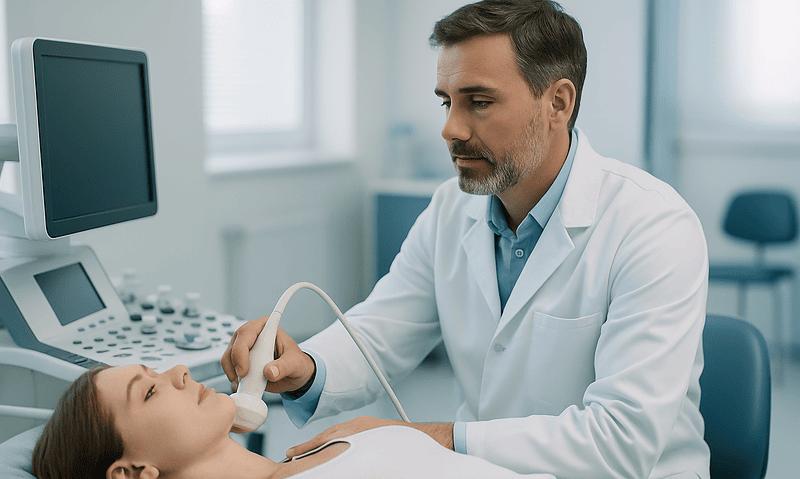
Follow-Up After Thyroid Cancer: What Blood Tests and Ultrasound Track Over Time
After treatment for differentiated thyroid cancer, follow-up usually rests on three blood tests, thyroglobulin, thyroglobulin antibodies and TSH, paired with a neck ultrasound. Thyroglobulin…
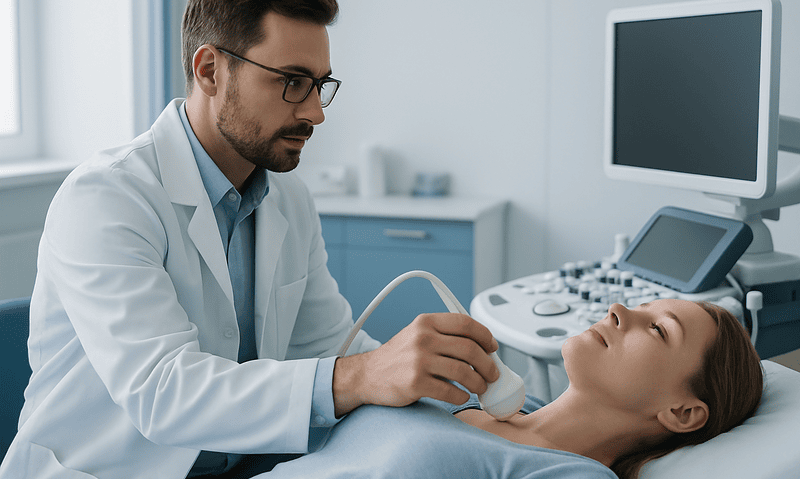
Radioactive Iodine After Thyroid Cancer Surgery: How the Treatment Day Unfolds
Radioactive iodine treatment after thyroid cancer surgery usually means swallowing a single capsule or liquid in a nuclear medicine unit, after one to two…

Life After Thyroid Cancer Surgery: Hormone Replacement, Energy and Daily Routine
After a total thyroidectomy for thyroid cancer, the body can no longer make thyroid hormone, so most people take a daily synthetic version of…