Thyroidectomy
Thyroidectomy is surgery to remove all or part of the thyroid gland, commonly performed for thyroid cancer, suspicious nodules, goiter, or overactive thyroid disease.
Quick answer
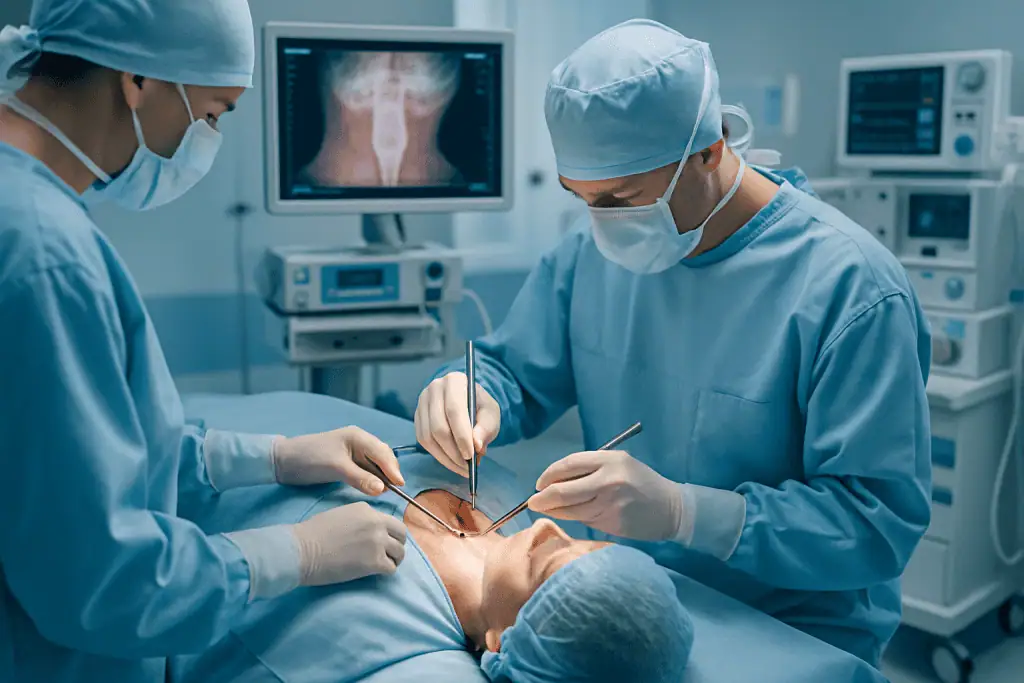
A thyroidectomy is an operation to remove part or all of the thyroid gland. It treats thyroid cancer, suspicious nodules, large goitres and selected cases of overactive thyroid. Surgeons remove one lobe (lobectomy) or the whole gland (total thyroidectomy), working to protect the voice nerves and parathyroid glands. After total removal, lifelong thyroid hormone replacement takes over the gland's role.
What Is a Thyroidectomy?
A thyroidectomy is an operation to remove part or all of the thyroid gland: the butterfly-shaped gland at the front of your neck, just below the voice box. Surgeons recommend it for thyroid cancer, for nodules that look suspicious on biopsy, for goitres large enough to press on the airway or gullet, and for selected cases of overactive thyroid that other treatments have not controlled. Depending on the diagnosis, the operation removes one lobe of the gland, nearly all of it, or the whole thyroid.
The thyroid sits low in the front of the neck and has two lobes joined by a narrow central bridge of tissue called the isthmus. Through the hormones it releases, it regulates metabolism, heart rate, body temperature and energy levels, and it influences almost every organ system in the body. So when the gland becomes enlarged, overactive, affected by nodules or involved by cancer, the decision about treatment has to balance three things at once: medical safety, long-term quality of life, and careful preservation of the delicate structures that share the neck with the thyroid.
Thyroidectomy is one of the most established operations in endocrine surgery. In experienced hands it can be performed with a high degree of precision, particularly when supported by modern imaging, pathology, anaesthesia and intraoperative nerve monitoring. A well-planned thyroidectomy has four aims: remove the diseased tissue, protect your voice, keep your calcium balance stable, and set up a clear plan for hormone replacement and long-term follow-up. Each of those aims matters as much as the removal itself, and a good surgical team treats them as inseparable.
What is thyroidectomy disease?
Thyroidectomy is not a disease: it is the name of the operation used to treat thyroid disease. The confusion is understandable, because the word appears in clinic letters and search results alongside the conditions it treats. The diseases themselves include thyroid cancer, benign and suspicious thyroid nodules, goitre and hyperthyroidism. If you want to understand the underlying conditions first, our overview of thyroid disease explains how the gland malfunctions and how each problem is diagnosed. This page concentrates on the operation itself: what it removes, how it is performed, what recovery involves, and what life looks like afterwards.
Partial thyroidectomy, lobectomy and total thyroidectomy
A lobectomy, sometimes called a partial thyroidectomy or hemithyroidectomy, removes one side of the gland. It may be recommended for selected thyroid nodules, for small cancers limited to one lobe, or for suspicious lesions where a single operation can settle the diagnosis and treat the problem at the same time. A total thyroidectomy removes both lobes and the isthmus. It is often used for many thyroid cancers, for large multinodular goitres, for certain cases of Graves’ disease and for disease that affects both sides of the gland.
The choice between the two is not a formality. It shapes the risks of the operation, determines whether you will certainly need lifelong hormone replacement, and changes how follow-up is organised. That is why the extent of surgery is decided case by case, on the basis of ultrasound findings, biopsy results, hormone tests and your own history, rather than by default.
When lymph nodes are removed as well
In some patients, thyroidectomy also includes removal of lymph nodes in the central or lateral neck, if there is evidence that thyroid cancer has spread to these areas. This is called lymph node dissection. It is planned on the basis of ultrasound, cross-sectional imaging, biopsy results and what the surgeon finds during the operation. It is not performed routinely for every patient; it is tailored to the diagnosis and risk profile. Lymph node surgery in the neck overlaps with the broader field of head and neck cancer surgery, and complex cases are planned with that wider expertise in mind.
The structures a surgeon works to protect
The thyroid sits close to structures that are small, delicate and important. The recurrent laryngeal nerves run just behind the gland and help control the vocal cords: they are central to how your voice works. The four parathyroid glands, each roughly the size of a grain of rice, sit on the back surface of the thyroid and regulate calcium levels throughout the body; they are the subject of a separate operation, parathyroidectomy, when they themselves are diseased. A carefully performed thyroidectomy is built around identifying and preserving these structures wherever possible. In many operations, intraoperative nerve monitoring is used as an additional tool that helps the surgical team assess nerve function at key steps. It does not replace surgical skill or judgement; it supplements them.
One consequence follows directly from the anatomy. After a total thyroidectomy, your body no longer produces thyroid hormone, so lifelong replacement is required. After a lobectomy, some people produce enough hormone from the remaining lobe, while others still need medication. Blood tests in the weeks after surgery show which group you fall into: this is not something anyone can promise in advance.
Who May Need a Thyroidectomy?
People arrive at thyroidectomy by different routes. Some have a clearly diagnosed thyroid cancer. Some have a nodule that looks suspicious on ultrasound or biopsy. Some have a goitre large enough to cause pressure symptoms, visible swelling or difficulty swallowing. Others have an overactive thyroid that medication, radioactive iodine or other approaches have not adequately controlled, or cannot control without unacceptable trade-offs.
Thyroid problems usually come to light in one of two ways: either you develop symptoms, or a nodule is discovered incidentally on a scan done for another reason. It is worth saying plainly that many thyroid nodules are benign and never need surgery. The decision to operate usually rests on the nodule’s size, growth pattern and ultrasound features, the biopsy result, your symptoms, whether the nodule produces hormone, family history, any radiation exposure, and your own preferences.
Common findings and situations that lead to thyroid evaluation include:
- A lump, swelling or visible enlargement in the front of the neck
- Difficulty swallowing, a feeling of pressure in the throat, or a choking sensation when lying flat
- Hoarseness or voice changes, particularly when persistent
- Shortness of breath related to compression from a large goitre
- Thyroid nodules found on ultrasound, CT, MRI or PET imaging done for another reason
- Abnormal thyroid blood tests suggesting hyperthyroidism or other thyroid dysfunction
- A fine-needle aspiration biopsy showing cancer, suspicion of cancer, or indeterminate cells
- Recurrent cystic nodules, or nodules causing discomfort or cosmetic concern
- A family history of thyroid cancer or a genetic syndrome associated with thyroid tumours
Diagnosis usually begins with a physical examination, thyroid function blood tests and a high-resolution ultrasound of the neck. Ultrasound characterises nodules, their size, internal features and behaviour over time, and also evaluates the lymph nodes nearby. If a nodule has concerning features or meets size criteria, a fine-needle aspiration biopsy may be recommended. This is a minimally invasive procedure in which cells are collected through a thin needle, usually guided by ultrasound, and examined by a pathologist.
In selected cases, further testing is needed before any decision about surgery. That may mean CT or MRI for large goitres extending down into the chest, laryngoscopy to check how the vocal cords move before the operation, molecular testing for nodules whose biopsy result is indeterminate, or nuclear medicine scans for overactive nodules and Graves’ disease. Where cancer is confirmed, staging and risk assessment help determine whether surgery alone is sufficient or whether additional treatment, such as radioactive iodine, should be considered afterwards.
Conditions a Thyroidectomy Can Treat
Thyroidectomy is used across a range of benign and malignant thyroid conditions, and the extent of surgery is individualised. A patient with a small, low-risk nodule needs a different operation from a patient with a large goitre, an aggressive cancer or Graves’ disease affecting the whole gland. The main indications are set out below.
Thyroid cancer surgery
Thyroid cancer surgery is one of the most common reasons for thyroidectomy. Papillary thyroid cancer is the most frequent type and often has favourable long-term outcomes when appropriately treated. Follicular thyroid cancer, medullary thyroid cancer, poorly differentiated thyroid cancer and anaplastic thyroid cancer each require more specialised planning, medullary cancer, for example, carries genetic considerations that can affect family members as well as the patient. Surgery for cancer may involve removal of the thyroid, assessment or removal of lymph nodes, and close coordination between endocrine surgery, endocrinology, oncology, nuclear medicine and pathology. The operation is one stage in a longer pathway; how that pathway is structured is explained in more detail on our thyroid cancer page.
Suspicious and indeterminate nodules
Surgery is sometimes the honest answer when a biopsy cannot confidently say whether a nodule is benign or malignant. In these cases a lobectomy can provide a definitive diagnosis while also treating disease confined to one lobe: the pathologist examines the whole nodule rather than a needle sample of it. The decision is influenced by the ultrasound appearance, the cytology category, molecular test results where available, the size of the nodule and your individual risks. Not every indeterminate nodule needs an operation; some are reasonably monitored instead.
Goitre
Goitre means enlargement of the thyroid gland, whether diffuse or multinodular. Surgery may be recommended when a goitre causes compressive symptoms, extends below the breastbone into the chest, keeps growing, affects breathing or swallowing, or creates significant cosmetic concern. Large goitres demand particularly careful surgical planning, because they can shift the airway and distort the normal anatomy of the neck, which is precisely where preoperative imaging earns its place.
Hyperthyroidism
Thyroidectomy is a treatment option for selected patients with an overactive thyroid: Graves’ disease, toxic multinodular goitre or a toxic adenoma. It comes into consideration when medication is not effective, causes side effects, or is not preferred for long-term use, and when rapid, definitive control of hormone overproduction is needed. Surgery may also be favoured in patients with large goitres, with the eye disease associated with Graves’ disease, with coexisting suspicious nodules, or with pregnancy-related considerations that require specialist input. The choice between medication, radioactive iodine and surgery is genuinely individual, and reasonable specialists weigh it differently for different patients.
Recurrent thyroid disease
Disease that returns after previous thyroid or neck surgery can also lead back to the operating theatre, although reoperative neck surgery is more complex. Scar tissue can obscure the normal anatomy, which raises the stakes for the nerves and parathyroid glands. These cases call for a detailed review of prior operative notes, imaging, pathology and vocal cord function before anything is scheduled, and they benefit most from experienced surgical teams and careful preoperative mapping.
How Thyroid Surgery Is Performed
Thyroid surgery follows a structured sequence: confirm the diagnosis, define the safest plan, perform the operation with the nerves and parathyroid glands in constant view, and hand over to a clear follow-up pathway. Here is what each stage involves.
Before the operation: evaluation and planning
Preparation begins with confirming the diagnosis and defining the extent of surgery. You will typically have blood tests to evaluate thyroid hormone levels, calcium status, general health and anaesthesia readiness. A detailed ultrasound of the thyroid and the neck lymph nodes is standard. Where cancer is suspected or confirmed, imaging is reviewed specifically to decide whether lymph nodes should be sampled or removed at the same operation.
Some patients need additional assessment. If you have voice changes, previous neck surgery, a large cancer or a tumour close to the recurrent laryngeal nerve, a laryngoscopy, a short examination of vocal cord movement, is often performed before surgery. For large goitres, particularly those extending into the chest, CT imaging shows the relationship of the thyroid to the airway, the blood vessels and the structures of the upper chest, and shapes how the surgeon plans access.
If your thyroid is overactive, hormone levels are usually brought under control before surgery, because uncontrolled hyperthyroidism increases anaesthetic and cardiovascular risk. How that is achieved, antithyroid medication, beta blockers, iodine preparations or a combination, is decided by your treating physician for your specific situation. Achieving stable thyroid function beforehand matters most in Graves’ disease and toxic goitre.
If you already have ultrasound images, biopsy reports, pathology slides, blood results and a current medication list, these usually form the starting point of surgical planning; the team uses them to judge what, if anything, needs repeating. The anaesthetic assessment also covers blood thinners, supplements, allergies, prior operations and any history of voice or swallowing problems, because each of these can change how the operation and the recovery are managed.
On the day: what happens in the operating theatre
Thyroidectomy is usually performed under general anaesthesia: you are asleep and closely monitored throughout. The team positions your neck to allow safe access while protecting the airway. The incision is generally placed in a natural skin crease at the lower front of the neck, with its length depending on the size of the gland, the diagnosis, whether lymph nodes are being removed, and your anatomy.
The operation itself follows a deliberate sequence:
- The surgeon separates the thyroid from the surrounding tissues, working in defined planes rather than by force.
- The blood vessels supplying the gland are sealed or tied, often using modern energy devices that allow controlled tissue sealing.
- The recurrent laryngeal nerves are identified and protected. Intraoperative nerve monitoring, where used, gives the team additional information about nerve function at key steps.
- The parathyroid glands are identified and preserved with their blood supply wherever possible. If one cannot be safely preserved in place, it may be reimplanted into a nearby muscle, according to surgical judgement, so that it can keep working.
- If lymph node dissection is planned, lymphatic tissue is removed from defined areas: the central neck near the thyroid and windpipe, or the lateral neck along the side, guided by preoperative imaging, biopsy results, cancer type and what is found during surgery.
- The removed tissue is sent to pathology. A preliminary intraoperative assessment is sometimes used, but the final report takes longer, because the tissue must be carefully processed and examined.
- The incision is closed in layers, with attention to cosmetic placement and scar healing. A drain is placed only in selected cases, usually after more extensive surgery; many thyroid operations do not need one.
Magnification, meticulous dissection technique and careful anaesthetic monitoring all contribute to the precision of the operation. None of these tools substitutes for surgical experience; together they support it.
How long does a thyroidectomy take?
Many straightforward thyroid operations take a few hours, while complex cancer cases, very large goitres and reoperations take longer. The duration depends on whether one lobe or the whole gland is removed, whether lymph nodes are dissected, how large the gland is, and whether there has been previous neck surgery, scar tissue slows careful work, and careful work is the point. Your surgical team can give you a more individual estimate once your case has been reviewed, and it is reasonable to ask for one. Treat any fixed time quoted before that review as a rough average, not a plan.
How long will you stay in hospital?
Some patients go home the same day; others stay one night or longer. The decision rests on the extent of surgery, your calcium levels, a voice check, pain control and your overall condition, not on a fixed rule. Before discharge, the team confirms that your voice, swallowing, wound and calcium are behaving as expected, and gives you a clear picture of what the early days at home should look like and when the first follow-up blood tests are due.
Medications for Thyroidectomy: Before and After Surgery
Medications for thyroidectomy fall into two groups: medicines used to prepare you for the operation, and medicines used afterwards to replace what the gland produced or to steady your calcium while the parathyroid glands recover. In every case, what is used, at what dose and for how long is decided by your treating doctors: this section explains the categories so that the conversation with them makes sense.
Which drugs are used before the operation?
Drugs for thyroidectomy preparation matter mainly when the thyroid is overactive. In hyperthyroidism, hormone levels are typically stabilised before surgery to reduce anaesthetic and cardiovascular risk; depending on the case, that may involve antithyroid medication, beta blockers or iodine preparations, chosen and supervised by the treating physician. Separately, the anaesthetic team reviews everything else you take, blood thinners, supplements, herbal products, because some of these affect bleeding and anaesthesia. That review is part of standard preparation for any neck operation, not something unique to the thyroid.
What will you take after the operation?
After a total thyroidectomy, thyroid hormone replacement is started because the body can no longer make the hormone itself. The dose is adjusted over time through blood tests; in selected thyroid cancer patients, it is set not only to maintain normal metabolism but also to suppress thyroid-stimulating hormone, according to the cancer risk category. After a lobectomy, whether you need replacement at all depends on how the remaining lobe performs, follow-up blood tests answer that question.
Calcium and vitamin D supplementation is sometimes needed for a period after total thyroidectomy, while the parathyroid glands recover from the handling they receive during surgery. For most patients this need is temporary; a minority require longer-term management, which is organised through follow-up rather than guesswork. Pain relief after thyroid surgery is usually straightforward and short-lived, and the team explains before discharge how discomfort is typically managed at home in the first days.
Recovery After Thyroidectomy
Most patients experience mild to moderate neck discomfort, a sore throat or a sensation of tightness after thyroidectomy, and these usually improve over days to weeks. Swallowing can feel different at first. The voice may be slightly tired or weak for a while: the breathing tube, tissue swelling and surgical work around the larynx all contribute, and in most cases this settles. Persistent voice changes are assessed by the treating team rather than assumed to be normal.
Calcium is watched closely after total thyroidectomy, because the parathyroid glands may be temporarily stunned. Low calcium can announce itself as tingling around the mouth, numbness in the fingers, muscle cramps or spasms, which is why blood tests and symptom checks are built into the early postoperative routine. Some patients need calcium and vitamin D for a period; permanent problems with calcium regulation are less common, but where they occur they are managed long term.
Hormone replacement, where needed, begins after surgery and is refined through follow-up blood tests. For cancer patients, the first weeks also include the final pathology review, which shapes decisions about radioactive iodine, hormone dosing and the surveillance schedule.
| Time Period | What Patients Can Expect |
|---|---|
| Day 1 | Monitoring focuses on breathing, voice quality, pain control, swallowing, the wound and calcium levels. Some patients go home the same day; others stay overnight. |
| First week | Neck soreness, mild swelling, throat irritation and fatigue are common. Walking and light activities are usual; strenuous exercise and heavy lifting are avoided. |
| First month | Strength returns steadily. Pathology results are reviewed, hormone dosing is adjusted where needed, and decisions about any additional treatment are made in cancer cases. |
| Longer term | Follow-up may include blood tests, ultrasound, scar care, calcium monitoring and, where indicated, thyroid cancer surveillance. Most routines resume with appropriate medical guidance. |
What is life expectancy after thyroid removal?
Life expectancy after thyroid removal is determined mainly by the condition that led to surgery, not by the absence of the gland itself. Living without a thyroid is compatible with a normal life when hormone replacement is taken consistently and monitored through blood tests: the medication does the gland’s job, and the follow-up keeps the dose right as your body and circumstances change. Where cancer was the reason for surgery, the long-term outlook depends on the type of cancer, its stage and how it responds to treatment; many thyroid cancers, particularly papillary cancers, have favourable long-term outcomes when appropriately treated. What the operation asks of you afterwards is discipline rather than sacrifice: take the medication, attend the follow-up, and report changes rather than ignoring them.
Follow-up after you leave hospital
The first weeks after discharge follow a predictable rhythm: a wound check, calcium monitoring where relevant, and an early hormone measurement to set or confirm the replacement dose. In cancer cases, the final pathology report anchors the next decisions, whether radioactive iodine is considered, how hormone dosing is targeted, and what the surveillance schedule looks like. Neck wounds generally heal steadily once the early days have passed, but the exact timing of each step is individual, which is why it is set at your postoperative review rather than assumed in advance.
Why Acting Early Matters
Not every thyroid nodule needs immediate surgery, and many benign conditions are safely monitored for years. But when surgery has been recommended, delaying it without medical guidance creates avoidable risks. A thyroid cancer may grow or spread to lymph nodes. A large goitre may keep enlarging, pressing harder on the airway or the oesophagus. Hyperthyroidism left uncontrolled strains the heart, weakens bones and raises the risk of serious metabolic complications.
Early evaluation carries particular weight when a neck mass grows quickly, when hoarseness persists, when breathing or swallowing becomes difficult, when lymph nodes enlarge, or when there is a history of radiation exposure or a family history of thyroid cancer. None of these features proves that cancer is present, but each is a reason for prompt specialist review rather than watchful delay.
There is also a practical argument for timeliness. Very large goitres, advanced cancers and recurrent disease tend to require more complex operations. Acting before symptoms become severe keeps options open: it reduces the likelihood of urgent intervention and leaves time for careful planning, for a second opinion where wanted, and for preparing properly instead of in haste.
Benefits of a Thyroidectomy
What thyroidectomy can achieve depends on the diagnosis behind it, but a well-selected operation offers both therapeutic and diagnostic value. The table below summarises what that means in practice.
| Benefit | What It Means for You |
|---|---|
| Removal of cancerous or suspicious tissue | Surgery can treat many thyroid cancers and can settle the diagnosis definitively when biopsy results are uncertain. |
| Relief from pressure symptoms | Removing an enlarged thyroid or goitre may improve swallowing, breathing comfort, neck pressure and visible swelling. |
| Control of overactive thyroid disease | For selected patients with Graves’ disease or toxic goitre, surgery offers a definitive treatment option when other therapies are unsuitable or ineffective. |
| Clear pathology and risk assessment | Examination of the removed tissue guides decisions about follow-up, radioactive iodine, hormone dosing and long-term monitoring. |
| Personalised long-term management | Aftercare is tailored to your hormone needs, calcium balance, cancer risk category and lifestyle. |
What Shapes a Good Result?
A good thyroidectomy result is measured by more than removal of the gland. It includes an accurate diagnosis, the right extent of surgery, a preserved voice, stable calcium, safe anaesthesia, sound wound healing and a follow-up plan you actually understand. Several factors influence how reliably all of that is achieved.
The underlying condition matters most. A small nodule confined to one lobe is a different problem from a large goitre extending behind the breastbone or a cancer involving lymph nodes. In cancer, the type, tumour size, local invasion, lymph node status and molecular features all shape both the operation and the long-term surveillance that follows it.
The extent and complexity of the surgery come next. A lobectomy carries different risks and recovery considerations from a total thyroidectomy. Operations involving lymph node dissection, very large goitres, recurrent disease or a previously operated neck demand more advanced planning, and reoperative thyroid surgery carries higher risks because scar tissue can obscure the anatomy the surgeon relies on.
Surgeon experience and team coordination are strongly associated with safe thyroid surgery. The operation requires familiarity with delicate neck anatomy, judgement about how much tissue to remove, and readiness to manage unexpected findings without improvising. Coordination with endocrinologists, radiologists, pathologists, nuclear medicine specialists, anaesthetists and, where needed, voice specialists keeps the operation aligned with the broader treatment plan rather than isolated from it.
Preoperative preparation affects safety directly, above all in hyperthyroidism. Uncontrolled hormone levels raise risks related to heart rhythm, blood pressure and metabolic stress, so stabilising them beforehand is a core part of planning. Identifying any vocal cord problem before surgery, rather than discovering it afterwards, likewise shapes both the operative plan and honest expectations for recovery.
Pathology quality carries particular weight in cancer and in indeterminate nodules. Detailed pathology establishes the cancer type, tumour size, margins, vascular invasion, extension beyond the gland and lymph node involvement. Those findings drive the decisions that follow surgery: radioactive iodine, hormone suppression, imaging schedules and risk stratification. A precise report is worth waiting for.
Postoperative follow-up is where results are consolidated or lost. Hormone levels need monitoring and dose adjustment. Calcium may need short-term or, occasionally, long-term management. In thyroid cancer, follow-up can include thyroglobulin blood tests, anti-thyroglobulin antibodies, neck ultrasound and nuclear medicine assessment, depending on the case. A structured plan removes uncertainty: you know what will be checked, when, and why.
Your own factors play a role too. General health, age, smoking, nutrition, diabetes control, current medications and how consistently you attend follow-up all influence healing and recovery. The team needs to know about blood thinners, supplements, allergies, previous operations and any history of voice or swallowing disorders, details that seem minor to patients often matter to planners.
How Acibadem Approaches Thyroidectomy
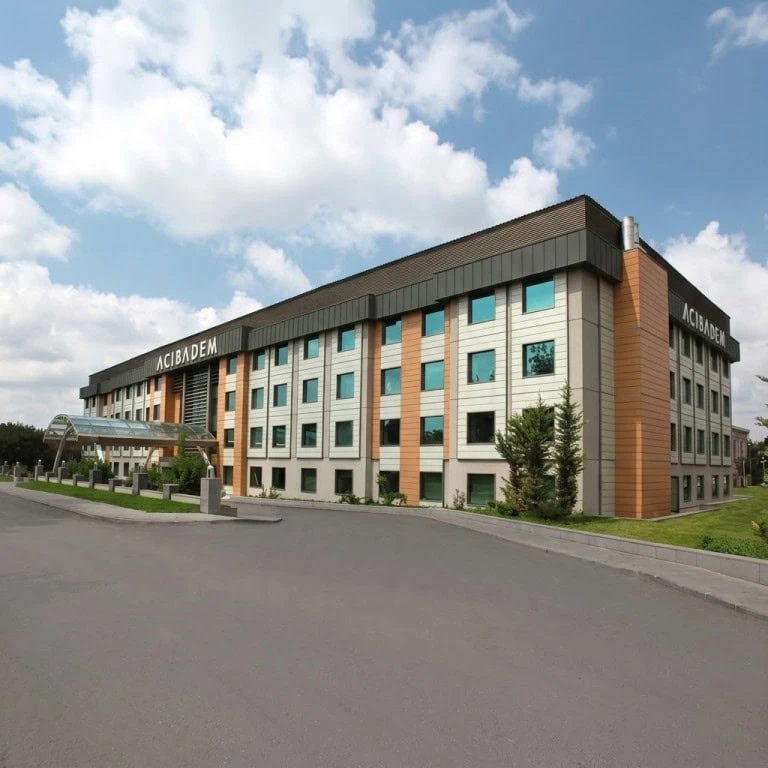
At Acibadem, thyroidectomy is treated as a structured clinical process rather than a single surgical event. Patients are evaluated by physicians experienced in thyroid disease, and complex cases can be discussed through multidisciplinary boards that bring together endocrine surgery, endocrinology, radiology, pathology, nuclear medicine and oncology where appropriate. That board-based review matters most in exactly the situations where reasonable doctors can disagree: thyroid cancer, recurrent disease, large goitres, Graves’ disease and nodules with uncertain biopsy findings. Its purpose is simple: the operation is considered as part of an evidence-based pathway, not in isolation.
The diagnostic and surgical infrastructure supports that approach. High-resolution ultrasound, image-guided biopsy, laboratory testing, cross-sectional imaging for selected patients, pathology review and nuclear medicine capability feed into the plan before surgery; in the operating theatre, intraoperative nerve monitoring, magnification, refined anaesthetic monitoring and controlled tissue-sealing systems support precise thyroid and lymph node surgery.
Personalisation is the constant theme, because two patients with thyroid nodules can need entirely different strategies, one safely monitored, one treated with lobectomy, one requiring total thyroidectomy with lymph node surgery and postoperative radioactive iodine consideration. Many patients also value a second opinion at this stage. A considered second review can clarify whether surgery is truly necessary, whether lobectomy or total thyroidectomy fits the diagnosis better, whether lymph node surgery is indicated, and what follow-up will realistically involve, clarity that is especially useful when biopsy findings are indeterminate or when recommendations differ between physicians.
Making a Considered Decision
Thyroidectomy is a significant decision, but it is also a well-established operation that can address thyroid cancer, suspicious nodules, goitre and selected overactive thyroid conditions. The best results begin before the operating theatre: with a careful diagnosis, an honest explanation of the options, including the option of monitoring, where that is safe, and a surgical plan tailored to you rather than to the condition in the abstract.
A useful decision rests on specific documents: your ultrasound reports, biopsy results, thyroid blood tests, medication list and any prior imaging. Together they let a specialist judge the extent of surgery, the likely recovery, and what follow-up will look like once you are home. Understand those three things clearly, and the decision stops being a leap and becomes a plan.
Preparation
- Before thyroidectomy, patients usually have thyroid hormone tests, ultrasound, and sometimes biopsy or imaging to plan the surgery. Blood-thinning medicines may need to be stopped as advised, and fasting is required before general anesthesia. The care team reviews voice, calcium, and airway-related risks before the operation.
Aftercare
- After surgery, patients are monitored for bleeding, breathing, voice changes, and calcium levels. Pain is usually controlled with medication, and normal light activities can often resume within days. If the whole thyroid is removed, lifelong thyroid hormone replacement is typically required, with follow-up blood tests.
Frequently Asked Questions
What affects the cost of thyroidectomy?
The final cost depends on the type of thyroidectomy, the reason for surgery, preoperative tests, surgeon and hospital fees, anaesthesia, pathology, hospital stay, and whether lymph node surgery or additional specialist care is needed.
How can I get a personalised quote for thyroidectomy in Turkey?
You can request a free consultation by sharing recent ultrasound reports, biopsy results if available, blood tests, imaging, and a brief medical history. The medical team can then review your case and prepare a personalised estimate based on your treatment plan.
Does a thyroidectomy package usually include all care?
Package contents vary by hospital. A typical package may include consultation, standard preoperative tests, surgery, anaesthesia, standard hospital stay, pathology, and early follow-up, but travel, accommodation, additional tests, or unexpected care should be clarified before booking.
Will I need follow-up care after returning home?
Yes, follow-up is important after thyroidectomy. Depending on the operation, you may need thyroid hormone adjustment, calcium monitoring, wound checks, voice assessment, endocrinology review, or cancer-related follow-up planning.
Is the cheapest thyroidectomy option always the best choice?
Not necessarily. Patients should consider surgeon experience, hospital accreditation, pathology quality, complication management, communication, follow-up planning, and what is included in the quote, not only the headline cost.
Can international patients receive support with language and travel logistics?
Many hospitals experienced in international care can assist with interpreter services, appointment coordination, medical reports, transfer guidance, and accommodation advice. Ask which services are included and which are arranged separately.
Medically reviewed by the Acıbadem International Medical Board August 31, 2026
See our medical review board →
Update history
- PublishedJune 8, 2026
- Medical review approvedAugust 31, 2026
- Last content updateAugust 31, 2026
References1
- Thyroidectomy my.clevelandclinic.org
Trusted care for international patients
From the Acibadem Blog
Life After Total Thyroidectomy: Hormone Replacement, Follow-Up Blood Tests and Energy Levels
Life after total thyroidectomy means taking a daily thyroid hormone replacement for life, because the body can no longer make its own. Blood tests,…

Thyroidectomy Step by Step: Protecting the Voice Nerves and Parathyroid Glands During Surgery
A thyroidectomy removes part or all of the thyroid gland through a small incision low in the front of the neck, usually under general…
Thyroidectomy: What It Is, How Long It Takes, Whether It Is Dangerous and Sleeping Afterwards
A thyroidectomy is surgery to remove all or part of the thyroid, the butterfly-shaped gland at the front of the neck. It is done…