Parathyroidectomy
Parathyroidectomy is surgery to remove one or more overactive parathyroid glands, most often to treat hyperparathyroidism. It helps normalize calcium and parathyroid hormone levels.
Quick answer
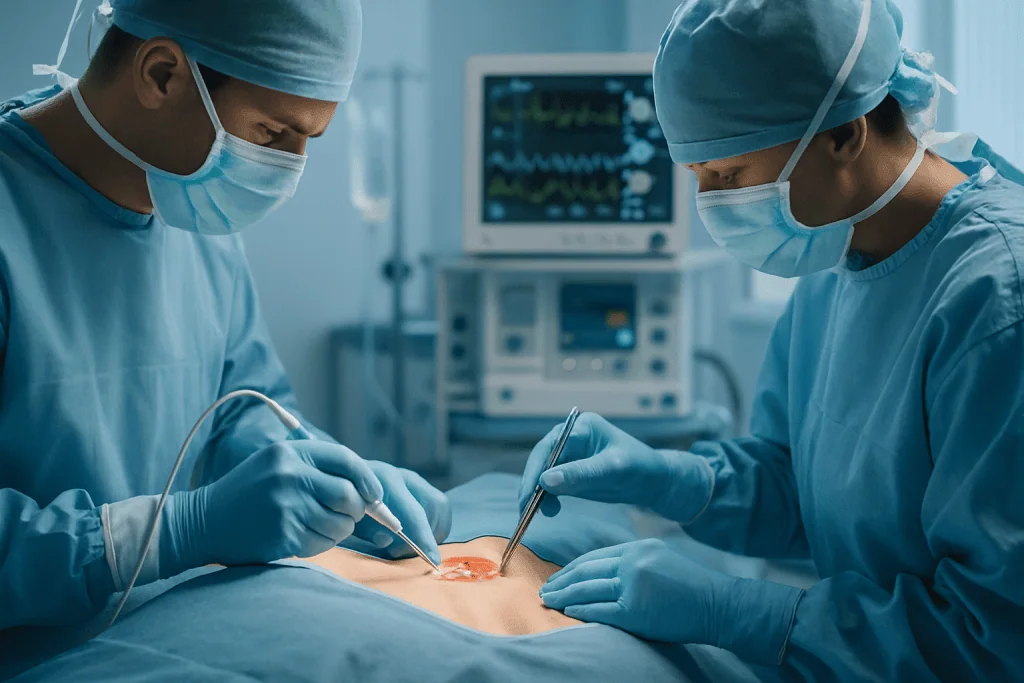
Parathyroidectomy is an operation to remove one or more overactive parathyroid glands that are producing too much parathyroid hormone, most often because of a benign adenoma. Through a small incision in the lower neck, the surgeon removes the abnormal gland, often confirming success with hormone testing during the operation. Many patients stay one night in hospital and return to light activity within days.
Parathyroidectomy: When High Calcium Becomes a Surgical Decision
Parathyroidectomy is surgery to remove one or more parathyroid glands that are producing too much parathyroid hormone (PTH). The operation is most often performed for primary hyperparathyroidism, where excess hormone raises blood calcium and slowly draws calcium out of the bones. It is designed for people whose calcium and PTH imbalance is driving symptoms or complications, and for many of them it addresses the problem at its source rather than managing laboratory numbers indefinitely.
Being told that a gland in your neck may need to come out often arrives without warning. Many people first learn they have a parathyroid problem when a routine blood test shows high calcium. Others have lived for months or years with fatigue, bone loss, kidney stones, muscle weakness, digestive symptoms, low mood or difficulty concentrating, without a clear explanation. When a doctor finally connects those threads to a small gland behind the thyroid, the diagnosis can feel both surprising and, in a way, clarifying: there is a specific cause, and there is a specific operation for it.
The decision itself deserves care. Parathyroidectomy is usually a short procedure with a brief hospital stay, but it depends on accurate diagnosis, precise localisation and sound surgical judgment, particularly when more than one gland is involved, or when previous neck surgery has changed the anatomy. If you are weighing up treatment abroad, you may also be comparing medical opinions, reviewing imaging reports and wondering how quickly you can travel home afterwards. This page walks through each of those questions in turn.
At Acibadem, parathyroidectomy is treated as a pathway rather than a single appointment. Patients are assessed by physicians familiar with endocrine disorders, neck anatomy, imaging interpretation and perioperative calcium management, so that the plan is clear before surgery and continues into follow-up afterwards.
What Is Parathyroidectomy?
Parathyroidectomy surgery removes one or more parathyroid glands that are making too much parathyroid hormone. Most people have four parathyroid glands, each about the size of a grain of rice, sitting behind or beside the thyroid gland in the lower neck. Despite the similar names, the parathyroid glands are separate organs with a separate job. The thyroid regulates metabolism; the parathyroids regulate calcium. You will sometimes see the operation described online under the phrase parahyperthyroidism surgery, a common misspelling of hyperparathyroidism surgery, but both point to the same procedure.
The parathyroid glands act as the body’s calcium thermostat. When blood calcium falls, they release PTH, which raises calcium by acting on the bones, the kidneys and vitamin D metabolism. In a healthy system, the glands switch off once calcium returns to normal. In hyperparathyroidism, one or more glands ignore that feedback. PTH stays high when it should not, calcium rises in the bloodstream, and the skeleton pays the price over time as calcium is steadily withdrawn from bone.
In most patients, the cause is a benign enlargement of a single gland, called a parathyroid adenoma. Less commonly, several glands are enlarged at once: a pattern known as multigland hyperplasia. Rarely, the cause is parathyroid cancer. The operation is tailored to the pattern: a single abnormal gland may be removed through a focused, small-incision approach, while multigland disease may require a wider exploration of the neck and selective removal of overactive tissue.
You may hear the procedure described as minimally invasive, focused, unilateral or bilateral. These labels describe how much of the neck the surgeon plans to explore, and the plan follows the findings, not the other way round. In many operations, the team measures PTH in the blood while surgery is still under way. Because PTH clears from the bloodstream quickly, a marked fall after the abnormal gland is removed tells the surgeon that the main source of excess hormone has been dealt with, and whether further exploration is needed before the operation is closed.
Is a parathyroidectomy major surgery?
Parathyroidectomy sits somewhere between the everyday sense of “minor” and “major” surgery. It is usually performed under general anaesthesia and involves delicate structures, the nerves that control your voice run close to the parathyroid glands, so it demands experience and care. At the same time, the incision is small, blood loss is typically minimal, the operation is often short, and most patients are walking and eating the same day and home within a day or two. It is fair to call it a serious operation with a comparatively light physical footprint. What makes it feel major or minor in practice is less the incision and more the complexity underneath: a well-localised single adenoma is a very different undertaking from a reoperation in a previously explored neck.
Who May Need Parathyroid Surgery?
Parathyroid surgery is most often considered for primary hyperparathyroidism, where the glands themselves are the source of excess hormone. It may also be needed in selected patients with secondary or tertiary hyperparathyroidism, particularly when long-standing kidney disease or other metabolic conditions cause severe, persistent parathyroid overactivity that does not respond adequately to medical treatment.
Some patients have obvious symptoms. Others feel relatively well and are diagnosed purely through blood tests. The absence of strong symptoms does not mean the condition is harmless: high calcium and elevated PTH can quietly affect bones, kidneys, cardiovascular health and quality of life over years.
Findings that commonly lead to evaluation for parathyroidectomy include:
- Repeatedly elevated blood calcium levels
- High, or inappropriately normal, PTH levels alongside high calcium
- Kidney stones or calcium deposits in the kidneys
- Low bone density, osteoporosis or fragility fractures
- Bone or joint pain
- Fatigue, weakness or reduced exercise tolerance
- Difficulty concentrating, low mood, irritability or disturbed sleep
- Frequent urination or increased thirst
- Abdominal discomfort, constipation, nausea or reduced appetite
- Pancreatitis or peptic ulcer disease in selected cases
How is hyperparathyroidism diagnosed?
The diagnosis is made with blood and urine tests, not scans. Doctors typically measure blood calcium, ionised calcium where needed, PTH, vitamin D, phosphorus and kidney function. A 24-hour urine calcium collection may be added to distinguish primary hyperparathyroidism from conditions that mimic it, such as familial hypocalciuric hypercalcaemia: an inherited disorder that raises calcium but is not treated with surgery. Bone density testing assesses the impact on the skeleton, especially at the sites parathyroid disease affects most.
Imaging comes after the diagnosis, and its job is different: to locate the abnormal gland or glands before surgery. This may involve high-resolution neck ultrasound, nuclear medicine parathyroid scans, and CT or MRI in selected cases. Interpretation matters, because parathyroid glands are small, often hidden behind the thyroid, sometimes low in the neck, and occasionally found in an ectopic position inside the chest. A negative scan does not rule the disease out: it simply changes how the operation is planned.
Hyperparathyroidism treatment: when is surgery recommended?
Hyperparathyroidism treatment ranges from structured monitoring, to medication in selected situations, to surgery, and parathyroidectomy is the only option that removes the source of the excess hormone. Patients are usually referred for surgery when they meet internationally accepted criteria: kidney stones, reduced kidney function, osteoporosis, a significant calcium elevation, younger age at diagnosis, or symptoms believed to be driven by the hormone excess. Surgery may also be considered when a patient who is a suitable candidate prefers definitive treatment over years of monitoring. You can read more about the underlying condition itself on our hyperparathyroidism page.
Conditions and Indications Treated With Parathyroidectomy
Parathyroidectomy addresses disorders in which excess parathyroid hormone is disturbing calcium balance and causing, or threatening, complications. The most common indication is primary hyperparathyroidism due to a benign adenoma, where removing the abnormal gland can often correct the imbalance outright. But the operation covers a wider range of situations, each with a different level of complexity:
- Primary hyperparathyroidism: usually caused by a single benign adenoma, but sometimes by enlargement of multiple glands.
- Multigland parathyroid hyperplasia: overactivity involving more than one gland, requiring a broader surgical strategy and judgment about how much tissue to preserve.
- Tertiary hyperparathyroidism: persistent, autonomous parathyroid overactivity after long-standing secondary hyperparathyroidism, often related to chronic kidney disease or kidney transplantation.
- Severe secondary hyperparathyroidism: selected cases where medical therapy cannot adequately control PTH and complications develop.
- Recurrent or persistent hyperparathyroidism: when hormone levels stay high, or return, after previous parathyroid surgery.
- Rare parathyroid tumours: including suspected or confirmed parathyroid carcinoma, which requires careful planning and an oncological surgical approach.
A straightforward single-gland adenoma can often be treated with a focused operation. Reoperative cases, inherited endocrine syndromes, kidney-related hyperparathyroidism and suspected malignancy demand more: detailed planning that typically draws on endocrinology, endocrine surgery, radiology, nuclear medicine, nephrology and pathology together.
How Parathyroidectomy Is Performed
Preparation Before Surgery
Preparation starts with confirming the diagnosis and reviewing the whole medical picture. The documents that matter most are recent calcium and PTH results, vitamin D levels, kidney function tests, bone density reports, kidney imaging if stones are present, records from any previous neck surgery, and all available imaging studies. Having these to hand allows the surgical team to judge early whether the biochemical picture is complete or whether further testing is needed before an operation date is set.
Your treating doctor may adjust vitamin D, calcium intake or certain medications before surgery; these decisions belong to the physician who knows your case, and they vary from patient to patient. If calcium is very high, hydration and medical management may come first, before an operation is scheduled at all. Patients with kidney disease, heart conditions, bleeding risk or complex endocrine disorders may need additional evaluation. An anaesthesia assessment reviews airway factors, current medications, allergies and any previous reactions to anaesthesia.
Localisation imaging is central to the plan. Neck ultrasound can identify enlarged parathyroid tissue and check the thyroid gland at the same time, relevant, because a thyroid nodule found on the same scan can change the surgical strategy. Nuclear medicine imaging highlights glands with increased activity, and cross-sectional imaging helps when glands are hard to find or previous surgery has altered the anatomy. The point of all this is to choose the safest, most direct surgical route, not to collect images for their own sake.
The Operation Itself
Parathyroidectomy is usually performed under general anaesthesia. Local or regional anaesthesia with sedation is possible in selected cases, but most patients benefit from the airway control and comfort of a general anaesthetic. The surgeon makes a small incision in the lower neck, placed along a natural skin crease where possible, so the scar settles into an existing line. The exact position and length depend on the planned approach and your anatomy.
In a focused parathyroidectomy, the sequence typically runs like this:
- Preoperative imaging guides the surgeon directly towards the suspected abnormal gland.
- The gland is carefully separated from nearby structures: the thyroid, small blood vessels, and the recurrent laryngeal nerve, which controls the vocal cords.
- The abnormal gland is removed and sent for pathology evaluation.
- Where intraoperative PTH testing is used, blood samples taken minutes after removal show whether hormone levels are falling as expected.
- A significant drop confirms the main source has been addressed; an inadequate drop tells the surgeon to keep looking before closing.
- The incision is closed in layers, usually with a fine cosmetic technique.
In a bilateral neck exploration, the surgeon examines all four parathyroid glands. This approach is used when imaging is negative or inconsistent, or when multigland disease is suspected. The surgeon decides during the operation which gland or glands to remove and which tissue to preserve, enough removal to correct the hormone excess, enough preservation to protect long-term calcium regulation.
In secondary or tertiary hyperparathyroidism, the plan may involve removing three and a half glands, or removing all parathyroid tissue and reimplanting a small amount elsewhere in the body (autotransplantation). Which strategy is right depends on kidney function, transplant status, disease severity and the long-term need for calcium control.
How long does a parathyroidectomy take?
A focused, well-localised single-gland parathyroidectomy is often completed within about an hour, and many operations finish inside two. The honest answer, though, is that duration follows complexity. Bilateral exploration takes longer than a focused approach. Reoperations in scarred necks, ectopic glands sitting low towards the chest, multigland disease and suspected cancer all extend the operating time, and rightly so, because the extra minutes are spent protecting nerves and confirming that the right tissue has been removed. Your surgeon can give you a realistic estimate once your imaging and biochemistry have been reviewed together.
Technology and Monitoring Used During Care
Modern parathyroid surgery relies on several tools working in combination. High-resolution ultrasound identifies suspicious glands and screens the thyroid for nodules that might change the plan. Functional imaging shows tissue behaving like an overactive parathyroid gland. CT or MRI clarifies complex or reoperative anatomy. During the operation itself, magnification, careful illumination and nerve monitoring support the identification and protection of delicate neck structures, while intraoperative hormone testing provides real-time biochemical feedback on whether the surgery is achieving its goal.
None of this replaces surgical expertise. The value of each tool lies in helping the team plan accurately, limit unnecessary dissection where a focused approach is possible, and recognise complex patterns early, before they become surprises. For you as the patient, the practical result is a more targeted operation, a clearer explanation of the strategy, and a recovery plan grounded in what actually happened in theatre.
Hospital Stay and the First Night
Many patients stay in hospital for one night. This is particularly common for international patients, for those with significant calcium elevation or kidney disease, and after more extensive surgery. Some carefully selected patients are treated on an outpatient basis, depending on local practice and clinical circumstances; your team will explain before admission whether a same-day pathway is realistic in your case.
After the operation, calcium, and sometimes PTH, is monitored. The care team watches for signs of low calcium: tingling around the mouth, numbness in the fingers, muscle cramps or unusual spasms. Temporary calcium supplementation is common, especially once the bones start reclaiming calcium after long exposure to high PTH. This is sometimes called “hungry bone” physiology, and it is more likely in patients with severe bone disease or long-standing hyperparathyroidism. It is expected, managed and monitored, not a sign that something has gone wrong.
What to Expect After Parathyroidectomy Surgery
Recovery from parathyroidectomy surgery is usually quicker than people expect from a neck operation. Most patients walk and eat within hours. Throat discomfort, mild neck soreness, an awareness when swallowing and temporary voice fatigue are all common in the first days. Discomfort is generally manageable with the medication your surgeon prescribes or approves, and it is worth agreeing the pain-relief plan with your team before discharge so you know exactly what to take and when.
How long does it take to recover from a parathyroidectomy?
Most people return to light daily activities within a few days and to routine life within weeks, with blood tests guiding calcium management along the way. Strenuous activity and heavy lifting are usually deferred for a short period while the incision heals. Desk-based work often resumes quickly; physically demanding work takes longer, and your surgeon will set the timeline based on what was done and how your calcium behaves. The table below summarises the typical arc.
| Time Period | What Patients Can Expect |
|---|---|
| Day 1 | Monitoring after anaesthesia; walking is encouraged. The team assesses voice, swallowing comfort, the incision and any symptoms of low calcium. |
| First Week | Mild neck soreness, throat irritation and fatigue are common. Calcium supplements may be prescribed and blood tests arranged. |
| First Month | Routine activities resume for most patients. Follow-up reviews calcium, PTH, pathology findings and wound healing; exercise increases as advised. |
| Three to Six Months | Calcium levels usually stabilise. Symptoms may keep improving, and bone health planning becomes important, especially if osteoporosis was present. |
| Longer Term | Periodic monitoring checks for sustained biochemical control, bone density recovery and kidney stone prevention where relevant. |
How does your body change after parathyroid surgery?
The biochemical change comes first: once the overactive tissue is gone, PTH falls and calcium returns towards a healthier range. Some symptoms respond quickly when they were driven by high calcium, excessive thirst and frequent urination often settle early. Bone recovery is slower and quieter: density is rebuilt over months to years and is tracked with periodic scans rather than felt day to day. Mood, concentration and energy, when related to hyperparathyroidism, tend to improve gradually and vary considerably from patient to patient. It is worth being honest here: not every symptom that coexists with hyperparathyroidism is caused by it, and symptoms with other causes will not change because a gland was removed.
Will I lose weight after a parathyroidectomy?
Weight loss is not an expected outcome of parathyroidectomy, and the operation should not be viewed as a route to it. Some patients do find that as fatigue, muscle weakness and low mood improve, they become more active, and their weight shifts as a knock-on effect, but that is an indirect result of feeling better, not an action of the surgery itself. Anyone whose primary goal is weight change is looking at a different clinical conversation altogether.
What is the life expectancy after parathyroid surgery?
Questions about life expectancy after parathyroid surgery usually reflect a deeper worry: does this disease shorten life, and does the operation fix that? For the great majority of patients, those with benign disease, hyperparathyroidism is not a condition people die of, but one that erodes bone, kidney and cardiovascular health over years if left uncorrected. When surgery corrects the hormone excess, it removes that ongoing strain, and long-term outlook is then shaped by your general health rather than by your parathyroid glands. Parathyroid cancer is the rare exception: it is a different disease with its own oncological treatment and follow-up pathway, and prognosis there is discussed individually with the treating team.
Travelling home after neck surgery
If you are having parathyroidectomy away from home, build a short recovery buffer into your plans before flying, so that early blood tests are done and the incision is settling before you travel. Your surgical team will tell you when air travel is reasonable in your specific case, weighing factors such as the extent of the operation, how stable your calcium has been and how the wound is healing. Before discharge, you should leave with a clear written summary: what was removed, what the early pathology showed, which supplements you are taking, and which blood tests your doctor at home should repeat and when.
Why Acting Early Matters
Hyperparathyroidism can progress silently. Even when symptoms are mild, excess PTH gradually reduces bone density and raises fracture risk. The kidneys are exposed to elevated calcium loads, increasing the chance of stones, nephrocalcinosis or declining kidney function. Some patients live with persistent fatigue, poor sleep, muscle weakness or cognitive fog for years, and only recognise, in retrospect, how much the disease had taken from them.
Delay tends to make management harder, not easier. Bone loss advances, kidney stones recur, and calcium can climb further. In severe cases, very high calcium can cause dehydration, confusion, heart rhythm disturbance or urgent hospitalisation. Where hyperparathyroidism accompanies kidney disease, prolonged uncontrolled PTH elevation contributes to bone and mineral disorders that become harder to reverse the longer they run.
Early evaluation does not automatically mean early surgery. It means establishing the diagnosis accurately, understanding your individual risk, and choosing timing deliberately. For some patients, structured monitoring is the right answer. For others, surgery offers the best chance of correcting the hormone problem before its complications become entrenched. The point of acting early is to make that choice from a position of knowledge rather than urgency.
Benefits of Parathyroidectomy
What parathyroidectomy can realistically offer depends on the type of hyperparathyroidism, the severity of disease and your overall health. These are the benefits the operation is designed to deliver:
| Benefit | What It Means for You |
|---|---|
| Normalisation of calcium and PTH levels | Removing overactive parathyroid tissue can correct the biochemical imbalance driving many symptoms and complications. |
| Protection of bone health | Bone density may improve over time, and treatment can reduce ongoing calcium loss from the skeleton. |
| Reduced kidney stone risk | For patients whose stones are related to hyperparathyroidism, restoring calcium balance can lower the chance of recurrence. |
| Improvement in selected symptoms | Fatigue, muscle weakness, excessive thirst, frequent urination, digestive symptoms or concentration problems may improve when they are linked to high calcium. |
| Definitive treatment for many patients | In primary hyperparathyroidism caused by a single adenoma, surgery can often address the source directly rather than only managing laboratory values. |
| Clearer long-term monitoring | After surgery, calcium and PTH trends help physicians confirm recovery and guide bone, kidney and endocrine follow-up. |
What Influences a Good Result?
A good outcome from parathyroidectomy is built long before the incision is made. The first factor is getting the diagnosis right. Vitamin D deficiency, kidney disease and inherited calcium-sensing disorders can each push calcium and PTH in directions that mimic or complicate primary hyperparathyroidism. Misclassification leads to unnecessary or incomplete treatment, which is why the biochemical work-up matters as much as the operation itself.
The second factor is localisation. When imaging clearly identifies a single abnormal gland and the biochemistry supports primary hyperparathyroidism, a focused approach is often possible. When imaging is unclear, or points to several glands, the strategy has to change. Negative imaging does not mean surgery cannot be done: it means the operation needs a surgeon experienced in systematic four-gland exploration, comfortable working without a map.
The number of glands involved shapes the outcome too. Single-gland disease is generally straightforward. Multigland disease requires judgment about how much tissue to remove and how much to preserve. Inherited endocrine syndromes such as multiple endocrine neoplasia raise the likelihood of multigland disease and recurrence, and previous thyroid or parathyroid surgery creates scar tissue that increases the need for advanced imaging and experienced reoperative technique.
Voice and nerve preservation are core measures of surgical quality. The recurrent laryngeal nerves run directly alongside the thyroid and parathyroid glands. Temporary voice changes can occur even with meticulous surgery; permanent vocal cord problems are uncommon but possible. Surgeons reduce the risk through detailed anatomical knowledge, gentle tissue handling and, where appropriate, intraoperative nerve monitoring, and a candid surgeon will discuss this risk with you before the operation, not after.
Calcium management after surgery matters as much as the surgery itself. Some patients need short-term calcium and vitamin D support. Those with severe bone disease or kidney-related hyperparathyroidism need closer monitoring, because their calcium can fall more sharply. A good result is not one normal blood test the morning after surgery; it is a stable recovery plan that protects bone, kidney and endocrine health over the years that follow.
Finally, your own profile shapes the plan: age, kidney function, vitamin D status, bone density, other endocrine conditions, current medications and fitness for anaesthesia all feed into it. If you are travelling for treatment, continuity is part of the result too: a clear medical report, a laboratory schedule and a communication plan give your local physicians everything they need to continue monitoring effectively after you return.
What should you look for in parathyroidectomy surgeons?
Experienced parathyroidectomy surgeons share a few identifiable traits: regular endocrine neck surgery in their practice, familiarity with both focused and bilateral approaches, experience with reoperations and ectopic glands, access to intraoperative PTH testing and nerve monitoring, and close working relationships with endocrinology, radiology and pathology. Ask how the surgeon would handle negative imaging, an inadequate intraoperative hormone drop, or unexpected multigland findings: the quality of those answers tells you a great deal. Within hospital structures, parathyroid operations typically sit within endocrine surgery teams operating under general surgery departments, working alongside the specialties listed above.
How Acibadem Approaches Parathyroid Disease
Parathyroid disease sits at the intersection of endocrinology, endocrine surgery, radiology, nuclear medicine, pathology, nephrology and, occasionally, oncology. At Acibadem, patients with complex endocrine conditions may be reviewed through multidisciplinary collaboration, including specialist boards where appropriate. That collaborative review is most valuable in exactly the situations where a single opinion is least reliable: recurrent disease, kidney-related hyperparathyroidism, unclear imaging, thyroid nodules that may need managing in the same operation, or suspected rare tumours.
Evidence-based protocols anchor the process. Internationally accepted criteria determine when surgery is recommended, and imaging is chosen to answer a specific clinical question rather than substituting for biochemical diagnosis. This discipline avoids unnecessary procedures and produces a surgical plan matched to your anatomy and your disease pattern, not a generic one.
Technology is applied the same way: high-resolution ultrasound, functional imaging, cross-sectional imaging, intraoperative hormone measurement and nerve monitoring are used according to what each case requires. The emphasis is not on equipment for its own sake, but on what each tool contributes, finding the abnormal gland, limiting unnecessary dissection, protecting the voice and confirming during the operation that treatment is adequate.
For patients travelling for care, Acibadem International coordinates the practical layer around the clinical one: medical record review, appointment scheduling, interpretation, admission guidance, discharge planning and follow-up communication. The aim is simple, to keep the clinical conversation focused on the medical decision rather than on logistics.
Personalisation matters more in parathyroid disease than in many operations, because the patients differ so widely. A young patient with a single adenoma and kidney stones needs a different plan from an older patient with osteoporosis, a kidney transplant recipient with tertiary hyperparathyroidism, or someone who has already had neck surgery. Treatment recommendations are built from laboratory evidence, imaging findings, risk profile, patient preference and long-term follow-up needs. The hospital experience is built around that too: coordinated anaesthesia care, pathology support, postoperative calcium monitoring and nursing teams familiar with the signs of low calcium and the rhythms of neck surgery recovery.
Deciding Whether Parathyroidectomy Is the Right Step
The decision to have parathyroidectomy is never based on one laboratory value. It rests on the full picture: your calcium metabolism over time, your symptoms, the state of your bones and kidneys, your imaging findings and your overall medical condition. That is also why the decision benefits from more than one perspective when the picture is ambiguous: a second opinion is genuinely valuable where recommendations conflict, imaging is unclear, disease has recurred after previous surgery, or hyperparathyroidism is entangled with kidney disease.
It is equally legitimate to conclude, after careful evaluation, that monitoring is the right choice for now. What matters is that the choice is deliberate: made with an accurate diagnosis, a realistic understanding of what surgery can and cannot deliver, and a clear plan for whichever path you take. For patients who do proceed, parathyroidectomy is a well-established operation with a short recovery for most people, and for many, it is the step that finally connects years of scattered symptoms to a single, treatable cause.
Preparation
- Before surgery, patients usually have blood tests for calcium and parathyroid hormone levels, along with imaging such as ultrasound or nuclear medicine scans to locate the affected gland. The surgical and anesthesia teams review medications, medical history, and any bleeding risks. Blood thinners or certain supplements may need to be stopped as advised by the doctor.
Aftercare
- After surgery, calcium levels are monitored closely because temporary low calcium can occur. Patients should follow wound-care instructions, take prescribed calcium or vitamin D if recommended, and report tingling, muscle cramps, fever, swelling, or voice changes. Most people return gradually to normal activities within one to two weeks.
Frequently Asked Questions
What affects the cost of parathyroidectomy?
The main factors are the type of hyperparathyroidism, the number of glands involved, imaging requirements, whether surgery is focused or more extensive, hospital stay, anaesthesia, pathology, calcium monitoring, and follow-up care.
How can I get a personalised quote from Acibadem?
You can request a free consultation and share your blood test results, imaging reports, previous operation notes if available, medication list, and general health information. The medical team can then review your case and prepare a personalised treatment plan and quote.
Does an international patient package usually include all costs?
Package contents vary by case. A package may include specialist consultation, preoperative tests, surgery, anaesthesia, hospital stay, and patient coordination, but additional imaging, extra hospital care, or unexpected medical needs may change the final cost.
Will I need tests before the cost is confirmed?
Yes, in many cases localisation imaging and laboratory tests are needed before the surgical plan is finalised. These help the specialist decide whether a targeted or more extensive operation is suitable.
Is the cheapest option always the best choice?
Not necessarily. Patients should consider surgeon experience in endocrine surgery, hospital accreditation, imaging quality, anaesthesia safety, postoperative calcium monitoring, communication support, and follow-up planning as well as cost.
Is this information medical or financial advice?
No. This is general educational information. A specialist consultation is needed to confirm suitability for parathyroidectomy and to provide an individual quote based on your medical findings.
Medically reviewed by the Acıbadem International Medical Board September 14, 2026
See our medical review board →
Update history
- PublishedJune 8, 2026
- Medical review approvedSeptember 14, 2026
- Last content updateSeptember 14, 2026
Trusted care for international patients
From the Acibadem Blog
Minimally Invasive or Four-Gland Exploration Parathyroidectomy: How Is the Approach Chosen?
Surgeons choose between a minimally invasive (focused) parathyroidectomy and a four-gland exploration mainly on whether preoperative imaging clearly points to a single overactive gland.…
How Long Does Parathyroidectomy Recovery Take? Calcium Checks, Tingling and Normal Days
Most people recover from parathyroidectomy within one to two weeks, with the neck incision healing and energy returning over that period, while bones and…