

Calf Pain Explained: Common Triggers and Red Flags

Calf pain often comes from muscle strain, cramps, or delayed soreness after activity. Pain with swelling, warmth, redness, or one-sided tenderness may suggest a circulation problem and needs medical review.
Key Takeaways
- Calf pain often comes from muscle strain, cramps, or delayed soreness after activity.
- Pain with swelling, warmth, redness, or one-sided tenderness may suggest a circulation problem and needs medical review.
- Numbness, weakness, or pain that starts in the back can point to nerve-related causes.
- Diagnosis depends on symptoms, physical examination, and sometimes ultrasound or imaging tests.
- Treatment ranges from rest and physiotherapy to urgent care for blood clots or severe injury.
Medically reviewed by the Acıbadem International Medical Board — July 23, 2026
Calf pain is commonly linked to overuse, muscle strain, or cramps, but it can also come from tendon, nerve, or blood vessel problems. Most cases improve with rest and supportive care, while sudden swelling, warmth, shortness of breath, or trouble walking should be assessed promptly.
Overview: what calf pain can mean
Calf pain is discomfort felt in the back of the lower leg, usually between the knee and ankle. In many people, it is caused by a strained muscle, overuse during exercise, or a short-lived cramp. However, calf pain can also come from tendons, nerves, joints, or blood vessels, so the meaning depends on how the pain started and what other symptoms are present.
The calf contains major muscles, including the gastrocnemius and soleus, along with the Achilles tendon, nerves, and blood vessels. Because several structures lie close together, people may describe different sensations such as aching, tightness, stabbing pain, burning, or tenderness. Pain may appear suddenly during movement, build gradually after activity, or occur at rest.
A practical way to think about calf pain is to separate common mechanical causes from less common but more urgent causes. Mechanical causes include strain, delayed-onset muscle soreness, and tendon irritation. More urgent causes include a blood clot in the leg, reduced blood flow, infection, or major injury. Paying attention to timing, swelling, skin color, and breathing symptoms can help guide when medical care is needed.
Symptoms and how calf pain may feel
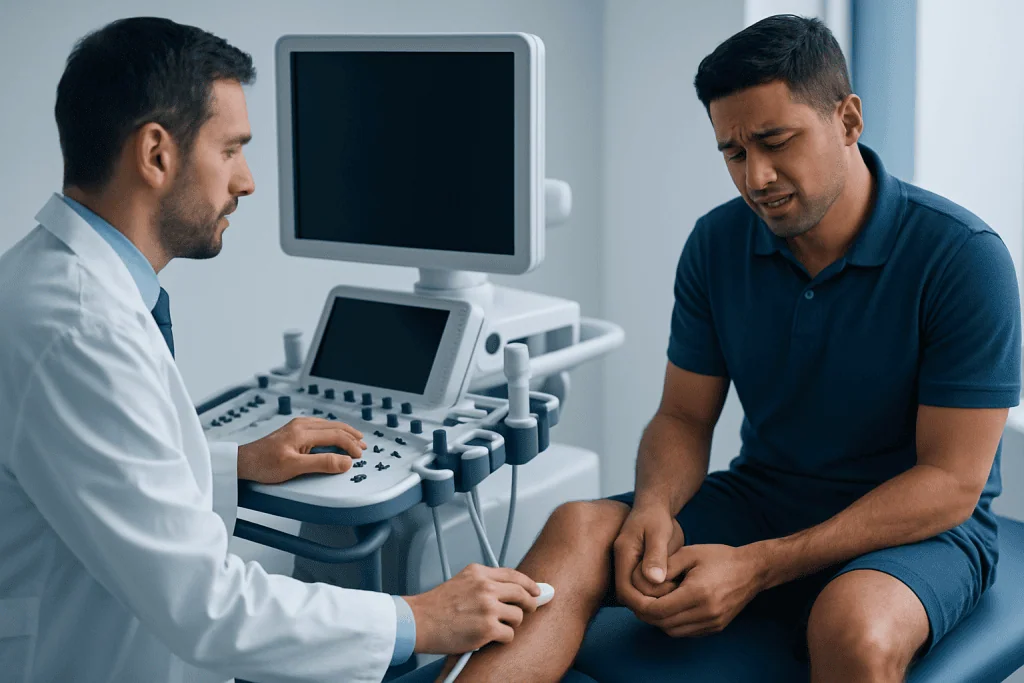
Calf pain can vary widely in character and intensity. Some people feel a sudden sharp pain or a “pull” during running, jumping, or climbing stairs, which often suggests a muscle strain. Others notice cramping, tightness, or soreness that starts later, especially after exercise, long walks, or unusual physical activity.
Associated symptoms can provide important clues. Swelling, warmth, redness, and tenderness in one calf may suggest inflammation or a circulation problem. Stiffness near the heel can indicate Achilles tendon irritation, while numbness, tingling, or weakness may point to nerve involvement from the lower back or leg.
Calf pain may also be linked to walking distance. Pain that starts with walking and improves after resting can happen when leg muscles are not receiving enough blood flow, a pattern sometimes seen with peripheral artery disease. By contrast, pain that is worse with stretching the muscle, pushing off the foot, or pressing on a specific area often suggests a muscle or tendon source.
- Sharp or sudden pain during activity: often seen with strain or tear
- Cramping pain: may be related to muscle fatigue, dehydration, or electrolyte imbalance
- Aching with swelling: may occur with injury or a vein problem
- Burning, tingling, or shooting pain: may suggest nerve irritation
- Pain with walking that eases with rest: can be linked to poor circulation
Common causes and risk factors

The most common causes of calf pain are muscular. A calf strain may happen when the muscle is overloaded or suddenly stretched, especially during sprinting, jumping, or quick changes in direction. Delayed-onset muscle soreness can develop a day or two after unfamiliar exercise. Night cramps or exercise-related cramps are also common and may be triggered by muscle fatigue, dehydration, or prolonged standing.
Tendon and surrounding soft-tissue problems can also cause calf discomfort. Irritation of the Achilles tendon may create pain lower in the calf or near the heel, especially during walking, running, or first steps in the morning. In some people, calf pain is referred from nearby structures, including the knee, ankle, or foot, which is why a full assessment matters when symptoms do not clearly match a muscle injury.
Less common but important causes involve blood vessels and nerves. A deep vein thrombosis, or deep vein thrombosis, is a blood clot in a deep leg vein that can cause one-sided pain, swelling, warmth, and tenderness. Poor arterial circulation can lead to exertional calf pain. Nerve compression from the lower back, such as sciatica, may cause calf pain along with tingling or weakness. Risk factors for more serious causes include recent surgery, prolonged immobility, smoking, pregnancy, hormone therapy, older age, and a personal or family history of clotting or vascular disease.
How doctors diagnose calf pain
Diagnosis begins with a detailed history. A doctor will usually ask when the pain started, whether it followed exercise or injury, whether it affects one leg or both, and whether swelling, warmth, skin color change, numbness, fever, or shortness of breath are present. These details help separate likely muscle causes from conditions that need urgent attention.
Physical examination typically includes checking tenderness, swelling, range of motion, strength, gait, pulses, and the skin of the lower leg. The clinician may assess the ankle and Achilles tendon, look for signs of nerve involvement, and compare both legs. If a blood clot or circulation problem is suspected, examination alone is not enough to confirm the cause.
Tests are used selectively based on symptoms. Ultrasound is commonly used when deep vein thrombosis is a concern. X-rays may help if bone injury is possible, and MRI can be useful for significant muscle tears or complex soft-tissue problems. Blood tests may be ordered if infection, inflammation, or other systemic causes are considered. In some patients, vascular studies are needed to check blood flow in the arteries or veins.
Treatment options and symptom relief
Treatment depends on the cause of calf pain. For mild muscle strain, overuse soreness, or cramping, the first steps are usually temporary rest, activity modification, gentle movement, and avoiding actions that sharply increase pain. Ice in the first day or two may help with discomfort and swelling after a fresh injury, while some people later find gentle heat helpful for stiffness. Elevation and compression may also be advised when appropriate.
Recovery often improves with stretching and strengthening introduced gradually once pain begins to settle. A guided rehabilitation plan can help restore flexibility, calf strength, and walking or sports function while lowering the risk of re-injury. For persistent soft-tissue problems, a doctor may recommend physical therapy and rehabilitation to support a safe return to activity.
When calf pain is caused by a blood vessel problem, self-care is not enough. A suspected blood clot requires prompt medical assessment and specific treatment, which may include medicines to prevent the clot from growing. If the cause is nerve-related, treatment may focus on the source of the compression, including evaluation for back-related pain. In selected cases, imaging such as MRI or a vascular assessment may be part of the treatment pathway. If symptoms fit a clotting concern, doctors may coordinate urgent evaluation and management similar to care used for vein and circulation conditions.
Prevention and self-care
Not all calf pain can be prevented, but several habits can reduce risk. A gradual increase in exercise intensity gives muscles and tendons time to adapt. Warm-up before activity, cool down afterward, and include regular calf stretching and strengthening if recommended by a healthcare professional. Supportive footwear can also reduce stress on the lower leg during walking and sports.
Hydration, balanced nutrition, and adequate recovery matter, especially for people who exercise intensely or stand for long periods. Repeated training without rest can increase the chance of strain. Those who have frequent cramps may benefit from reviewing their activity pattern, fluid intake, and any medicines with a doctor, rather than relying on supplements without advice.
For people at risk of circulation problems, prevention focuses on reducing long periods of immobility, staying active within personal limits, and managing conditions such as high blood pressure, diabetes, and smoking. During long travel, moving the ankles and legs regularly and taking walking breaks when possible may help. Anyone with recurring or unexplained calf pain should seek an individualized assessment rather than self-diagnosing.
When to seek medical care
Medical care is important if calf pain is severe, keeps returning, or does not improve with simple measures. One-sided swelling, warmth, redness, tenderness, or pain that starts without an obvious muscle injury should be assessed promptly because a blood clot is one possible cause. Pain that makes it hard to bear weight, a sudden snapping sensation, or visible deformity can suggest a more significant muscle or tendon injury.
Urgent care is especially important if calf pain is accompanied by chest pain, shortness of breath, dizziness, or coughing up blood, as these symptoms can occur when a clot travels to the lungs. Fever, spreading redness, or rapidly worsening swelling may suggest infection or another acute problem. Numbness, weakness, or loss of pulses also needs timely evaluation.
For international patients who need specialist assessment, Acibadem International’s multidisciplinary teams in JCI-accredited hospitals diagnose and treat muscle, nerve, and vascular causes of calf pain. If the symptoms raise concern for vascular disease or unexplained swelling, doctors may also evaluate related conditions such as peripheral artery disease as part of a broader plan of care.
Frequently asked questions
Is calf pain usually caused by a muscle problem?
Often, yes. Calf pain is commonly related to muscle strain, overuse, delayed soreness after exercise, or cramping. Still, not every case is muscular, so swelling, warmth, numbness, or pain at rest should be assessed more carefully.
How can someone tell the difference between a cramp and a strain?
A cramp is usually a sudden, tight, involuntary muscle contraction that may ease within minutes, though soreness can linger. A strain often follows a specific movement or activity and may cause sharp pain, tenderness, and pain with walking or stretching for days or longer.
Can calf pain be a sign of a blood clot?
Yes, calf pain can sometimes be caused by a deep vein thrombosis. Warning features include one-sided swelling, warmth, tenderness, redness, or pain that seems out of proportion to a simple muscle injury. Prompt medical evaluation is important if these symptoms appear.
What helps mild calf pain at home?
For mild calf pain from overuse or a minor strain, relative rest, gentle movement, and avoiding painful activities are often helpful. Ice may help early after injury, and later stretching may be useful once pain starts to settle. A doctor should be consulted if symptoms are severe, persistent, or unclear.
When is calf pain an emergency?
Urgent care is needed if calf pain occurs with chest pain, shortness of breath, faintness, or coughing up blood. It also needs prompt attention if there is sudden major swelling, inability to walk, a suspected tendon rupture, loss of feeling, or rapidly worsening redness and fever.
Can back problems cause calf pain?
Yes. Nerves that travel from the lower back into the leg can cause pain in the calf if they are irritated or compressed. This type of pain may come with tingling, burning, numbness, or weakness rather than isolated muscle tenderness.
References
- National Institutes of Health
- American Academy of Orthopaedic Surgeons
- Centers for Disease Control and Prevention
- National Health Service
- Society for Vascular Surgery
This article is for general information only and is not a substitute for professional medical advice. Please consult a qualified doctor about your individual situation.
Explore treatments in Turkey — costs, top hospitals & a free quote
JCI-accredited · board-certified surgeons · reply within 24h

More from the Health Library



Related Specialists

Assoc. Prof. Dr. Serap Yücel
Radiation Oncology
Pdg. İrem Bektaş
Podiatry & Foot Health
Assoc. Prof. Dr. Şafak Yılmaz Baran
Gynecology & Obstetrics
Dr. Ufuk Güngör
Physical Medicine & Rehabilitation