Staphylococcus: A Complete Medical Overview

Staphylococcus often lives harmlessly on the body, but it can cause infection if it enters through a cut, wound, or medical device. Common staph infections affect the skin, but the bacteria can also infect the bloodstream, lungs, bones, joints, or heart.
Key Takeaways
- Staphylococcus often lives harmlessly on the body, but it can cause infection if it enters through a cut, wound, or medical device.
- Common staph infections affect the skin, but the bacteria can also infect the bloodstream, lungs, bones, joints, or heart.
- Symptoms vary by site of infection and may include redness, pain, swelling, pus, fever, or feeling generally unwell.
- Some strains, including MRSA, are resistant to certain antibiotics, so proper diagnosis and treatment selection are important.
- Good hygiene, wound care, and early medical evaluation for worsening symptoms can reduce the risk of complications.
Medically reviewed by the Acıbadem International Medical Board — July 23, 2026
Staphylococcus is a group of bacteria commonly found on the skin and in the nose. Many people carry it without problems, but under certain conditions it can cause infections ranging from mild skin issues to more serious disease that needs prompt medical care.
What staphylococcus is and why it matters
Staphylococcus refers to a group of bacteria, often called “staph,” that commonly live on the skin or in the nose. In many people, these bacteria are present without causing any illness. This harmless presence is known as colonization, and it is different from infection.
A staphylococcus infection happens when the bacteria enter the body through a break in the skin, spread into deeper tissues, or affect a vulnerable area such as the blood, lungs, bones, or a surgical site. The severity can range from a small boil to a serious infection that needs urgent treatment.
The species most often linked to illness is Staphylococcus aureus. Other staphylococcal species can also cause infection, especially in people with catheters, artificial joints, heart valves, or weakened immune systems. Some strains are more difficult to treat because they do not respond to certain antibiotics.
How staph infections present in the body
Staph infections do not have one single pattern. Symptoms depend on where the bacteria are growing and how far the infection has spread. Skin infections are the most familiar form and may begin as a tender bump, pimple-like lesion, or patch of redness that becomes warm, swollen, and painful.
As the infection develops, pus may collect under the skin, forming an abscess or boil. Some people also develop crusting, drainage, or spreading redness. Skin infections can sometimes resemble other conditions, so persistent or worsening symptoms should be assessed by a clinician, especially if there is fever.
When staphylococcus affects deeper parts of the body, symptoms become less specific but often more serious. Depending on the site, a person may have fever, chills, fatigue, cough, shortness of breath, chest pain, bone or joint pain, or signs of worsening illness.
- Skin and soft tissue: redness, warmth, swelling, pain, pus, boils, abscesses
- Bloodstream infection: fever, chills, rapid heartbeat, low blood pressure, confusion
- Lung infection: cough, fever, breathing difficulty, chest discomfort
- Bone or joint infection: deep pain, reduced movement, swelling, fever
- Food poisoning from staph toxins: sudden nausea, vomiting, stomach cramps, diarrhea
Causes, spread, and risk factors

Staphylococcus can spread by direct skin-to-skin contact, contact with contaminated objects, or from the person’s own skin or nose into a wound. It may also enter the body through shaving nicks, insect bites, eczema, surgical incisions, intravenous lines, or medical implants. Not every exposure leads to infection, but broken skin creates an easier pathway.
Some situations increase the risk. These include recent surgery, hospitalization, dialysis, diabetes, chronic skin conditions, a weakened immune system, and participation in contact sports. Shared towels, razors, gym equipment, or poor wound hygiene may also play a role in community-acquired infections.
Antibiotic-resistant strains such as MRSA, or methicillin-resistant Staphylococcus aureus, are an important concern. MRSA can cause infections in both hospitals and the community. The presence of resistance does not automatically mean a worse outcome, but it does make correct testing and antibiotic choice especially important. In some cases, staph may be related to wider issues such as sepsis if the infection enters the bloodstream and triggers a severe body-wide response.
How doctors diagnose staphylococcus infection
Diagnosis starts with a medical history and physical examination. A doctor considers the appearance of the affected area, how quickly symptoms developed, whether there is fever, and whether the person has any recent hospital exposure, surgery, or chronic health conditions.
When there is drainage or an open skin lesion, a sample may be taken for culture. A laboratory can identify the type of bacteria and test which antibiotics are likely to work. This is particularly helpful when an infection is severe, recurrent, or not improving as expected.
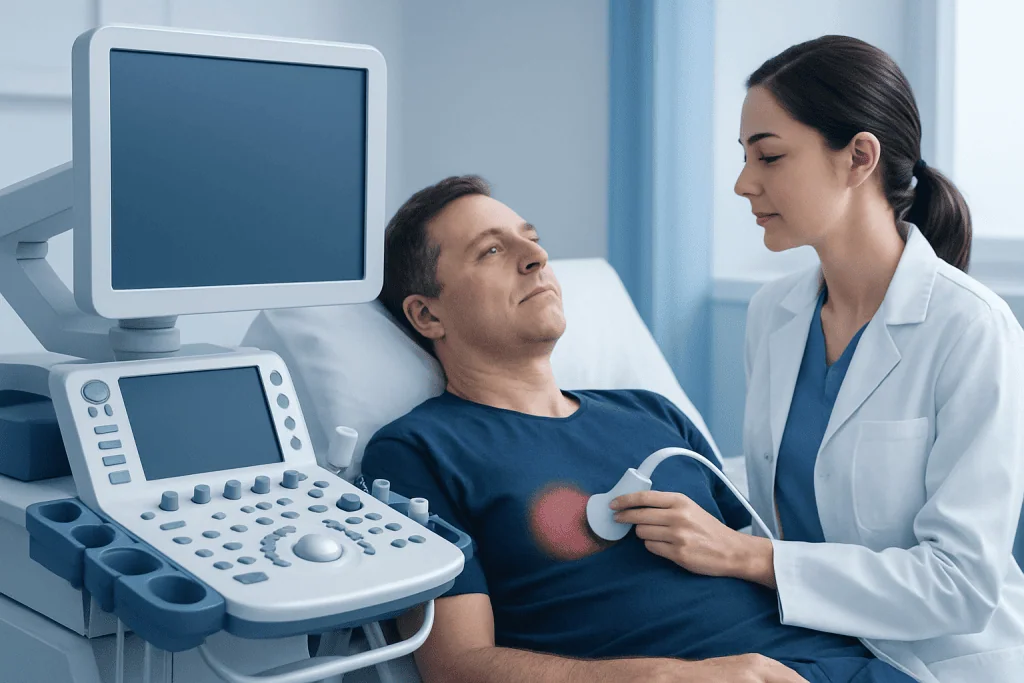
Additional tests depend on the suspected site of infection. Blood tests and blood cultures may be used when there are signs of a bloodstream infection. Imaging studies such as ultrasound, X-ray, CT, or MRI may help detect an abscess or deeper involvement. If heart valve infection is suspected, doctors may also use echocardiography to look for infection-related changes.
Treatment options and recovery
Staphylococcus treatment depends on the type, location, and severity of infection. Small, uncomplicated skin infections may sometimes improve with local care, but many staph infections need medical assessment because pus collections often require drainage and the right antibiotic depends on the organism involved.
For abscesses, a doctor may perform a drainage procedure to remove trapped pus. Antibiotics may be prescribed when the infection is spreading, causing systemic symptoms, affecting a high-risk person, or involving deeper tissues. If resistance is suspected, treatment is chosen based on culture results whenever possible. In serious cases, hospital care and intravenous antibiotics may be needed.
Supportive care is also important. Keeping the affected area clean, covering draining lesions, following wound care instructions, and completing any prescribed treatment can help recovery and lower the chance of recurrence. If surgery or deeper infection management is needed, clinicians may combine antibiotic therapy with procedures such as wound care or abscess drainage. When infection spreads into blood or organs, management may overlap with treatment pathways used for sepsis or other serious infectious conditions.
Near the end of the care pathway, follow-up may be advised to confirm that the infection has resolved and to look for underlying causes if infections keep returning. Acibadem International’s multidisciplinary specialists and JCI-accredited hospitals diagnose and treat infectious conditions for international patients when advanced evaluation or hospital-based care is needed.
Prevention, hygiene, and self-care
Because staphylococcus often lives on the skin, prevention focuses on limiting opportunities for the bacteria to enter the body or spread to others. Frequent handwashing, especially after touching wounds or bandages, is one of the most effective steps. Alcohol-based hand rubs can also help when soap and water are not available.
Good wound care matters. Cuts, scrapes, and surgical incisions should be cleaned and covered according to medical advice. Personal items such as razors, towels, clothing, and sports equipment should not be shared if there is a skin infection. Surfaces that are touched often should be cleaned regularly in households, gyms, and shared living spaces.
Self-care should be cautious rather than aggressive. Squeezing a boil or trying to drain an abscess at home can push infection deeper or spread it to nearby skin. People who have repeated infections may need a clinician to look for contributing factors such as nasal carriage, diabetes, skin disease, or close-contact exposure within the household.
When to seek medical care
Medical care is recommended if a skin infection is becoming more painful, larger, redder, or warmer, or if pus is present. A person should also seek medical advice if there is fever, chills, weakness, or no improvement after basic wound care. Early assessment is especially important in infants, older adults, and people with diabetes, cancer treatment, kidney disease, or weakened immunity.
Urgent care is needed for signs that infection may be spreading. These include rapidly expanding redness, severe swelling, shortness of breath, chest pain, confusion, fainting, or a very unwell appearance. Emergency evaluation is also appropriate if symptoms suggest bloodstream infection or if there is concern about infection after surgery.
Recurrent boils or repeated staph infections should not be ignored. A doctor can help identify whether there is persistent colonization, antibiotic resistance, an underlying skin condition, or a deeper source of infection. In selected cases, referral for infectious diseases care or related specialist evaluation may be helpful.
Frequently asked questions
Is staphylococcus always an infection?
No. Many people carry staphylococcus on their skin or in their nose without any symptoms. It becomes an infection only when the bacteria enter tissues or multiply in a way that causes illness.
What is the difference between staphylococcus and MRSA?
MRSA is a type of staphylococcus, usually <em>Staphylococcus aureus</em>, that is resistant to certain antibiotics. Not all staph infections are MRSA, but testing may be needed to identify resistant strains and guide treatment.
Can a staph infection go away without antibiotics?
Some very minor skin infections may improve with proper hygiene and local care, but many staph infections need medical evaluation. Abscesses often require drainage, and antibiotics may be necessary depending on the severity, location, and risk factors.
How does someone catch a staph infection?
Staph can spread through direct contact with infected skin, shared personal items, or contaminated surfaces. It can also come from a person’s own skin or nose if bacteria enter through a cut, wound, or medical device.
Are recurrent boils a sign of staphylococcus?
They can be. Repeated boils or abscesses are commonly linked to staphylococcal bacteria, especially if the lesions contain pus and return in the same or different areas. A doctor can assess whether there is persistent staph carriage or another underlying cause.
When is a staph infection an emergency?
Urgent medical attention is needed if there is high fever, rapid spreading redness, severe pain, confusion, shortness of breath, fainting, or signs of serious illness. These features may suggest that the infection is spreading beyond the skin or affecting the bloodstream or organs.
References
- Centers for Disease Control and Prevention
- World Health Organization
- National Health Service
- Mayo Clinic
- Merck Manual Consumer Version
This article is for general information only and is not a substitute for professional medical advice. Please consult a qualified doctor about your individual situation.
Explore treatments in Turkey — costs, top hospitals & a free quote
JCI-accredited · board-certified surgeons · reply within 24h

More from the Health Library



Related Specialists

Assoc. Prof. Dr. Özgüç Takmaz
Gynecology & Obstetrics
Assoc. Prof. Dr. Osman Serhat Güner
General Surgery
Prof. Dr. Bülent Kisacikoğlu
Cardiovascular Surgery
Dt. Gonca Katmer
Oral & Dental Health