

High Testosterone in Women: What Patients Need to Know

High testosterone in women is a hormonal finding or symptom pattern, not a disease on its own. Common signs include irregular periods, acne, increased facial or body hair, and thinning hair on the scalp.
Key Takeaways
- High testosterone in women is a hormonal finding or symptom pattern, not a disease on its own.
- Common signs include irregular periods, acne, increased facial or body hair, and thinning hair on the scalp.
- Polycystic ovary syndrome is a common cause, but adrenal, ovarian, medication-related, and other endocrine causes are also possible.
- Diagnosis usually combines a medical history, physical exam, blood tests, and sometimes pelvic ultrasound or other imaging.
- Treatment depends on the cause and may include lifestyle changes, hormone-regulating medicines, or treatment of an underlying endocrine condition.
- Prompt medical review is important if symptoms start suddenly, become severe, or appear with voice deepening or rapid muscle changes.
Medically reviewed by the Acıbadem International Medical Board — July 23, 2026
High testosterone in women means androgen levels are above the expected range or causing symptoms such as irregular periods, acne, excess facial or body hair, scalp hair thinning, or trouble ovulating. It is not a diagnosis by itself, but a sign that a clinician should look for an underlying cause such as polycystic ovary syndrome, medication effects, or a less common hormone disorder.
Overview: what high testosterone in women means
High testosterone in women refers to higher-than-expected androgen activity in the body. Testosterone is often thought of as a male hormone, but women also produce it in smaller amounts in the ovaries and adrenal glands. In women, testosterone helps support normal physiology, but when levels rise too much or the body becomes more affected by androgens, symptoms can develop.
Many patients first notice changes such as irregular menstrual cycles, acne that is difficult to control, unwanted facial or body hair, or thinning hair at the scalp. Some are told they have a “high testosterone” result after testing for fertility concerns or missing periods. A lab result alone does not explain the full picture, because symptoms, age, menstrual status, and the exact type of hormone test all matter.
Rather than being a single condition, high testosterone in women is a clue that a doctor may need to investigate a broader hormone imbalance. One of the most common related conditions is polycystic ovary syndrome, but other causes may involve the adrenal glands, ovaries, medications, insulin resistance, or, more rarely, hormone-producing tumors.
Common symptoms and how they may affect daily life
Symptoms vary from person to person. Some women have clearly elevated testosterone on testing with very few outward changes, while others have symptoms even when blood levels are only mildly abnormal. The pattern often depends on how sensitive hair follicles and skin are to androgens.
Common symptoms can include:
- Irregular periods, infrequent periods, or absent periods
- Difficulty ovulating or fertility problems
- Acne, especially along the jawline, chest, or back
- Increased facial or body hair growth, called hirsutism
- Thinning hair on the scalp or a widening part line
- Weight gain or increased difficulty managing weight
- Oily skin
In more pronounced cases, androgen excess can cause what doctors call virilization. This may include a deeper voice, increased muscle bulk, clitoral enlargement, or a rapid increase in coarse body hair. These features are less common and deserve prompt medical evaluation because they may suggest a stronger source of androgen production.
Beyond physical symptoms, hormonal changes can affect confidence, body image, relationships, and plans for pregnancy. A patient-friendly care plan should address both the medical cause and the practical impact on quality of life.
Causes and risk factors

The most common cause of high testosterone in women is polycystic ovary syndrome, or PCOS. In PCOS, ovulation may be irregular and androgen levels may rise, often alongside insulin resistance. Not every woman with PCOS has all the same symptoms, and not every woman with high testosterone has PCOS, so evaluation should remain broad.
Other possible causes include adrenal gland conditions, ovarian disorders, some medicines or supplements, and metabolic factors such as obesity and insulin resistance. Rarely, androgen-producing tumors of the ovary or adrenal gland can be responsible, especially when symptoms appear quickly or become severe over a short time.
Doctors may also consider endocrine disorders that can overlap with androgen excess, such as thyroid disease, high prolactin, or Cushing syndrome. In younger patients or in those with longstanding symptoms from adolescence, congenital adrenal conditions may also be considered. A careful medication and supplement review matters, because anabolic steroids, testosterone-containing products, and some other agents can raise androgen levels.
Risk factors that may increase the chance of hormone imbalance include a family history of PCOS or diabetes, weight gain, insulin resistance, and a history of irregular periods. Still, high testosterone in women can occur at different body sizes and life stages, so symptoms should not be dismissed based on appearance alone.
How doctors diagnose high testosterone in women
Diagnosis starts with listening closely to the patient’s history. A clinician will ask about menstrual patterns, acne, hair growth, scalp hair loss, weight changes, fertility concerns, and any sudden changes in voice or body shape. The timing of symptoms is important, because a gradual pattern suggests different causes than a very rapid onset.
A physical examination often looks for signs of androgen excess, insulin resistance, and related hormonal conditions. Blood testing may include total testosterone and, in some cases, free testosterone or related hormone markers. Other tests may assess ovulation, adrenal hormones, prolactin, thyroid function, blood sugar, and cholesterol, depending on the person’s symptoms and age.
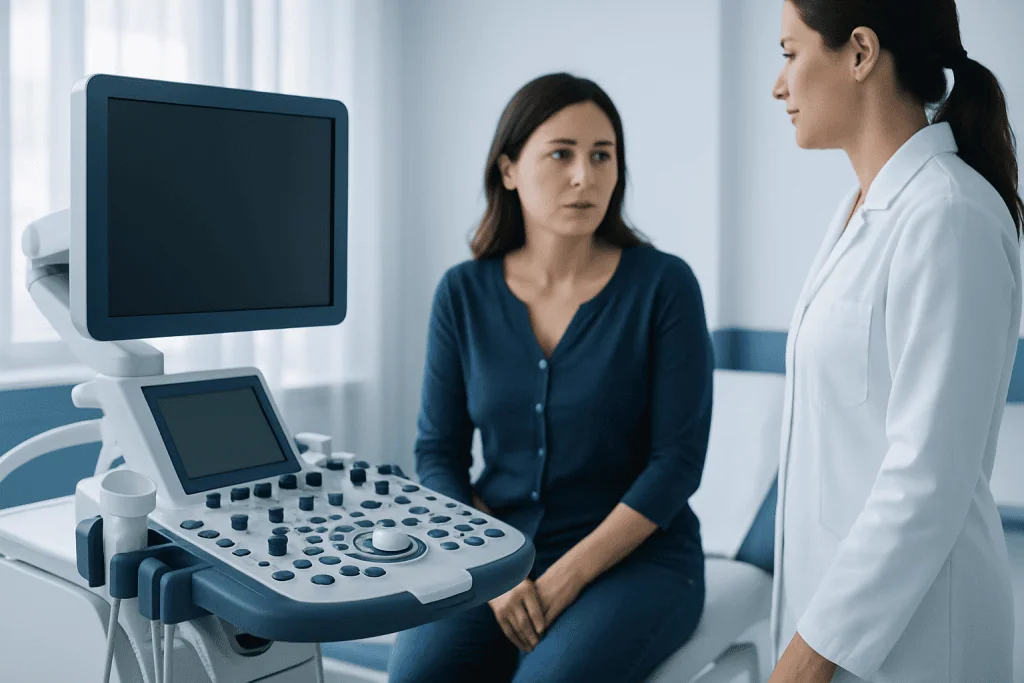
Imaging is not necessary for every patient, but a pelvic ultrasound is often useful when PCOS is suspected or when menstrual cycles are irregular. If blood tests or symptoms raise concern for an adrenal or ovarian source, more targeted imaging may be recommended. A structured workup can help distinguish common causes from less common but important ones. In some cases, clinicians may use pelvic ultrasound or broader endocrinology assessment as part of the evaluation.
Because hormone levels can fluctuate, test interpretation should be individualized. Menstrual cycle timing, menopause status, and the type of laboratory assay used can all affect results. This is one reason self-diagnosis based on a single online hormone panel can be misleading.
Treatment options depend on the underlying cause
Treatment for high testosterone in women is guided by the reason behind it, the symptoms present, and the patient’s goals. For some, the main goal is more regular periods or support with ovulation. For others, it may be managing acne, excess hair growth, or metabolic health. A tailored plan is usually more effective than a one-size-fits-all approach.
If PCOS is the cause, treatment may include lifestyle measures, cycle regulation, and medications that reduce androgen effects or improve insulin sensitivity when appropriate. Some women benefit from hormonal contraceptives to help regulate periods and lower androgen-related symptoms. Others may be offered additional anti-androgen treatment, but this needs careful medical supervision, especially for patients who may become pregnant.
When fertility is the priority, management is often different from treatment aimed mainly at acne or hirsutism. Ovulation-focused care may be discussed, and some patients may be referred for fertility treatment if needed after proper evaluation. Acne and hair-related symptoms may improve gradually, but these changes often take months rather than weeks.
If testing suggests an adrenal or ovarian disorder, treatment may focus directly on that condition. Rare causes such as hormone-producing tumors require specialist care. In complex cases, a multidisciplinary team may involve gynecology, endocrinology, dermatology, and fertility specialists to coordinate diagnosis and follow-up.
Self-care, lifestyle steps, and what not to try alone
Self-care cannot replace a proper diagnosis, but it can support treatment and overall hormone health. If insulin resistance or PCOS is involved, gradual weight management, regular physical activity, good sleep, and a balanced eating pattern can help improve metabolic health and sometimes reduce androgen-related symptoms over time. Even modest, sustainable changes may be meaningful.
Skin and hair symptoms often need practical support as well. A doctor may recommend evidence-based acne treatment, hair removal options, or scalp hair-loss care while the underlying hormone issue is being addressed. These measures can improve comfort and confidence during treatment.
Patients should be cautious with supplements marketed as “hormone balancing” products. Many are not well studied, may not contain what the label suggests, and can interfere with testing or treatment. Testosterone-containing products, anabolic steroids, and some bodybuilding supplements can worsen symptoms and should not be used without medical oversight.
Keeping a symptom diary can be useful. Tracking periods, acne flares, hair changes, weight trends, and fertility timing can help a clinician identify patterns and judge whether treatment is working.
When to seek medical care
A routine medical appointment is appropriate for ongoing acne, new unwanted facial or body hair, scalp hair thinning, irregular or absent periods, or difficulty becoming pregnant. These symptoms do not always mean testosterone is high, but they do deserve a thoughtful review, especially if they are persistent or worsening.
Prompt medical care is especially important if symptoms appear suddenly or progress quickly. Red flags include a deeper voice, rapid increase in muscle bulk, clitoral enlargement, severe or sudden hair growth, or significant menstrual changes developing over a short period. These signs can point to a stronger androgen source that needs timely assessment.
Women who are pregnant, trying to conceive, or entering menopause may need a more individualized evaluation because hormone patterns differ across life stages. A qualified doctor can help interpret symptoms in context and decide which tests are truly needed.
For patients seeking coordinated care, Acibadem International’s multidisciplinary specialists and JCI-accredited hospitals diagnose and treat hormone-related conditions for international patients. Depending on the findings, care may involve women’s health, endocrinology, imaging, and, when relevant, gynecologic evaluation.
Frequently asked questions
Can high testosterone in women be normal?
Women naturally produce small amounts of testosterone, so the hormone itself is normal. What matters is whether the level is outside the expected range for that person or whether androgen-related symptoms are present. A doctor interprets the result together with symptoms, age, menstrual status, and other tests.
Is PCOS the only cause of high testosterone in women?
No. PCOS is a common cause, but adrenal conditions, ovarian disorders, medications, supplements, insulin resistance, and rare tumors can also raise androgen levels. That is why proper testing is important before assuming the cause.
Can high testosterone cause infertility?
It can contribute to fertility problems, especially if it disrupts ovulation or menstrual regularity. This is often seen in PCOS, but other hormone disorders can also affect fertility. Treating the underlying cause may improve the chance of regular ovulation.
Will lowering testosterone make excess hair go away quickly?
Hair-related symptoms usually improve slowly because hair growth cycles take time. Treatment may reduce new coarse hair growth, but existing hair often needs additional cosmetic or dermatologic management. Patience and regular follow-up are usually needed.
How is high testosterone tested in women?
Testing often starts with blood work such as total testosterone and other related hormone tests. Depending on symptoms, a clinician may also order tests for adrenal hormones, thyroid function, prolactin, blood sugar, or cholesterol. Some patients also need pelvic ultrasound or other imaging.
Can menopause cause high testosterone in women?
Hormone balance changes around menopause, and some women may notice shifts in hair growth or scalp hair thinning. However, new or pronounced androgen-related symptoms after menopause should still be evaluated carefully. A clinician may look for ovarian, adrenal, medication-related, or other endocrine causes.
References
- World Health Organization
- Endocrine Society
- American College of Obstetricians and Gynecologists
- Office on Women's Health
- National Institutes of Health
This article is for general information only and is not a substitute for professional medical advice. Please consult a qualified doctor about your individual situation.
Explore treatments in Turkey — costs, top hospitals & a free quote
JCI-accredited · board-certified surgeons · reply within 24h

More from the Health Library



Related Specialists

Dr. Nuri Soysal
Aesthetic Plastic & Reconstructive Surgery
Prof. Dr. Hakan Özveri
Urology
Assoc. Prof. Dr. İsmail Selçuk
Cardiovascular Surgery
Dr. Parvana Mikailova
Clinical Laboratory