Foods High in B1: Benefits, Risks, and Safe Use

Vitamin B1, also called thiamine, is essential for energy metabolism and healthy nerve function. Common foods high in B1 include pork, legumes, sunflower seeds, whole grains, and fortified cereals.
Key Takeaways
- Vitamin B1, also called thiamine, is essential for energy metabolism and healthy nerve function.
- Common foods high in B1 include pork, legumes, sunflower seeds, whole grains, and fortified cereals.
- A balanced diet usually provides enough B1, but some people have a higher risk of deficiency.
- Evidence strongly supports B1 for treating deficiency, but not all supplement claims are proven.
- People with ongoing vomiting, alcohol use disorder, malabsorption, or unexplained nerve symptoms should seek medical advice.
Medically reviewed by the Acıbadem International Medical Board — July 23, 2026
Foods high in B1 include pork, beans, lentils, seeds, whole grains, and fortified cereals. These foods help the body convert carbohydrates into energy and support nerve function, but most people benefit most from food sources rather than high-dose supplements unless a clinician advises otherwise.
Overview: what foods high in B1 are and why they matter
Foods high in B1 are foods that provide vitamin B1, also called thiamine. Thiamine is a water-soluble vitamin the body needs to turn food into energy and to support the normal function of nerves, muscles, and the heart. Because the body stores only limited amounts, regular intake through food is important.
The best-known food sources include pork, beans, lentils, peas, sunflower seeds, trout, brown rice, oats, and fortified breakfast cereals. In many people, a varied diet provides enough thiamine without the need for supplements. Fortified foods can be especially helpful where refined grains make up a large part of the diet.
Clinical evidence clearly supports thiamine in preventing and treating deficiency. This includes deficiency related to poor intake, heavy alcohol use, some gastrointestinal conditions, and prolonged vomiting. By contrast, evidence is less consistent for using high-dose thiamine supplements in people who are not deficient and are hoping for broader benefits such as more energy or better concentration.
For patients, the most useful question is not simply which foods contain B1, but whether intake is adequate in the context of age, overall diet, medical conditions, medications, and symptoms. That is why food choices, symptoms, and medical history all matter when considering thiamine status.
Best food sources of vitamin B1
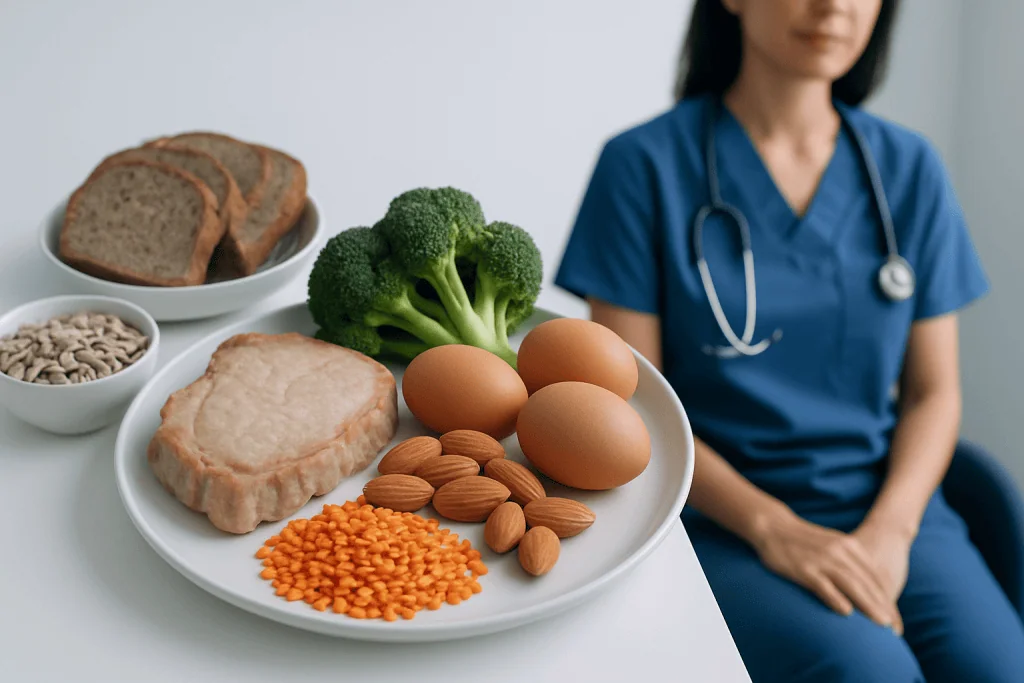
Animal and plant foods can both provide thiamine. Pork is one of the richest common natural sources. Among plant-based choices, legumes such as lentils, black beans, and peas are practical options. Nuts and seeds, especially sunflower seeds, can also contribute meaningful amounts.
Whole grains generally contain more thiamine than highly refined grains because processing can remove nutrient-rich outer layers. Brown rice, oats, and whole wheat products are useful examples. Many breakfast cereals and grain products are fortified, meaning thiamine has been added back or included during manufacturing.
Examples of foods high in B1 include:
- Pork
- Lentils, beans, and peas
- Sunflower seeds
- Whole grains such as oats and brown rice
- Fortified breakfast cereals and breads
- Fish such as trout
- Potatoes and some squash varieties in smaller amounts
Cooking and storage can affect thiamine content. Because thiamine is water-soluble and sensitive to heat, boiling foods in large amounts of water may reduce levels. Using gentler cooking methods, eating a varied diet, and including some fortified foods when appropriate can help maintain adequate intake.
Benefits supported by evidence

The strongest evidence for vitamin B1 is its role in preventing and treating thiamine deficiency. Deficiency can affect the nervous system and the cardiovascular system. Severe deficiency may lead to clinical problems such as beriberi, and in certain high-risk settings, especially heavy alcohol use, thiamine depletion can contribute to serious neurological complications.
Thiamine is essential for carbohydrate metabolism. Cells rely on it to help convert nutrients into usable energy. It also supports normal nerve signaling. When intake is too low, symptoms may include fatigue, poor appetite, irritability, numbness or tingling, muscle weakness, and in more advanced cases balance problems, confusion, or swelling related to heart involvement.
In medical practice, thiamine supplementation may be recommended when deficiency is suspected or confirmed, or when a patient is at high risk. Examples include malnutrition, alcohol use disorder, prolonged vomiting, some digestive disorders, and recovery after certain surgeries that affect nutrient absorption. In these situations, treatment should be individualized and guided by a clinician.
What the evidence does not clearly show is that extra thiamine improves health in people who already get enough from their diet. Claims that high-dose B1 reliably boosts energy, improves mood, or enhances memory in otherwise healthy adults are not firmly established. For most people, focusing on nutrient-dense foods is a more evidence-based starting point.
Who may be at risk of low B1
Although deficiency is not common in people with a balanced diet, some groups are more vulnerable. Alcohol can interfere with thiamine intake, storage, and use in the body. People with chronic alcohol misuse may therefore develop deficiency even if their food intake seems adequate.
Other risk groups include people with prolonged vomiting, very poor appetite, severe calorie restriction, eating disorders, older adults with limited food intake, and patients with conditions that reduce absorption. Some gastrointestinal disorders, including chronic diarrhea or inflammatory disease, may lower nutrient absorption. Patients with celiac disease or other malabsorption problems may need medical assessment if deficiency is suspected.
People who have had certain digestive procedures may also be at increased risk because nutrient intake and absorption can change. In selected cases, nutritional follow-up after bariatric surgery includes monitoring for vitamin deficiencies, including thiamine. This is especially important if vomiting, rapid weight loss, or poor intake occurs.
There are also medical situations in which symptoms can overlap with other conditions. Numbness, burning pain, or weakness may have many causes, including diabetes-related peripheral neuropathy. For that reason, self-diagnosing a vitamin deficiency based on symptoms alone is not reliable.
Risks, side effects, and interactions
Thiamine from foods is generally safe and well tolerated. In ordinary dietary amounts, there is little concern about harm. This is one reason clinicians usually encourage people to meet their needs through food first when possible.
Supplements are also usually well tolerated, but they are not automatically necessary. Mild side effects can include stomach upset or nausea in some people. Rarely, allergic reactions may occur, particularly with certain injectable forms used in medical settings. Any supplement should be used according to product directions and a clinician’s advice, especially in children, pregnancy, or in people with chronic illness.
Interactions are less dramatic than with some other nutrients or drugs, but context matters. Diuretic medicines, alcohol misuse, and illnesses that reduce absorption can all affect thiamine status. A supplement can also create a false sense of security if a person has an underlying condition that needs diagnosis, such as chronic vomiting, liver disease, or intestinal disease.
High-dose supplements should not replace a medical evaluation when symptoms are significant or persistent. Unexplained weight loss, confusion, gait problems, severe weakness, or ongoing numbness require clinical assessment. If digestive symptoms are limiting food intake, a specialist evaluation and, when appropriate, gastroenterology care may be more important than self-treatment.
Safe use: how to include B1 in the diet
For most adults, safe use means choosing a variety of foods high in B1 and regularly including them in meals. A practical pattern might combine whole grains, legumes, seeds, and one or more protein sources such as fish or lean pork. Fortified cereals or breads can be useful when appetite is low or food variety is limited.
Balanced eating matters because thiamine works as part of a broader nutritional picture. People who rely mainly on highly processed refined foods may miss not only B1 but also fiber, protein, and other vitamins and minerals. Building meals around minimally processed foods can improve overall nutrient intake without focusing too narrowly on one vitamin.
Supplements may be reasonable in certain circumstances, but they are best discussed with a doctor or dietitian when there are symptoms, restrictive diets, pregnancy-related vomiting, heavy alcohol use, or a condition affecting absorption. Blood tests and clinical assessment may help clarify whether thiamine deficiency is likely, although diagnosis is not always based on a single test alone.
Patients with complex nutrition needs may benefit from coordinated care. Near the end of a diagnostic workup, if deficiency is suspected due to digestive disease, poor intake, or other medical problems, Acibadem International’s multidisciplinary specialists and JCI-accredited hospitals diagnose and treat related conditions for international patients.
When to seek medical care
Medical care is appropriate if a person has symptoms that could suggest deficiency or another underlying disorder. These include persistent fatigue, numbness or tingling, muscle weakness, difficulty walking, confusion, swelling, palpitations, or repeated vomiting. These symptoms are not specific to low B1 and should not be assumed to be nutritional without assessment.
Care is also important for anyone at higher risk, such as people with heavy alcohol use, recent major weight loss, poor food intake, digestive disease, or surgery affecting digestion. Pregnant people with severe nausea and vomiting should contact a clinician promptly because dehydration and nutrient deficiency can develop quickly.
Urgent evaluation may be needed if neurological symptoms appear suddenly, if confusion develops, or if a person cannot keep food or fluids down. In those situations, treatment may need to start before a deficiency is fully confirmed. Early medical attention can help prevent complications and identify the true cause.
Frequently asked questions
What are the top foods high in B1?
Common foods high in B1 include pork, lentils, beans, peas, sunflower seeds, oats, brown rice, trout, and fortified breakfast cereals. Whole grains and fortified grain products are often practical ways to increase intake.
What does vitamin B1 do in the body?
Vitamin B1, or thiamine, helps the body convert carbohydrates into energy. It also supports normal nerve, muscle, and heart function.
Can a person get enough B1 from food alone?
Yes, many people can meet their needs through a varied diet that includes whole grains, legumes, seeds, and protein sources. Supplements are usually reserved for people with deficiency, high-risk conditions, or a clinician’s recommendation.
Who is more likely to develop thiamine deficiency?
People with alcohol use disorder, prolonged vomiting, poor dietary intake, malabsorption, or certain digestive surgeries may be at higher risk. Older adults and people with restrictive eating patterns can also be vulnerable.
Are vitamin B1 supplements safe?
They are generally well tolerated when used appropriately, but they are not necessary for everyone. People with ongoing symptoms, chronic illness, pregnancy, or children should discuss supplement use with a qualified clinician.
Can low B1 cause nerve symptoms?
Yes, low thiamine can contribute to numbness, tingling, weakness, and other nerve-related symptoms. However, these symptoms can also have many other causes, so medical evaluation is important.
References
- National Institutes of Health Office of Dietary Supplements
- World Health Organization
- U.S. Department of Agriculture
- National Health Service
- Merck Manual Professional Edition
This article is for general information only and is not a substitute for professional medical advice. Please consult a qualified doctor about your individual situation.
Explore treatments in Turkey — costs, top hospitals & a free quote
JCI-accredited · board-certified surgeons · reply within 24h

More from the Health Library



Related Specialists
Prof. Dr. Ahmet Akyol
Cardiology
Dr. Deniz Bülent Kalay
Emergency Service
Prof. Dr. Erdoğan Ertüngealp
Gynecology & Obstetrics
Dr. Remzi Çaylak
Orthopedic Surgery & Traumatology