Prenatal Massage: What Patients Need to Know
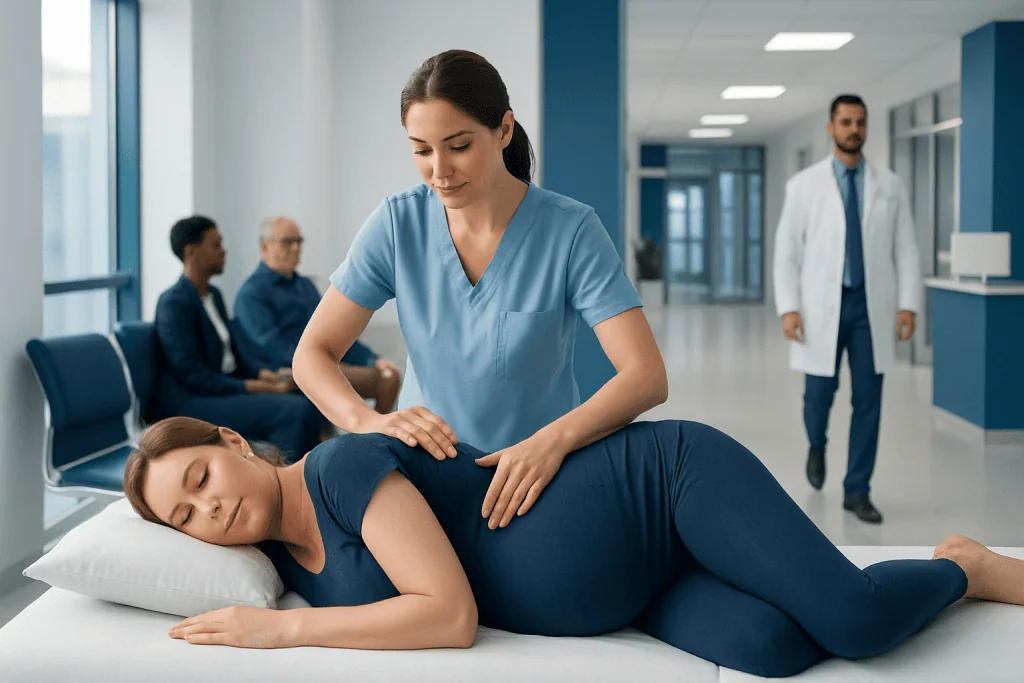
Prenatal massage is different from standard massage because positioning, pressure, and technique are adapted for pregnancy. Many pregnant patients use prenatal massage to ease back pain, hip discomfort, muscle tension, and stress.
Key Takeaways
- Prenatal massage is different from standard massage because positioning, pressure, and technique are adapted for pregnancy.
- Many pregnant patients use prenatal massage to ease back pain, hip discomfort, muscle tension, and stress.
- It is not appropriate for everyone, especially when there is vaginal bleeding, preterm labor risk, severe swelling, high blood pressure concerns, or other pregnancy complications.
- A qualified prenatal massage therapist should avoid deep pressure on certain areas and prioritize side-lying or supported positioning.
- Patients should check with their obstetric clinician before starting prenatal massage, particularly in the first trimester or with a high-risk pregnancy.
Medically reviewed by the Acıbadem International Medical Board — July 23, 2026
Prenatal massage is a modified form of massage designed for pregnancy. When provided by a trained professional and discussed with an obstetric clinician, it may help reduce muscle tension, back discomfort, swelling, and stress while avoiding techniques or positions that may be unsuitable in pregnancy.
What prenatal massage is and how it differs from regular massage
Prenatal massage is massage therapy modified specifically for pregnancy. In practical terms, that means the therapist changes body position, pressure, and technique to account for the physical changes of pregnancy and to support comfort and safety. For many patients, the goal is not a deep-tissue treatment but gentle to moderate relief of muscular strain, stress, and circulation-related discomfort.
As the body changes during pregnancy, posture, joint loading, and muscle tension also change. The lower back, pelvis, hips, shoulders, and legs often carry extra strain. Prenatal massage is designed around these patterns. Therapists may use side-lying positioning with pillows, extra bolsters, and slower techniques to avoid abdominal pressure and reduce strain on joints and ligaments that are naturally more relaxed during pregnancy.
Regular massage approaches are not always suitable during pregnancy. Lying flat on the back for a prolonged time may cause dizziness or discomfort in later pregnancy because the weight of the uterus can affect blood flow. Deep pressure in sensitive areas may also be uncomfortable or inappropriate. A trained prenatal massage therapist understands these adaptations and works within the patient’s stage of pregnancy and medical guidance.
Potential benefits of prenatal massage
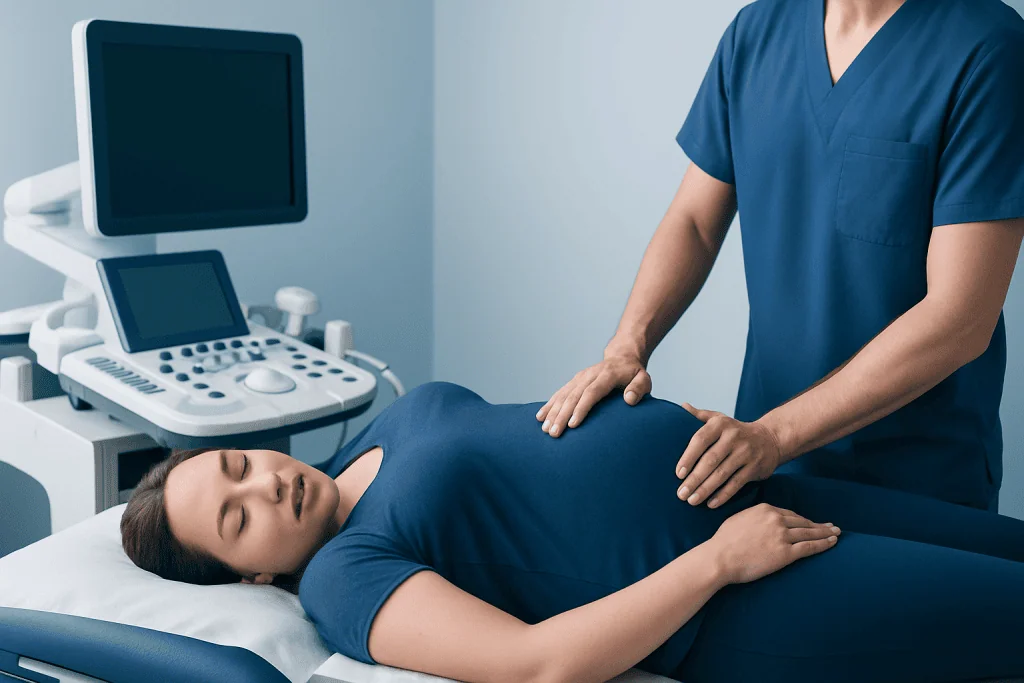
Prenatal massage may help reduce common pregnancy discomforts, especially when they are related to posture and muscle tension. Patients often seek it for lower back pain, hip tightness, neck and shoulder strain, leg heaviness, and general fatigue. It may also provide a sense of relaxation that can be valuable during a time of major physical and emotional change.
Some patients report better sleep, less stress, and improved overall comfort after massage. Gentle hands-on therapy may help release tense muscles and support a calmer nervous system response. This does not mean prenatal massage treats underlying medical conditions, but it may be one supportive part of broader prenatal self-care.
Massage may also help some patients feel more connected to their changing body. Pregnancy can bring normal but sometimes uncomfortable sensations, and a carefully adapted massage session may improve body awareness and comfort. If swelling, pain, or numbness is severe or sudden, however, these symptoms should be medically assessed rather than assumed to be routine pregnancy discomfort.
- Back, hip, and pelvic-area muscle tension
- Neck and shoulder tightness
- Stress and difficulty relaxing
- Leg discomfort related to muscular strain
- Sleep disturbance linked to physical discomfort
Safety considerations and who should be cautious
For many healthy pregnancies, prenatal massage can be safe when it is adapted properly and approved by the patient’s maternity clinician. Even so, safety depends on individual circumstances. Pregnancy is not a single medical situation; it includes normal variation as well as conditions that may require extra caution or avoiding massage altogether.
Before booking a session, patients should tell the therapist how far along they are, whether they have had any complications, and whether their obstetrician or midwife has raised any restrictions. Extra care is often needed in pregnancies affected by bleeding, preterm contractions, placenta-related concerns, blood pressure problems, severe swelling, clotting risk, or significant abdominal pain. Patients with a high-risk pregnancy should not assume that a spa or wellness setting is enough to guide these decisions.
It is also important to choose a therapist with specific training in prenatal care. Techniques should be gentle to moderate, with comfort checked throughout the session. A prenatal therapist generally avoids prolonged flat-back positioning, forceful abdominal work, and aggressive pressure over painful or swollen areas. If a patient has symptoms of a concerning pregnancy complication such as severe headache, vision changes, sudden swelling, or one-sided leg pain, massage should be postponed until a doctor has evaluated the cause, including conditions such as preeclampsia.
When in pregnancy prenatal massage may be considered
There is no single rule that fits every pregnancy, so the right timing depends on the patient’s health, symptoms, and clinician’s advice. Many patients first consider prenatal massage in the second or third trimester, when posture-related discomfort becomes more noticeable. During this period, body support with pillows and side-lying positioning can make treatment more comfortable.
Some therapists and clinicians are more cautious in the first trimester because nausea, fatigue, and anxiety about early pregnancy loss are common, even though massage itself is not known to cause miscarriage when performed appropriately. Because early pregnancy decisions can be highly individualized, patients should ask their obstetric clinician what is appropriate for them before proceeding.
Frequency should also be individualized. A patient with occasional muscular discomfort may benefit from only occasional sessions, while another may prefer regular supportive care as part of a broader plan that includes exercise, stretching, hydration, and sleep support. If pain is persistent or worsening, massage should not replace medical evaluation. In some cases, symptoms may relate to a condition such as sciatica or another non-pregnancy-specific cause that needs assessment.
What happens during a prenatal massage session
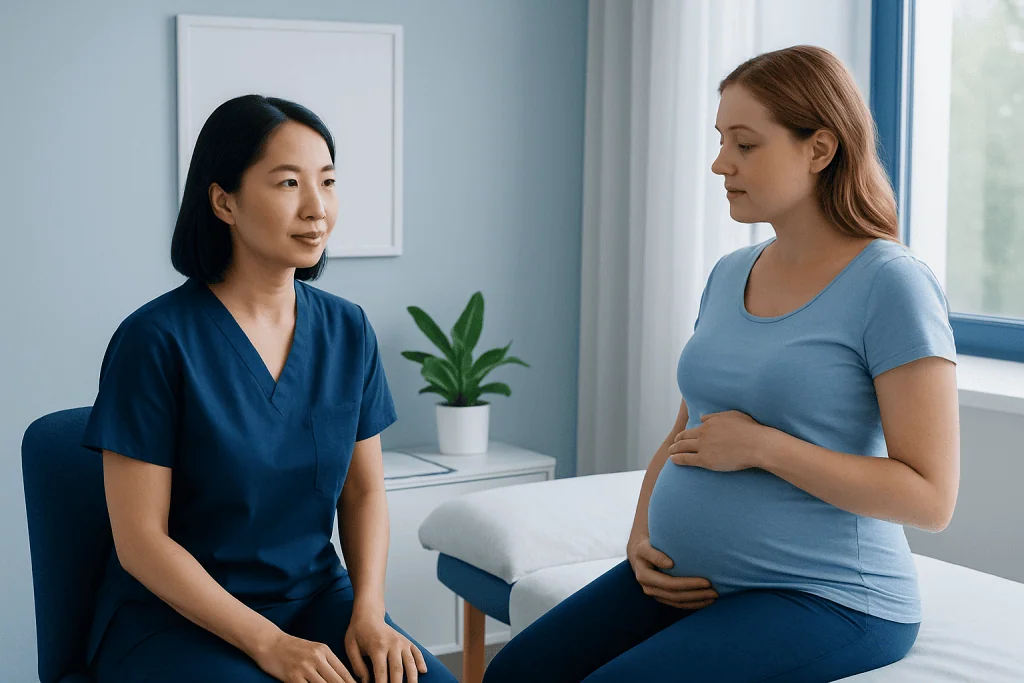
A prenatal massage session usually begins with a short health review. The therapist may ask about weeks of pregnancy, current symptoms, prior pregnancies, swelling, pain patterns, and any restrictions given by the obstetric team. This conversation helps guide positioning and technique, and it also gives the patient an opportunity to ask questions about comfort and safety.
Most sessions use side-lying positioning with cushions placed under the head, abdomen, back, and between the knees. This setup helps reduce strain and keeps pressure off the abdomen. Some clinics may also use semi-reclined positions for part of the session. The aim is to support circulation and comfort while giving access to areas that commonly become tense during pregnancy.
During the massage, the therapist typically focuses on the back, hips, shoulders, legs, and feet using controlled, gentle movements. Pressure should never feel sharp, overwhelming, or distressing. If the patient becomes dizzy, short of breath, nauseated, or uncomfortable, the session should be adjusted or stopped. Patients whose symptoms are linked to musculoskeletal strain may also benefit from a broader care plan that can include physical therapy and rehabilitation when recommended by a clinician.
When prenatal massage should be avoided or postponed
Prenatal massage is not appropriate in every situation. If a patient has vaginal bleeding, leaking fluid, painful contractions, fever, severe abdominal pain, chest pain, sudden shortness of breath, or reduced fetal movement, medical advice is more important than massage. These symptoms need prompt clinical assessment because they may signal problems unrelated to routine muscular discomfort.
Massage may also need to be postponed if there is a possible blood clot, unexplained calf pain, marked redness in one leg, or significant swelling that developed suddenly. Deep pressure over swollen areas is not advisable without medical clearance. Similarly, severe headaches, vision changes, or rapidly worsening swelling need a doctor’s review rather than symptomatic treatment.
Patients with complicated pregnancies should avoid making decisions based only on general wellness advice. An obstetric specialist can help determine whether massage is reasonable, whether certain techniques should be avoided, or whether another treatment is more appropriate. If pain relates to spine, nerve, or pelvic-floor problems, formal medical assessment may guide safer next steps, including options such as obstetrics and gynecology care.
Self-care, choosing a provider, and when to seek medical care
Prenatal massage tends to work best as one part of a larger comfort plan rather than as a stand-alone solution. Supportive habits may include regular gentle movement, pregnancy-safe stretching, rest positions that reduce back strain, supportive footwear, hydration, and discussing new symptoms early with a maternity clinician. These measures can help reduce the repetitive strain that often contributes to pregnancy discomfort.
When choosing a massage provider, patients should look for clear prenatal training, a willingness to review medical history, and a cautious approach to positioning and pressure. The therapist should encourage communication during the session and be comfortable pausing if symptoms change. A provider who dismisses warning signs or promises that massage can treat medical complications should be avoided.
Medical care should be sought promptly for vaginal bleeding, leaking amniotic fluid, contractions before term, severe or persistent abdominal pain, fainting, chest pain, shortness of breath, sudden swelling, severe headache, vision changes, fever, or one-sided leg pain. Prenatal massage may support comfort, but it does not replace obstetric evaluation. For patients who need specialist assessment, Acibadem International’s multidisciplinary teams at JCI-accredited hospitals diagnose and treat pregnancy-related and musculoskeletal concerns for international patients, including care pathways that may involve pregnancy follow-up.
Frequently asked questions
Is prenatal massage safe during pregnancy?
Prenatal massage can be safe for many patients when it is adapted for pregnancy and approved by a qualified obstetric clinician. Safety depends on the individual pregnancy, current symptoms, and whether there are complications that require caution or avoidance.
When can someone start prenatal massage?
Many patients consider prenatal massage in the second or third trimester, when back, hip, and leg discomfort often increase. In the first trimester, timing is more individualized, so it is sensible to check with an obstetric doctor or midwife first.
What areas are usually treated in prenatal massage?
Prenatal massage commonly focuses on the lower back, hips, shoulders, neck, and legs. The abdomen is generally not treated with standard massage pressure, and positioning is adjusted to protect comfort and circulation.
Can prenatal massage help with swelling?
Some patients feel temporary relief of heaviness and tension in the legs, especially when swelling is mild and related to normal pregnancy changes. However, sudden or severe swelling should be medically evaluated, because it can sometimes be a sign of a more serious condition.
Who should avoid prenatal massage?
Patients with vaginal bleeding, leaking fluid, signs of preterm labor, severe swelling, high blood pressure concerns, fever, severe abdominal pain, or possible blood clot symptoms should avoid massage until they have medical advice. Those with high-risk pregnancies should get individual guidance before booking a session.
How is prenatal massage different from a regular massage?
Prenatal massage uses modified positions, extra support cushions, and gentler techniques that take pregnancy changes into account. It avoids prolonged flat-back positioning and other methods that may be uncomfortable or unsuitable during pregnancy.
References
- American College of Obstetricians and Gynecologists
- National Center for Complementary and Integrative Health
- World Health Organization
- Royal College of Obstetricians and Gynaecologists
This article is for general information only and is not a substitute for professional medical advice. Please consult a qualified doctor about your individual situation.
Explore treatments in Turkey — costs, top hospitals & a free quote
JCI-accredited · board-certified surgeons · reply within 24h