Wisdom Tooth Pain: Common Causes, Related Conditions, and When to See a Doctor

Wisdom tooth pain can be caused by normal eruption, impaction, gum inflammation, tooth decay, or infection. Pain at the back of the mouth may come with swelling, jaw stiffness, bad breath, or pain when chewing.
Key Takeaways
- Wisdom tooth pain can be caused by normal eruption, impaction, gum inflammation, tooth decay, or infection.
- Pain at the back of the mouth may come with swelling, jaw stiffness, bad breath, or pain when chewing.
- Dental examination and X-rays help show whether a wisdom tooth is erupting normally or causing complications.
- Treatment depends on the cause and may include cleaning, medication, monitoring, or wisdom tooth removal.
- Urgent dental care is important if there is fever, spreading swelling, pus, severe pain, or difficulty swallowing.
Medically reviewed by the Acıbadem International Medical Board — July 24, 2026
Wisdom tooth pain commonly happens when a third molar is erupting, trapped under the gum, pressing on nearby teeth, or affected by infection or decay. The discomfort may be mild and temporary, but persistent pain, swelling, bad taste, fever, or trouble opening the mouth should be assessed by a dentist or oral surgeon.
Overview: what wisdom tooth pain usually means
Wisdom tooth pain usually means that one of the third molars, the last teeth to develop at the back of the mouth, is irritating nearby tissues or does not have enough room to come in properly. For some people, discomfort is short-lived and happens as the tooth erupts through the gum. For others, the pain is linked to a more specific problem such as impaction, gum infection, tooth decay, or pressure on the tooth next to it.
These teeth often appear in the late teenage years or early adulthood, but symptoms can begin earlier or later. Because wisdom teeth sit so far back, they can be difficult to clean and easy to ignore until pain develops. The sensation may feel dull and achy, sharp when biting, or as a throbbing pain that spreads toward the jaw, ear, or head.
Not all wisdom tooth pain means the tooth must be removed. Some teeth erupt normally and only need monitoring and good oral hygiene. However, a dentist may recommend further treatment if the tooth is trapped, partially erupted, repeatedly infected, or damaging surrounding structures.
What wisdom tooth pain feels like
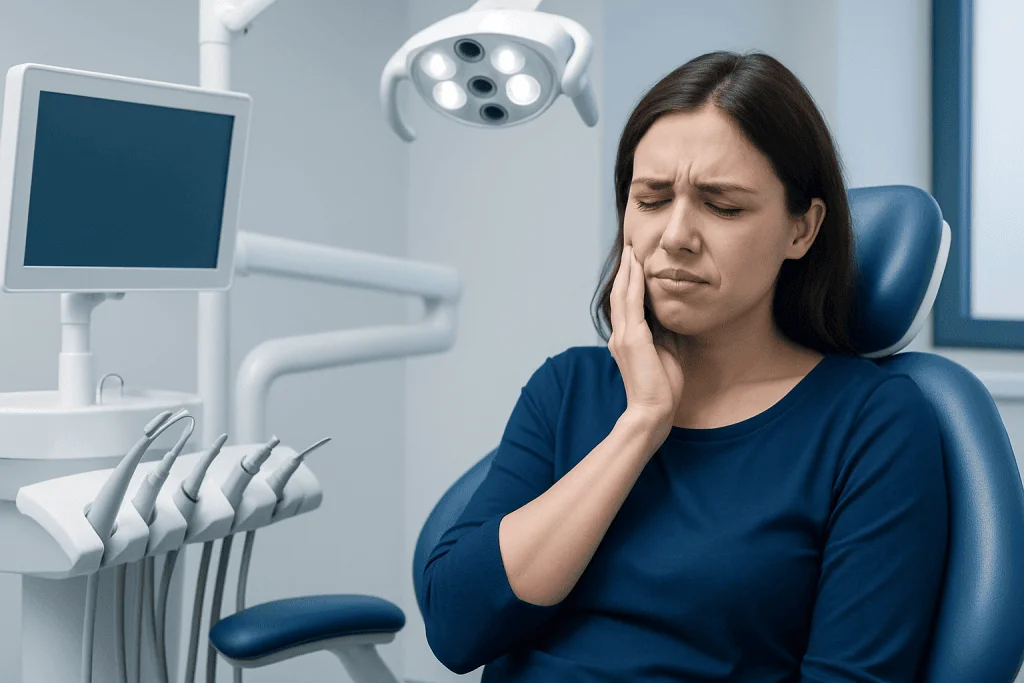
Wisdom tooth pain is not the same for everyone. Some people notice tenderness at the back of the gums, especially when chewing or brushing. Others feel pressure in the jaw, a sore throat on one side, or pain that seems to travel toward the ear. A partially erupted tooth may leave a flap of gum that becomes irritated and painful.
When inflammation or infection is present, symptoms are often more noticeable. The gum may look red, swollen, or shiny. There may also be an unpleasant taste, bad breath, or discomfort when opening the mouth widely. Jaw stiffness can develop if nearby muscles become irritated.
Symptoms that may occur with wisdom tooth pain include:
- Pain or pressure at the back of the mouth
- Swollen, tender, or bleeding gums
- Pain while chewing
- Jaw aching or limited mouth opening
- Bad breath or a bad taste in the mouth
- Headache or earache on the affected side
- Swelling of the cheek
Because these symptoms can overlap with other dental problems, including tooth abscess and gum disease, professional assessment is often the safest way to identify the real cause.
Common causes and related conditions

The most common reason for wisdom tooth pain is lack of space. When the jaw does not have enough room, the tooth may stay trapped under the gum or bone, a situation called impaction. An impacted wisdom tooth can press against the neighboring molar, cause inflammation around the gum, or create a pocket where bacteria collect.
Another frequent cause is pericoronitis, which is inflammation or infection of the gum around a partially erupted wisdom tooth. Food particles and bacteria can become trapped under the gum flap, leading to swelling, soreness, and bad breath. Recurrent episodes are common if the area remains difficult to clean.
Tooth decay can also affect wisdom teeth and the second molar next to them. Because wisdom teeth are hard to reach, plaque can build up more easily. Cavities may form silently until chewing becomes painful. In some cases, the pain is not from the wisdom tooth itself but from the adjacent tooth that has been damaged by crowding or trapped debris.
Less commonly, wisdom tooth pain may be related to gum disease, cyst formation around an unerupted tooth, or jaw joint strain caused by clenching in response to pain. Dentists also consider other sources of pain in this area, such as sinus-related upper tooth pressure or referred pain from nearby dental infections.
How dentists diagnose the cause
Diagnosis starts with a dental history and an oral examination. The dentist will ask when the pain began, whether it is constant or intermittent, and whether there are signs such as swelling, fever, bad taste, or trouble chewing. Looking inside the mouth can show whether the wisdom tooth is fully erupted, partially erupted, inflamed, or hidden under the gum.
Dental X-rays are often the most useful next step because they show the position of the wisdom tooth relative to the jawbone, nerves, and neighboring teeth. They can reveal whether the tooth is angled, impacted, decayed, or causing damage that is not visible during the exam. In more complex cases, additional imaging may be used to plan treatment safely.
Diagnosis also involves ruling out other conditions that can mimic wisdom tooth pain. These may include gum disease, deep cavities, tooth cracks, jaw joint disorders, or an infection in another tooth. This is why persistent back-of-mouth pain should not be self-diagnosed for too long.
Treatment options for wisdom tooth pain
Treatment depends on the cause, the severity of symptoms, and the position of the tooth. If the pain is due to mild irritation during eruption and there is no infection or damage, the dentist may recommend monitoring the tooth, improving oral hygiene, and managing short-term discomfort. If the problem is inflammation around a partially erupted tooth, professional cleaning of the area and local care may help.
When infection is present, treatment focuses on controlling the infection and relieving the source of irritation. This may include cleaning under the gum flap, drainage if needed, and medication when appropriate. If the issue keeps returning, removing the tooth is often considered the most effective long-term solution.
Wisdom tooth extraction is commonly advised when a tooth is impacted, repeatedly infected, decayed beyond easy repair, or harming nearby teeth. In some cases, a patient may be referred for oral and maxillofacial surgery or tooth extraction if the tooth position is complex. If cleaning has become difficult and inflammation of surrounding tissues is advanced, treatment may also involve managing periodontal care.
People should avoid placing aspirin directly on the gum or using unproven remedies, as these can irritate tissue further. A dentist or oral surgeon can explain the most appropriate option based on symptoms, X-ray findings, and overall oral health.
Self-care and prevention
Self-care cannot correct an impacted tooth, but it may reduce irritation while waiting for a dental appointment. Gentle brushing, careful flossing around the area if possible, and rinsing with warm salt water can help keep the gum cleaner. Choosing softer foods for a short time may also make chewing more comfortable if the area is sore.
Good oral hygiene remains the best prevention for avoidable wisdom tooth problems. Because these teeth sit far back, they need extra attention during brushing. Regular dental checkups are helpful even when there is no pain, since X-rays can show developing issues before they cause symptoms.
Prevention tips include:
- Brush twice daily with fluoride toothpaste
- Clean between teeth regularly
- Attend routine dental examinations
- Seek advice early if a wisdom tooth is partly erupted
- Avoid smoking, which can worsen gum problems and delay healing
- Do not ignore repeated swelling or bad taste at the back of the mouth
For international patients needing evaluation or treatment, Acibadem International’s multidisciplinary specialists in JCI-accredited hospitals diagnose and manage dental and oral surgery conditions with individualized care plans.
When to seek medical care
Wisdom tooth pain should be evaluated if it lasts more than a couple of days, keeps returning, or affects eating, sleeping, or daily activities. Even if the pain feels manageable, repeated irritation at the back of the mouth can lead to infection or damage to the tooth beside it.
Prompt dental care is especially important if there is visible swelling, pus, fever, a foul taste, swollen lymph nodes, or difficulty opening the mouth. These signs may suggest a more active infection that needs treatment rather than home care alone. Severe pain after a previous dental procedure should also be assessed.
Urgent care is needed if swelling spreads into the face or neck, or if there is trouble swallowing, drooling, or difficulty breathing. These symptoms are uncommon but can indicate a serious infection. In any uncertain situation, it is safest to contact a dentist or doctor without delay.
Frequently asked questions
Can wisdom tooth pain go away on its own?
Sometimes it can, especially if the discomfort is caused by a tooth temporarily erupting through the gum. However, pain that keeps returning may mean the tooth is impacted, hard to clean, or causing inflammation. If symptoms persist or recur, a dental evaluation is advisable.
How do I know if my wisdom tooth is infected?
Possible signs include swelling, redness, a bad taste or bad breath, pain when biting, and tenderness around the gum at the back of the mouth. Some people also develop jaw stiffness or fever. A dentist can confirm whether infection is present and recommend treatment.
Does wisdom tooth pain always mean the tooth needs to be removed?
No. Some wisdom teeth erupt normally and can be kept if they are healthy, fully erupted, easy to clean, and not damaging nearby teeth. Removal is more often recommended when there is impaction, repeated infection, decay, or pressure on surrounding structures.
Can wisdom tooth pain cause earache or headache?
Yes, it can. Pain from the back of the jaw may be felt in nearby areas, including the ear, temple, or side of the head. This is called referred pain and can happen because the nerves and muscles of the jaw are closely connected.
What can help while waiting for a dental appointment?
Gentle brushing, warm salt-water rinses, and avoiding hard or very chewy foods may help reduce irritation. Keeping the area as clean as possible is important. Home care may ease symptoms temporarily, but it does not replace professional evaluation if pain is persistent, severe, or associated with swelling.
Is wisdom tooth removal painful?
The procedure itself is usually done with local anesthesia, sedation, or another appropriate method so the patient is kept comfortable. Some soreness and swelling afterward are common, but these are generally temporary and can be managed with the dentist’s aftercare instructions. The exact experience depends on how the tooth is positioned and how complex the extraction is.
References
- American Dental Association
- National Institute of Dental and Craniofacial Research
- Mayo Clinic
- NHS
- Merck Manual
This article is for general information only and is not a substitute for professional medical advice. Please consult a qualified doctor about your individual situation.
Explore treatments in Turkey — costs, top hospitals & a free quote
JCI-accredited · board-certified surgeons · reply within 24h