Prolapsed Hemorrhoids: An Evidence-Based Guide for Patients

Prolapsed hemorrhoids are internal hemorrhoids that extend outside the anal opening. Common symptoms include a bulge, bleeding with bowel movements, mucus, itching, and discomfort.
Key Takeaways
- Prolapsed hemorrhoids are internal hemorrhoids that extend outside the anal opening.
- Common symptoms include a bulge, bleeding with bowel movements, mucus, itching, and discomfort.
- Constipation, straining, pregnancy, prolonged sitting, and aging can increase risk.
- Diagnosis is based on history, physical examination, and sometimes anoscopy or other tests.
- Treatment ranges from fiber and hydration to office procedures and, in selected cases, surgery.
- Any rectal bleeding should be evaluated by a qualified clinician, especially if it is new or persistent.
Medically reviewed by the Acıbadem International Medical Board — July 24, 2026
Prolapsed hemorrhoids are internal hemorrhoids that bulge outside the anus, especially during bowel movements. They are common, often uncomfortable, and usually treatable with a combination of self-care, office procedures, or surgery when symptoms are persistent or severe.
What prolapsed hemorrhoids are
Prolapsed hemorrhoids are swollen internal hemorrhoids that have slipped downward and protrude through the anal opening. Internal hemorrhoids begin inside the rectum, where they may not be felt at first. When they enlarge and move downward, they can become visible or noticeable as a soft lump, especially during or after a bowel movement.
This condition is different from external hemorrhoids, which develop under the skin around the anus. Prolapsed hemorrhoids may cause bleeding, mucus, irritation, a feeling of fullness, or difficulty cleaning the area. Some go back inside on their own, while others need to be gently pushed back or remain outside.
Doctors often describe internal hemorrhoids by grade. Lower-grade hemorrhoids may bleed but stay inside, while higher-grade hemorrhoids prolapse more easily and may remain outside. This grading helps guide treatment, but symptoms and quality of life are just as important when deciding what care is needed.
Common symptoms and how they feel
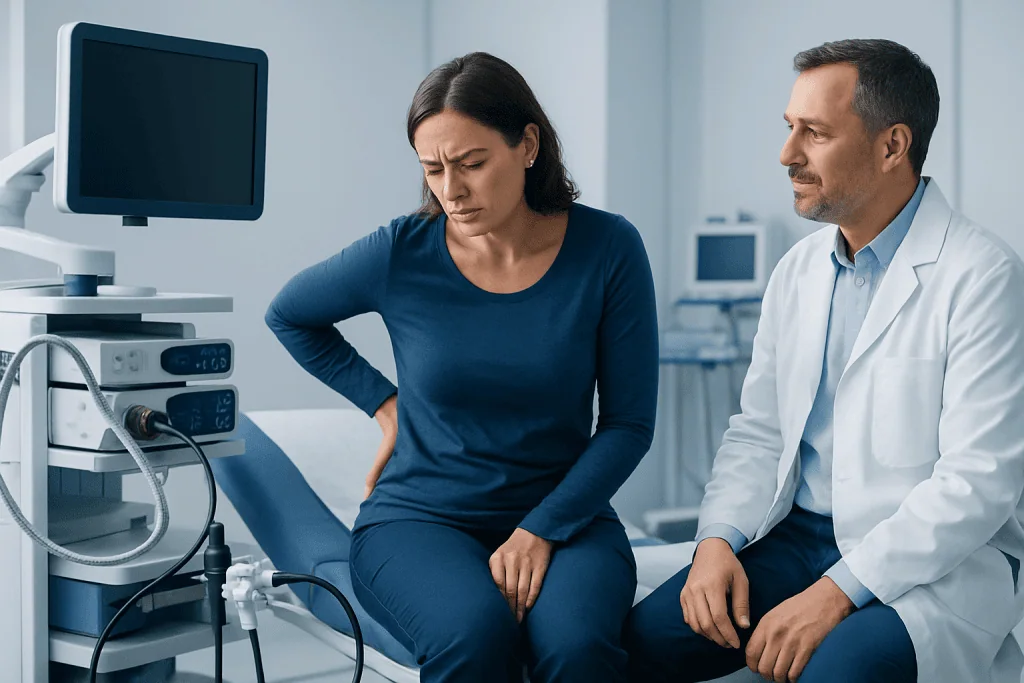
The symptoms of prolapsed hemorrhoids can vary from mild to quite bothersome. Many people first notice bright red blood on toilet paper, on the stool surface, or in the toilet bowl. Because the bleeding is usually from the lower rectum or anus, it often appears fresh and red rather than dark.
A prolapsed hemorrhoid may feel like a soft bulge or lump at the anus. It can cause moisture, mucus leakage, itching, or skin irritation around the area. Some people describe a sense of incomplete emptying after a bowel movement, even when the rectum is actually empty.
Pain is not always the main symptom of prolapsed internal hemorrhoids, but discomfort can occur, especially if the tissue becomes swollen, irritated, or trapped outside the anus. Severe pain may suggest a complication or another condition and should be assessed promptly.
- Bright red bleeding with bowel movements
- A bulge or tissue protruding from the anus
- Itching, irritation, or mucus discharge
- Discomfort with sitting or wiping
- A feeling of pressure or incomplete evacuation
Why prolapsed hemorrhoids happen
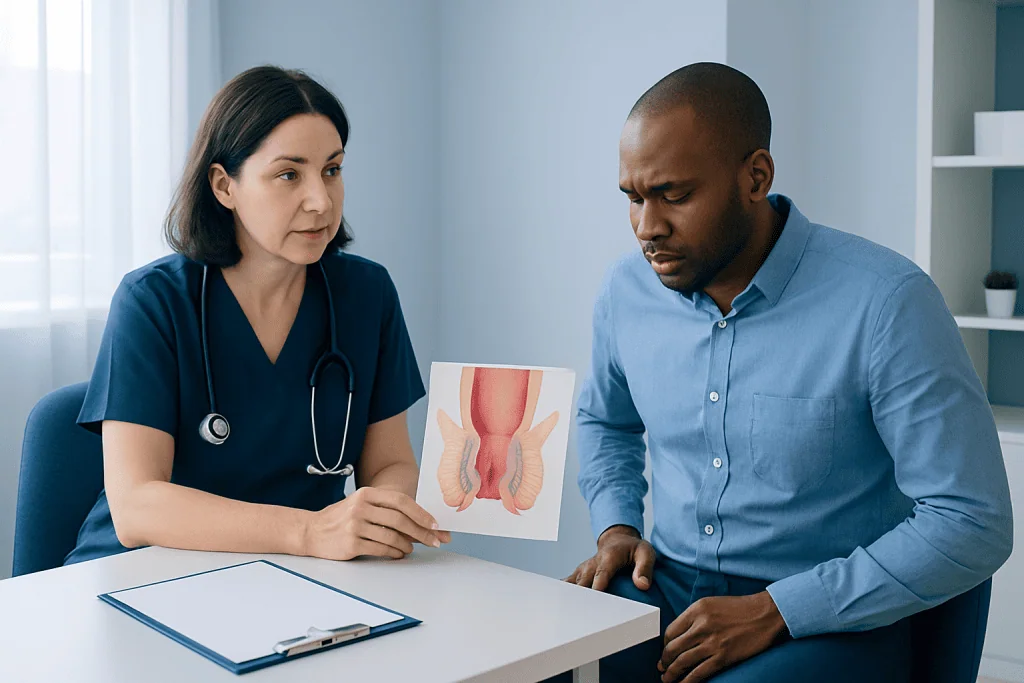
Hemorrhoids are normal vascular cushions in the anal canal, but they can enlarge when pressure repeatedly increases in the area. Over time, the supporting tissues may weaken, making internal hemorrhoids more likely to slide downward and prolapse.
Constipation is a major contributing factor because hard stools and straining increase pressure inside the rectum. Spending a long time on the toilet, chronic diarrhea, low fiber intake, and not drinking enough fluids may also worsen symptoms. Pregnancy can contribute due to increased abdominal pressure and hormonal changes, and symptoms may continue for some time after delivery.
Risk tends to increase with age as connective tissues naturally lose strength. Heavy lifting, prolonged sitting, obesity, and a family tendency toward hemorrhoidal disease may also play a role. In some cases, symptoms that seem like hemorrhoids may actually be due to anal fissures or other anorectal conditions, which is one reason medical evaluation matters.
How doctors diagnose prolapsed hemorrhoids
Diagnosis usually starts with a careful history. A clinician will ask about bleeding, bowel habits, constipation, pain, prolapse, medications, pregnancy history, and any family history of colorectal disease. These details help distinguish hemorrhoids from other causes of rectal symptoms.
The physical examination may include inspection of the anal area and a gentle digital rectal exam. An anoscope, a short lighted instrument used to view the lower rectum and anal canal, can help confirm internal hemorrhoids and assess the degree of prolapse. This examination is often brief and well tolerated.
Because rectal bleeding is not specific to hemorrhoids, additional testing may be recommended depending on age, symptoms, and risk factors. A doctor may suggest endoscopic evaluation if bleeding is persistent, if there are changes in bowel habits, unexplained anemia, weight loss, or concern for another digestive condition such as colon cancer. The goal is to make sure symptoms are correctly explained rather than simply assumed to be hemorrhoids.
Treatment options: from home care to procedures
Treatment depends on symptom severity, the degree of prolapse, and how much daily life is affected. For many people, the first step is reducing strain during bowel movements. Doctors commonly recommend increasing dietary fiber, drinking enough water, being physically active, and using stool-softening strategies when needed. Avoiding prolonged sitting on the toilet and responding to the urge to have a bowel movement without delay can also help.
Warm sitz baths, gentle cleansing, and short-term use of selected topical products may provide symptom relief, although these do not correct the underlying prolapse. If a hemorrhoid comes out during a bowel movement, some people can gently push it back inside after cleaning the area. Persistent bleeding, repeated prolapse, or significant irritation often means self-care alone is not enough.
Office-based procedures can be effective for internal hemorrhoids that continue to cause symptoms. Depending on the case, a specialist may recommend methods such as rubber band ligation or other minimally invasive approaches, often discussed as part of broader hemorrhoid treatment. For larger or more advanced prolapsed hemorrhoids, surgery may be the most appropriate option. This can include a conventional hemorrhoidectomy or selected stapled techniques in suitable patients. The best choice depends on the grade of hemorrhoid, pain expectations, recurrence risk, and the person’s overall health.
Prevention and self-care habits that help
Preventing recurrence usually focuses on making stools softer and bowel movements easier. A fiber-rich eating pattern with fruits, vegetables, legumes, and whole grains can reduce straining and improve stool consistency. If it is difficult to get enough fiber from food alone, a doctor may suggest a fiber supplement.
Hydration matters because fiber works best when fluids are adequate. Regular movement, even walking, may support bowel regularity. It is also helpful to limit long periods of sitting, especially on the toilet, where scrolling on a phone can make bathroom time longer than necessary.
Good anal hygiene can reduce irritation. The area can be cleaned gently with water or soft, unscented wipes, then patted dry. Strong soaps, vigorous rubbing, and frequent use of irritating products may worsen symptoms. If constipation remains a regular problem, it is wise to discuss this with a clinician rather than repeatedly relying on self-treatment.
When to seek medical care
Medical care is important for any new, persistent, or unexplained rectal bleeding. Although hemorrhoids are a common cause, bleeding can come from other conditions that need different treatment. Evaluation is especially important if bleeding is recurrent, mixed into the stool, or accompanied by changes in bowel habits.
Prompt assessment is also needed for severe pain, a lump that becomes hard or very tender, fever, drainage, significant swelling, or difficulty passing stool. These features may suggest thrombosis, infection, strangulated prolapse, or another anorectal disorder rather than uncomplicated hemorrhoids.
A person should also see a doctor if home measures do not improve symptoms, if the hemorrhoid remains outside and cannot be reduced, or if symptoms return often. Near the end of the care pathway, some patients may benefit from specialist evaluation in colorectal surgery or gastroenterology. Acibadem International’s multidisciplinary specialists in JCI-accredited hospitals diagnose and treat anorectal conditions for international patients, including advanced cases that may overlap with hemorrhoids and related digestive disorders.
Frequently asked questions
Can prolapsed hemorrhoids go away on their own?
Mild prolapsed hemorrhoids may improve when constipation and straining are addressed. Symptoms such as swelling or irritation can settle, but the tendency to prolapse may remain if the supporting tissue has weakened. Persistent or recurrent prolapse should be assessed by a doctor.
Are prolapsed hemorrhoids dangerous?
They are usually not dangerous, but they can be very uncomfortable and can affect daily life. The main concern is that rectal bleeding or a lump may have another cause, so an accurate diagnosis matters. Severe pain, heavy bleeding, or a trapped hemorrhoid needs prompt medical attention.
What is the difference between prolapsed and external hemorrhoids?
Prolapsed hemorrhoids start as internal hemorrhoids inside the rectum and then protrude through the anus. External hemorrhoids are located under the skin around the anus from the start. They can cause overlapping symptoms, but their location and treatment approach may differ.
Is surgery always needed for prolapsed hemorrhoids?
No. Many people improve with fiber, hydration, bowel habit changes, and office-based procedures. Surgery is usually considered when symptoms are severe, prolapse is advanced, or less invasive treatments have not worked well enough.
Can pregnancy cause prolapsed hemorrhoids?
Yes. Pregnancy increases pressure in the pelvis and can make constipation more likely, both of which can contribute to hemorrhoids and prolapse. Many cases improve after delivery, but persistent symptoms should still be discussed with a clinician.
Should bright red blood on toilet paper always be checked?
Yes, especially if it is new, recurrent, or accompanied by other symptoms. Hemorrhoids are a common cause, but bleeding can also come from fissures, inflammation, polyps, or other bowel conditions. A clinician can decide whether examination or further testing is needed.
References
- National Institute of Diabetes and Digestive and Kidney Diseases
- American Society of Colon and Rectal Surgeons
- Mayo Clinic
- National Health Service
- Cleveland Clinic
This article is for general information only and is not a substitute for professional medical advice. Please consult a qualified doctor about your individual situation.
Hemorrhoids in Turkey — costs, top hospitals & a free quote
JCI-accredited · board-certified surgeons · reply within 24h