How Long Does Hep B Vaccine Last? Causes, Explanations, and Next Steps

Most people who complete the hepatitis B vaccine series develop long-lasting protection. A low or undetectable antibody level does not always mean protection is gone.
Key Takeaways
- Most people who complete the hepatitis B vaccine series develop long-lasting protection.
- A low or undetectable antibody level does not always mean protection is gone.
- Routine boosters are not recommended for most healthy adults and children.
- People with kidney disease, weakened immunity, or ongoing exposure risk may need testing or additional doses.
- A doctor can assess vaccine history, exposure risk, and whether blood tests are useful.
Medically reviewed by the Acıbadem International Medical Board — July 24, 2026
For most people who complete the full hepatitis B vaccine series, protection lasts for decades and is often considered long-term, even if antibody levels fall over time. In many cases this is harmless, but certain people may need blood tests, repeat vaccination, or specialist advice depending on age, health status, or exposure risk.
Overview: how long protection usually lasts
For most people, the answer to how long does hep b vaccine last is reassuring: after a complete vaccine series, protection is usually long-lasting and often continues for decades. In healthy children and adults who responded well to vaccination, the immune system commonly retains a memory response even when measurable antibodies become very low over time.
This means that a blood test showing lower antibody levels years later does not automatically mean a person is unprotected. The body can often recognize the hepatitis B virus and respond quickly if exposure happens. Because of this, routine booster doses are not usually recommended for people with normal immune systems who completed the series properly.
Questions about duration often come up before travel, pregnancy, school or work requirements, surgery, or after seeing an old vaccination record. In many situations, there is no urgent problem. The next step is usually to review whether the full vaccine course was completed, whether the person belongs to a high-risk group, and whether testing would actually change care.
Why immunity can remain even when antibody levels fall
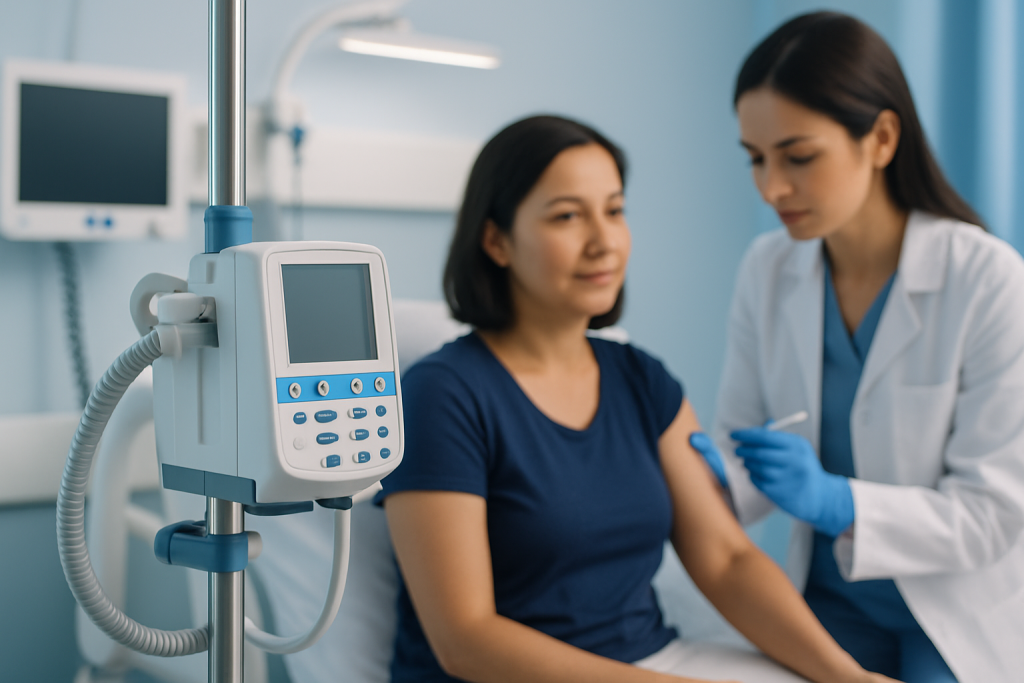
The hepatitis B vaccine works by teaching the immune system to recognize part of the virus. Soon after vaccination, many people develop protective antibodies that can be measured in a blood test called an anti-HBs test. Over the years, these antibody levels may decline naturally, which is expected and does not necessarily signal vaccine failure.
Long-term protection depends not only on circulating antibodies but also on immune memory. Memory B cells and other immune cells can help produce antibodies again if the body encounters hepatitis B in the future. This is one reason specialists do not rely only on a single number from a blood test when judging protection years after vaccination.
The timing of vaccination also matters. Some people were vaccinated in infancy, some during adolescence, and others as adults because of work, travel, pregnancy planning, or chronic medical conditions. Protection can remain strong across these groups, but the need for follow-up is more individualized in people with conditions that affect the immune system or with ongoing blood-borne exposure risk.
Who may need testing or a booster dose

Most healthy people do not need routine hepatitis B booster shots. However, some groups may need antibody testing after vaccination, periodic follow-up, or repeat doses if they did not develop enough protection the first time. This is most relevant when there is a higher chance of exposure or when the immune response may be weaker.
Examples include healthcare workers with blood exposure risk, people receiving dialysis, those with significant immune suppression, infants born to mothers with hepatitis B, and some people being evaluated after a needlestick injury or other recent exposure. In these settings, a doctor may recommend blood tests and may consider extra vaccine doses or other preventive steps.
People who never completed the vaccine series are a separate group. If the schedule was interrupted, the series often does not need to be restarted from the beginning, but it should usually be completed according to current guidance. A clinician can also help if records are incomplete or uncertain.
- Healthy adults and children who completed the series usually do not need routine boosters.
- Higher-risk groups may need antibody testing after vaccination.
- People with weakened immune systems may lose measurable protection sooner.
- Post-exposure situations may require urgent medical advice.
What can affect how long the hep B vaccine lasts
Several factors influence how durable vaccine protection is. The most important is whether the full recommended series was completed. People who received all doses at the right intervals are more likely to have a strong initial immune response and longer-lasting protection than those who missed doses or were vaccinated on an irregular schedule.
Age at vaccination can also play a role. Vaccination in infancy is highly effective, and long-term protection is well established. In adults, response rates are also generally high, but some people respond less strongly, especially older adults, people who smoke, those with obesity, and people with chronic illnesses that affect immune function.
Certain medical conditions may reduce vaccine response or shorten measurable immunity over time. These include advanced kidney disease, HIV infection, liver disease, cancer treatment, transplant-related immune suppression, and other causes of immune compromise. A person with known or suspected hepatitis B infection should not assume that past vaccination alone explains test results; proper evaluation is important.
How doctors assess protection and next steps
If someone is unsure about their hepatitis B protection, a doctor usually begins with history rather than immediate testing. They will ask about prior vaccination records, the number of doses received, whether there has been recent exposure to blood or body fluids, occupational risk, travel plans, pregnancy, and any illnesses or treatments that could affect immunity.
When testing is appropriate, the anti-HBs blood test can help show whether a protective antibody response is present. In some cases, doctors may also order hepatitis B surface antigen and core antibody tests to distinguish between vaccination, past infection, and current infection. This can be especially important if there are abnormal liver tests, possible exposure, or uncertainty about the person’s hepatitis B status.
If a person never responded adequately to vaccination, the doctor may recommend revaccination or an alternative schedule. If there has been a recent high-risk exposure, the response may need to be faster and more specific. Depending on the situation, care may include laboratory evaluation and preventive treatment planning, sometimes alongside check-up and laboratory tests or specialist assessment in infectious diseases or hepatology.
When to seek medical care
In many cases, wondering how long the vaccine lasts is not an emergency. It is often simply a question that comes up when records are reviewed or before a job, school, or travel requirement. Still, some situations deserve timely medical advice, especially if there may have been a recent exposure to hepatitis B.
A person should seek medical care promptly after a needlestick injury, unprotected sexual exposure with a potentially infected partner, contact with blood, or if an infant is born to a mother with hepatitis B. Urgent review is also important for people with significant immune suppression or dialysis dependence who are unsure of their protection status.
Medical evaluation is also sensible if symptoms suggest liver inflammation or infection. These may include jaundice, dark urine, unusual fatigue, nausea, abdominal discomfort, or unexplained abnormal liver tests. Doctors may then assess for hepatitis more broadly and decide whether imaging or further evaluation is needed.
Prevention, self-care, and staying up to date
The simplest way to maintain protection is to make sure the original vaccine series was completed and properly documented. People who are unsure can ask a clinic, employer, school, or previous physician for records. If records cannot be found, a doctor can advise whether repeat vaccination or blood testing is the better option based on risk and local guidance.
General prevention remains important even for vaccinated people, especially in higher-risk environments. Sensible precautions include avoiding contact with blood, using barrier protection during sex when appropriate, and following workplace safety procedures. People with known liver disease should also discuss vaccination and screening for other liver-related conditions with their doctor.
When broader assessment is needed, evaluation may include liver-focused care such as liver biopsy in selected cases of unexplained liver disease, though this is not part of routine vaccine follow-up. For international patients who need multidisciplinary review, Acibadem International’s specialists at JCI-accredited hospitals diagnose and treat hepatitis-related conditions and can help clarify vaccination, testing, and follow-up plans.
Frequently asked questions
Does the hepatitis B vaccine protect for life?
In many people, protection is very long-lasting and may persist for decades after the full vaccine series. While no vaccine is described as lifelong for every individual, most healthy people do not need booster doses once they have responded properly.
If my hepatitis B antibody level is low, am I no longer protected?
Not necessarily. Antibody levels can fall over time, but immune memory may still allow the body to respond quickly if exposed to hepatitis B. A doctor can decide whether the result matters based on medical history and exposure risk.
Do adults need a hepatitis B booster shot?
Most healthy adults who completed the vaccine series do not need routine boosters. Boosters or repeat doses may be considered in certain higher-risk groups, such as people on dialysis or some people with weakened immune systems.
What if I do not remember whether I completed the vaccine series?
This is a common situation and is usually manageable. A clinician may review available records, order testing in selected cases, or recommend completing or repeating vaccination depending on risk and local practice.
How does a doctor check whether the hepatitis B vaccine worked?
Doctors may use an anti-HBs blood test to see whether a protective antibody response developed. In some situations, they may also order other hepatitis B tests to rule out past or current infection and to guide next steps.
Who is more likely to need follow-up after hepatitis B vaccination?
People with kidney failure on dialysis, immune suppression, occupational blood exposure, or certain recent exposures may need closer follow-up. Newborns of mothers with hepatitis B also need a specific prevention and testing plan.
References
- Centers for Disease Control and Prevention
- World Health Organization
- Advisory Committee on Immunization Practices
- American Association for the Study of Liver Diseases
- European Centre for Disease Prevention and Control
This article is for general information only and is not a substitute for professional medical advice. Please consult a qualified doctor about your individual situation.
Explore treatments in Turkey — costs, top hospitals & a free quote
JCI-accredited · board-certified surgeons · reply within 24h