Ext Leg: A Complete Medical Overview

Ext leg is not a formal diagnosis; it commonly refers to leg symptoms affecting movement, comfort, or function. Common causes include muscle strain, tendon or ligament injury, arthritis, nerve irritation, circulation problems, and overuse.
Key Takeaways
- Ext leg is not a formal diagnosis; it commonly refers to leg symptoms affecting movement, comfort, or function.
- Common causes include muscle strain, tendon or ligament injury, arthritis, nerve irritation, circulation problems, and overuse.
- Warning signs such as sudden swelling, severe pain, deformity, weakness, fever, or shortness of breath need prompt medical attention.
- Diagnosis may include a physical exam, imaging, and sometimes blood flow or nerve tests.
- Treatment depends on the cause and may include rest, physical therapy, medication, bracing, or specialist care.
- Early assessment can help prevent prolonged pain, reduced mobility, and complications.
Medically reviewed by the Acıbadem International Medical Board — July 25, 2026
Ext leg is a broad, non-medical phrase often used to describe leg symptoms such as pain, weakness, swelling, numbness, or trouble extending and moving the leg normally. Because many different muscles, joints, nerves, and blood vessels can be involved, proper evaluation focuses on the exact symptom pattern and its cause.
What does ext leg mean?
Ext leg is not a standard medical term. In everyday use, it may refer to a leg problem that affects extension, straightening, walking, strength, or overall function. People may use it when they feel pain in the thigh, knee, calf, hip, or lower leg, or when the leg feels weak, swollen, stiff, numb, or unstable.
From a medical point of view, the meaning depends on the symptom behind the phrase. For one person, ext leg may describe difficulty straightening the knee after an injury. For another, it may mean leg pain during walking, a pulled muscle after exercise, or numbness caused by a pinched nerve in the lower back.
The leg is a complex system of bones, muscles, tendons, ligaments, nerves, and blood vessels. Problems can start in the leg itself or be referred from the spine, hips, or circulation. This is why evaluation usually begins with careful questions about where the symptom is felt, when it started, and what makes it better or worse.
Common symptoms linked with ext leg
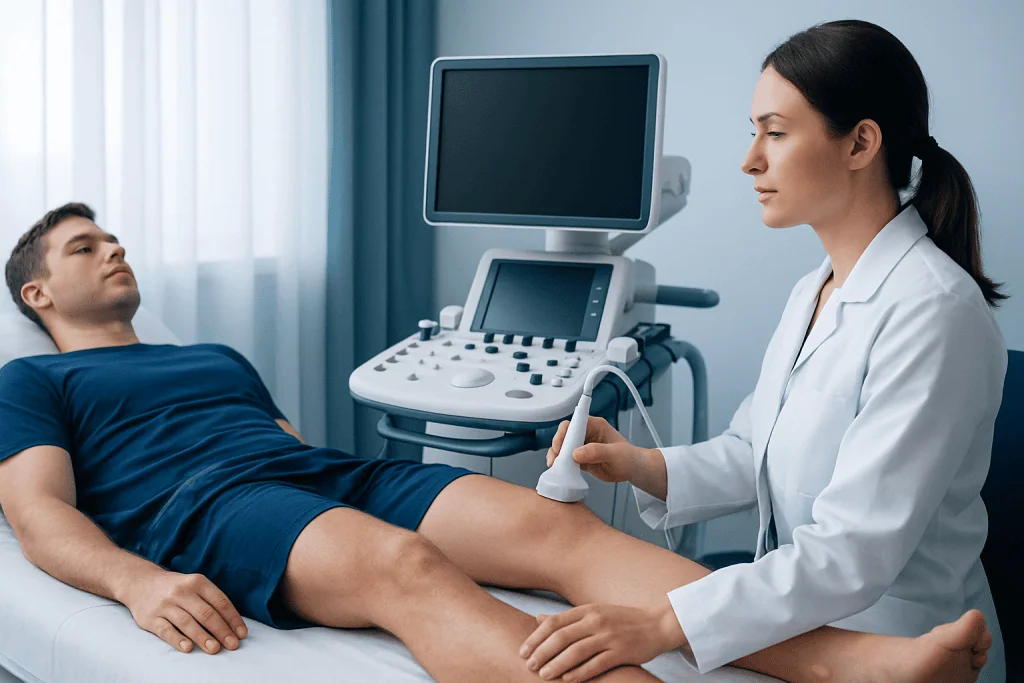
Symptoms can vary widely. Some people notice a dull ache after activity, while others develop sudden sharp pain, swelling, or difficulty bearing weight. The pattern often helps point toward the cause. For example, pain after exercise may suggest overuse, while numbness or burning may suggest nerve involvement.
Common symptoms may include:
- Pain in the hip, thigh, knee, shin, calf, or ankle
- Difficulty straightening or bending the leg
- Stiffness, especially in the morning or after rest
- Swelling, warmth, or redness
- Weakness, giving way, or instability
- Numbness, tingling, or burning sensations
- Cramping during walking or at night
- Reduced range of motion after injury
Some symptoms suggest a muscle or joint problem, while others may indicate nerve compression or reduced blood flow. Leg weakness that starts suddenly, severe calf swelling, or pain paired with chest symptoms should never be ignored.
Possible causes and risk factors

Many ext leg complaints are caused by strain or overuse. Muscles and tendons can become irritated after sports, a sudden change in activity level, repetitive stair climbing, or prolonged standing. Knee and hip conditions can also limit leg extension and make movement painful. In some cases, the source is the lower back rather than the leg itself, such as a lumbar herniated disc pressing on a nerve.
Injuries are another common cause. These include bruises, sprains, ligament tears, tendon injuries, and fractures. Around the knee, damage to cartilage or ligaments may cause swelling, locking, or instability. Degenerative conditions such as osteoarthritis may lead to chronic pain and stiffness, especially in older adults or people with previous joint injuries.
Circulatory and vascular conditions can also affect the leg. Poor circulation may cause heaviness, cramping, or fatigue with walking. A blood clot in a deep vein can cause sudden swelling, pain, and warmth and requires urgent care. Nerve-related conditions such as sciatica, peripheral neuropathy, or spinal stenosis may produce tingling, weakness, or shooting pain down the leg.
Risk factors depend on the cause but commonly include aging, obesity, repetitive sports, poor conditioning, previous injury, diabetes, smoking, long periods of sitting, and certain occupations that place ongoing stress on the legs. People with inflammatory disease, osteoporosis, or circulation problems may also be more likely to develop persistent leg symptoms.
How doctors diagnose leg symptoms
Diagnosis begins with a detailed medical history and physical examination. A doctor will usually ask when the problem started, whether there was an injury, exactly where the symptom is located, and whether it is linked to walking, exercise, posture, or rest. They may also ask about swelling, numbness, fever, recent travel, or any history of back pain and circulation problems.
The physical exam often includes checking joint movement, muscle strength, tenderness, swelling, reflexes, sensation, pulses, and walking pattern. This helps separate muscle and joint causes from nerve or vascular causes. For example, pain during knee extension may suggest local joint or tendon involvement, while weakness with numbness may point toward nerve compression.
Tests may be recommended when symptoms are severe, persistent, or unclear. Imaging such as X-rays can assess bone and joint problems, while MRI can show soft tissue, cartilage, ligaments, and spinal nerve issues. In selected cases, ultrasound may evaluate tendons or look for a deep vein clot, and blood flow studies may be used when circulation is a concern. Electromyography and nerve conduction studies can help assess nerve-related weakness or numbness.
Treatment options for ext leg problems
Treatment depends entirely on the cause. For mild overuse injuries, early care often includes temporary activity reduction, ice, elevation, and gradual return to movement. Pain relief may involve doctor-recommended anti-inflammatory or other medications, depending on a person’s health history. Supportive footwear, braces, or compression garments may also help in selected cases.
Physical therapy plays an important role in many leg conditions. Structured rehabilitation can improve flexibility, strength, balance, joint mechanics, and walking pattern. This is especially useful after sports injuries, knee pain, hip problems, or nerve-related symptoms. When symptoms arise from the spine, targeted rehabilitation may be combined with physical therapy and rehabilitation to restore function more safely.
If imaging shows a significant structural problem, further treatment may be needed. This can include injections, aspiration of excess joint fluid, or surgical care for fractures, major tendon tears, severe joint damage, or persistent mechanical symptoms. In knee-related conditions, a specialist may discuss knee replacement in advanced arthritis, or other procedures depending on age, function, and imaging findings.
When symptoms are linked to the spine, vascular disease, or nerve compression, treatment is directed at the underlying problem rather than the leg alone. Some people with severe back-related pain or weakness may need evaluation for spine surgery if non-surgical care does not help. In all cases, treatment should be individualized by a qualified clinician.
Self-care and prevention
Not every ext leg complaint can be prevented, but healthy habits can lower risk. Regular conditioning helps support the muscles around the hips, knees, and ankles. Warm-up before exercise, gradual progression in training, and recovery days can reduce overuse injuries. Good posture and lifting technique may also help prevent back-related leg symptoms.
Daily habits matter as well. Maintaining a healthy weight can reduce stress on the joints. Supportive shoes, especially during prolonged standing or sport, can improve alignment and comfort. People who sit for long periods may benefit from taking regular walking or stretching breaks to support circulation and reduce stiffness.
At home, mild symptoms may improve with short-term rest, ice, gentle movement, and avoiding activities that increase pain. However, prolonged complete rest is often not ideal, because it may worsen stiffness and weakness. Symptoms that last more than a few days, keep returning, or interfere with normal walking should be assessed by a doctor rather than managed indefinitely at home.
When to seek medical care
Medical assessment is recommended if leg symptoms are severe, persistent, recurrent, or clearly limiting walking, work, sleep, or daily activities. A doctor should also evaluate swelling, increasing pain, reduced range of motion, or weakness after an injury, even if the person is still able to walk.
Urgent medical care is important if there is sudden leg swelling, a visibly deformed limb, inability to bear weight, numbness after trauma, fever with a red and painful leg, or symptoms suggesting a blood clot such as one-sided calf swelling and warmth. Emergency care is needed for leg symptoms that occur with shortness of breath, chest pain, sudden paralysis, or loss of bladder or bowel control.
People with diabetes, vascular disease, osteoporosis, or a history of cancer may need earlier evaluation when new leg symptoms appear. Near the end of the care pathway, some patients may benefit from multidisciplinary assessment in centers that bring together orthopedics, neurology, vascular medicine, imaging, and rehabilitation. Acibadem International’s multidisciplinary specialists and JCI-accredited hospitals diagnose and treat leg-related conditions for international patients when more advanced evaluation is needed.
Frequently asked questions
Is ext leg a real medical diagnosis?
No. Ext leg is not a formal medical diagnosis. It is a general phrase that may refer to pain, weakness, stiffness, swelling, or difficulty moving or straightening the leg.
Can ext leg symptoms come from the back instead of the leg?
Yes. Nerves that travel into the leg begin in the lower back, so problems such as disc herniation or spinal narrowing can cause pain, tingling, numbness, or weakness in the leg. This is one reason why a full medical assessment is often needed.
How do I know if leg pain is serious?
Leg pain deserves prompt attention if it is severe, sudden, linked to swelling, follows a significant injury, or prevents walking. It is also important to seek urgent care for calf swelling with warmth, breathing symptoms, deformity, fever, or sudden weakness.
Will I need imaging for ext leg symptoms?
Not always. Many mild overuse problems can be diagnosed clinically, but X-rays, ultrasound, or MRI may be helpful if symptoms are severe, persistent, or suggest a fracture, tendon injury, joint damage, or nerve problem. The choice of test depends on the suspected cause.
What is the best treatment for ext leg problems?
There is no single best treatment because the cause can vary widely. Management may include rest, pain relief, physical therapy, braces, circulation treatment, or surgery in selected cases. A doctor can recommend the safest option based on the diagnosis.
Can I exercise with ext leg symptoms?
Sometimes, but it depends on the cause and severity. Gentle movement may help some conditions, while continuing high-impact or painful activity can worsen others. If pain is increasing, walking is limited, or weakness is present, medical advice is recommended before returning to exercise.
References
- American Academy of Orthopaedic Surgeons
- National Institute of Arthritis and Musculoskeletal and Skin Diseases
- Centers for Disease Control and Prevention
- National Institute of Neurological Disorders and Stroke
- Society for Vascular Surgery
This article is for general information only and is not a substitute for professional medical advice. Please consult a qualified doctor about your individual situation.
Explore treatments in Turkey — costs, top hospitals & a free quote
JCI-accredited · board-certified surgeons · reply within 24h