High Progesterone Symptoms: Common Causes, Related Conditions, and When to See a Doctor

High progesterone symptoms often overlap with normal premenstrual, early pregnancy, and medication-related changes. Common symptoms can include bloating, breast tenderness, fatigue, mood changes, headaches, and changes in menstrual bleeding.
Key Takeaways
- High progesterone symptoms often overlap with normal premenstrual, early pregnancy, and medication-related changes.
- Common symptoms can include bloating, breast tenderness, fatigue, mood changes, headaches, and changes in menstrual bleeding.
- Blood testing and clinical context are important because progesterone levels naturally rise and fall during the menstrual cycle.
- Treatment depends on the cause and may involve reviewing medications, monitoring hormone patterns, or assessing related reproductive and endocrine conditions.
- Medical advice is especially important for severe pain, unusual bleeding, a missed period with symptoms, or symptoms that persist or worsen.
Medically reviewed by the Acıbadem International Medical Board — July 25, 2026
High progesterone symptoms may include bloating, breast tenderness, fatigue, headaches, mood changes, and menstrual pattern changes, but symptoms alone cannot confirm that progesterone is truly elevated. A medical evaluation helps determine whether the cause is a normal body process, a medication effect, or an underlying hormone-related condition.
Overview: what high progesterone symptoms can mean
High progesterone symptoms usually refer to physical or emotional changes that may happen when progesterone levels are higher than expected for a person’s stage of the menstrual cycle, age, or treatment plan. Commonly reported symptoms include bloating, breast tenderness, tiredness, dizziness, headaches, mood changes, and changes in menstrual bleeding. These symptoms are not specific, which means they can also occur before a period, in early pregnancy, or with other hormone shifts.
Progesterone is a hormone made mainly by the ovaries after ovulation. It helps prepare the uterine lining for pregnancy and plays an important role in the menstrual cycle. During pregnancy, progesterone rises naturally and supports the developing pregnancy. Because of these normal fluctuations, a single symptom or even a single blood test may not tell the full story without timing and clinical context.
In everyday practice, symptoms linked to progesterone are often evaluated alongside estrogen levels, ovulation timing, medication use, and reproductive health history. This is why a careful assessment matters. The goal is not only to identify whether progesterone is elevated, but also to understand whether that elevation is expected, temporary, or part of a broader hormonal pattern.
Common symptoms associated with higher progesterone
People who have high progesterone symptoms may notice changes that feel similar to premenstrual symptoms, but stronger or longer lasting. Breast tenderness, abdominal bloating, fluid retention, constipation, fatigue, and sleepiness are commonly described. Some people also report headaches, lightheadedness, mild nausea, or a sense of feeling “off” during part of the cycle.
Mood-related symptoms can also occur. These may include irritability, low mood, anxiety, or trouble concentrating. Hormones affect many body systems, including the brain, so emotional symptoms can be part of a hormone shift. However, mood changes are complex and may also relate to stress, sleep, thyroid function, or other medical issues.
Menstrual changes are another possible clue. Some people notice spotting, a delayed period, or a period that feels different from their usual pattern. If progesterone is elevated because of pregnancy or hormonal medication, cycle timing may change in expected ways. If symptoms are recurrent or interfere with daily life, a doctor may look for conditions such as polycystic ovary syndrome or other causes of menstrual irregularity.
- Bloating or a feeling of fullness
- Breast swelling or tenderness
- Fatigue or drowsiness
- Headache or dizziness
- Mood changes, irritability, or anxiety
- Constipation or mild nausea
- Spotting or changes in cycle timing
Common causes and related conditions

One of the most important points is that progesterone can be high for normal reasons. After ovulation, progesterone rises during the luteal phase of the menstrual cycle. It also rises significantly in pregnancy. In these situations, symptoms may be noticeable but are not necessarily a sign of disease. For this reason, doctors often interpret progesterone levels based on where someone is in the cycle and whether pregnancy is possible.
Another common cause is medication. Progesterone supplements and some fertility treatments can raise hormone levels and produce symptoms such as bloating, breast tenderness, fatigue, and mood changes. This can happen with oral medications, injections, vaginal preparations, or treatment plans used in IVF and fertility care. People using hormonal therapies should discuss new or troublesome symptoms with their prescribing clinician rather than stopping treatment on their own.
Less commonly, high progesterone may be linked to ovarian cysts, adrenal hormone disorders, or rarely, hormone-producing tumors. Some people being evaluated for menstrual irregularities may also be assessed for endometriosis or other gynecologic conditions because symptoms can overlap. The presence of symptoms does not automatically mean progesterone is abnormally high, which is why evaluation focuses on the full pattern rather than on one complaint alone.
How doctors evaluate progesterone-related symptoms
Diagnosis begins with a detailed history. A doctor may ask about the timing of symptoms, the first day of the last menstrual period, cycle regularity, pregnancy possibility, medications, contraception, fertility treatment, and any history of ovarian, thyroid, or adrenal conditions. This timeline is especially important because progesterone naturally changes throughout the cycle.
Blood tests may be used to measure progesterone, often alongside other hormones such as estrogen, luteinizing hormone, follicle-stimulating hormone, prolactin, thyroid hormones, or pregnancy-related tests when needed. Timing matters: a progesterone level that is normal after ovulation may be considered high at another point in the cycle. Doctors may repeat testing or combine it with symptom tracking if the picture is unclear.
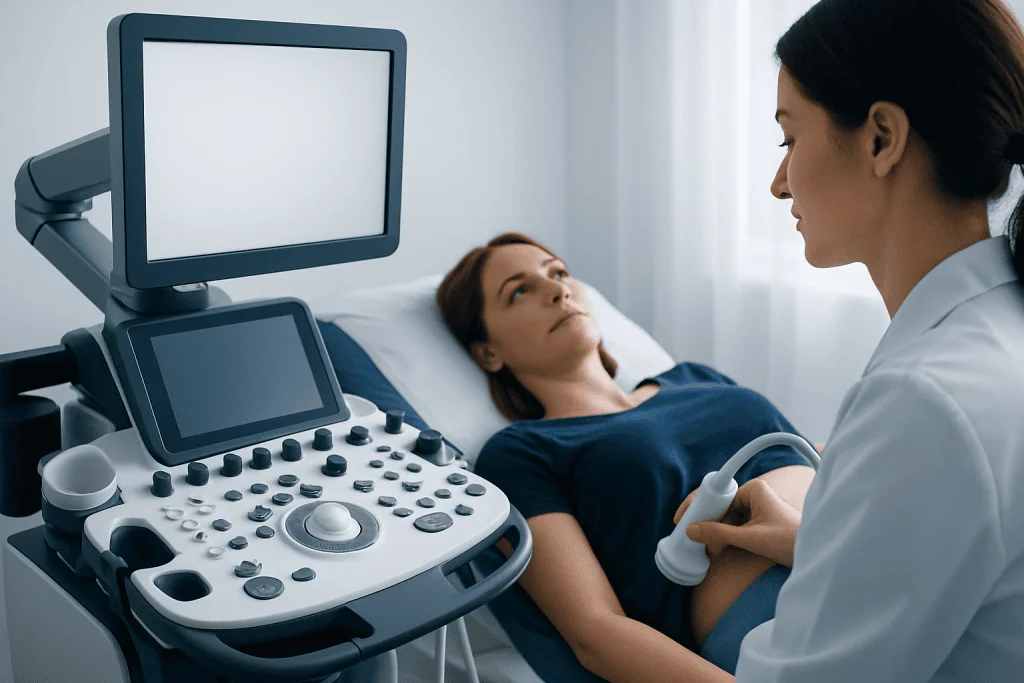
Imaging may be recommended when there are concerns about ovarian cysts, structural gynecologic issues, or persistent cycle abnormalities. A pelvic ultrasound is a common next step. Depending on symptoms, care may involve specialists in gynecology, endocrinology, or fertility medicine, and some patients may also undergo gynecologic evaluation and treatment to assess menstrual or pelvic concerns more closely.
Treatment options depend on the cause
There is no single treatment for high progesterone symptoms because management depends on why the hormone is elevated and how severe the symptoms are. If progesterone is rising in a normal part of the cycle or in pregnancy, treatment may not be needed. In those cases, care often focuses on reassurance, symptom monitoring, and supportive measures.
If symptoms are related to medication, the prescribing doctor may review the dose, timing, or formulation. A person should not stop prescribed hormone therapy without medical guidance, especially during fertility treatment or early pregnancy support. In some cases, adjusting a hormone plan may reduce symptoms while still meeting treatment goals.
When an underlying condition is suspected, treatment is directed at that condition. This may include managing ovarian cysts, investigating adrenal hormone imbalance, or addressing menstrual and reproductive disorders. Depending on the findings, doctors may recommend hormone-related treatment planning or follow-up with reproductive specialists. At Acibadem International, multidisciplinary specialists in JCI-accredited hospitals diagnose and treat hormone and reproductive conditions for international patients.
Self-care and tracking symptoms at home
Self-care does not replace diagnosis, but it can help people manage mild symptoms and give useful information to a doctor. Tracking symptoms in relation to the menstrual cycle is especially helpful. Recording bloating, breast tenderness, fatigue, headaches, spotting, and mood changes over several weeks can show whether symptoms occur after ovulation, around the time of a missed period, or after starting a medication.
General supportive measures may include staying hydrated, eating regular balanced meals, limiting excess salt if bloating is bothersome, and maintaining consistent sleep habits. Some people also benefit from gentle physical activity, which can improve energy, mood, and digestive comfort. These measures do not lower progesterone directly, but they may ease common symptoms.
It is also sensible to review all medications and supplements with a healthcare professional. Over-the-counter products, fertility medications, or compounded hormones may affect symptoms or test interpretation. If symptoms are frequent, disruptive, or confusing, a medical visit is more useful than repeated self-testing because hormone results need proper timing and interpretation.
When to seek medical care
Medical advice is appropriate when symptoms are new, persistent, unusually intense, or affecting everyday life. A doctor should also assess symptoms if there is a missed period, possible pregnancy, repeated irregular bleeding, or pelvic pain. These features do not always signal a serious problem, but they deserve proper evaluation.
Urgent care is important for severe lower abdominal pain, heavy bleeding, fainting, chest pain, shortness of breath, or symptoms that come on suddenly and feel severe. These are not typical signs of mild hormone fluctuation and may point to another condition that needs prompt attention.
People with a history of infertility treatment, ovarian cysts, endocrine disorders, or complex gynecologic symptoms should seek timely review if symptoms change. Early assessment can clarify whether the issue is a normal hormone shift, a treatment effect, or another condition needing care. A qualified doctor can decide whether testing, imaging, or specialist referral is the right next step.
Frequently asked questions
What are the most common high progesterone symptoms?
Commonly described symptoms include bloating, breast tenderness, fatigue, sleepiness, headaches, mood changes, and changes in menstrual timing. These symptoms are not unique to high progesterone, so they need to be interpreted together with cycle timing, pregnancy status, and any hormone treatment.
Can high progesterone be normal?
Yes. Progesterone normally rises after ovulation and increases further during pregnancy. In these situations, symptoms may be noticeable but do not necessarily indicate a health problem.
Can birth control or fertility treatment cause high progesterone symptoms?
Yes, hormonal medications and progesterone supplements can cause symptoms that feel similar to naturally higher progesterone levels. This is common in fertility care and some hormone treatment plans. A doctor can advise whether symptoms are expected or whether the treatment plan should be reviewed.
How is high progesterone diagnosed?
Diagnosis usually involves a medical history, symptom review, and blood tests timed to the menstrual cycle. Doctors may also order pregnancy testing or pelvic ultrasound depending on the situation. The timing of the test is very important because progesterone changes naturally across the cycle.
Does high progesterone mean pregnancy?
Not always. Progesterone rises in pregnancy, but it also rises normally after ovulation and may increase with certain medications. If pregnancy is possible, a pregnancy test is usually the most direct first step.
When should someone with possible high progesterone symptoms see a doctor?
A medical visit is a good idea if symptoms are persistent, worsening, or interfering with daily activities. Prompt medical attention is especially important for severe pelvic pain, heavy bleeding, fainting, or a missed period with concerning symptoms. These situations need professional assessment rather than self-diagnosis.
References
- American College of Obstetricians and Gynecologists
- Office on Women's Health
- National Institute for Health and Care Excellence
- Endocrine Society
- Mayo Clinic
This article is for general information only and is not a substitute for professional medical advice. Please consult a qualified doctor about your individual situation.
Explore treatments in Turkey — costs, top hospitals & a free quote
JCI-accredited · board-certified surgeons · reply within 24h