Levator Ani Syndrome: Early Signs, Risk Factors, and How It Is Treated

Levator ani syndrome usually causes a dull, aching pressure high in the rectum or pelvis that may come and go or last for longer periods. The condition is functional, meaning pain is real even when scans or routine tests do not show a structural disease.
Key Takeaways
- Levator ani syndrome usually causes a dull, aching pressure high in the rectum or pelvis that may come and go or last for longer periods.
- The condition is functional, meaning pain is real even when scans or routine tests do not show a structural disease.
- Diagnosis focuses on medical history, examination, and ruling out other causes such as hemorrhoids, fissures, infection, or inflammatory bowel disease.
- Pelvic floor physical therapy and biofeedback are common first-line treatments for reducing muscle tension and improving symptom control.
- People should seek medical care promptly for bleeding, fever, weight loss, severe new pain, or changes in bowel habits.
Medically reviewed by the Acıbadem International Medical Board — July 25, 2026
Levator ani syndrome is a type of chronic rectal or deep pelvic pain linked to tension or spasm in the pelvic floor muscles, especially the levator ani. It is usually diagnosed after other causes of pain are excluded, and treatment often includes pelvic floor therapy, symptom relief, and addressing contributing habits or conditions.
Overview
Levator ani syndrome is a chronic pain condition that affects the pelvic floor, a group of muscles that support the rectum, bladder, and reproductive organs. The pain is usually felt as a dull ache, pressure, or discomfort deep in the rectum or pelvis rather than on the skin around the anus. It may be brief and recurrent or last for hours, and it often becomes more noticeable when sitting.
The condition is thought to involve tension, spasm, or poor coordination in the levator ani muscle group. These muscles help control bowel movements and support normal pelvic function, so ongoing tightness can produce pain without an obvious injury. For many people, symptoms are frustrating because routine imaging or blood tests may be normal.
Levator ani syndrome belongs to a group of functional anorectal pain disorders. This means the symptoms are genuine, but they are related more to muscle function and pain signaling than to a visible structural problem. Because several other conditions can also cause rectal or pelvic pain, careful assessment is important before confirming the diagnosis.
Early Signs and Symptoms
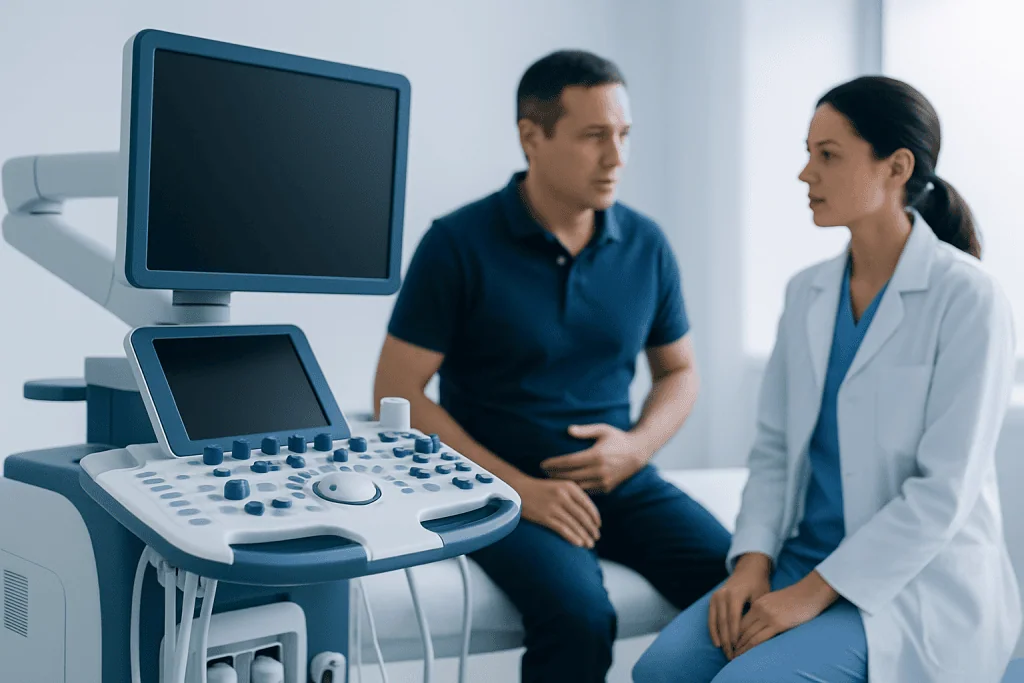
The most common symptom of levator ani syndrome is a dull, aching pain or sensation of pressure high in the rectum. Some people describe it as a feeling of sitting on a ball, a cramp inside the pelvis, or a heaviness that is difficult to pinpoint. Unlike sharp surface pain from a fissure or irritated hemorrhoid, this discomfort is usually deeper and may spread to the tailbone, buttocks, hips, or lower pelvis.
Early signs can be subtle. A person may first notice discomfort after long periods of sitting, during times of stress, or after a bowel movement. Pain can be constant or intermittent, and episodes may last from minutes to several hours. Symptoms often improve with standing, walking, lying down, or using warm baths, while prolonged sitting can make them worse.
Some people also have related pelvic floor symptoms such as a feeling of incomplete bowel emptying, constipation, straining, urinary urgency, or pain during sexual activity. These symptoms do not always mean another disease is present, but they can suggest that the pelvic floor muscles are not relaxing normally.
- Deep rectal or pelvic aching
- Pressure that worsens while sitting
- Pain after bowel movements or stress
- Discomfort spreading to the tailbone or buttocks
- Associated constipation or pelvic floor tension symptoms
Causes and Risk Factors

The exact cause of levator ani syndrome is not always clear, but many specialists believe it develops from chronic tightening or spasm of the pelvic floor muscles. This may happen after repeated straining with bowel movements, longstanding constipation, stress-related muscle tension, or habits that keep the pelvic floor in a guarded position. In some people, symptoms start without a clear trigger.
Risk factors may include sitting for long periods, pelvic floor overactivity, anxiety or high stress, prior pelvic or anorectal procedures, and other chronic pain conditions. Childbirth, pelvic injury, and problems with coordination of the pelvic floor can also play a role in some patients. Symptoms may overlap with other pelvic floor disorders, which is why evaluation should look at the whole pelvic region rather than only the anus or rectum.
Levator ani syndrome can sometimes coexist with disorders that affect bowel function, including irritable bowel syndrome, especially when constipation, bloating, or altered bowel habits are also present. It may also be considered alongside broader pelvic floor problems such as pelvic floor disorders, where muscles become too tight, weak, or poorly coordinated.
How It Is Diagnosed
There is no single test that confirms levator ani syndrome. Diagnosis is usually based on symptoms, physical examination, and the exclusion of other causes of anorectal or pelvic pain. A clinician will ask about the location of pain, what triggers it, how long episodes last, bowel habits, urinary symptoms, and any history of surgery, childbirth, trauma, or gastrointestinal disease.
The physical examination often includes a gentle rectal exam to assess for tenderness and muscle tension. In many people with levator ani syndrome, pressing on the levator muscles through the rectum reproduces the familiar pain. The doctor may also look for fissures, hemorrhoids, abscesses, prolapse, or signs of infection. Depending on age and symptoms, further testing may be recommended to rule out inflammatory bowel disease, colorectal conditions, gynecologic causes, or urologic problems.
When needed, the evaluation may include endoscopy, imaging, or pelvic floor testing. For example, a doctor might consider colonoscopy if there is bleeding, unexplained bowel changes, or a need to examine the large intestine more closely. In selected cases, anorectal manometry or specialized pelvic floor assessment can help show whether the muscles are relaxing and coordinating normally.
Treatment Options
Treatment for levator ani syndrome aims to reduce muscle spasm, improve pelvic floor relaxation, and control pain while daily function is restored. Pelvic floor physical therapy is often one of the most helpful approaches. This can include manual therapy, breathing and relaxation training, posture work, stretching, and exercises designed to teach the pelvic floor to release rather than tighten. Biofeedback may also be used to help the person recognize and change patterns of muscle tension.
Doctors may suggest supportive measures such as warm sitz baths, avoiding prolonged sitting, correcting constipation, and using pain-relief strategies tailored to the individual. In some cases, medications that relax muscles or calm nerve-related pain may be considered, although treatment should be individualized by a qualified clinician. If bowel dysfunction is contributing to strain, nutritional changes and guided bowel habit retraining may help.
When symptoms overlap with broader bowel or pelvic floor disorders, treatment may involve a team approach that includes gastroenterology, colorectal surgery, pelvic floor rehabilitation, gynecology, or urology. Depending on the findings, a patient may benefit from evaluation in gastroenterology or targeted pelvic floor rehabilitation. Acibadem International’s multidisciplinary specialists and JCI-accredited hospitals diagnose and treat pelvic floor and colorectal conditions for international patients when further assessment is needed.
Self-care and Prevention
Although levator ani syndrome is not always preventable, certain habits may reduce flare-ups and support recovery. The main goal is to avoid activities that increase pelvic floor tension. Sitting for very long periods, frequent straining during bowel movements, and chronic stress can all contribute to ongoing symptoms in some people.
Helpful self-care measures include using a footstool during bowel movements to improve posture, drinking enough fluids, eating fiber as tolerated, and treating constipation early so that less straining is needed. Gentle walking, diaphragmatic breathing, stretching, and regular breaks from sitting may reduce pressure in the pelvic area. Some people find that heat, such as a warm bath or heating pad used safely, brings short-term relief.
Prevention also means paying attention to the body’s tension patterns. Clenching the abdomen, buttocks, or pelvic floor throughout the day can maintain pain. A pelvic floor therapist can teach relaxation techniques, body mechanics, and toileting habits that support long-term symptom control.
- Limit prolonged sitting and take standing breaks
- Prevent constipation and avoid straining
- Practice slow breathing and pelvic relaxation
- Use warm baths or heat for symptom flares if advised
- Follow a guided pelvic floor therapy plan when recommended
When to Seek Medical Care
Rectal or pelvic pain should be assessed if it is persistent, keeps coming back, interferes with work or sleep, or is associated with bowel or urinary symptoms. Even when levator ani syndrome is a possibility, a doctor needs to rule out more common and sometimes more urgent causes of pain. This is especially important if the pain is new, severe, or progressively worsening.
Medical care is needed promptly if symptoms include rectal bleeding, fever, drainage, a new lump, unexplained weight loss, black stools, severe constipation, or a sudden change in bowel habits. Pain with significant abdominal swelling, vomiting, or inability to pass stool or gas also needs urgent attention. These features suggest another diagnosis may be present and should not be assumed to be muscle spasm alone.
People with a history of colorectal disease, inflammatory bowel conditions, cancer, pelvic surgery, or recent childbirth should also seek professional guidance if pelvic or rectal pain develops. Early evaluation can provide reassurance, identify treatable causes, and help begin the right therapy sooner.
Frequently asked questions
What does levator ani syndrome feel like?
It usually feels like a deep, dull ache or pressure in the rectum or pelvis rather than a sharp pain on the skin. Many people notice that it worsens while sitting and improves when standing, walking, or lying down.
Is levator ani syndrome dangerous?
Levator ani syndrome itself is not generally considered dangerous, but similar symptoms can happen with other conditions that need treatment. That is why a medical assessment is important, especially if there is bleeding, fever, weight loss, or a change in bowel habits.
How is levator ani syndrome different from hemorrhoids?
Hemorrhoids usually cause symptoms closer to the anal opening, such as itching, swelling, bleeding, or pain with bowel movements if thrombosed. Levator ani syndrome tends to cause a deeper pressure or ache inside the rectum or pelvis and is related more to muscle tension than swollen veins.
Can stress make levator ani syndrome worse?
Yes. Stress can increase unconscious muscle tightening throughout the body, including the pelvic floor. In some people, learning breathing techniques, relaxation skills, and pelvic floor therapy helps reduce this cycle.
What is the best treatment for levator ani syndrome?
Treatment is individualized, but pelvic floor physical therapy and biofeedback are often among the most effective options. Managing constipation, reducing straining, using heat, and addressing contributing bowel or pelvic conditions can also be important.
Does levator ani syndrome go away on its own?
Symptoms sometimes improve on their own, especially if a temporary trigger settles. However, recurring or persistent pain often benefits from evaluation and a structured treatment plan to prevent ongoing muscle tension and repeated flares.
References
- National Institute of Diabetes and Digestive and Kidney Diseases
- American Society of Colon and Rectal Surgeons
- National Institutes of Health
- Mayo Clinic
- Cleveland Clinic
This article is for general information only and is not a substitute for professional medical advice. Please consult a qualified doctor about your individual situation.
Explore treatments in Turkey — costs, top hospitals & a free quote
JCI-accredited · board-certified surgeons · reply within 24h