Urinary Tract Infection Stomach Cramps: Early Signs, Risk Factors, and How It Is Treated

A UTI can cause stomach or lower abdominal cramps, especially when the bladder is inflamed. Common UTI symptoms include burning with urination, frequent urges to urinate, and cloudy or strong-smelling urine.
Key Takeaways
- A UTI can cause stomach or lower abdominal cramps, especially when the bladder is inflamed.
- Common UTI symptoms include burning with urination, frequent urges to urinate, and cloudy or strong-smelling urine.
- Fever, flank pain, nausea, or vomiting may mean the infection has reached the kidneys and needs prompt medical care.
- Diagnosis usually involves a urine test and sometimes a urine culture.
- Treatment often includes antibiotics, fluids, and measures to relieve discomfort.
Urinary tract infection stomach cramps can occur, most often as lower abdominal or pelvic cramping caused by bladder irritation and inflammation. While mild cramping may happen with a simple UTI, severe pain, fever, vomiting, or back pain can suggest a more serious infection and should be assessed by a doctor.
Overview: Can a UTI Cause Stomach Cramps?
Yes. Urinary tract infection stomach cramps can happen because infection and inflammation in the urinary tract may irritate the bladder and nearby tissues. Many people describe this as pressure, cramping, heaviness, or discomfort in the lower abdomen rather than pain in the stomach itself.
A urinary tract infection, or UTI, is an infection anywhere in the urinary system, including the urethra, bladder, ureters, or kidneys. Most uncomplicated UTIs involve the lower urinary tract, especially the bladder. When the bladder lining becomes inflamed, it can trigger cramp-like sensations in the pelvic area or just above the pubic bone.
Not all abdominal discomfort is caused by a UTI, and not every UTI causes cramps. Still, when cramping appears together with burning urination, a frequent urge to urinate, or cloudy urine, a urinary infection becomes a likely possibility. Symptoms can overlap with other conditions, including interstitial cystitis, kidney stones, or some gynecologic and digestive problems.
How UTI-Related Cramps Usually Feel
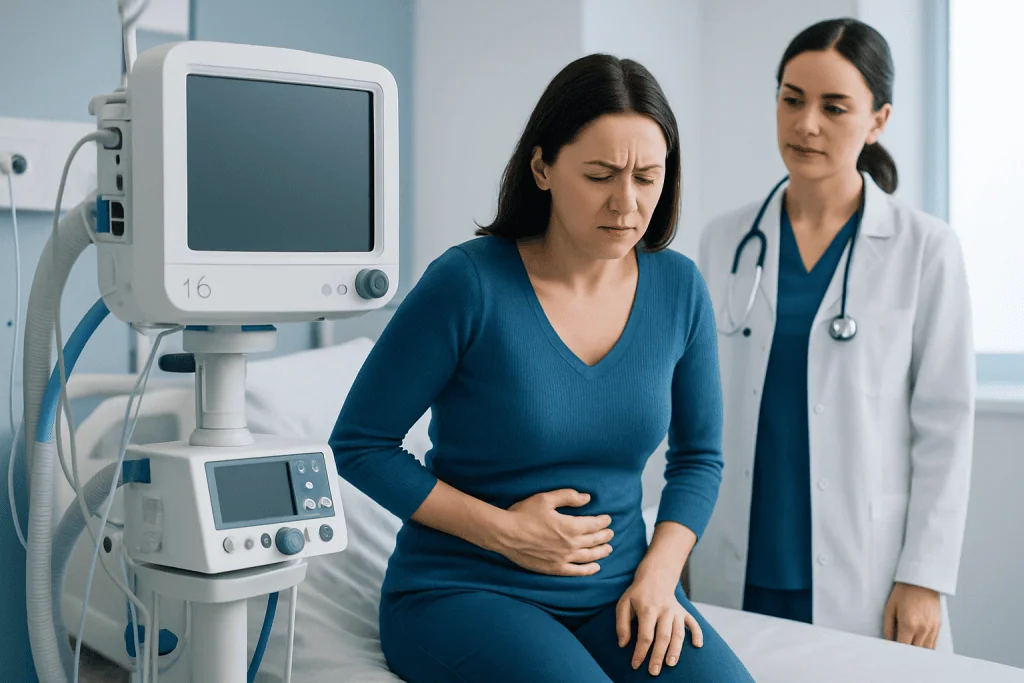
UTI-related cramps are often felt low in the abdomen or pelvis. The discomfort may come and go, feel like pressure, or worsen when the bladder fills. Some people notice that the cramping briefly improves after urination, while others feel irritation both before and after emptying the bladder.
This pain pattern differs from classic stomach cramps caused by food intolerance, bowel spasms, or gastroenteritis. A UTI is more likely when cramping is paired with urinary symptoms rather than diarrhea or generalized upper abdominal pain. The location matters: bladder-related pain is usually lower, while kidney infection may cause pain higher in the back or side.
The intensity can vary. Mild bladder infections may cause only a dull ache. More severe infection, significant bladder irritation, or spread toward the kidneys can cause stronger pain, nausea, and an overall feeling of being unwell. Persistent or worsening pain should always be evaluated rather than assumed to be a simple infection.
Other Symptoms That May Happen With a UTI

Urinary symptoms usually provide the most important clues. A person with urinary tract infection stomach cramps may also have burning during urination, frequent urination, or a sudden urgent need to urinate even when only a small amount comes out. Urine may look cloudy, appear pink or blood-tinged, or have a stronger odor than usual.
Bladder infections can also cause pelvic pressure and discomfort during daily activities. In older adults, symptoms may be less typical and can include fatigue or confusion, although these signs alone do not confirm a UTI. Children may have irritability, fever, poor feeding, or changes in toilet habits.
- Burning or stinging when urinating
- Frequent urges to urinate
- Passing small amounts of urine
- Lower abdominal or pelvic cramps
- Cloudy, dark, or strong-smelling urine
- Blood in the urine
- Fever or chills in more serious infections
- Back or side pain if the kidneys are involved
If symptoms move beyond the bladder, they may signal an upper urinary tract infection. Fever, chills, nausea, vomiting, and pain in the side or back are more concerning because they can suggest a kidney infection rather than a simple bladder infection.
Causes and Risk Factors
Most UTIs are caused by bacteria entering the urinary tract through the urethra and multiplying in the bladder. The most common source is bacteria that normally live in the bowel. Cramping develops as the infected bladder lining becomes inflamed and more sensitive.
Anyone can develop a UTI, but some people have a higher risk. Women are affected more often because the urethra is shorter, making it easier for bacteria to reach the bladder. Sexual activity, pregnancy, menopause, urinary catheter use, incomplete bladder emptying, and structural urinary tract problems can all increase risk.
Other factors include dehydration, kidney stones, an enlarged prostate, diabetes, immune system problems, and a history of recurrent infections. Some symptoms may overlap with kidney stones, which can also cause abdominal or pelvic pain and blood in the urine. In certain cases, doctors may use urology evaluation to look for an underlying urinary tract condition contributing to repeated infections.
Recurrent or complicated UTIs deserve closer assessment. This is especially true when infections keep returning, happen during pregnancy, occur in men, or are associated with fever, urinary retention, or known kidney disease.
How Doctors Diagnose the Cause of Cramps
Diagnosis begins with symptoms and a medical history. A doctor usually asks where the pain is felt, whether there is burning or urgency, how long symptoms have lasted, and whether there is fever, vaginal symptoms, bowel changes, or back pain. These details help distinguish a UTI from digestive, gynecologic, or kidney-related causes.
A urine test is the main first step. Urinalysis looks for white blood cells, nitrites, blood, and other signs of infection. A urine culture may be ordered to identify the bacteria and show which antibiotics are most likely to work. Cultures are especially useful in recurrent infections, pregnancy, severe symptoms, or cases that do not improve as expected.
Imaging is not needed for every uncomplicated UTI, but it may be considered if symptoms are severe, unusual, or recurrent. For example, when doctors suspect obstruction, stones, or another structural issue, they may recommend MRI or other imaging tests depending on the clinical situation. If symptoms suggest another diagnosis, evaluation may also include testing for sexually transmitted infections or pelvic conditions.
Treatment Options and Relief for Discomfort
Treatment depends on where the infection is, how severe it is, and whether the person has risk factors for complications. Most uncomplicated bladder infections are treated with antibiotics chosen according to local guidance, individual health factors, and sometimes urine culture results. Symptoms often begin to improve within a few days, but the full prescribed course should be completed unless a doctor advises otherwise.
Hydration can help support recovery, although fluids alone do not cure a bacterial UTI. Rest and simple pain-relief measures may ease lower abdominal cramping while treatment takes effect. A doctor may also advise additional symptom relief depending on the person’s age, medical history, and the severity of discomfort.
Kidney infections or complicated UTIs may require more urgent care, intravenous fluids, or hospital-based treatment. If recurrent infections are linked to a structural problem, stone, or difficulty emptying the bladder, treatment may focus on the underlying cause as well as the infection itself. In selected cases, kidney stone treatment or another targeted procedure may be part of care.
Near the end of the evaluation pathway, some patients need support from multiple specialists. Acibadem International’s multidisciplinary teams in JCI-accredited hospitals diagnose and treat urinary conditions for international patients when broader assessment or treatment planning is needed.
Self-Care, Prevention, and Everyday Habits
Self-care can reduce discomfort and may help lower the chance of future infections, though it does not replace medical treatment when an infection is present. Drinking enough water, urinating regularly, and not delaying bathroom visits can help flush the urinary tract. Many people also find it helpful to avoid products that irritate the genital area, such as strongly perfumed sprays or washes.
After using the toilet, wiping from front to back may lower the spread of bacteria from the anal area to the urethra. Urinating after sexual activity may also help some people. For those who have repeated infections, a doctor may review hydration, bowel habits, contraception methods, menopause-related changes, and underlying medical conditions.
It is important to be cautious with home remedies. Cranberry products are sometimes used for prevention, but they are not a substitute for antibiotics when a true UTI is present. Anyone with frequent infections, kidney disease, pregnancy, diabetes, or urinary tract abnormalities should ask a healthcare professional for individualized advice rather than self-treating repeatedly.
When to Seek Medical Care
Mild urinary symptoms and lower abdominal cramping should still be assessed if they do not improve quickly, are worsening, or are happening for the first time. Prompt medical review is particularly important in children, older adults, pregnant people, men, and anyone with a weakened immune system or known kidney problems.
Urgent care is needed if urinary tract infection stomach cramps are severe or come with fever, chills, nausea, vomiting, confusion, blood in the urine, inability to urinate, or pain in the back or side. These signs can point to a more serious infection, obstruction, or another condition that should not be managed at home.
Medical attention is also advisable when symptoms return soon after treatment, there are repeated UTIs over time, or the diagnosis is uncertain. A qualified doctor can confirm whether the cramps are truly related to a UTI and recommend the safest next steps.
Frequently asked questions
Can a UTI really cause stomach cramps?
Yes, a UTI can cause cramp-like pain, especially in the lower abdomen or pelvic area. This usually happens because the bladder becomes inflamed and irritated. The pain is often accompanied by urinary symptoms such as burning, urgency, or frequent urination.
Where is UTI pain usually felt?
Pain from a bladder infection is commonly felt low in the abdomen, around the pelvis, or just above the pubic bone. If the infection involves the kidneys, pain may be felt in the back, side, or flank. The location of pain helps doctors judge how serious the infection may be.
How can someone tell the difference between UTI cramps and digestive cramps?
UTI cramps are more likely when lower abdominal discomfort happens with burning urination, urgency, frequent urination, or cloudy urine. Digestive cramps more often come with bloating, diarrhea, constipation, or pain related to eating. Because symptoms can overlap, a urine test is often the clearest way to confirm a UTI.
Do UTI stomach cramps go away after starting antibiotics?
They often improve as the infection begins to clear, sometimes within a few days. However, the exact timeline varies depending on the severity of the infection and whether there is another underlying problem. If pain is getting worse or not improving, medical follow-up is important.
When are cramps from a UTI a sign of something more serious?
Cramping becomes more concerning when it is severe or comes with fever, chills, vomiting, flank pain, confusion, or trouble passing urine. These symptoms may suggest a kidney infection, obstruction, or another urgent condition. Prompt medical care is recommended in these situations.
Can a UTI go away without treatment?
Some very mild symptoms may improve, but a true bacterial UTI often needs medical evaluation and commonly requires antibiotics. Leaving an infection untreated can allow it to worsen or spread to the kidneys. It is safest to speak with a healthcare professional rather than relying on symptoms alone.
References
- National Institute of Diabetes and Digestive and Kidney Diseases
- Centers for Disease Control and Prevention
- Mayo Clinic
- National Health Service
- American Urological Association
This article is for general information only and is not a substitute for professional medical advice. Please consult a qualified doctor about your individual situation.
Urinary Tract Infection in Turkey — costs, top hospitals & a free quote
JCI-accredited · board-certified surgeons · reply within 24h