Radiation Poisoning — Explained by Medical Evidence, Not Myths

Radiation poisoning usually happens after a large, sudden exposure to ionizing radiation, not from routine imaging or normal background exposure. Early symptoms may include nausea, vomiting, fatigue, skin changes, and later effects on blood cells, the digestive tract, or the nervous system.
Key Takeaways
- Radiation poisoning usually happens after a large, sudden exposure to ionizing radiation, not from routine imaging or normal background exposure.
- Early symptoms may include nausea, vomiting, fatigue, skin changes, and later effects on blood cells, the digestive tract, or the nervous system.
- Doctors assess radiation poisoning using exposure history, physical examination, and repeated blood tests to estimate severity and guide treatment.
- Treatment focuses on decontamination, supportive care, infection prevention, fluid replacement, and managing damage to affected organs.
- Anyone with suspected high-dose radiation exposure or concerning symptoms after an incident should seek urgent medical care.
Radiation poisoning is a medical condition caused by exposure to a high dose of ionizing radiation, usually over a short period. It is uncommon, differs from everyday low-level radiation exposure, and needs professional assessment because symptoms and severity depend on the dose and which parts of the body were exposed.
Overview: what radiation poisoning really means
Radiation poisoning, also called acute radiation syndrome or radiation sickness, is illness caused by a high dose of ionizing radiation reaching the body within a short period. Ionizing radiation has enough energy to damage cells and DNA. This is very different from the small, controlled doses used in most medical imaging tests or the low background radiation people encounter in daily life.
The condition is uncommon and usually occurs in specific situations, such as industrial or laboratory accidents, serious nuclear incidents, or handling strong radioactive sources without proper protection. It does not usually develop from standard airport screening, living near routine medical equipment, or having a medically appropriate X-ray or CT scan.
How serious radiation poisoning becomes depends on several factors: the total dose, how quickly the dose was received, whether the whole body or only one area was exposed, and the person’s age and general health. Symptoms can start within minutes to days and may worsen over time as damaged cells in the blood, intestines, skin, and other organs begin to fail.
Symptoms and how they can develop over time
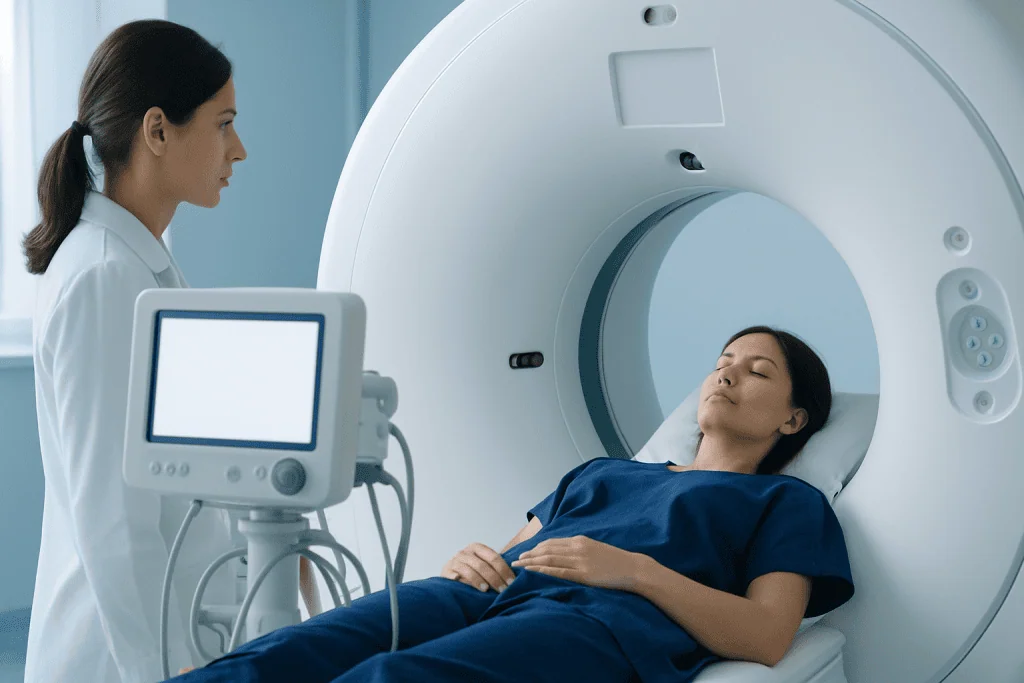
Symptoms of radiation poisoning vary widely. One of the earliest signs after a high-dose exposure is nausea or vomiting, sometimes within hours. Other early symptoms may include fatigue, weakness, headache, dizziness, loss of appetite, diarrhea, and skin redness or burning in exposed areas. Not everyone has all of these symptoms, and the timing can help doctors estimate the level of exposure.
After the first phase, a person may appear to improve for a short time. This does not always mean recovery. A so-called latent period can be followed by more serious problems as radiation injury affects tissues that renew themselves quickly, especially bone marrow and the lining of the digestive tract.
Later symptoms can include fever, easy bruising or bleeding, mouth sores, worsening diarrhea, dehydration, hair loss, and infections due to falling white blood cell counts. Very high exposures may also affect the brain and nervous system, causing confusion, severe weakness, low blood pressure, or loss of consciousness.
- Early possible symptoms: nausea, vomiting, fatigue, headache, skin redness
- Intermediate effects: diarrhea, loss of appetite, temporary symptom-free period
- Later effects: infections, bleeding, dehydration, hair loss, organ damage
Causes, exposure types, and common myths

Radiation poisoning is caused by significant exposure to ionizing radiation. Sources can include radioactive materials, medical or industrial radiation equipment used improperly, or environmental contamination after a major incident. In some cases, people may be exposed externally, meaning radiation comes from a source outside the body. In other cases, radioactive material can be inhaled, swallowed, or enter through a wound, leading to internal contamination.
A common misconception is that any radiation exposure causes poisoning. In reality, the body is regularly exposed to very low levels of background radiation from nature. Standard medical imaging is carefully controlled, and the benefits usually outweigh the small risks when a test is clinically needed. Radiation poisoning generally requires a much higher dose than these everyday exposures.
Another myth is that anyone exposed to radiation becomes dangerous to others. External radiation exposure alone does not make a person radioactive. However, someone who has radioactive dust or particles on the skin, clothing, or inside the body may contaminate nearby surfaces or people until proper decontamination is performed. Doctors may also consider related tissue injuries such as cancer risks over the long term, but those are separate from acute radiation poisoning.
How doctors diagnose radiation poisoning
Diagnosis begins with understanding what happened. Doctors ask where and when the exposure occurred, how long it lasted, whether symptoms started quickly, and whether there may have been contact with radioactive materials. Emergency teams may work with radiation safety specialists and public health authorities to estimate the dose and identify contamination.
Physical examination looks for skin burns, signs of dehydration, fever, low blood pressure, confusion, or injuries from an explosion or accident. Blood tests are especially important. Repeated complete blood counts over time help doctors see whether white blood cells, platelets, and other cell lines are falling, which can indicate damage to the bone marrow. Imaging and other tests may be used to assess complications affecting the lungs, digestive system, or other organs.
In some situations, specialized devices can detect radioactive contamination on the skin or clothing. If internal contamination is suspected, urine or stool testing and radiation measurements may be used. Because symptoms can overlap with heat illness, infection, chemical exposure, or trauma, careful diagnosis is essential. When radiation exposure is part of cancer care, evaluation may overlap with services such as radiation therapy planning and safety expertise, but radiation poisoning itself requires a distinct emergency-focused assessment.
Treatment options and supportive care
Treatment depends on the type and severity of exposure. The first priorities are safety, stopping further exposure, and decontamination when needed. Contaminated clothing is removed carefully, and the skin is washed with gentle soap and water. This can significantly reduce ongoing exposure from radioactive particles on the body surface.
Hospital treatment usually focuses on supportive care. Patients may need intravenous fluids, medications for pain or nausea, treatment for skin injury, and close monitoring of blood counts and organ function. If bone marrow suppression develops, doctors may use medicines that stimulate blood cell production, blood product transfusions, and infection prevention or treatment. Severe cases can require intensive care support.
Some exposures involve specific radioactive substances that can be reduced or blocked with targeted medicines, depending on the isotope involved. Burns, wounds, and damaged tissues may also need specialist treatment, sometimes with input from surgeons, intensive care teams, hematologists, and infection specialists. For selected patients with major blood-forming tissue damage, advanced options may be considered in highly specialized centers. In broader oncology and complex care settings, related services such as bone marrow transplantation and chemotherapy support can be part of multidisciplinary expertise, though they are not routine treatment for every case of radiation poisoning.
Prevention, self-care, and what not to do
Prevention depends on the setting. In workplaces that use radiation, strict safety rules, shielding, monitoring devices, time limits, and training are essential. In healthcare, radiation is used under carefully controlled conditions to keep exposure as low as reasonably achievable while still obtaining the needed diagnostic or treatment benefit.
If a person thinks they may have been exposed during an accident or public emergency, they should follow instructions from emergency authorities. General first steps may include leaving the affected area if it is safe to do so, removing outer clothing, sealing it away from others, showering if instructed, and avoiding eating or drinking potentially contaminated food or water. These measures are not a substitute for medical assessment, but they may reduce further contamination.
People should not rely on unproven remedies, internet myths, or household products to treat suspected radiation poisoning. Taking medicines such as iodine without official guidance can be harmful or simply not useful if the radioactive material involved is different. Reliable information from emergency services, poison centers, and qualified doctors is the safest path.
When to seek medical care
Urgent medical care is needed after any known or strongly suspected high-dose radiation exposure, especially after an industrial accident, laboratory incident, or nuclear emergency. Symptoms such as repeated vomiting, severe weakness, confusion, diarrhea, fever, skin burns, fainting, or bleeding should be treated as warning signs. Even if symptoms seem mild at first, evaluation is important because some serious effects appear later.
Anyone who may have been contaminated with radioactive material should seek professional guidance promptly rather than trying to manage the situation alone. Emergency teams can help reduce contamination safely and decide whether hospital monitoring is necessary. People who are pregnant, immunocompromised, very young, or older may need especially careful assessment.
After emergency stabilization, follow-up may continue for weeks or longer to monitor blood counts, skin healing, infection risk, and possible long-term effects. For international patients needing coordinated evaluation and treatment, Acibadem International’s multidisciplinary specialists and JCI-accredited hospitals provide care for complex radiation-related conditions and associated illnesses, including leukemia when blood disorders are a concern.
Frequently asked questions
Is radiation poisoning the same as being exposed to any radiation?
No. Radiation poisoning usually refers to illness after a high dose of ionizing radiation over a short time. Everyday background radiation and medically appropriate imaging tests are generally far below the levels that cause acute radiation poisoning.
How quickly do symptoms of radiation poisoning appear?
Symptoms can start within minutes, hours, or days, depending on the dose and type of exposure. Early nausea and vomiting may occur after higher doses, but some people have a symptom-free period before more serious problems develop.
Can a person with radiation poisoning spread it to others?
External radiation exposure alone does not make someone radioactive. However, if radioactive material is on the skin, clothing, or inside the body, contamination can sometimes spread until proper decontamination is done.
Can medical scans cause radiation poisoning?
Routine diagnostic tests such as X-rays and CT scans do not usually cause radiation poisoning when used appropriately. These tests use controlled doses, and healthcare teams weigh the benefits and risks before recommending them.
What is the first treatment for suspected radiation poisoning?
The first steps are to stop further exposure, assess for contamination, and get urgent medical help. Removing contaminated clothing and washing exposed skin may reduce radiation particles on the body, but professional evaluation is still necessary.
Can radiation poisoning be cured?
Recovery depends on how much radiation was absorbed, how quickly treatment begins, and which organs were affected. Mild cases may improve with supportive care, while severe cases can be life-threatening and require intensive treatment.
References
- World Health Organization
- Centers for Disease Control and Prevention
- International Atomic Energy Agency
- Merck Manual Professional Edition
- National Cancer Institute
This article is for general information only and is not a substitute for professional medical advice. Please consult a qualified doctor about your individual situation.
Explore treatments in Turkey — costs, top hospitals & a free quote
JCI-accredited · board-certified surgeons · reply within 24h
Check your numbers in seconds
BMI, calories, due date, blood pressure and 30+ more clinical calculators — free, instant, doctor-reviewed ranges.