Understanding Pigmentosum Xeroderma Syndrome: A Complete Patient Guide

Pigmentosum xeroderma syndrome is a genetic DNA repair disorder that causes extreme sensitivity to ultraviolet light. Symptoms often begin in childhood with severe sunburn, freckles in sun-exposed areas, dry skin, and eye irritation.
Key Takeaways
- Pigmentosum xeroderma syndrome is a genetic DNA repair disorder that causes extreme sensitivity to ultraviolet light.
- Symptoms often begin in childhood with severe sunburn, freckles in sun-exposed areas, dry skin, and eye irritation.
- Strict UV protection and lifelong skin and eye monitoring can reduce complications and support quality of life.
- Diagnosis is based on medical history, examination, and sometimes genetic testing or specialized laboratory testing.
- Treatment focuses on prevention, early detection of cancers, and management by dermatology, ophthalmology, and other specialists.
Pigmentosum xeroderma syndrome, more commonly called xeroderma pigmentosum, is a rare inherited condition in which the body cannot properly repair DNA damage caused by ultraviolet light. As a result, even small amounts of sun exposure can lead to severe skin and eye damage, early aging changes, and a much higher risk of skin cancer, making lifelong protection and regular specialist care essential.
Overview: What pigmentosum xeroderma syndrome means
Pigmentosum xeroderma syndrome refers to xeroderma pigmentosum, a rare inherited disorder in which the body has trouble repairing damage to DNA after exposure to ultraviolet (UV) light. UV light comes mainly from sunlight, but it can also come from some indoor light sources. Because the skin and eyes cannot correct this damage effectively, they become unusually vulnerable over time.
This condition is usually inherited in an autosomal recessive pattern, meaning a child typically receives one altered gene from each parent. People with the condition can develop changes very early in life, sometimes after only brief time in the sun. The effects are not limited to sunburn; repeated UV damage can lead to abnormal pigmentation, premature skin aging, and skin cancers at a much younger age than expected.
Some people also develop problems affecting the eyes, such as light sensitivity and surface damage, and a smaller group may have neurological features, including hearing loss, balance problems, or developmental changes. Although there is no cure for the underlying genetic defect, careful protection, regular follow-up, and early treatment of complications can make a meaningful difference.
How the condition affects the body
The core problem in pigmentosum xeroderma syndrome is a fault in one of the genes involved in DNA repair. In healthy cells, DNA damage caused by UV light is identified and corrected. In xeroderma pigmentosum, this repair pathway does not work properly, so the damage accumulates. Over time, that buildup can trigger cell death, visible skin injury, and cancerous changes.
This helps explain why the condition can affect more than appearance. The skin may become dry, thin, darkened, or unevenly pigmented. The eyes, which are also exposed to light, may develop chronic irritation and damage to the eyelids, conjunctiva, or cornea. In some genetic subtypes, the nervous system can also be involved, leading to symptoms that are unrelated to sun exposure.
Families often benefit from understanding that this is not caused by poor skin care or a weak immune system. It is a lifelong genetic condition that requires practical daily adjustments and coordinated specialist support. In some cases, doctors may also evaluate for related concerns such as skin cancer when suspicious lesions are found.
Symptoms and early warning signs
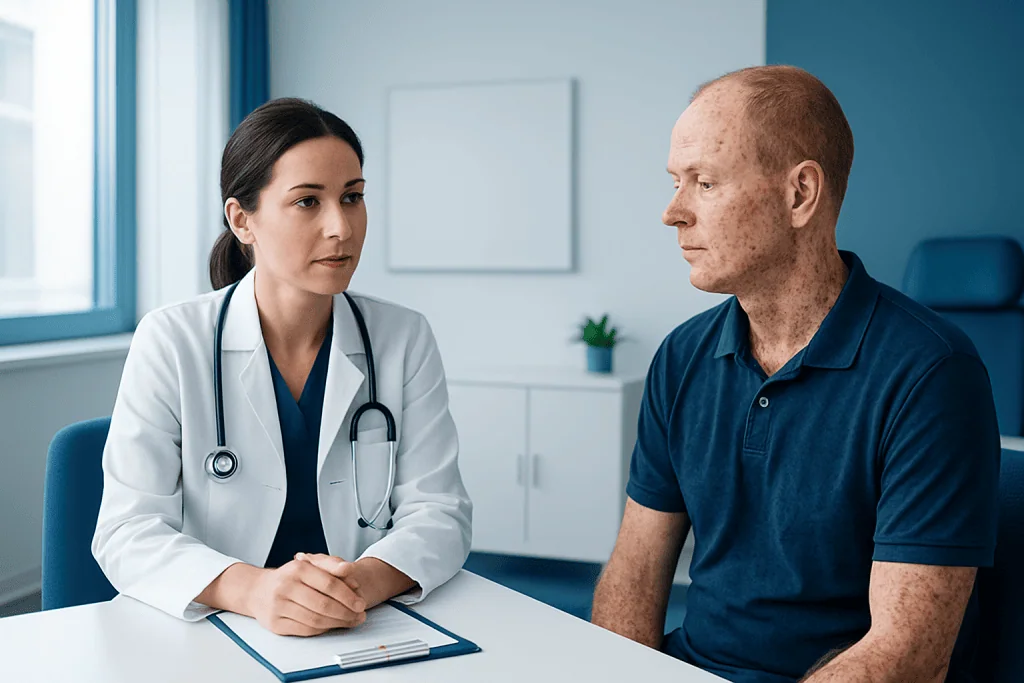
Symptoms can vary widely, even within the same family. Many children show signs in infancy or early childhood. One of the earliest clues is severe sunburn after minimal sun exposure, sometimes with redness that lasts much longer than expected. Other children do not burn dramatically but still develop freckling and skin changes at a very young age.
Common skin and eye symptoms may include:
- Freckles appearing before age two in sun-exposed areas
- Dry or rough skin
- Dark or light patches of pigmentation
- Thinning of the skin or early aging changes
- Eyes that are painful, red, watery, or very sensitive to light
- Crusting or scaling spots that do not heal normally
Over time, repeated UV injury can lead to precancerous lesions and skin cancers on the face, scalp, lips, ears, and other exposed areas. Eye complications may include chronic conjunctivitis, corneal irritation, and eyelid changes. Some people may also have hearing changes, coordination difficulties, or cognitive decline, depending on the genetic subtype.
Because the signs can begin subtly, families sometimes first notice that a child avoids sunlight, squints outdoors, or develops unusual freckles compared with siblings. Early recognition matters because prompt sun protection and specialist follow-up can reduce avoidable damage.
Causes, inheritance, and risk factors
Pigmentosum xeroderma syndrome is caused by inherited changes in genes responsible for repairing UV-related DNA damage. Several genes can be involved, and the condition includes multiple subtypes. Most follow an autosomal recessive inheritance pattern, which means both parents are usually healthy carriers and have no symptoms themselves.
When both parents carry a disease-causing variant in the same gene, each pregnancy has a chance of resulting in an affected child. Genetic counseling can help families understand inheritance patterns, testing options, and what the diagnosis may mean for siblings or future pregnancies. This can be especially helpful in families with a known history of the disorder.
The main environmental risk factor for complications is UV exposure. This includes direct sunlight, reflected sunlight, and certain artificial sources of UV radiation. The underlying genetic condition cannot be changed, but reducing UV exposure can lower the risk of cumulative damage. Risk of skin cancer is further influenced by how early the condition is recognized and how consistently protection measures are used.
Doctors may also consider whether a patient has features that overlap with other inherited sun-sensitivity disorders. A careful assessment helps distinguish pigmentosum xeroderma syndrome from other rare conditions and guides screening for skin, eye, and neurological complications.
How doctors diagnose it
Diagnosis begins with a detailed history and physical examination. A doctor will ask about unusual sun sensitivity, early freckling, persistent eye symptoms, slow-healing lesions, and any family history of similar problems. The pattern of symptoms, especially when they begin in early childhood, can strongly suggest the diagnosis.
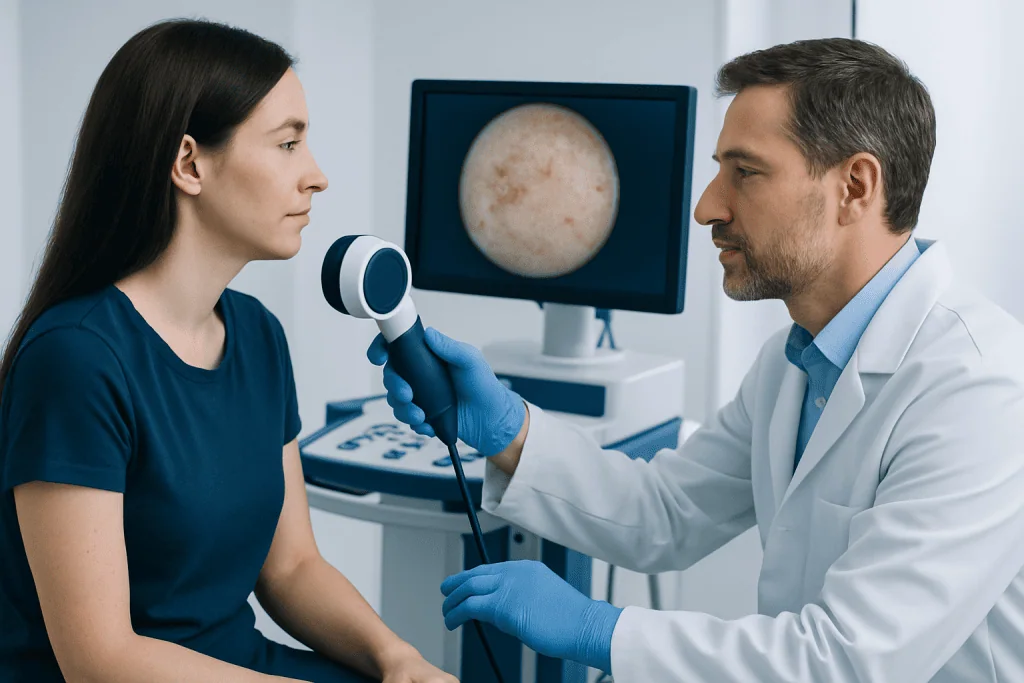
Specialist evaluation often includes a full skin examination by a dermatologist and an eye examination by an ophthalmologist. If there are concerns about hearing, development, or coordination, neurological and audiology assessments may also be recommended. Suspicious skin lesions may need a biopsy to determine whether they are precancerous or cancerous.
Genetic testing can help confirm the diagnosis and identify the specific subtype. In some centers, specialized laboratory testing may assess the way cells respond to UV damage. These tests can support diagnosis, inform family counseling, and help doctors plan long-term monitoring. When evaluating suspicious growths, patients may also need dermatology care and, in selected cases, genetic testing.
Treatment and long-term management
There is no cure that reverses the genetic DNA repair problem, so treatment focuses on preventing UV injury, finding complications early, and managing them promptly. This usually involves a long-term care plan shared by dermatologists, ophthalmologists, pediatricians or internists, and sometimes neurologists, geneticists, and surgeons.
Daily UV protection is the foundation of care. This may include protective clothing, wide-brimmed hats, UV-blocking sunglasses, shade strategies, window films, and broad-spectrum sunscreen used exactly as recommended by a doctor. Indoor environments may also need assessment for UV-emitting light sources. Families often benefit from practical coaching on how to build routines for school, work, and travel.
Skin lesions that look suspicious may be removed or treated early to reduce the risk of progression. Ongoing follow-up can include regular skin mapping, biopsy of changing lesions, and treatment for precancerous spots. Depending on findings, management may involve skin cancer treatment or minor procedures performed by specialists.
Eye care is equally important. Lubricating treatments, management of eyelid changes, and monitoring for surface damage may be needed. People with neurological involvement may require hearing support, rehabilitation, or developmental services. Near the end of the care pathway, some international patients choose centers such as Acibadem International, where multidisciplinary specialists in JCI-accredited hospitals evaluate and treat complex inherited conditions with coordinated dermatology, ophthalmology, and supportive care.
Prevention, self-care, and daily living
Although the genetic condition itself cannot be prevented after birth, many complications can be reduced by limiting UV exposure as much as possible. Families often do best when they think of protection as a daily lifestyle rather than a seasonal habit. Consistency matters because repeated small exposures can still contribute to cumulative damage.
Helpful self-care measures may include:
- Planning outdoor activities for times with lower UV intensity
- Using sun-protective clothing, hats, gloves, and sunglasses
- Applying sunscreen to exposed skin as advised by a clinician
- Checking the skin regularly for new, changing, bleeding, or non-healing spots
- Keeping routine dermatology and eye appointments
- Discussing vitamin D needs with a doctor, since strict sun avoidance may affect levels
Emotional and social support also matters. Children may need help navigating school activities, and adults may need workplace adjustments. A written protection plan can make everyday decisions easier for families, teachers, and caregivers. Support groups and genetic counseling can help people feel more informed and less isolated.
Because lifelong monitoring is needed, keeping records of biopsies, skin photographs, and specialist recommendations can be useful. This helps new doctors understand the patient’s baseline and recognize changes earlier.
When to seek medical care
Medical attention should be sought promptly if a child or adult has unusually severe sunburn after brief exposure, very early freckling on the face or other sun-exposed skin, persistent eye discomfort in light, or sores that do not heal normally. These features do not always mean pigmentosum xeroderma syndrome, but they deserve proper evaluation.
People already diagnosed with the condition should contact their doctor if they notice a new skin growth, a spot that changes color or shape, bleeding, crusting, pain, worsening light sensitivity, vision changes, or signs of infection. Early review can help identify lesions before they become more serious.
Urgent medical review is appropriate for rapidly enlarging lesions, sudden vision problems, severe eye pain, or neurological changes such as hearing decline, balance problems, or loss of previously gained skills. Timely care can support better outcomes and reduce complications. In some situations, related specialist assessment for ophthalmology care may be needed alongside dermatologic follow-up.
Frequently asked questions
Is pigmentosum xeroderma syndrome the same as xeroderma pigmentosum?
Yes. Pigmentosum xeroderma syndrome is another way people may refer to xeroderma pigmentosum, a rare inherited disorder of DNA repair. Doctors usually use the term xeroderma pigmentosum, or XP.
At what age do symptoms usually begin?
Symptoms often begin in infancy or early childhood, especially after sun exposure. Early signs can include severe sunburn, freckles in exposed areas at a very young age, and eye sensitivity to light.
Can people with this condition go outside?
Yes, but they usually need very careful UV protection and planning. Protective clothing, shade, sunscreen, UV-blocking eyewear, and attention to the time of day can help reduce exposure.
Does everyone with pigmentosum xeroderma syndrome develop cancer?
Not everyone will develop the same complications, but the risk of skin cancer is much higher than usual because UV-related DNA damage builds up over time. Regular skin checks and early treatment are important parts of care.
How is the condition confirmed?
Doctors usually start with the medical history, skin and eye examination, and review of family history. Genetic testing and, in some centers, specialized laboratory testing can help confirm the diagnosis and identify the subtype.
Is there a cure?
There is currently no cure that corrects the underlying genetic defect. Treatment focuses on prevention, lifelong monitoring, and early management of skin, eye, and neurological complications when they arise.
References
- National Institute of Arthritis and Musculoskeletal and Skin Diseases
- MedlinePlus Genetics
- National Organization for Rare Disorders
- American Academy of Dermatology
- Genetics Home Reference resources from the U.S. National Library of Medicine
This article is for general information only and is not a substitute for professional medical advice. Please consult a qualified doctor about your individual situation.
Oncology care in Turkey — second opinion and treatment plan
JCI-accredited · board-certified surgeons · reply within 24h