Normal Liver Size: What Patients Need to Know

Normal liver size varies from person to person and depends on the measurement method. A slightly larger or smaller liver measurement is not always a sign of disease.
Key Takeaways
- Normal liver size varies from person to person and depends on the measurement method.
- A slightly larger or smaller liver measurement is not always a sign of disease.
- Ultrasound is a common, noninvasive way to assess liver size and structure.
- Doctors evaluate liver size alongside liver blood tests, symptoms, and medical history.
- Persistent abdominal swelling, jaundice, pain, or abnormal liver tests should be assessed by a doctor.
Normal liver size is not one single number. It varies with a person’s height, body build, sex, and the way the liver is measured, so doctors interpret liver size together with symptoms, examination findings, and test results.
Overview: What “normal liver size” means
Normal liver size is best understood as a range rather than a single fixed value. In adults, the liver usually sits in the upper right part of the abdomen under the ribs, and its size can differ based on height, sex, overall body size, and the method used to measure it. This is why two healthy people may have slightly different liver measurements and both still be considered normal.
Doctors may estimate liver size during a physical examination, but imaging gives a more reliable picture. Ultrasound is often the first test used because it is safe, widely available, and does not use radiation. CT or MRI may be used when more detail is needed or when the doctor wants to better understand the liver’s shape, texture, or nearby structures.
In many reports, clinicians describe the liver using dimensions such as span or craniocaudal length. Exact reference values can vary by imaging technique and by the laboratory or radiology department interpreting the study. For that reason, patients should avoid comparing one isolated number found online with their own report without medical guidance.
A liver that measures outside the average range does not always mean there is a serious problem. Some people naturally have a liver that is on the larger or smaller side. What matters most is whether the size fits the person’s body and whether there are other signs of liver disease, such as abnormal blood tests, fatty change, scarring, or symptoms.
How liver size is measured
Doctors can get a rough idea of liver size during an abdominal examination by tapping and feeling under the right rib cage. This can suggest whether the liver edge is enlarged or tender, but the examination is not precise enough to define liver size on its own. Body shape, breathing, bowel gas, and abdominal muscle tension can all affect what is felt.
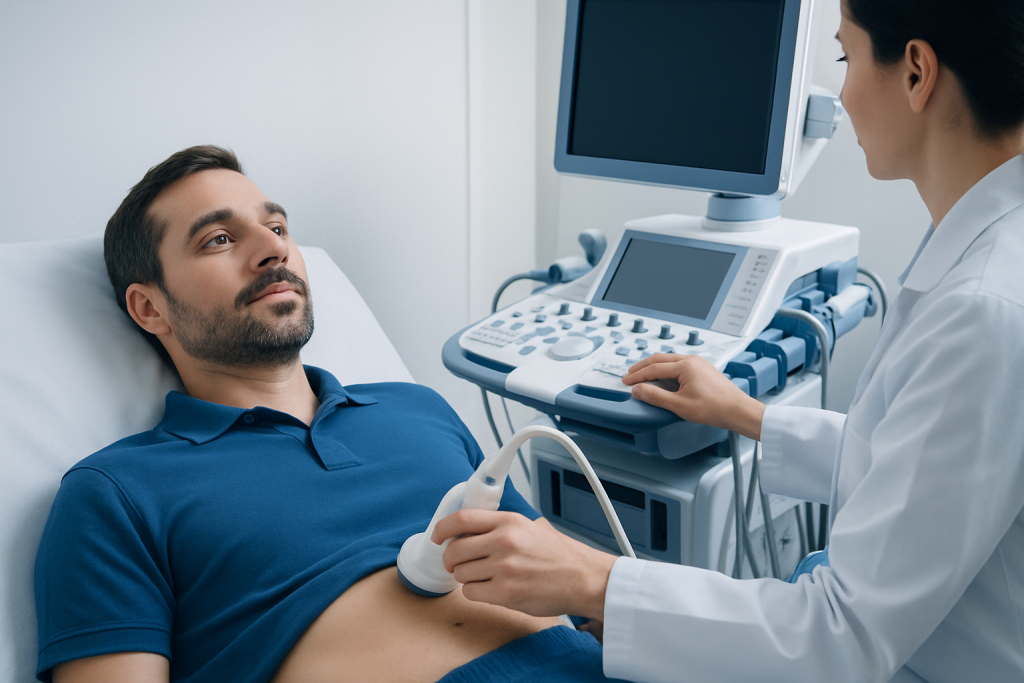
Ultrasound is the most common imaging method for measuring the liver. It can estimate liver dimensions, assess texture, look for fat buildup, and check for masses or bile duct changes. Because ultrasound is operator-dependent, small differences in measurement may occur from one exam to another.
CT and MRI can provide more detailed measurements and may be used if ultrasound findings are unclear or if a broader abdominal assessment is needed. These scans can help identify liver tumors, signs of cirrhosis, blood flow problems, or complications involving nearby organs. In some situations, MRI can also better characterize fatty liver or iron buildup.
When reading a report, patients may see terms such as “hepatomegaly,” which means an enlarged liver. This description does not explain the cause by itself. The next step is usually to look at the pattern of symptoms, blood test results, alcohol and medication history, weight and metabolic risk factors, and any additional imaging findings.
What affects normal liver size
Several healthy factors influence liver size. Taller adults and people with larger body frames may have a greater liver span than smaller adults. Men, on average, may have slightly larger liver measurements than women, although there is overlap and individual variation is common.
Age can also play a role, especially when comparing children with adults. In children, normal liver size changes with growth, so pediatric measurements must be interpreted using age-specific reference charts. A child’s ultrasound report should always be reviewed by a clinician familiar with pediatric norms rather than adult values.
The measurement technique matters as well. A liver measured in one imaging plane may not match a measurement taken in another plane, even on the same day. Breathing position, body posture, and whether the measurement reflects overall span or a specific lobe can all influence the reported number.
Body composition and metabolic health can affect not just size but also liver appearance. For example, fat accumulation in the liver may lead to enlargement before any symptoms appear. This is one reason doctors often discuss liver size together with weight, blood sugar, cholesterol, blood pressure, alcohol intake, and liver enzyme results.
When liver size may be abnormal
An enlarged liver can happen for many reasons, some temporary and some chronic. Common examples include fatty liver disease, alcohol-related liver injury, viral hepatitis, congestion from heart problems, certain infections, benign cysts, and cancers involving the liver. Enlargement may also occur if the liver is inflamed or if substances such as fat or iron build up within it.
A smaller-than-expected or shrunken liver can be seen in advanced chronic liver disease, especially when scarring develops over time. In cirrhosis, the liver may become irregular in shape and texture rather than simply large or small. These changes are more important than size alone because they may affect how well the liver works.
Doctors also consider whether liver enlargement is diffuse or focal. Diffuse enlargement affects the liver more generally and is often associated with fatty liver, hepatitis, or congestion. Focal changes, such as a mass or localized abnormality, may require additional imaging and specialist review to determine whether the finding is benign or needs treatment.
Because the liver performs many essential functions, an abnormal size can sometimes be accompanied by changes elsewhere in the body. A person may also have fluid retention, itching, jaundice, easy bruising, dark urine, pale stools, or fatigue. Still, some liver conditions cause no noticeable symptoms at first and are discovered only through routine blood tests or imaging.
Symptoms and signs that may accompany liver problems
Many people with mild liver enlargement have no symptoms. When symptoms do occur, they may be vague and overlap with other conditions, such as a feeling of fullness in the upper abdomen, bloating, tiredness, or reduced appetite. This is why symptoms alone are not enough to diagnose a liver condition.
More specific signs can suggest a need for prompt medical review. These include yellowing of the skin or eyes, dark urine, pale or clay-colored stools, unexplained itching, nausea, swelling in the legs, or abdominal swelling from fluid buildup. Pain in the right upper abdomen may occur, but liver disease is not always painful.
Certain warning patterns deserve particular attention. For example, fever with abdominal pain may point to infection or inflammation, while confusion or unusual sleepiness can suggest severe liver dysfunction. Rapidly worsening swelling, bleeding, or marked weight loss should never be ignored.
Symptoms should also be interpreted in the context of a person’s history. Someone with obesity, diabetes, heavy alcohol use, a family history of liver disease, or prior viral hepatitis has a different level of risk than someone without these factors. Doctors use this broader picture to decide whether findings are likely to be harmless variation or a sign of underlying disease.
How doctors evaluate liver size and liver health
If liver size seems abnormal, doctors usually begin with a medical history and physical examination. They ask about alcohol use, prescription and over-the-counter medicines, herbal supplements, viral hepatitis risk, family history, weight changes, and symptoms such as jaundice or itching. This helps narrow the list of possible causes.
Blood tests are often the next step. These may include liver enzymes, bilirubin, albumin, clotting markers, and tests for viral hepatitis or metabolic conditions. Abnormal blood tests do not always mean severe disease, but they can show whether the liver is inflamed, injured, or not functioning as expected.
Imaging adds important detail. A liver ultrasound may be enough to confirm size, detect fatty change, and look for structural problems. If the findings are uncertain or if more information is needed, doctors may recommend MRI or a CT scan to clarify the picture.
In selected cases, specialist testing may be needed. This can include elastography to estimate liver stiffness and scarring, autoimmune or genetic blood tests, or, less commonly, a biopsy. When there is concern about long-term scarring or complications, patients may also be evaluated for cirrhosis and its effects on the body.
Treatment, prevention, and self-care
There is no treatment for liver size alone because size is a finding, not a diagnosis. Care depends on the cause. If enlargement is related to fatty liver, management often focuses on gradual weight loss, regular physical activity, healthy eating, and treatment of diabetes, high cholesterol, or high blood pressure. If the cause is viral hepatitis, congestion, medication-related injury, or a mass, treatment is directed accordingly.
General liver-protective habits are helpful for many people. These include limiting or avoiding alcohol, taking medicines only as prescribed, being cautious with supplements, maintaining a healthy body weight, and keeping vaccinations up to date when appropriate. People should not start or stop any medication because of a liver report without discussing it with a qualified doctor.
Self-care should also include regular follow-up when advised. Repeat blood tests or imaging may be needed to see whether an enlarged liver is improving, stable, or progressing. This is especially important for people with metabolic risk factors, established liver disease, or prior abnormal imaging.
Near the end of evaluation and treatment planning, some patients benefit from coordinated specialty care. Acibadem International’s multidisciplinary specialists and JCI-accredited hospitals diagnose and treat liver conditions for international patients, including disorders such as fatty liver when expert assessment is needed.
When to seek medical care
Medical care is appropriate if a scan or examination suggests an enlarged liver, especially if the finding is new or unexplained. Even when there are no symptoms, follow-up matters because some liver conditions develop quietly. A doctor can determine whether the measurement is a normal variant or part of a larger health issue.
Prompt medical review is especially important for jaundice, severe or persistent right upper abdominal pain, fever, vomiting, marked abdominal swelling, leg swelling, easy bruising, black stools, confusion, or fainting. These symptoms do not always mean a serious emergency, but they should be assessed without delay.
People with known risk factors should be particularly careful about follow-up. This includes those with obesity, diabetes, heavy alcohol use, viral hepatitis exposure, a family history of liver disease, or previous abnormal liver tests. Early assessment can help identify treatable causes and prevent complications.
For routine concerns, a primary care doctor or gastroenterology specialist can usually guide the next steps. Patients should bring any imaging reports, medication lists, and previous blood test results to the appointment so the liver finding can be interpreted in context.
Frequently asked questions
What is considered a normal liver size in adults?
There is not one single normal number for every adult. Liver size varies with height, body build, sex, and how the measurement is taken, so radiology reports are interpreted using reference ranges and the person’s overall clinical picture.
Can a slightly enlarged liver still be harmless?
Yes, in some cases a mildly increased measurement may not reflect significant disease. Doctors look at symptoms, blood tests, and imaging details before deciding whether it represents a normal variation or a condition that needs follow-up.
Is ultrasound the best test to check liver size?
Ultrasound is often the first and most practical test because it is noninvasive and does not use radiation. However, CT or MRI may be more useful when the ultrasound is unclear or when more detail about liver structure is needed.
Does fatty liver make the liver bigger?
It can. Fat buildup in the liver may cause enlargement, especially in earlier stages, although some people have fatty liver with few or no symptoms. Diagnosis usually depends on imaging and blood tests rather than size alone.
Can liver size return to normal?
Sometimes it can, depending on the cause. If the underlying problem improves, such as fatty liver, inflammation, or congestion, the liver may decrease toward a healthier size, but chronic scarring may not fully reverse.
When should someone worry about liver-related symptoms?
Urgent symptoms include jaundice, severe abdominal pain, vomiting, confusion, rapid swelling, or signs of bleeding. Even milder symptoms, such as ongoing fatigue, fullness in the upper abdomen, or abnormal blood tests, should be discussed with a doctor.
References
- National Institute of Diabetes and Digestive and Kidney Diseases
- American College of Gastroenterology
- American Liver Foundation
- World Gastroenterology Organisation
- Radiological Society of North America
This article is for general information only and is not a substitute for professional medical advice. Please consult a qualified doctor about your individual situation.
Explore treatments in Turkey — costs, top hospitals & a free quote
JCI-accredited · board-certified surgeons · reply within 24h
Check your numbers in seconds
BMI, calories, due date, blood pressure and 30+ more clinical calculators — free, instant, doctor-reviewed ranges.