Schizoaffective Disorder Bipolar Type: Symptoms, Causes, and Treatment Options

Schizoaffective disorder bipolar type involves both psychotic symptoms and bipolar mood episodes. Psychotic symptoms may include hallucinations, delusions, and disorganized thinking or speech.
Key Takeaways
- Schizoaffective disorder bipolar type involves both psychotic symptoms and bipolar mood episodes.
- Psychotic symptoms may include hallucinations, delusions, and disorganized thinking or speech.
- Diagnosis is based on symptom pattern over time, including periods of psychosis that occur outside mood episodes.
- Treatment often combines medication, psychotherapy, education, and practical support for sleep, stress, and daily routines.
- Early evaluation can improve safety, symptom control, and long-term quality of life.
Schizoaffective disorder bipolar type is a mental health condition that combines symptoms of psychosis with mood episodes, especially mania and sometimes depression. With careful diagnosis and a personalized treatment plan, many people can reduce symptoms, improve daily functioning, and maintain stability over time.
Overview: what schizoaffective disorder bipolar type means
Schizoaffective disorder bipolar type is a psychiatric condition in which a person experiences symptoms of psychosis together with mood episodes typical of bipolar disorder. In practical terms, this means there may be periods of hallucinations, delusions, or disorganized thinking along with times of unusually elevated mood, increased energy, impulsive behavior, reduced need for sleep, or episodes of depression.
What makes this diagnosis distinct is the pattern of symptoms over time. Doctors look for evidence that psychotic symptoms are present not only during mood episodes, but also for a period when mood symptoms are not driving the full picture. This helps distinguish schizoaffective disorder bipolar type from bipolar disorder with psychotic features and from primary psychotic disorders such as schizophrenia.
The condition can affect thinking, emotions, relationships, work, school, and self-care. Symptoms often fluctuate, with periods of worsening and periods of relative stability. Because the illness may change over time, diagnosis is usually made through careful follow-up rather than from a single visit alone.
Symptoms and how they may appear in daily life
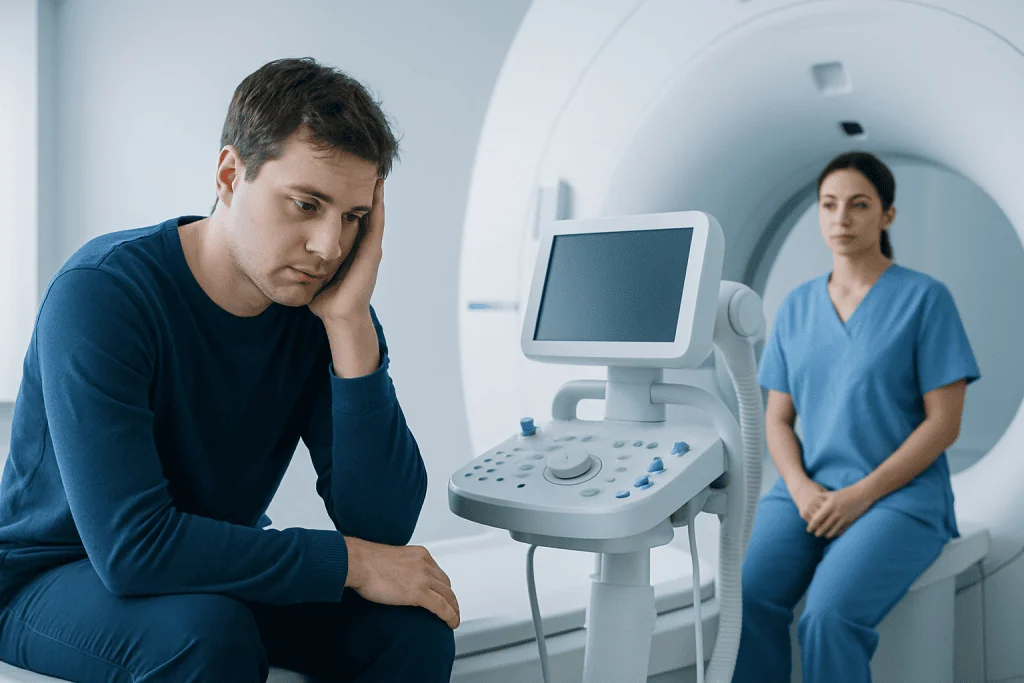
Symptoms usually fall into two main groups: psychotic symptoms and mood symptoms. Psychotic symptoms may include hearing voices, seeing or sensing things others do not, holding fixed false beliefs, feeling suspicious, speaking in a way that is hard to follow, or having difficulty organizing thoughts. These symptoms can interfere with judgment, concentration, and communication.
In the bipolar type, mood episodes often include mania. During mania, a person may feel unusually energized, talk rapidly, sleep very little without feeling tired, become more impulsive, spend excessively, take risks, or feel unusually powerful or confident. Some people also have depressive episodes with low mood, hopelessness, fatigue, loss of interest, slowed thinking, or thoughts of self-harm.
Symptoms can look different from one person to another. Some people mainly struggle with repeated manic episodes and psychosis, while others have a mix of mania, depression, and persistent psychotic symptoms. Family members may first notice changes such as social withdrawal, erratic sleep, worsening hygiene, unusual beliefs, irritability, or a sudden decline in work or school performance.
- Psychotic symptoms: hallucinations, delusions, disorganized thoughts or speech
- Manic symptoms: decreased need for sleep, racing thoughts, elevated or irritable mood, increased activity
- Depressive symptoms: sadness, loss of interest, guilt, fatigue, poor concentration
- Functional changes: relationship strain, job or academic problems, difficulty managing daily tasks
Causes and risk factors

There is no single known cause of schizoaffective disorder bipolar type. Most experts understand it as a complex condition related to a combination of genetic vulnerability, brain chemistry, stress, and environmental influences. A family history of psychotic disorders, bipolar disorder, or other serious mental health conditions may increase risk, but it does not mean a person will definitely develop the condition.
Brain signaling systems that influence mood, perception, and thinking are believed to play a role. Life stress, trauma, sleep disruption, and substance use can also affect how symptoms begin or worsen. Cannabis and stimulant drugs are especially important because they can trigger or intensify psychosis or mania in vulnerable people.
Symptoms often first appear in late adolescence or early adulthood, although they can begin at other ages. Because early symptoms may overlap with anxiety, depression, substance-related problems, or other psychiatric conditions, people are sometimes diagnosed only after symptoms become more clearly patterned over time.
How diagnosis is made
Diagnosis depends on a detailed psychiatric assessment and observation of symptoms over time. A mental health professional asks about mood changes, psychotic symptoms, sleep, substance use, medical history, medications, family history, and how daily life has been affected. Input from family or trusted caregivers can also be helpful, especially if the person has difficulty describing recent changes.
One of the key diagnostic features is a period of psychosis that occurs for at least some time without a major mood episode being present. Clinicians also consider whether manic episodes are a significant part of the illness pattern. This is what separates schizoaffective disorder bipolar type from bipolar disorder with psychotic features, where psychosis occurs only during mood episodes.
There is no single blood test or brain scan that confirms the diagnosis. However, doctors may recommend lab tests or other medical evaluations to rule out medical causes of psychosis or mood changes, such as thyroid problems, neurological conditions, infections, medication effects, or substance use. In some cases, a broader workup through check-up and screening helps support an accurate diagnosis.
Because symptoms can overlap with other psychiatric conditions, follow-up is important. A diagnosis may be clarified as new information becomes available, and this is a normal part of careful psychiatric care rather than a sign that treatment is failing.
Treatment options and long-term management
Treatment is usually individualized and often combines medication, psychotherapy, and practical day-to-day support. The main goals are to reduce psychotic symptoms, stabilize mood, improve sleep and functioning, lower relapse risk, and support safety. Many people need ongoing treatment even during periods when they feel better, because stopping treatment suddenly can increase the chance of symptom return.
Medication plans may include antipsychotic medicines to help with hallucinations, delusions, and disorganized thinking, and mood stabilizing treatment to help control manic symptoms and reduce mood swings. If depressive symptoms are significant, a clinician may consider additional treatment while watching carefully for mood destabilization. Medication choices depend on symptom pattern, side effects, other health conditions, and past response.
Psychotherapy can be an important part of care. Useful approaches may include psychoeducation, cognitive behavioral strategies, family therapy, relapse prevention planning, and support with routines, sleep, stress, and social functioning. In some cases, coordinated care that includes psychiatry, psychology, social work, and occupational support is especially helpful.
If symptoms are severe, if there is high-risk behavior, or if a person cannot care for basic needs, treatment in a hospital may be necessary for stabilization and safety. Some patients may also benefit from structured psychiatric rehabilitation or follow-up in a specialized mental health program. Depending on the individual’s needs, doctors may recommend evaluation through psychiatry services and related support such as psychology care.
Prevention, self-care, and support after diagnosis
There is no guaranteed way to prevent schizoaffective disorder bipolar type, but early attention to symptoms may reduce complications and support better long-term functioning. People who have already been diagnosed can often lower relapse risk by staying engaged with treatment, taking medication as prescribed, and attending regular follow-up appointments.
Daily routines matter. Regular sleep is especially important because sleep loss can worsen mania and psychosis. It can also help to limit alcohol and avoid recreational drugs, manage stress, eat regularly, and keep a written plan for early warning signs such as reduced sleep, rising irritability, unusual beliefs, or increasing social withdrawal.
Family and caregiver support can make a meaningful difference. Loved ones can help notice changes early, encourage treatment adherence, and provide a calm environment during periods of instability. Support groups, education, and community resources may reduce isolation and help both patients and families cope more effectively.
Near the end of the care pathway, some people also benefit from discussion of school, work, and social goals. A gradual return to responsibilities may be more realistic than trying to resume everything at once. For international patients who need comprehensive evaluation, Acibadem International’s multidisciplinary specialists in JCI-accredited hospitals diagnose and treat complex mental health conditions with coordinated care planning.
When to seek medical care
Medical care should be sought promptly if a person develops hallucinations, delusions, severe confusion, extreme changes in sleep, unusually risky behavior, or mood symptoms that are disrupting safety or daily life. Evaluation is also important when symptoms are new, getting worse, or returning after a period of stability.
Urgent help is needed if there are thoughts of self-harm or suicide, threats toward others, inability to care for basic needs, or behavior that suggests loss of contact with reality. In these situations, emergency services or immediate psychiatric assessment may be the safest option.
Even when symptoms seem mild, early assessment can be valuable. Starting treatment sooner may reduce distress, improve day-to-day functioning, and help clarify whether symptoms are due to schizoaffective disorder bipolar type, another mental health condition, or a medical issue that needs attention.
Frequently asked questions
What is schizoaffective disorder bipolar type?
Schizoaffective disorder bipolar type is a mental health condition that includes both psychotic symptoms and bipolar-style mood episodes, especially mania. A person may have hallucinations or delusions as well as periods of elevated mood, increased energy, and reduced need for sleep.
How is it different from bipolar disorder with psychosis?
The main difference is timing. In schizoaffective disorder bipolar type, psychotic symptoms also occur for a period outside major mood episodes. In bipolar disorder with psychotic features, psychosis happens only during mania or depression.
Can schizoaffective disorder bipolar type be treated?
Yes. Treatment often includes medication, psychotherapy, education, and long-term follow-up. Many people improve with a personalized plan that addresses both psychosis and mood symptoms.
Is schizoaffective disorder bipolar type lifelong?
It can be a long-term condition, but the course varies from person to person. Some people have recurring episodes, while others experience long periods of stability with treatment and support.
What can trigger symptoms to get worse?
Common triggers include sleep loss, major stress, stopping medication without medical advice, and use of alcohol or recreational drugs. Identifying personal warning signs early can help reduce the chance of relapse.
When should a family member be concerned?
Concern is appropriate if a loved one becomes severely suspicious, hears voices, behaves recklessly, sleeps very little, talks unusually fast, or cannot manage basic daily tasks. Immediate help is needed if there is suicidal thinking, aggression, or a clear loss of touch with reality.
References
- National Institute of Mental Health
- American Psychiatric Association
- World Health Organization
- National Alliance on Mental Illness
- Substance Abuse and Mental Health Services Administration
This article is for general information only and is not a substitute for professional medical advice. Please consult a qualified doctor about your individual situation.
Explore treatments in Turkey — costs, top hospitals & a free quote
JCI-accredited · board-certified surgeons · reply within 24h

More from the Health Library



Related Specialists

Prof. Dr. Kerem Bilsel
Orthopedic Surgery & Traumatology
Dr. Shahad Abdulhadı Abdulrahman Al Amoudı
Inpatient Clinic Physicians
Dr. Alihan Özcan
Gynecology & Obstetrics
Prof. Dr. Koray Özduman
Neurosurgery