Hifu Treatment: Symptoms, Causes, and Treatment Options

HIFU treatment uses focused ultrasound energy to target tissue without surgical incisions. It is used in different ways, including aesthetic skin tightening and selected medical conditions.
Key Takeaways
- HIFU treatment uses focused ultrasound energy to target tissue without surgical incisions.
- It is used in different ways, including aesthetic skin tightening and selected medical conditions.
- Benefits, side effects, and expected results depend on the treatment area and the condition being addressed.
- A proper medical evaluation is important to confirm whether HIFU is appropriate and safe.
- People should seek medical advice promptly if symptoms worsen, new pain develops, or recovery does not follow expectations.
HIFU treatment is a noninvasive procedure that uses focused ultrasound energy to heat targeted tissue for medical or aesthetic purposes. It may be used for skin tightening or for selected conditions such as prostate disease, but the right approach depends on the person’s symptoms, goals, and overall health.
What is HIFU treatment?
HIFU treatment, short for high-intensity focused ultrasound, is a procedure that delivers concentrated ultrasound energy to a specific point inside the body or beneath the skin. This energy creates heat in a controlled area, which can change or destroy targeted tissue while limiting effects on nearby structures. Because it does not require surgical cuts, HIFU is often described as noninvasive.
The term “HIFU treatment” can refer to more than one type of care. In aesthetic medicine, it is commonly used to tighten skin and stimulate collagen production. In clinical medicine, it may be used in carefully selected cases to treat certain tumors or benign conditions, most notably some prostate-related conditions. The purpose, expected outcome, and follow-up plan depend on why the treatment is being done.
For patients, the most important point is that HIFU is a tool, not a diagnosis. It does not treat every symptom, and it is not automatically the best option for every person. A doctor usually decides whether it is suitable after considering the underlying problem, the location and depth of tissue involved, prior treatments, and the person’s general health.
Why HIFU may be recommended
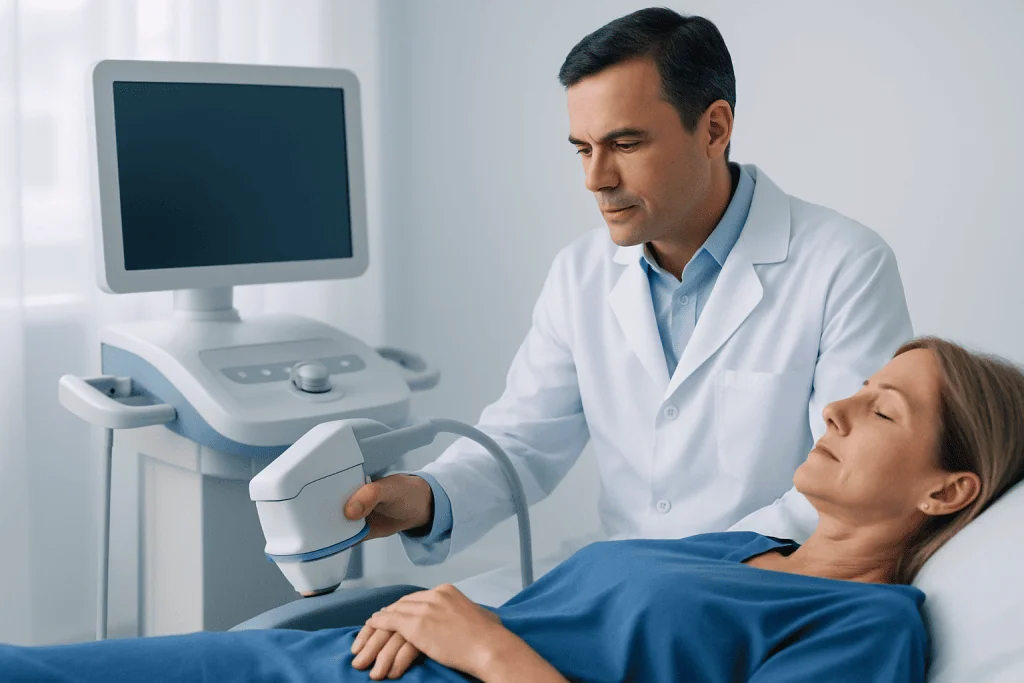
HIFU may be recommended when a doctor wants to target tissue precisely while avoiding a more invasive procedure. In aesthetic care, the goal is usually tissue tightening, lifting, or gradual improvement in skin firmness. In medical care, the goal may be to destroy abnormal tissue, reduce symptoms, or control a localized disease process.
Examples vary by specialty. Some people explore HIFU as a non-surgical option for facial or neck laxity. Others may be assessed for focused ultrasound as part of care for prostate disease, including selected cases related to prostate cancer. In these settings, imaging, biopsy results, symptom severity, and long-term treatment goals all matter.
HIFU is usually considered after a discussion of alternatives. Depending on the condition, these may include watchful waiting, medication, surgery, radiation therapy, or other energy-based procedures. A balanced review of expected benefits, limitations, and possible side effects helps patients make informed decisions.
Symptoms and concerns that lead people to ask about HIFU

HIFU itself does not cause the original symptoms being evaluated; rather, people usually seek HIFU because of symptoms or changes they want treated. In aesthetic settings, common concerns include mild to moderate skin laxity, softening jawline definition, sagging under the chin, or a desire for a non-surgical lifting approach. Expectations need to be realistic, because HIFU does not produce the same effect as an operation.
In medical settings, symptoms depend on the condition being treated. For example, people with prostate problems may have urinary symptoms such as a weak stream, urgency, frequency, or nighttime urination. Some may already have a diagnosis and are discussing targeted options such as prostate cancer treatment as part of a broader care plan.
After the procedure, temporary effects can occur and may be mistaken for complications if people are not prepared. Depending on the treatment site, these can include tenderness, swelling, mild redness, tingling, a feeling of warmth, or short-lived urinary discomfort. The care team should explain which responses are expected and which symptoms need urgent review.
- Aesthetic concerns: loose skin, mild drooping, reduced firmness
- Prostate-related concerns: urinary symptoms, localized disease under specialist evaluation
- Post-treatment issues to monitor: increasing pain, fever, bleeding, or symptoms that persist longer than expected
How HIFU works and what can affect results
HIFU works by focusing ultrasound waves on a defined target point. At that focal point, temperature rises enough to cause a controlled tissue effect. In skin treatments, this heat can trigger a healing response that supports collagen remodeling over time. In medical treatments for deeper tissue, the energy may be used to ablate, or destroy, specific cells in a planned area.
Several factors influence how well HIFU works. These include the exact condition being treated, the depth and size of the target area, the equipment used, and the experience of the treating team. Individual factors matter too, such as age, skin quality, anatomy, previous procedures, and whether the disease is localized or more widespread.
Results are often not immediate. Aesthetic improvement may appear gradually over weeks to months as collagen changes develop. In medical use, the outcome is measured differently, such as symptom relief, imaging findings, laboratory values, or pathology follow-up. Because the goals differ by specialty, doctors explain success in terms that are specific to the condition rather than in general terms.
It is also important to understand the limits of HIFU. Some people are not good candidates because the target tissue is too large, too deep, too close to sensitive structures, or better managed by another treatment. A thorough assessment helps avoid unrealistic expectations and reduces the chance of unnecessary procedures.
Evaluation and diagnosis before treatment
Before HIFU is considered, the underlying problem needs to be clearly defined. This usually begins with a medical history and physical examination. The doctor asks about symptoms, how long they have been present, previous treatments, current medications, and any health conditions that could affect safety, healing, or anesthesia planning.
Tests depend on the treatment area. For aesthetic HIFU, assessment may focus on skin quality, degree of laxity, and whether a procedure such as plastic and reconstructive surgery would better match the person’s goals. For prostate-related HIFU, evaluation may include blood tests, imaging, biopsy findings, and specialist review through services such as urology.
Doctors also review contraindications and practical considerations. They may delay or avoid HIFU if there is active infection, significant inflammation, certain implanted devices in the treatment area, or a condition that makes another treatment safer. Shared decision-making is a key part of planning, especially when multiple reasonable options exist.
Treatment options, benefits, and possible risks
HIFU is one option among several, and the best choice depends on the diagnosis. For cosmetic skin tightening, alternatives may include topical skin care, injectables, laser-based procedures, radiofrequency treatments, or surgery. For medical conditions, alternatives can include medication, active surveillance, radiation, ablation techniques, or surgery. A treatment plan should match the person’s symptoms, preferences, and long-term health needs.
Potential advantages of HIFU include the absence of incisions, targeted treatment, and relatively short recovery for many patients. Some people value the fact that treatment can often be performed without a hospital stay. However, convenience should not overshadow proper selection, because the wrong indication can lead to disappointing results.
Risks and side effects depend on where HIFU is used. Temporary soreness, swelling, redness, bruising, numbness, tingling, or sensitivity can occur after skin treatment. When used for deeper medical targets, risks may include pain, urinary symptoms, local inflammation, or injury to nearby tissues. Rare but important complications should be discussed in advance so patients know what to watch for.
No procedure is completely risk-free, and HIFU does not guarantee permanent results. Some people may need additional sessions or a different treatment later. Follow-up appointments help assess response, manage side effects, and decide whether any further care is needed.
Recovery, self-care, and longer-term outlook
Recovery after HIFU is usually shorter than recovery after open surgery, but aftercare still matters. Patients are generally advised to follow their clinician’s instructions carefully, protect the treated area, and report any unexpected symptoms. Depending on the treatment site, advice may include gentle skin care, avoiding intense heat exposure for a short time, staying hydrated, and taking only approved pain relief if needed.
The longer-term outlook varies by purpose. In aesthetic use, changes often develop gradually and may be subtle rather than dramatic. In medical use, the outlook depends on the underlying diagnosis, how completely the target tissue was treated, and whether ongoing monitoring is required. Some patients need repeat imaging, blood tests, or specialist review to confirm the response.
Good self-care does not replace medical follow-up. It supports recovery but cannot show whether a medical target has been fully treated. Patients should keep scheduled appointments and ask for clarification if they are unsure how healing should feel or how quickly improvement should happen.
For international patients who need specialist assessment, Acibadem International’s multidisciplinary teams and JCI-accredited hospitals provide diagnosis and treatment planning for conditions in which HIFU or other advanced options may be considered.
When to seek medical care
People should contact a doctor if they are considering HIFU for symptoms that have not been properly evaluated. This is especially important for urinary problems, unexplained lumps, bleeding, persistent pain, or changes that are getting worse over time. A diagnosis should come before treatment selection.
After HIFU, medical advice should be sought promptly if there is severe or worsening pain, fever, marked swelling, discharge, trouble urinating, significant bleeding, new weakness, or symptoms that do not improve as expected. Even when a complication turns out to be minor, early assessment can provide reassurance and help prevent delays in care.
Urgent care may be needed if symptoms are sudden, severe, or accompanied by difficulty breathing, fainting, or an inability to pass urine. When in doubt, it is safest to speak with a qualified healthcare professional rather than trying to manage concerning symptoms alone.
Frequently asked questions
What is hifu treatment used for?
HIFU treatment is used to deliver focused ultrasound energy to a targeted area without surgical incisions. It may be used for aesthetic skin tightening or, in selected medical settings, to treat specific localized conditions such as some prostate disorders.
Is HIFU a surgery?
No, HIFU is generally considered a noninvasive procedure because it does not involve surgical cuts. However, it is still a medical treatment and should be performed only after proper evaluation by a qualified clinician.
How long does it take to see results from HIFU?
That depends on why HIFU is being used. Aesthetic results often appear gradually over several weeks or months, while medical results may be assessed through symptom changes, scans, blood tests, or other follow-up measures.
Does HIFU treatment hurt?
Some discomfort is possible during or after HIFU, but the level varies by treatment area and the type of procedure. Patients may feel heat, tingling, pressure, or soreness, and the care team can explain what to expect and how symptoms are usually managed.
Who is a good candidate for HIFU?
A good candidate is someone whose condition, anatomy, and treatment goals match what HIFU can realistically achieve. Suitability depends on the exact diagnosis, the size and location of the target area, overall health, and whether another treatment would be more effective.
What are the risks of HIFU treatment?
Risks depend on the area treated but can include temporary pain, swelling, redness, tenderness, numbness, or other local symptoms. In deeper medical applications, there may also be risks related to nearby tissues, so individualized counseling is important.
References
- U.S. Food and Drug Administration
- National Cancer Institute
- American Urological Association
- American Society for Dermatologic Surgery
- Radiological Society of North America
This article is for general information only and is not a substitute for professional medical advice. Please consult a qualified doctor about your individual situation.
Explore treatments in Turkey — costs, top hospitals & a free quote
JCI-accredited · board-certified surgeons · reply within 24h