Mdd Medical Abbreviation: A Complete Medical Overview

MDD most often means major depressive disorder in healthcare settings. Major depressive disorder is more than temporary sadness and can affect emotions, sleep, appetite, concentration, and physical health.
Key Takeaways
- MDD most often means major depressive disorder in healthcare settings.
- Major depressive disorder is more than temporary sadness and can affect emotions, sleep, appetite, concentration, and physical health.
- Diagnosis is based on symptoms, duration, and their effect on daily life, not on a single lab test.
- Treatment may include psychotherapy, medication, lifestyle support, or a combination of approaches.
- Urgent medical help is needed if there are thoughts of self-harm, suicide, or inability to stay safe.
MDD medical abbreviation most commonly stands for major depressive disorder. In medical records, it refers to a mood disorder that causes ongoing sadness, loss of interest, and changes in sleep, energy, thinking, and daily functioning.
Overview: What does MDD mean in medicine?
The mdd medical abbreviation most commonly stands for major depressive disorder. This is a recognized mental health condition in which low mood, reduced interest or pleasure, and related symptoms last long enough and are severe enough to affect daily life. In clinical notes, problem lists, or discharge summaries, healthcare professionals may write “MDD” as shorthand for this diagnosis.
Although people often use the word “depression” casually, major depressive disorder has a more specific medical meaning. It is not simply a difficult day, grief after a loss, or normal emotional ups and downs. MDD is diagnosed when a pattern of symptoms persists over time and interferes with work, school, relationships, self-care, or overall wellbeing.
Because abbreviations can have more than one meaning in medicine, the exact interpretation depends on context. Still, in general medical and psychiatric practice, MDD most often refers to major depressive disorder. If the abbreviation appears on a test result, chart note, or after-visit summary, a doctor or mental health professional can explain exactly how it is being used in that person’s care.
How major depressive disorder affects mind and body
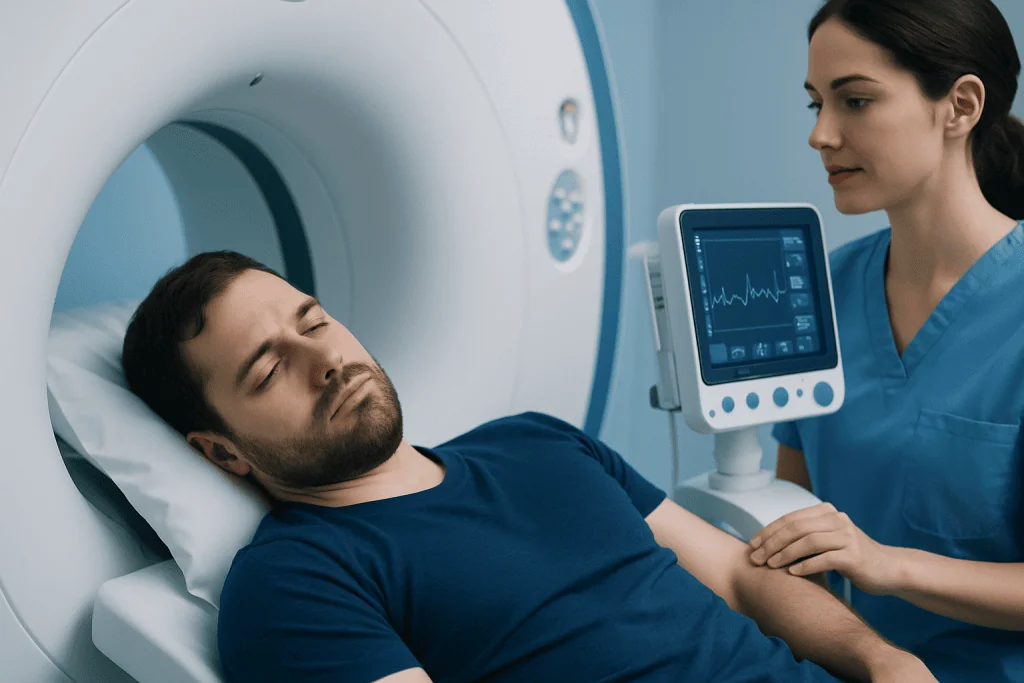
Major depressive disorder is a mood disorder, but its effects are not limited to emotions. It can influence thinking, energy, sleep, appetite, pain perception, and motivation. Some people describe feeling persistently sad or empty, while others mainly notice exhaustion, irritability, slowed thinking, or a loss of interest in activities that once felt meaningful.
MDD can also affect the body in noticeable ways. Headaches, body aches, digestive changes, poor sleep, and appetite changes are common. Concentration may become harder, making work, study, or decision-making feel unusually difficult. These symptoms are real and medically important, even though they may not be visible to others.
Depression can occur on its own or alongside other conditions, such as anxiety disorders, chronic pain, sleep problems, substance use disorders, or certain medical illnesses. In some cases, doctors may also consider whether symptoms fit another mood condition, such as bipolar disorder, because treatment planning can differ.
Common symptoms linked to MDD

Symptoms of major depressive disorder vary from person to person. Some people experience a few prominent symptoms, while others notice a broader combination. For diagnosis, clinicians look at both the type of symptoms and how long they have been present.
Common symptoms can include:
- Persistent sadness, emptiness, or hopelessness
- Loss of interest or pleasure in usual activities
- Changes in sleep, such as insomnia or sleeping more than usual
- Changes in appetite or weight
- Low energy or unusual fatigue
- Difficulty concentrating, remembering, or making decisions
- Feelings of worthlessness, guilt, or excessive self-criticism
- Restlessness or feeling slowed down
- Thoughts of death, self-harm, or suicide
In children, teenagers, and some adults, irritability may be more noticeable than sadness. In older adults, depression may sometimes appear as reduced motivation, withdrawal, memory complaints, or physical symptoms. Because symptoms can overlap with other medical and mental health conditions, professional evaluation is important.
The intensity of symptoms can range from mild to severe. Even when symptoms seem “high-functioning” from the outside, they may still cause major internal distress and deserve attention. Early assessment often helps people access support sooner and reduce the impact on everyday life.
Causes and risk factors
There is no single cause of major depressive disorder. Instead, it usually develops through a combination of biological, psychological, and social factors. Family history can increase risk, suggesting a genetic component, but genes alone do not determine whether a person will develop depression.
Brain chemistry and stress-response systems may also play a role. Major life stressors such as bereavement, relationship difficulties, financial strain, trauma, serious illness, or ongoing caregiving demands can contribute. Some people develop MDD after a clear trigger, while others notice symptoms without one obvious cause.
Other risk factors may include a personal history of depression, anxiety, substance misuse, chronic pain, neurological disease, sleep disorders, hormonal changes, or certain medications. Doctors may also look for medical problems that can mimic or worsen depression symptoms, such as thyroid disease, vitamin deficiencies, or sleep apnea.
Importantly, depression is not a sign of weakness or poor character. Understanding risk factors can reduce stigma and encourage appropriate care. A supportive evaluation helps identify contributing factors and guides the best treatment plan for each individual.
How doctors diagnose MDD
There is no single blood test or scan that confirms major depressive disorder. Diagnosis is based on a careful clinical assessment. A doctor, psychiatrist, or qualified mental health professional asks about mood, sleep, appetite, concentration, energy, daily function, medical history, medication use, and any thoughts of self-harm or suicide.
Clinicians generally diagnose MDD when symptoms have been present most of the day, nearly every day, for at least two weeks, and include either depressed mood or loss of interest or pleasure, along with other associated symptoms. They also consider whether symptoms are causing meaningful distress or interfering with school, work, family life, or self-care.
Part of diagnosis involves ruling out other explanations. This may include screening for anxiety disorders, grief-related reactions, substance-related conditions, bipolar disorder, and physical illnesses that can affect mood. Depending on the situation, a doctor may recommend laboratory testing or broader assessment to better understand the person’s overall health.
In some cases, care may involve a combination of psychiatric and general medical evaluation, especially if symptoms overlap with sleep problems, neurological symptoms, or long-term medical conditions. If advanced assessment is needed, specialists may also use diagnostic imaging or other tests to evaluate other possible causes of symptoms, though imaging is not used to diagnose depression itself.
Treatment options for major depressive disorder
Major depressive disorder is treatable, and many people improve with appropriate care. Treatment depends on symptom severity, safety concerns, personal history, coexisting conditions, and individual preferences. Common approaches include psychotherapy, medication, or a combination of both.
Psychotherapy can help people understand thought patterns, manage stress, improve coping skills, and rebuild daily routines. Several evidence-based forms of therapy are used, including cognitive behavioral approaches and interpersonal therapy. For moderate to severe depression, doctors may also recommend antidepressant medication, with monitoring for benefits, side effects, and treatment response over time.
When symptoms are severe, rapidly worsening, or not improving with standard care, a psychiatrist may discuss other options. Treatment of associated conditions can also matter; for example, better management of sleep apnea or chronic pain may support mood recovery. In selected cases, a specialist may consider structured interventions such as transcranial magnetic stimulation when appropriate and available.
Self-care supports treatment but does not replace professional help. Regular sleep, nutritious meals, gentle physical activity, reduced alcohol or drug use, social connection, and a daily routine can all help recovery. Near the end of the care pathway, some international patients may seek evaluation at centers such as Acibadem International, where multidisciplinary specialists in JCI-accredited hospitals diagnose and treat depression-related conditions as part of broader mental and physical health care.
Prevention and self-care strategies
Not every episode of depression can be prevented, but healthy routines may lower risk and support resilience. Good sleep habits, regular exercise, balanced nutrition, stress management, and limiting alcohol or recreational drug use can all contribute to better emotional health. Staying connected with supportive family, friends, or community can also make a meaningful difference.
For people who have had depression before, early action is especially helpful. Recognizing personal warning signs, such as changes in sleep, social withdrawal, loss of motivation, or worsening anxiety, may allow treatment to begin before symptoms become more disruptive. Some people benefit from a written wellness plan created with their clinician.
Self-care is most effective when it is realistic and compassionate. Small steps, such as getting out of bed at a set time, going for a short walk, or eating regular meals, can be valuable during a depressive episode. If mood symptoms continue despite self-help efforts, professional assessment is the safest next step.
When to seek medical care
A person should consider medical evaluation if sadness, loss of interest, low energy, poor sleep, or concentration problems persist for more than two weeks, return repeatedly, or begin to affect daily functioning. Help is also appropriate when symptoms interfere with work, school, parenting, relationships, or self-care. It is not necessary to wait until symptoms feel severe.
Urgent help is needed if there are thoughts of self-harm or suicide, feelings of being unable to stay safe, extreme agitation, confusion, or a sudden inability to function. In these situations, the safest step is to contact emergency services, go to the nearest emergency department, or seek immediate crisis support in the local area.
Medical care is also important when depression symptoms occur with significant weight change, persistent pain, substance misuse, panic, or possible manic symptoms such as unusually elevated mood, reduced need for sleep, racing thoughts, or risky behavior. These features can affect diagnosis and treatment choices. A qualified doctor or mental health professional can guide next steps and refer to appropriate specialists, including psychiatry services when needed.
Frequently asked questions
What does MDD stand for in medical terms?
In most healthcare settings, MDD stands for major depressive disorder. It is a medical diagnosis used for a depressive condition that causes persistent symptoms and affects daily functioning.
Is MDD the same as feeling depressed?
Not exactly. Many people feel depressed or low at times, but MDD is a diagnosable disorder with a specific pattern, duration, and impact on life. A clinician looks at symptoms over time rather than a single emotion or bad day.
How is major depressive disorder diagnosed?
Diagnosis is made through a clinical assessment by a doctor or mental health professional. They review symptoms, how long they have lasted, how they affect daily life, and whether another medical or psychiatric condition could explain them.
Can MDD be treated successfully?
Yes, many people improve with treatment. Common options include psychotherapy, medication, lifestyle support, and treatment of related health issues. The most suitable plan depends on the person’s symptoms, history, and needs.
What is the difference between MDD and bipolar disorder?
MDD involves depressive episodes without a history of mania or hypomania. Bipolar disorder includes mood episodes that can shift between depression and unusually elevated or energized states. Distinguishing between them is important because treatment approaches may differ.
When should someone seek urgent help for depression symptoms?
Urgent help is needed if a person has thoughts of self-harm or suicide, cannot stay safe, or becomes severely confused or unable to function. Emergency services, an emergency department, or local crisis support should be contacted immediately.
References
- National Institute of Mental Health
- American Psychiatric Association
- World Health Organization
- National Health Service
- Centers for Disease Control and Prevention
This article is for general information only and is not a substitute for professional medical advice. Please consult a qualified doctor about your individual situation.
Explore treatments in Turkey — costs, top hospitals & a free quote
JCI-accredited · board-certified surgeons · reply within 24h