Sertraline and Alcohol: What Patients Need to Know

Most patients are advised to avoid or limit alcohol while taking sertraline. Alcohol may worsen drowsiness, dizziness, poor coordination, and impaired judgment.
Key Takeaways
- Most patients are advised to avoid or limit alcohol while taking sertraline.
- Alcohol may worsen drowsiness, dizziness, poor coordination, and impaired judgment.
- Drinking can make depression, anxiety, and sleep problems worse, even if it seems to help briefly.
- People with liver disease, a history of substance misuse, or severe mood symptoms need extra caution.
- A doctor or pharmacist can give individualized advice based on dose, health history, and other medicines.
Sertraline and alcohol are generally not a good combination. Even though there is not always a strict chemical interaction, alcohol can increase side effects, reduce safety, and make depression or anxiety harder to manage.
Overview: Is it safe to mix sertraline and alcohol?
In most cases, patients are advised not to mix sertraline and alcohol. Sertraline is a commonly prescribed antidepressant in the selective serotonin reuptake inhibitor (SSRI) group, and alcohol can add to side effects such as sleepiness, dizziness, slower reactions, and difficulty concentrating.
Just as importantly, alcohol can work against the reason sertraline was prescribed. Sertraline is often used to treat depression, anxiety disorders, panic disorder, obsessive-compulsive disorder, and post-traumatic stress disorder. Alcohol may temporarily feel calming for some people, but it can worsen mood, anxiety, sleep quality, and impulse control afterward.
The level of risk is not exactly the same for everyone. A small amount of alcohol may not cause severe problems in every patient, but there is no universally safe amount that applies to all people taking sertraline. Age, dose, other medications, liver health, and personal sensitivity all matter, so individualized medical advice is important.
Why the combination can be a problem
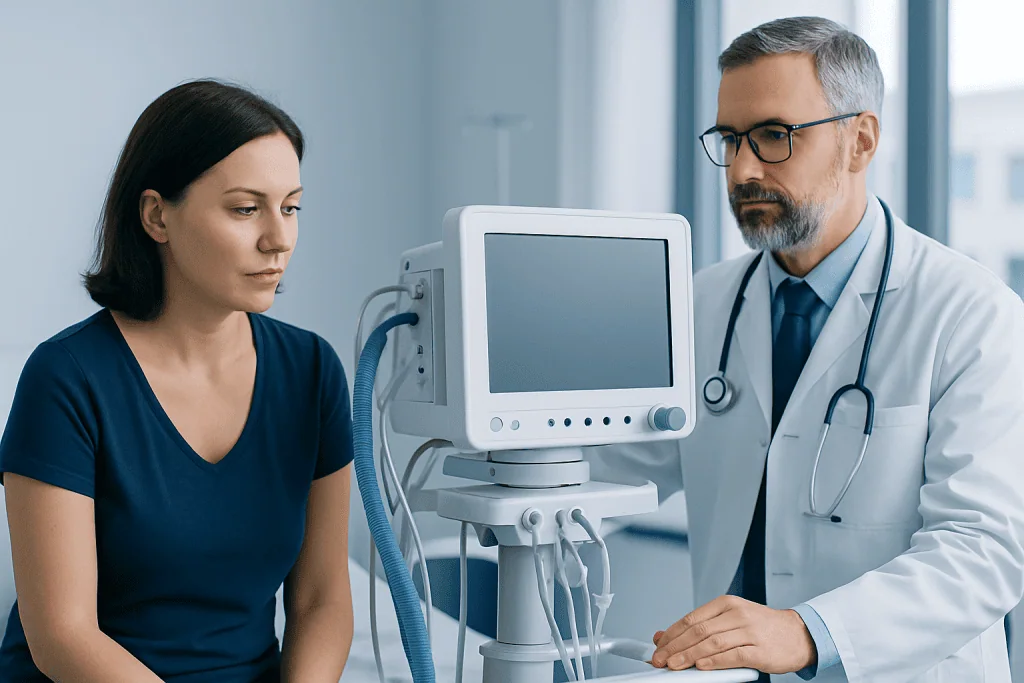
The concern with sertraline and alcohol is not only about a direct drug-to-drug interaction. It is also about overlapping effects on the brain and body. Sertraline can sometimes cause tiredness, lightheadedness, nausea, or reduced alertness, especially when treatment is first started or the dose is changed. Alcohol can intensify these effects.
Alcohol also affects thinking and behavior. When combined with sertraline, some people may notice slower reflexes, poorer judgment, reduced coordination, or more emotional instability. This can raise the risk of falls, accidents, unsafe driving, or making decisions they would not normally make.
For patients being treated for mental health symptoms, the combination can be particularly unhelpful. Alcohol is a depressant, and although it may briefly reduce tension, it can later lead to lower mood, more anxiety, irritability, or disrupted sleep. In someone already being treated for depression or anxiety-related symptoms, this may make recovery less steady.
- More drowsiness or fatigue
- Greater dizziness or feeling faint
- Reduced concentration and coordination
- Worsening mood symptoms
- Higher risk-taking or impulsive behavior
Possible side effects and warning signs

Many patients want to know what they might actually feel if they drink while taking sertraline. Common short-term effects can include stronger sedation, headache, nausea, upset stomach, flushing, shakiness, or feeling mentally foggy. Some people also notice that alcohol affects them more quickly than expected.
Not everyone will have the same reaction. One person may feel only mild sleepiness, while another may experience marked dizziness, agitation, vomiting, or severe emotional changes. The unpredictability itself is one reason doctors often advise avoiding alcohol until the person knows exactly how sertraline affects them.
There are also emotional warning signs to take seriously. If drinking while on sertraline is followed by worsening sadness, panic symptoms, unusual irritability, hopelessness, or thoughts of self-harm, prompt medical help is needed. These symptoms are more concerning than a simple hangover and should not be ignored.
Who should be especially cautious
Some groups of patients face higher risk from mixing sertraline and alcohol. People who are new to sertraline, have recently had a dose increase, or are already prone to medication side effects may be more sensitive. During the first days or weeks of treatment, it is especially wise to avoid alcohol until the response to the medicine is clear.
Extra caution is also important for patients with liver disease, sleep disorders, seizure disorders, bipolar disorder, or a personal history of alcohol use disorder or substance misuse. Because sertraline is processed by the body through the liver, and because alcohol can also affect liver function, patients with liver concerns should discuss this combination with a doctor.
Those taking other medicines that cause sedation or affect mood need individualized guidance. This can include some pain medicines, sleeping tablets, anti-anxiety drugs, antihistamines, and other antidepressants. If a patient is receiving support for alcohol addiction or mental health treatment such as psychiatric care, avoiding alcohol is usually part of the broader treatment plan.
Practical guidance for patients taking sertraline
The safest practical advice is simple: avoid alcohol unless the prescribing clinician says otherwise. This is particularly important when first starting sertraline, after any dose adjustment, or if the medicine already causes drowsiness or stomach upset. Patients should not test their tolerance by drinking heavily or by combining alcohol with other sedating substances.
If a patient chooses to drink despite medical advice, it is sensible to discuss this honestly with a doctor or pharmacist first. They can review dose, timing, other medicines, underlying conditions, and mental health history. It is also important never to skip sertraline doses in order to drink, as this can interfere with treatment and may lead to symptom relapse or withdrawal-like effects in some people.
Patients should also pay attention to patterns rather than isolated episodes. For example, if alcohol use repeatedly worsens sleep, low mood, anxiety, or medication side effects, this is useful information to share with a clinician. In some situations, broader support such as psychological counseling may help a person manage stress, social drinking pressure, or unhealthy coping habits.
What to do if alcohol has already been consumed
If a patient has already had alcohol while taking sertraline, the next step is usually observation and caution. They should avoid driving, cycling, swimming alone, operating machinery, or making important decisions until they feel fully alert and steady again. Drinking more alcohol to “even things out” is not helpful and may increase risk.
Resting, drinking water, and eating a light meal may help with mild symptoms such as nausea or lightheadedness, but these measures do not cancel the effects of alcohol. The person should continue taking sertraline exactly as prescribed unless a doctor advises otherwise. Stopping suddenly without guidance is generally not recommended.
If symptoms are severe, unusual, or involve mental health deterioration, medical advice should be sought promptly. Patients with repeated difficulty combining medication and alcohol may benefit from a medication review, assessment of side effects, or more comprehensive support through a medical check-up and follow-up care.
When to seek medical care
Urgent medical care is needed if a patient has trouble breathing, faints, has a seizure, cannot be awakened normally, develops severe confusion, or has signs of self-harm or suicidal thinking. These symptoms should be treated as emergencies, whether they appear after alcohol, medication use, or both.
Non-urgent but timely medical advice is appropriate if alcohol seems to be worsening depression, anxiety, panic, sleep, or daily functioning; if side effects are becoming hard to tolerate; or if the patient is drinking regularly to cope with emotional distress. A clinician can review whether the current treatment plan is working and whether additional support is needed.
For international patients who need coordinated assessment, Acibadem International’s multidisciplinary specialists in JCI-accredited hospitals diagnose and treat mood, medication, and substance-related concerns with personalized evaluation and follow-up.
Frequently asked questions
Can you drink alcohol while taking sertraline?
Most patients are advised to avoid alcohol while taking sertraline. Alcohol can increase side effects and may worsen the depression or anxiety symptoms the medicine is meant to treat.
What happens if someone mixes sertraline and alcohol once?
A single episode may cause effects such as drowsiness, dizziness, nausea, poor concentration, or stronger intoxication than expected. Even if symptoms seem mild, the person should avoid driving or unsafe activities and monitor how they feel.
Is there a safe amount of alcohol with sertraline?
There is no single safe amount that applies to everyone. Sensitivity varies based on dose, age, liver function, other medications, and mental health history, so a doctor or pharmacist should give individualized advice.
Does alcohol make sertraline stop working?
Alcohol does not necessarily block sertraline directly, but it can make treatment less effective in real life by worsening sleep, mood, anxiety, and decision-making. For many patients, that makes recovery more difficult and less consistent.
Should a patient skip sertraline if they plan to drink?
No. Sertraline should be taken exactly as prescribed unless a doctor instructs otherwise. Skipping doses can disrupt treatment and may increase the chance of symptoms returning or of feeling unwell.
Why does alcohol feel worse after starting sertraline?
Some people become more sensitive to alcohol's sedating and impairing effects while taking sertraline. Early in treatment, the body may still be adjusting to the medication, which can make alcohol-related dizziness, fatigue, or mental fog more noticeable.
References
- U.S. National Library of Medicine MedlinePlus
- National Institute on Alcohol Abuse and Alcoholism
- National Institute of Mental Health
- Mayo Clinic
- National Health Service
This article is for general information only and is not a substitute for professional medical advice. Please consult a qualified doctor about your individual situation.
Explore treatments in Turkey — costs, top hospitals & a free quote
JCI-accredited · board-certified surgeons · reply within 24h