

Can Creatine Cause Constipation? A Doctor-Reviewed Answer

Creatine is not widely recognized as a direct cause of constipation, but related habits can contribute. Low fluid intake, reduced fiber, high-protein diet changes, and intense training are common explanations.
Key Takeaways
- Creatine is not widely recognized as a direct cause of constipation, but related habits can contribute.
- Low fluid intake, reduced fiber, high-protein diet changes, and intense training are common explanations.
- Mild constipation is often temporary and improves with hydration, balanced meals, and routine adjustments.
- Persistent symptoms, severe abdominal pain, vomiting, blood in the stool, or unexplained weight loss need medical review.
- A doctor may assess diet, medications, supplements, hydration, activity level, and any warning signs before suggesting treatment.
Can creatine cause constipation? Usually not directly. In most people, creatine itself is not a common cause of constipation, but changes in fluid intake, diet, exercise routines, or other supplements taken at the same time may make bowel movements less regular.
Overview: Can creatine cause constipation?
In most cases, creatine does not directly cause constipation. It is one of the most commonly used sports supplements, and while some people notice digestive changes after starting it, constipation is not considered a typical or inevitable side effect.
When constipation appears around the same time as creatine use, the more likely explanation is a related change in routine. A person may be drinking less water than needed, eating differently to support training, increasing protein while lowering fiber, or using other supplements that affect digestion. These factors can slow bowel movements even if creatine itself is not the main reason.
This is often harmless and improves with simple adjustments. Still, it is important to pay attention to red flags such as ongoing constipation, severe pain, vomiting, blood in the stool, or symptoms that begin suddenly and do not improve. If these are present, medical evaluation is the safest next step.
How creatine may affect digestion
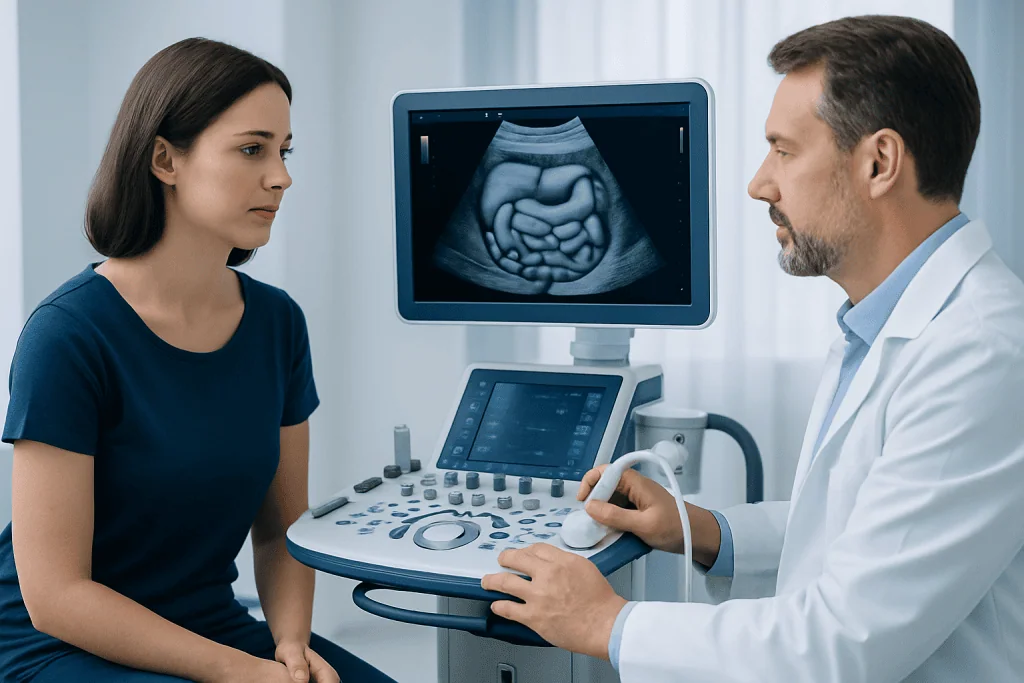
Creatine helps muscles store energy for short, intense activity. It is usually taken as creatine monohydrate powder, capsules, or tablets. Most people tolerate it well, especially when it is used as directed and combined with good fluid intake.
Digestive side effects can happen in some people, but they more often include bloating, stomach discomfort, nausea, or loose stools rather than constipation. These symptoms may be more noticeable if a large amount is taken at once, if the supplement is mixed poorly, or if it is taken on an empty stomach.
Constipation may develop indirectly when a person starts a new fitness plan along with creatine. For example, intense exercise can increase fluid needs, and some people unintentionally become mildly dehydrated. Others shift to a diet that is very high in protein but low in fruits, vegetables, beans, and whole grains, which can reduce stool bulk and make bowel movements harder to pass.
If constipation is the main symptom, it is sensible to look beyond creatine alone and consider the full picture of hydration, meals, daily movement, stress, and any other products being used, including protein powders, pre-workout formulas, and vitamin or mineral supplements.
Common reasons constipation happens after starting creatine

When constipation seems linked to creatine, the timing may be real even if the cause is indirect. Starting a supplement often happens at the same time as changes in eating, exercise, and routine. These can all affect the bowel.
Common contributors include:
- Not drinking enough fluids, especially during heavy training or in hot weather
- Eating more protein but less fiber
- Using other supplements such as iron, calcium, or certain pre-workout ingredients
- Changes in meal timing, travel, or disrupted sleep
- Holding in bowel movements because of a busy schedule or gym routine
- Taking very large servings of creatine, which may upset the stomach and alter normal digestive patterns
Constipation itself usually means fewer bowel movements than usual, hard or dry stools, straining, or a feeling that the bowel has not fully emptied. Some people also notice bloating or mild cramping. These symptoms can overlap with other digestive problems, so pattern and context matter.
If constipation continues despite simple changes, a doctor may also consider other digestive conditions. Depending on the symptoms, evaluation may include causes such as constipation itself as a clinical condition or other bowel problems that need separate treatment.
Who may be more likely to notice constipation
Some people are more prone to constipation whether they use creatine or not. A personal tendency toward irregular bowel habits, low daily fiber intake, limited physical movement outside of workouts, and low baseline fluid intake can all increase the chance of symptoms.
People following strict cutting diets or very high-protein meal plans may be especially affected. If vegetables, fruit, legumes, and whole grains are reduced, stool can become smaller and harder. This may be more noticeable during busy training periods, travel, or competition preparation.
Certain medications and health conditions can also play a role. Examples include opioid pain medicines, some antidepressants, iron supplements, thyroid disorders, and bowel motility issues. If a person already has a sensitive digestive system, adding any new supplement can make them more aware of symptoms even when the supplement is not the sole cause.
Occasionally, symptoms that seem like constipation may be part of a broader digestive issue such as abdominal discomfort, altered bowel habits, or food-related sensitivity. In those situations, a clinician may consider whether a condition such as irritable bowel syndrome could be contributing.
What doctors look for during diagnosis
If constipation is mild and brief, testing is often not needed. A doctor usually begins by asking when the symptom started, how bowel habits have changed, what the stool is like, and whether there are associated symptoms such as bloating, pain, nausea, or rectal bleeding. They will also ask about fluid intake, daily diet, recent exercise changes, and all supplements and medicines being used.
The timing around creatine use is helpful, but doctors generally look at the broader pattern rather than assuming the supplement is the only cause. They may ask whether constipation began during a loading phase, whether the person is taking protein powders or pre-workout products, and whether there has been a reduction in fiber or total calorie intake.
A physical examination may include checking the abdomen for tenderness or distension. In some cases, especially with persistent symptoms, a doctor may recommend blood tests or other studies to rule out thyroid problems, electrolyte imbalance, or digestive disease. If there are red flags such as blood in the stool, anemia, unexplained weight loss, or a major change in bowel habits, further evaluation may be needed.
When constipation does not improve or there is concern about the digestive tract, specialized assessment through gastroenterology care may be appropriate. Testing is guided by symptoms and age rather than by creatine use alone.
Treatment and self-care that usually help
For many people, the first step is to review the routine around creatine rather than stopping it automatically. Drinking enough water throughout the day, especially around exercise, is often the most useful change. Meals should include regular sources of fiber such as vegetables, fruit, oats, beans, lentils, nuts, seeds, and whole grains, increasing gradually if the diet has been low in fiber.
It may also help to divide supplements more sensibly, avoid taking large servings at once, and read labels carefully for other ingredients that could affect digestion. Some people improve by taking creatine with food rather than on an empty stomach. If several new products were started together, adding them one at a time can make it easier to identify what is causing symptoms.
General measures for constipation often include staying physically active, allowing time for bowel movements, and avoiding repeatedly ignoring the urge to go. If needed, a doctor or pharmacist may suggest a short-term over-the-counter remedy, but regular or prolonged use should be guided by a healthcare professional.
When symptoms are persistent or accompanied by other digestive complaints, tailored evaluation may be needed. In some cases, clinicians may assess for upper or lower digestive conditions through services related to digestive and abdominal evaluation or other specialist pathways, depending on the full symptom pattern.
When to seek medical care
Most constipation linked to routine changes is temporary, but certain symptoms deserve prompt medical attention. A person should seek care if constipation lasts more than a few weeks, keeps returning, or does not improve with hydration, diet changes, and basic self-care.
Medical review is especially important if there is severe or worsening abdominal pain, repeated vomiting, marked bloating, inability to pass gas, blood in the stool, black stools, fever, fainting, or unexplained weight loss. These symptoms are not typical of a simple supplement-related issue and may point to a different condition.
People with a history of bowel disease, abdominal surgery, or chronic medical problems should be more cautious about ongoing symptoms. The same applies to anyone older who develops a new change in bowel habits without an obvious explanation.
For international patients, Acibadem International’s multidisciplinary specialists in JCI-accredited hospitals evaluate digestive symptoms and related concerns in a coordinated way when medical assessment is needed.
Prevention tips for people using creatine
Preventing constipation while taking creatine usually comes down to consistent daily habits. The goal is not only to support digestion, but also to support safe, sensible supplement use. Small changes are often enough.
Helpful habits include:
- Drinking fluids regularly throughout the day, not only during workouts
- Keeping fiber in the diet when increasing protein intake
- Introducing creatine gradually if advised by a healthcare professional
- Checking supplement labels for added ingredients that may affect the stomach or bowels
- Maintaining regular meals, sleep, and bathroom routines
- Speaking with a doctor before using supplements if there is kidney disease, digestive disease, or multiple medications
If constipation appears, it can be useful to pause and review the whole routine before blaming one product. A brief symptom diary that includes fluid intake, meals, supplements, exercise, and bowel habits may help identify a pattern.
Anyone who is unsure whether a symptom is related to creatine should consult a qualified doctor or dietitian. A personalized review is the best way to decide whether the supplement is suitable and whether another digestive issue needs attention.
Frequently asked questions
Can creatine cause constipation in some people?
Yes, some people may notice constipation after starting creatine, but the supplement is not usually considered a direct cause. More often, the issue is related to dehydration, diet changes, or other supplements taken at the same time.
Is constipation a common side effect of creatine?
Constipation is not among the most commonly reported digestive effects of creatine. Bloating, mild stomach upset, or loose stools are more typical when digestive side effects happen.
Should a person stop taking creatine if constipation starts?
Not always. It is often reasonable to first review water intake, fiber, meal balance, and any other supplements or medicines, then speak with a healthcare professional if symptoms continue or are bothersome.
How can someone relieve constipation while taking creatine?
Helpful steps usually include drinking enough fluids, increasing fiber gradually, staying active, and avoiding very large supplement servings at one time. If symptoms do not improve, medical advice is appropriate before using regular laxatives.
Can too much protein with creatine lead to constipation?
Yes, that is possible. When a person increases protein but reduces fiber-rich foods like fruit, vegetables, beans, and whole grains, stools can become harder and more difficult to pass.
When is constipation serious enough to see a doctor?
Medical review is important if constipation lasts more than a few weeks, keeps returning, or comes with severe pain, vomiting, blood in the stool, black stools, fever, or unexplained weight loss. These signs suggest that something other than a simple routine change may be involved.
References
- National Institute of Diabetes and Digestive and Kidney Diseases
- National Institutes of Health Office of Dietary Supplements
- Mayo Clinic
- American Gastroenterological Association
This article is for general information only and is not a substitute for professional medical advice. Please consult a qualified doctor about your individual situation.
Persistent digestive symptoms? Get evaluated in Turkey
JCI-accredited · board-certified surgeons · reply within 24h

More from the Health Library



Related Specialists

Dr. Özlem Özkalaycı
Anesthesiology
Dr. Yaser Süleymanoğlu
Internal Medicine
Assoc. Prof. Dr. Keramettin Yanık
Clinical Laboratory
Dyt. Pakize Gizem Akgül
Nutrition & Diet