Color Therapy: Symptoms, Causes, and Treatment Options

Color therapy, also called chromotherapy, is considered a complementary rather than primary medical treatment. People most often use color therapy for stress reduction, relaxation, mood support, and wellness routines.
Key Takeaways
- Color therapy, also called chromotherapy, is considered a complementary rather than primary medical treatment.
- People most often use color therapy for stress reduction, relaxation, mood support, and wellness routines.
- Scientific evidence for color therapy is limited, and benefits may vary from person to person.
- Persistent symptoms such as depression, anxiety, insomnia, pain, or vision changes need medical evaluation.
- Safe care starts with using color therapy only as an addition to professional treatment, not instead of it.
Color therapy is a complementary practice that uses colors, light, or visual surroundings to support relaxation and emotional well-being. It may help some people feel calmer or more focused, but it is not a replacement for evidence-based medical or mental health treatment.
Overview: what color therapy is and what it can do
Color therapy, sometimes called chromotherapy, is a complementary wellness approach based on the idea that different colors may influence mood, attention, comfort, or relaxation. It may involve colored light, guided visualization, room design, art activities, or exposure to certain tones in daily surroundings. Some people use it to create a calming environment, improve focus, or support stress management.
From a medical perspective, color therapy is not considered a standard treatment for disease. Research into how color affects emotion, behavior, and perception is ongoing, but evidence does not show that color therapy can cure physical or mental health conditions. It is best viewed as a supportive practice that may help some people feel more comfortable when used alongside conventional care.
It is also important to distinguish color therapy from established treatments that use light in specific clinical ways. For example, medically supervised bright-light treatment for seasonal mood symptoms differs from general color-based wellness practices. In other words, color therapy may be part of a self-care routine, but diagnosis and treatment for ongoing symptoms should still come from a qualified healthcare professional.
How color may affect mood, stress, and perception

Colors can influence human experience in subtle ways. Warm colors such as red, orange, and yellow are often associated with energy, alertness, or stimulation, while cooler colors such as blue and green are commonly linked with calm, balance, or restfulness. These effects are not universal, and culture, past experiences, personal preferences, and the setting all shape how a person responds.
Part of color therapy’s appeal comes from this real connection between visual environments and emotional state. A quiet room with soft lighting may feel more soothing than a bright, crowded space. Similarly, engaging with art, nature, or color-focused relaxation exercises may support mindfulness and stress reduction. For some people, these practices can be a useful addition to broader wellness habits.
However, these responses are not the same as treating the cause of a medical problem. A calming color palette may make a person feel more relaxed, but it does not diagnose or correct a mood disorder, chronic pain condition, sleep disorder, or neurological disease. If symptoms are frequent, severe, or disruptive, medical assessment remains the most important step.
Why people use color therapy: common concerns and symptoms
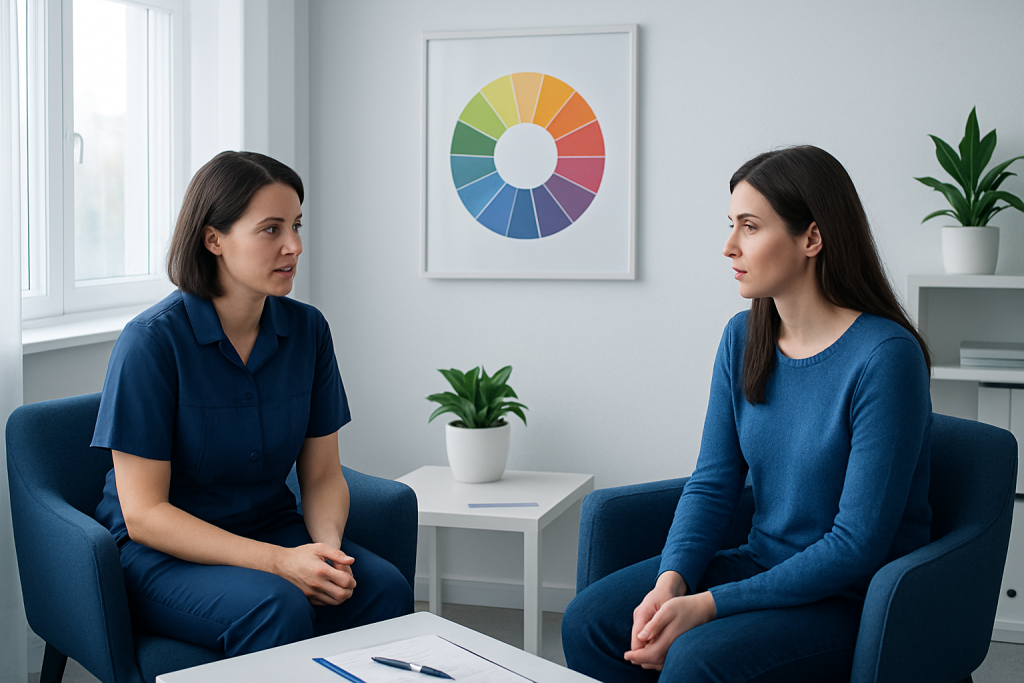
People usually seek color therapy because they want relief from symptoms that affect day-to-day well-being rather than because they have a color-related illness. Common concerns include stress, feeling mentally tired, low mood, irritability, trouble focusing, poor sleep, and a general sense of emotional imbalance. Some also use it during meditation, breathing exercises, or massage to make relaxation sessions feel more structured.
In wellness settings, color therapy is sometimes promoted for headaches, fatigue, anxiety, sadness, or low motivation. These symptoms are common, but they can have many possible causes. For example, tiredness may be linked to poor sleep, anemia, thyroid disease, depression, or infection. Headaches may relate to dehydration, tension, migraine, vision problems, or other conditions. Because symptoms overlap, self-diagnosis can be misleading.
If symptoms suggest an underlying condition, targeted medical care may be more appropriate than relying on color exposure alone. A person with repeated headaches may need assessment for migraine. Someone with ongoing low mood, poor concentration, or sleep disturbance may benefit from professional mental health support. Color therapy may still be used as a comfort measure, but it should not delay proper evaluation.
Limits, risks, and who should be cautious
Color therapy is generally low risk when it involves everyday visual exposure, art, or environment-based relaxation. Still, it has important limits. The main concern is not usually the colors themselves, but the possibility of depending on them instead of getting timely medical care. Symptoms such as chest pain, severe anxiety, suicidal thoughts, sudden vision changes, persistent insomnia, fainting, or unexplained pain should never be managed with complementary therapy alone.
Some forms of colored or bright light exposure may also be uncomfortable for sensitive individuals. People with migraine, certain eye conditions, light sensitivity, or sleep problems may find particular lighting aggravating rather than soothing. Those with bipolar disorder should be especially cautious with self-directed light-based practices, since changes in light exposure can affect sleep-wake patterns and mood stability.
Children, older adults, and people with neurological or psychiatric conditions should use any structured sensory therapy thoughtfully and, when appropriate, with medical guidance. A healthcare professional can help determine whether symptoms relate to stress, a sleep disorder, a mood disorder, visual strain, or another health issue that needs more specific treatment.
How doctors evaluate symptoms behind an interest in color therapy
There is no medical test that confirms a person “needs” color therapy. Instead, doctors evaluate the symptoms that led someone to seek it. This usually begins with a detailed history of mood, sleep, stress, headaches, energy level, concentration, current medications, and any triggers. Depending on the concern, the doctor may also ask about work habits, screen use, diet, exercise, and recent life changes.
A physical examination may be followed by more focused assessment if needed. For example, persistent headaches may lead to a neurological review, and ongoing fatigue may prompt blood tests. Sleep difficulties might be assessed through sleep history and, in selected cases, formal testing. If mood symptoms are prominent, screening for anxiety or depression can help guide care. Some patients with stubborn sleep issues may be evaluated through sleep study testing.
When vision strain, light sensitivity, or eye discomfort is part of the problem, an eye examination can be helpful. In some situations, symptoms attributed to a wellness imbalance may turn out to reflect an identifiable medical condition. The goal of diagnosis is not to dismiss complementary approaches, but to make sure important causes are not missed and that treatment is appropriate.
Treatment options: where color therapy fits in
Treatment depends on the symptom and its cause. If a person is mainly seeking relaxation, color therapy may be used as one small part of a broader wellness routine that includes regular sleep, exercise, balanced nutrition, stress management, and social support. Some people combine calming colors with breathing exercises, meditation, journaling, or art-based activities because the routine helps them slow down and feel more grounded.
For diagnosed conditions, evidence-based treatment should come first. Anxiety, depression, insomnia, chronic headaches, and pain disorders often improve with a structured plan that may include psychotherapy, lifestyle measures, medication, rehabilitation, or specialist care. For example, people with severe or recurrent headaches may need migraine treatment, while those struggling with mood and stress may benefit from psychiatric evaluation and care.
Some symptoms may relate to disorders that need more comprehensive assessment and management. Sleep difficulties can sometimes be linked to conditions such as sleep apnea, which requires medical diagnosis rather than self-care alone. In selected cases, a doctor may also recommend clinically supervised light-based approaches for circadian rhythm or seasonal mood issues, which are different from general color therapy. The safest approach is to use color therapy as a supportive measure within a plan guided by qualified professionals.
Self-care, practical use, and when to seek medical care
People who want to try color therapy can do so in simple, low-risk ways. They may adjust room colors, use gentle lighting, spend time in natural environments, or include color-focused imagery in relaxation exercises. The most helpful method is usually the one that feels calming, comfortable, and easy to maintain. Keeping expectations realistic is important: the aim is support for well-being, not treatment of disease.
Basic self-care should still come first. Good sleep habits, regular physical activity, hydration, limiting late-night screen exposure, and structured stress reduction often have a stronger effect on mood and energy than sensory wellness practices alone. If a person notices that certain lighting worsens headaches, eye strain, or sleep, it is sensible to reduce exposure and discuss symptoms with a clinician.
Medical care should be sought if symptoms are persistent, worsening, or interfering with daily life. A person should speak with a doctor for repeated headaches, ongoing low mood, panic symptoms, significant insomnia, extreme fatigue, difficulty functioning, or any sudden change in vision or neurological symptoms. Near the end of the care pathway, some patients may choose supportive wellness practices in addition to standard treatment. Acibadem International’s multidisciplinary specialists and JCI-accredited hospitals evaluate and treat related conditions for international patients when specialist assessment is needed.
Frequently asked questions
Is color therapy scientifically proven?
Color therapy is not considered a scientifically proven treatment for medical or psychiatric conditions. While color can influence mood and perception, current evidence does not show that color therapy cures disease. It may still be used as a complementary wellness practice if it does not replace proper care.
What is the difference between color therapy and light therapy?
Color therapy usually refers to the use of specific colors or colored environments to support relaxation or emotional balance. Clinical light therapy uses controlled light exposure for specific conditions, such as certain sleep-wake or seasonal mood problems, under medical guidance. The two are related in concept but are not the same in evidence or purpose.
Can color therapy help anxiety or depression?
Some people find that calming colors or structured relaxation with color imagery helps them feel less tense in the moment. However, anxiety and depression are medical conditions that often need professional assessment and treatment. Color therapy should only be seen as a supportive tool, not a substitute for therapy, medication, or other recommended care.
Are there any side effects of color therapy?
Simple color-based practices such as room design or art activities are usually low risk. Problems are more likely if bright or colored light worsens migraine, eye strain, light sensitivity, or sleep patterns. The biggest risk is delaying diagnosis or treatment for symptoms that need medical attention.
Who should avoid self-treating with color therapy alone?
Anyone with severe, persistent, or unexplained symptoms should avoid relying on color therapy by itself. This includes people with major sleep problems, panic attacks, suicidal thoughts, sudden vision changes, neurological symptoms, or disabling headaches. In these situations, prompt medical evaluation is important.
How can someone try color therapy safely?
A safe approach is to use gentle, comfortable color-based practices as part of a broader self-care routine. This may include calming home lighting, art activities, mindfulness, and attention to sleep and stress habits. If symptoms continue or worsen, a healthcare professional should evaluate the underlying cause.
References
- World Health Organization
- National Center for Complementary and Integrative Health
- American Psychiatric Association
- National Institute of Mental Health
- American Academy of Sleep Medicine
This article is for general information only and is not a substitute for professional medical advice. Please consult a qualified doctor about your individual situation.
Explore treatments in Turkey — costs, top hospitals & a free quote
JCI-accredited · board-certified surgeons · reply within 24h
Add us as a Preferred Source to see more of our trusted health content across Google Search, AI Overviews and Discover.

More from the Health Library



Related Specialists

Prof. Dr. Ali Bülent Antmen
Pediatrics
Prof. Dr. Burak Özkan
Urology
Prof. Dr. G. Ertuğrul Mirza
Ophthalmology
Dr. İzzet Mammedov
Otorhinolaryngology