Dogs and Cancer Treatment: How It Works, Results and What to Expect
Veterinary cancer care aims to maintain a dog’s comfort and normal activities as much as possible. Surgery, chemotherapy, radiation therapy and palliative care may be used alone or in combination.
Key Takeaways
- Veterinary cancer care aims to maintain a dog’s comfort and normal activities as much as possible.
- Surgery, chemotherapy, radiation therapy and palliative care may be used alone or in combination.
- A diagnosis usually requires examination, imaging and sampling of the affected tissue or cells.
- Dogs often tolerate chemotherapy differently from people, with protocols designed to prioritize quality of life.
- Changes in appetite, breathing, mobility, pain or behavior should be discussed promptly with a veterinarian.
Dogs and cancer treatment is individualized around the cancer type, its extent, the dog’s overall health and, above all, day-to-day comfort. Treatment can sometimes remove or control cancer, while palliative care can relieve symptoms when cure is not realistic or is not the family’s goal.
Dogs and Cancer Treatment: How It Works
Dogs and cancer treatment works by identifying the cancer accurately and selecting care that offers the best balance of disease control, comfort and everyday wellbeing. Depending on the diagnosis, treatment may aim to remove all visible cancer, slow its growth, reduce symptoms, or support a peaceful quality of life. The appropriate plan is different for every dog.
Cancer is not one disease. It includes many conditions that behave differently, from a small skin mass that can be removed surgically to cancers affecting blood cells or internal organs. The outlook depends on the cancer type, grade or aggressiveness, whether it has spread, the location of the tumour, and the dog’s age and other health conditions.
Veterinary teams generally focus on keeping dogs able to enjoy familiar activities such as eating, resting comfortably, interacting with family and moving around safely. Regular reassessment matters because both the cancer and a dog’s needs can change over time.
Assessment and Candidacy for Treatment
Before recommending treatment, a veterinarian will take a detailed history and perform a physical examination. They may recommend blood and urine tests, X-rays, ultrasound, CT or MRI scans, and tests on a lump or affected organ. Fine-needle aspiration collects cells with a small needle, while a biopsy removes a tissue sample; both can help identify the cancer and guide treatment choices.
Staging describes how far a cancer has progressed. It may include checking nearby lymph nodes, the chest and abdomen, and other sites where that particular cancer can spread. Staging is useful not only for estimating outlook but also for avoiding treatment that is unlikely to help.
A dog may be a candidate for active treatment if the expected benefits are meaningful, treatment side effects are likely to be manageable, and the dog’s general health permits it. Family circumstances, ability to attend follow-up appointments and the dog’s temperament are also valid parts of shared decision-making. Choosing symptom-focused care is also an active, compassionate medical decision for many families.
Treatment Options and the Step-by-Step Process
Surgery is often the first option for a cancer that is localized and can be removed with an appropriate margin of healthy tissue. The dog is assessed for anaesthesia, the operation is planned using examination and imaging findings, and the removed tissue is usually sent for laboratory analysis. Results may show whether surgery is likely to be sufficient or whether further treatment should be considered.
Chemotherapy uses medicines that target rapidly dividing cancer cells. It may be used after surgery, before surgery to shrink certain tumours, or as the main treatment for cancers such as lymphoma. Veterinary protocols are usually tailored to preserve quality of life, and medicines may be given by injection, infusion or by mouth. The veterinary team checks the dog regularly with examinations and blood tests and adjusts the plan if needed.
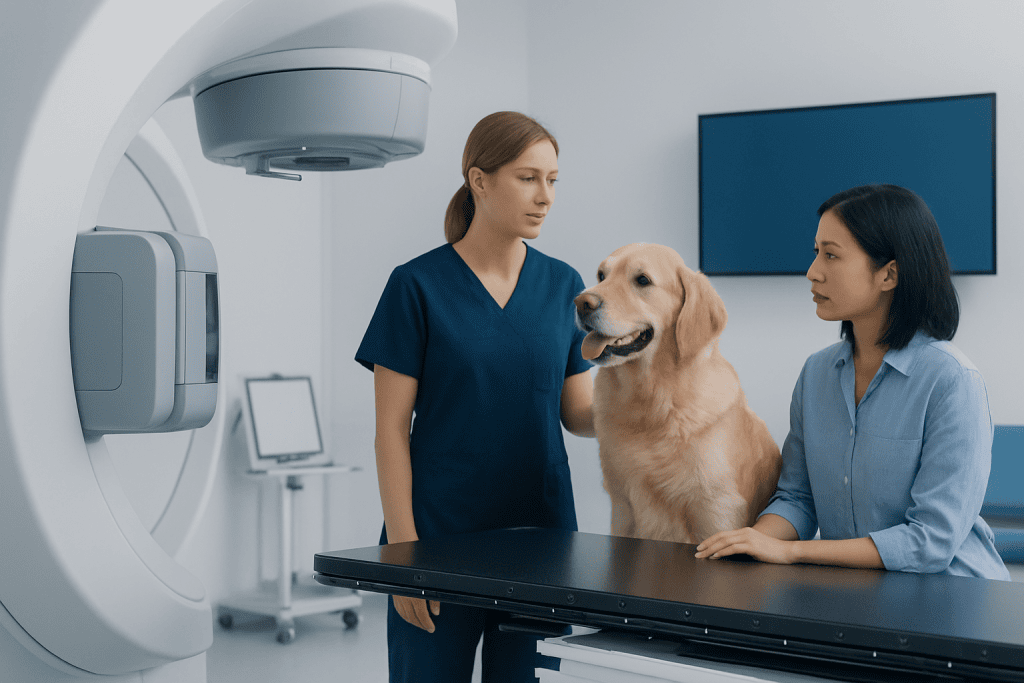
Radiation therapy directs carefully planned radiation at a tumour when surgery is not possible, when cancer remains after surgery, or to relieve local symptoms. Planning scans help the radiation oncology team shape treatment to the target area. Radiation is often delivered over several visits, and dogs generally need short anaesthesia or sedation to remain still for accurate positioning.
Some dogs may benefit from targeted medicines, immunotherapy, hormone-based treatment or clinical trials, depending on the diagnosis and availability. Palliative care can be combined with cancer-directed treatment at any point. It may include pain relief, anti-nausea medicine, nutritional support, wound care and help with mobility or breathing comfort.
Benefits, Risks and Recovery Timeline
The potential benefit of treatment may be cure, long-term control, remission, tumour shrinkage or relief of distressing symptoms. A veterinary oncologist can explain what outcome is realistic for a particular diagnosis and how treatment response will be monitored. It is helpful for families to agree in advance on the signs that would suggest the plan is helping and the signs that should prompt a change in goals.
Risks depend on the treatment. Surgery can involve pain, bleeding, infection, wound complications and anaesthetic risk. Chemotherapy may cause tiredness, reduced appetite, vomiting, diarrhoea or low blood cell counts, although severe effects are less common with many veterinary protocols. Radiation can cause irritation of skin or nearby tissues, with side effects varying according to the treatment site.
Recovery after a simple surgical procedure may take around 10 to 14 days, while more extensive surgery can require a longer, more individualized recovery. After chemotherapy, some dogs have no noticeable effects, while others may have short-lived digestive upset or fatigue in the days after a treatment. Radiation side effects may arise gradually during a course of treatment or shortly afterward, so ongoing communication with the clinical team is important.
At home, caregivers should follow instructions about medication, activity restriction, incision care and follow-up tests. Keeping a brief daily record of appetite, water intake, comfort, mobility, sleep and interest in usual activities can make changes easier to recognize and discuss with the veterinarian.
Is It Worth Putting a Dog Through Cancer Treatment?
It may be worth putting a dog through cancer treatment when the likely benefits align with the dog’s comfort, personality and family goals. For some cancers, treatment can provide a long period of good quality of life; for others, it may mainly ease symptoms or offer additional time. There is no single right choice, and a veterinarian can help families compare expected benefits, burdens and alternatives.
Dogs do not understand treatment in the same way people do, so practical wellbeing is central. Questions to ask include whether the dog can still enjoy meals, walks, affection and rest; how often visits will be needed; what side effects are possible; and what can be done if treatment becomes too difficult. A treatment plan can be modified or stopped if it no longer supports the agreed goals.
A quality-of-life discussion should not be viewed as giving up. It helps ensure that care remains kind, appropriate and focused on the individual dog. Veterinary hospice and palliative care can provide valuable support whether or not cancer-directed treatment is chosen.
How Long Should I Let My Dog Live With Cancer?
How long a dog can live with cancer varies widely and cannot be answered safely without knowing the exact diagnosis, stage, symptoms and treatment options. Some slow-growing or localized cancers may be managed for a long time, while aggressive cancers can progress quickly. A veterinarian can give the most useful estimate after diagnostic testing and can explain the uncertainty that remains.
The most important guide is usually quality of life rather than a calendar date. Families and veterinary professionals may monitor pain, appetite, hydration, breathing, mobility, hygiene, sleep, social interaction and the number of good days compared with difficult days. A written quality-of-life plan can help make decisions less overwhelming during an emotional time.
It is appropriate to ask the veterinarian directly about comfort-focused options, urgent warning signs and how to plan for end-of-life care if that becomes necessary. Early planning does not mean a decision must be made immediately; it gives the family time to understand choices and respond calmly if the dog’s condition changes.
Are Dogs in Pain If They Have Cancer?
Dogs with cancer may have pain, but not every cancer is painful and dogs can experience discomfort in different ways. Pain may occur when a tumour affects bone, nerves, an organ, the mouth, or tissues that are stretched or inflamed. Cancer can also contribute to tiredness, nausea, weakness or reduced movement without obvious signs of pain.
Possible signs include reluctance to climb stairs or jump, limping, restlessness, panting when not hot or active, sensitivity when touched, reduced appetite, hiding, changes in posture, vocalizing or less interest in normal activities. Dogs may also mask discomfort, so subtle changes in behavior deserve attention.
Pain should not be managed with human medicines unless a veterinarian specifically instructs it. Some common human pain relievers are dangerous for dogs. Veterinary teams can create a multimodal comfort plan that may include prescribed pain medicine, treatment for nausea, supportive bedding, activity adjustments and management of the cancer itself.
What Are the Last Stages of Cancer in Dogs?
The last stages of cancer in dogs can look different depending on the cancer and where it has spread. A dog may become increasingly weak, eat and drink less, lose weight, sleep more, have difficulty standing or walking, show persistent discomfort, or become less interested in surroundings. Cancers affecting the lungs, brain, digestive system or other organs may cause additional symptoms related to those areas.
Rapid breathing at rest, laboured breathing, collapse, repeated vomiting, uncontrolled pain, seizures, severe bleeding, a swollen abdomen, inability to urinate or defecate, or marked distress need urgent veterinary assessment. These signs can have causes other than cancer, but they should not be monitored at home without professional advice.
In advanced illness, the veterinary team can help families assess comfort and consider hospice support, symptom relief and humane end-of-life decisions when suffering cannot be adequately controlled. The aim is to prevent avoidable distress and preserve dignity for the dog and family.
Frequently asked questions
Can cancer in dogs be cured?
Some cancers in dogs can be cured, particularly when they are found early and can be completely removed or treated effectively. Other cancers are more likely to be controlled rather than cured. The outlook depends on the specific cancer type, grade, location and whether it has spread.
Do dogs lose their fur during chemotherapy?
Most dogs do not lose their coat in the same pattern as people receiving chemotherapy. However, some breeds with continuously growing hair may experience thinning or hair loss. Whiskers may also become thinner or fall out temporarily.
How do veterinarians diagnose cancer in dogs?
Diagnosis usually starts with an examination and may include blood tests, imaging and analysis of cells or tissue from a mass. A biopsy is often needed to identify the cancer type and grade accurately. Additional tests may be used to determine whether the cancer has spread.
Can a dog have a good quality of life during cancer treatment?
Many dogs can maintain a good quality of life during treatment, especially when the plan is tailored to their health and comfort. Veterinary oncology protocols commonly prioritize manageable side effects and regular monitoring. Any persistent change in appetite, activity, vomiting, diarrhoea or behavior should be reported to the veterinary team.
What should a dog with cancer eat?
The best diet depends on the dog’s cancer, body condition, appetite, other illnesses and treatment plan. Maintaining adequate calorie and protein intake is often important, especially if weight loss is occurring. A veterinarian or veterinary nutritionist can recommend a safe, practical feeding approach.
When should a dog with cancer see a veterinarian urgently?
Urgent assessment is needed for trouble breathing, collapse, seizures, severe weakness, uncontrolled pain, repeated vomiting, major bleeding or a suddenly swollen abdomen. A dog that stops eating or drinking, cannot stand, or seems markedly distressed should also be evaluated promptly. The regular veterinary team or an emergency veterinary service can advise on the next steps.
References
- American Veterinary Medical Association
- American College of Veterinary Internal Medicine
- Veterinary Cancer Society
- Merck Veterinary Manual
This article is for general information only and is not a substitute for professional medical advice. Please consult a qualified doctor about your individual situation.
Oncology care in Turkey — second opinion and treatment plan
JCI-accredited · board-certified surgeons · reply within 24h
Add us as a Preferred Source to see more of our trusted health content across Google Search, AI Overviews and Discover.
Check your numbers in seconds
BMI, calories, due date, blood pressure and 30+ more clinical calculators — free, instant, doctor-reviewed ranges.