Urinary Tract Infection in Adults: Symptoms and When to Seek Care

UTIs can affect the bladder, urethra, kidneys, or other parts of the urinary tract, with bladder infections being the most common in adults. Typical symptoms include burning during urination, frequent or urgent urination, cloudy urine, pelvic discomfort, and sometimes blood in the urine.
Key Takeaways
- UTIs can affect the bladder, urethra, kidneys, or other parts of the urinary tract, with bladder infections being the most common in adults.
- Typical symptoms include burning during urination, frequent or urgent urination, cloudy urine, pelvic discomfort, and sometimes blood in the urine.
- Fever, back or side pain, nausea, vomiting, pregnancy, male sex, or symptoms in older or medically vulnerable adults require prompt medical assessment.
- Most bacterial UTIs are treated with antibiotics chosen according to the person’s history, symptoms, and sometimes urine test results.
- Hydration, regular urination, good genital hygiene, and tailored medical advice can reduce the risk of recurrent infections.
A urinary tract infection in adults is common and usually treatable, but symptoms should not be ignored. Early recognition and appropriate medical care can help prevent discomfort, recurrence, and complications.
Overview
A urinary tract infection, often called a UTI, occurs when harmful microorganisms, most often bacteria, grow in part of the urinary system. The urinary tract includes the kidneys, ureters, bladder, and urethra. In adults, the most common type is a bladder infection, also known as cystitis. Infections can also involve the urethra or, less commonly but more seriously, travel upward to the kidneys.
UTIs are common in adult women because the female urethra is shorter and closer to the anus, making it easier for bacteria to reach the bladder. However, men can also develop UTIs, particularly with prostate enlargement, urinary retention, catheter use, kidney stones, or other urinary tract conditions. UTIs in men are generally assessed more carefully because an underlying factor may be present.
Most uncomplicated UTIs improve well with the right treatment. Still, symptoms such as burning, urgency, or pelvic discomfort are signs that the urinary tract may be irritated or infected and should be taken seriously. Seeking medical advice helps confirm the diagnosis, guide treatment, and identify situations where more urgent care is needed.
Common Symptoms of a UTI
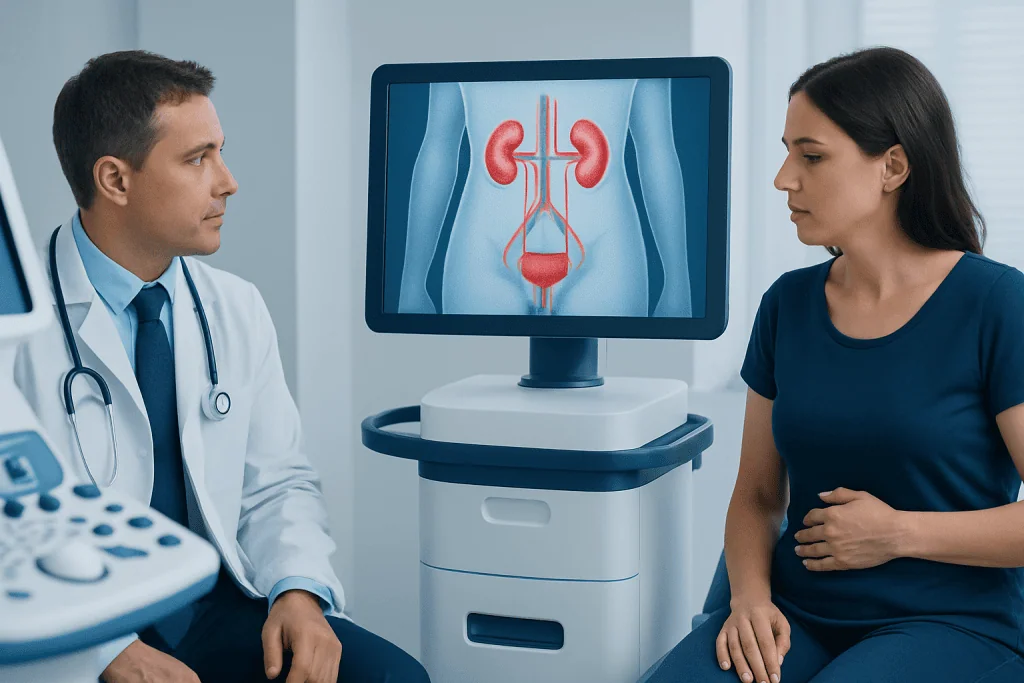
UTI symptoms can vary depending on which part of the urinary tract is affected. A lower UTI, usually involving the bladder or urethra, often causes discomfort during urination and changes in urinary habits. Some people have mild symptoms, while others feel significant urgency or pain.
Common symptoms of a bladder infection include:
- A burning or stinging sensation when passing urine
- Needing to urinate more often than usual
- A strong urge to urinate, even when little urine comes out
- Cloudy, dark, or strong-smelling urine
- Lower abdominal or pelvic discomfort
- Blood in the urine, which may appear pink, red, or tea-colored
- A feeling that the bladder has not fully emptied
Symptoms of a kidney infection may include fever, chills, pain in the back or side, nausea, vomiting, or feeling generally unwell. These symptoms need prompt medical evaluation because kidney infections require timely treatment. In older adults, symptoms may be less typical and can include worsening fatigue, reduced appetite, new urinary incontinence, or a general decline in wellbeing, especially when other health conditions are present.
Causes and Risk Factors

Most UTIs are caused by bacteria that normally live in the bowel and enter the urinary tract through the urethra. The immune system and normal urine flow usually help prevent infection, but bacteria can sometimes attach to the lining of the urinary tract and multiply. Sexual activity, changes in vaginal bacteria, and incomplete bladder emptying can increase the chance of infection in some adults.
Several factors may raise the risk of UTI. These include a previous UTI, pregnancy, menopause, diabetes, kidney stones, enlarged prostate, urinary catheter use, immune system problems, or abnormalities in the urinary tract. Dehydration and delaying urination for long periods may also contribute by reducing the flushing action of urine.
After menopause, lower estrogen levels can affect the tissues around the urethra and change the balance of bacteria in the genital area. This can make recurrent UTIs more likely for some women. In men, prostate enlargement can slow urine flow or prevent complete bladder emptying, creating conditions where bacteria may grow more easily.
Not every episode of burning urination is caused by a UTI. Vaginal infections, sexually transmitted infections, irritation from hygiene products, bladder pain syndrome, kidney stones, and some skin conditions can cause similar symptoms. This is one reason medical assessment is important, especially if symptoms are unusual, recurrent, or not improving.
Diagnosis
A doctor usually begins by asking about symptoms, medical history, medicines, pregnancy status if relevant, previous UTIs, and risk factors such as diabetes or urinary tract problems. A physical examination may be needed depending on the symptoms. For many adults with typical lower UTI symptoms, a urine test helps support the diagnosis and guide treatment.
A urine dipstick test can quickly check for signs such as white blood cells, nitrites, or blood. A urinalysis may be performed in a laboratory to look more closely for inflammation or other abnormalities. A urine culture may be recommended when symptoms are more severe, infections are recurrent, the person is pregnant, the patient is male, there are signs of kidney infection, or initial treatment does not work. Culture testing can identify the bacteria and which antibiotics are likely to be effective.
Imaging tests are not needed for most simple UTIs. However, ultrasound, CT imaging, or other investigations may be considered if there are repeated infections, suspected kidney stones, obstruction, blood in the urine that persists, or an unusual course of illness. The aim is to find and treat any underlying cause that may make infections more likely.
Treatment Options
Most bacterial UTIs are treated with antibiotics. The choice of antibiotic depends on the suspected site of infection, local resistance patterns, the person’s allergies and medical history, pregnancy status, kidney function, and urine culture results when available. It is important to take antibiotics exactly as prescribed and to complete the course unless a doctor advises otherwise.
Symptoms often begin to improve within a short time after starting appropriate treatment, but this does not always mean the infection is fully cleared. If symptoms persist, worsen, or return soon after treatment, a doctor should be contacted. A different diagnosis, antibiotic resistance, kidney involvement, or an underlying urinary problem may need to be considered.
Supportive measures can help relieve discomfort while treatment takes effect. Drinking enough fluids, resting, and avoiding bladder irritants such as alcohol, excessive caffeine, and very spicy foods may be helpful for some people. Pain relief medicines may be recommended by a doctor or pharmacist, but they do not replace antibiotics when a bacterial infection is present.
People should not use leftover antibiotics or take antibiotics prescribed for someone else. Incorrect antibiotic use may fail to treat the infection and can contribute to antibiotic resistance. A clinician can determine whether antibiotics are needed and which option is most appropriate.
Prevention and Self-care
While not every UTI can be prevented, simple habits may reduce risk. Drinking fluids regularly supports urine flow, which helps flush bacteria from the urinary tract. Urinating when the urge is present, rather than holding urine for long periods, may also help. After bowel movements, wiping from front to back can reduce the spread of bowel bacteria toward the urethra.
For people who notice UTIs after sexual activity, urinating soon after sex may be useful. Gentle genital hygiene is recommended, but harsh soaps, perfumed sprays, and douching can irritate sensitive tissues and may worsen symptoms. Comfortable, breathable underwear and avoiding prolonged damp clothing may also help reduce irritation.
Adults with recurrent UTIs should speak with a doctor rather than repeatedly self-treating. Prevention strategies may include checking for contributing conditions, adjusting contraceptive methods if spermicides are involved, considering vaginal estrogen for some postmenopausal women, or using a personalized medical prevention plan. Supplements such as cranberry products may help some people, but evidence is mixed and they are not a substitute for medical care.
When to See a Doctor
Adults should contact a healthcare professional if they develop typical UTI symptoms such as burning urination, frequent urination, urgency, pelvic discomfort, or blood in the urine. Prompt advice is especially important if symptoms are new, severe, recurrent, or occur in a person with diabetes, kidney disease, immune suppression, a urinary catheter, or known urinary tract abnormalities.
Medical care should be sought urgently for fever, chills, back or side pain, nausea, vomiting, confusion, marked weakness, pregnancy, or signs of dehydration. These features may suggest a kidney infection or a more complicated infection that needs timely assessment. Men with UTI symptoms should also be evaluated, as UTIs in men may be linked to prostate or urinary flow problems.
If symptoms do not improve after starting treatment, or if they return soon after antibiotics are finished, follow-up is important. Further urine testing, culture results, or imaging may be needed. Acibadem International’s multidisciplinary specialists and JCI-accredited hospitals diagnose and treat urinary tract conditions for international patients, including adults with recurrent or complicated infections.
Frequently asked questions
Can a UTI go away on its own?
Some very mild urinary symptoms may improve with hydration and time, but a true bacterial UTI often needs antibiotic treatment. Delaying care can allow symptoms to worsen or, in some cases, infection to spread to the kidneys. Adults with typical UTI symptoms should seek medical advice, especially if symptoms are persistent, recurrent, or severe.
What is the difference between a bladder infection and a kidney infection?
A bladder infection is a lower urinary tract infection and usually causes burning urination, urgency, frequency, and lower abdominal discomfort. A kidney infection is an upper urinary tract infection and may cause fever, chills, back or side pain, nausea, or vomiting. Kidney infection symptoms need prompt medical evaluation.
Why do women get UTIs more often than men?
Women have a shorter urethra, so bacteria have a shorter distance to travel to reach the bladder. The urethra is also located closer to the anus, where bowel bacteria naturally live. Hormonal changes, sexual activity, and some contraceptive methods can also influence UTI risk.
Is blood in the urine normal with a UTI?
Blood in the urine can occur with a bladder infection, but it should not be ignored. It often improves after appropriate treatment, but persistent or recurrent blood in the urine needs medical evaluation. Other causes, such as stones or urinary tract conditions, may need to be ruled out.
Are UTIs contagious?
UTIs are not usually considered contagious in the way colds or flu are. They typically occur when a person’s own bacteria enter and grow in the urinary tract. However, sexually transmitted infections can cause urinary symptoms, so testing may be needed if there is any concern about exposure.
How can recurrent UTIs be managed?
Recurrent UTIs should be assessed by a doctor to confirm the diagnosis and look for contributing factors. Management may include urine cultures, lifestyle measures, review of sexual or contraceptive factors, treatment of vaginal or prostate-related issues, or preventive medication in selected cases. The best plan depends on the individual’s health history and test results.
References
- World Health Organization
- Centers for Disease Control and Prevention
- European Association of Urology
- National Institute for Health and Care Excellence
- Mayo Clinic
This article is for general information only and is not a substitute for professional medical advice. Please consult a qualified doctor about your individual situation.
Urinary Tract Infection in Turkey — costs, top hospitals & a free quote
JCI-accredited · board-certified surgeons · reply within 24h