Urinary Incontinence in Women: Types, Causes, and Treatment

Urinary incontinence means accidental urine leakage, and it can occur at any age, especially after pregnancy, childbirth, menopause, or pelvic surgery. The main types include stress, urge, mixed, overflow, and functional incontinence, each with different causes and treatments.
Key Takeaways
- Urinary incontinence means accidental urine leakage, and it can occur at any age, especially after pregnancy, childbirth, menopause, or pelvic surgery.
- The main types include stress, urge, mixed, overflow, and functional incontinence, each with different causes and treatments.
- Diagnosis usually includes a medical history, bladder diary, pelvic examination, urine testing, and sometimes specialized bladder studies.
- Treatment may include lifestyle changes, pelvic floor physical therapy, bladder training, medications, devices, or surgery depending on the type and severity.
- Women should seek medical advice if leakage affects daily life, occurs with pain or blood in the urine, or starts suddenly.
Urinary incontinence in women is common and treatable, but many women delay asking for help because they feel embarrassed or assume it is a normal part of aging. Understanding the type and cause of leakage is the first step toward choosing the most effective treatment.
Overview
Urinary incontinence in women is the involuntary leakage of urine. It may happen during coughing, laughing, sneezing, exercise, a sudden urge to urinate, or when the bladder does not empty properly. Although it is very common, it is not something women need to accept as inevitable. In many cases, symptoms can be improved or controlled with the right diagnosis and a personalized treatment plan.
Incontinence can affect confidence, sleep, work, social activities, intimacy, and exercise habits. Some women begin avoiding travel, limiting fluid intake too much, or planning daily life around bathroom access. These coping strategies may provide short-term reassurance, but they do not address the underlying problem and can sometimes worsen bladder irritation or constipation.
The most helpful first step is to identify the type of incontinence. Different patterns of leakage have different causes. A woman who leaks while running may need a different approach from someone who cannot reach the toilet in time after a sudden urge. A healthcare professional can assess symptoms, check for reversible causes, and recommend safe treatment options.
Types of Urinary Incontinence in Women
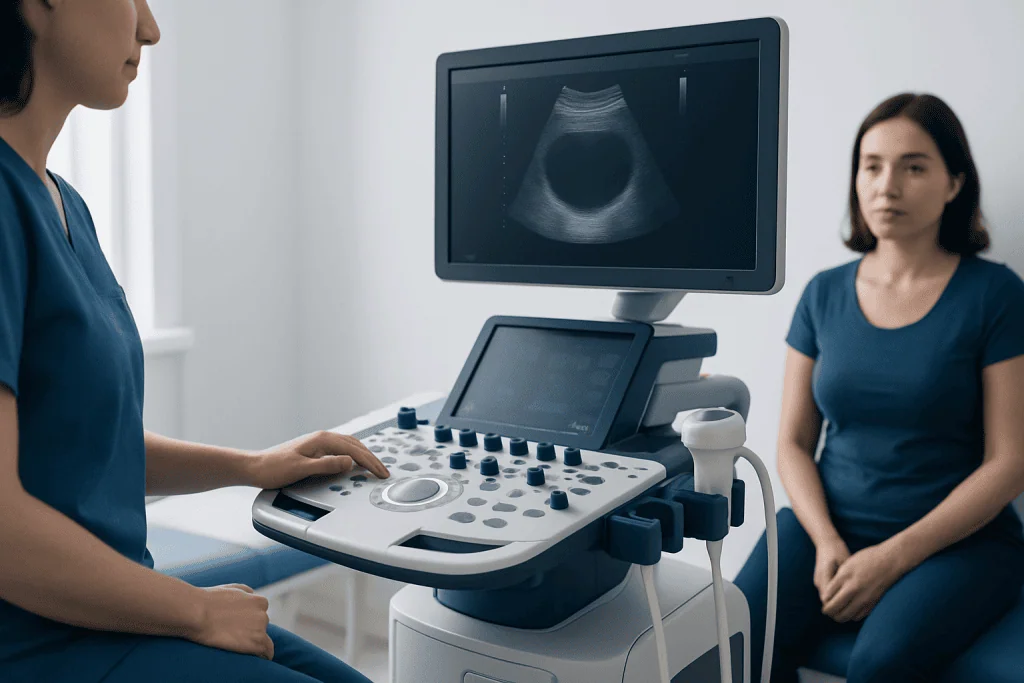
The main types of urinary incontinence in women are stress incontinence, urge incontinence, mixed incontinence, overflow incontinence, and functional incontinence. Some women have more than one type at the same time, so describing when leakage occurs is important during medical evaluation.
- Stress incontinence: Leakage occurs when pressure increases inside the abdomen, such as during coughing, sneezing, laughing, lifting, jumping, or exercise. It is often related to weakened pelvic floor support or changes around the urethra.
- Urge incontinence: Leakage follows a sudden, strong need to urinate that is difficult to delay. It is often associated with overactive bladder, in which the bladder muscle contracts at inappropriate times.
- Mixed incontinence: Symptoms of both stress and urge incontinence are present. Treatment usually addresses the most bothersome symptom first.
- Overflow incontinence: The bladder does not empty fully, leading to frequent dribbling or a feeling of incomplete emptying. This is less common in women but may occur with nerve problems, certain medications, or obstruction.
- Functional incontinence: The urinary system may work normally, but another issue, such as limited mobility, arthritis, memory problems, or difficulty accessing a toilet, prevents timely urination.
Recognizing the type helps guide treatment. For example, pelvic floor muscle training is often central for stress incontinence, while bladder training and certain medications may be used for urge incontinence. Mixed symptoms often benefit from a combined plan.
Symptoms and Daily Patterns

Symptoms can range from occasional small leaks to frequent leakage that requires pads or clothing changes. Some women notice leakage only during high-impact exercise, while others experience urgency, frequent urination, nighttime trips to the toilet, or leakage before reaching the bathroom. A feeling of bladder pressure, incomplete emptying, or repeated urinary tract infections may suggest a different underlying issue that should be assessed.
Keeping a bladder diary for several days can be very helpful. This diary may include fluid intake, time of urination, leakage episodes, urgency, physical activity, and pad use. It can show patterns that are not obvious day to day, such as symptoms after caffeine, evening fluids, constipation, or specific activities.
Incontinence is not only a physical symptom. It can influence emotional well-being and quality of life. Women may feel embarrassed, frustrated, or worried about odor or accidents. Healthcare teams are familiar with these concerns and can discuss them respectfully and confidentially. Seeking help is a practical health step, not a sign of weakness.
Causes and Risk Factors
Female urinary leakage often develops when the muscles, nerves, connective tissues, or bladder control mechanisms are affected. Pregnancy and vaginal childbirth can stretch or weaken pelvic floor tissues. Menopause may contribute through hormonal changes that affect the urinary tract and vaginal tissues. Aging can also change bladder capacity, muscle strength, and tissue support, but incontinence should still be evaluated and treated.
Other risk factors include chronic coughing, constipation, obesity, repeated heavy lifting, pelvic organ prolapse, prior pelvic surgery, urinary tract infections, and some neurological conditions. Diabetes, stroke, spinal conditions, and multiple sclerosis can affect bladder nerves. Certain medications, including some diuretics, sedatives, muscle relaxants, and medicines that affect bladder function, may also contribute. A doctor should review medications before any changes are made.
Temporary incontinence can occur with urinary tract infection, vaginal irritation, constipation, excessive caffeine or alcohol intake, and sudden changes in fluid habits. Treating these triggers may reduce or resolve symptoms. When leakage persists, a more complete evaluation can help determine whether pelvic floor weakness, overactive bladder, incomplete emptying, or another condition is involved.
Diagnosis
Diagnosis usually begins with a detailed medical history. The clinician may ask when leakage occurs, how often it happens, whether urgency is present, how many pads are used, and whether symptoms began after childbirth, surgery, menopause, or illness. Questions about fluid intake, bowel habits, medications, sexual health, mobility, and previous urinary infections can help identify contributing factors.
A physical examination may include an abdominal and pelvic examination to assess pelvic floor strength, vaginal tissue health, pelvic organ prolapse, and leakage with coughing or straining. A urine test is commonly used to check for infection, blood, glucose, or other abnormalities. In some cases, a post-void residual measurement is performed to see how much urine remains in the bladder after urination.
Additional tests are not needed for every woman, but they may be recommended when symptoms are complex, severe, recurrent after treatment, associated with incomplete emptying, or being evaluated before surgery. These tests may include ultrasound, cystoscopy, or urodynamic studies, which assess bladder storage and emptying function. The goal is to match treatment to the correct diagnosis rather than relying on symptoms alone.
Treatment Options
Treatment for urinary incontinence in women is individualized. The plan depends on the type of incontinence, symptom severity, overall health, pregnancy plans, previous treatments, and personal preferences. Many women improve with conservative methods, especially when they are taught correctly and practiced consistently.
Lifestyle and behavioral strategies may include managing fluid timing, reducing bladder irritants such as caffeine if they worsen symptoms, treating constipation, supporting a healthy weight, and avoiding unnecessary fluid restriction. Bladder training can help increase the time between bathroom visits for urge symptoms. This involves scheduled voiding and gradually lengthening intervals under guidance. Pelvic floor muscle training, sometimes called Kegel exercises, is a key treatment for stress incontinence and may also help mixed incontinence. Many women benefit from working with a pelvic floor physiotherapist to learn correct muscle activation and relaxation.
For urge incontinence or overactive bladder, medications may be considered when behavioral treatment is not enough. These medicines aim to reduce urgency and bladder muscle overactivity, but they may have side effects and are not suitable for everyone. Other options for selected patients may include vaginal estrogen after menopause, a pessary or urethral support device for certain stress symptoms, bladder injections, nerve stimulation therapies, or surgery.
Surgical treatment is usually considered when stress incontinence is bothersome and conservative care has not provided enough relief. Procedures may support the urethra or bladder neck to reduce leakage during physical pressure. Surgery is not the right option for every woman, and benefits, risks, recovery, future pregnancy plans, and alternatives should be discussed carefully with a qualified urogynecologist or urologist.
Prevention and Self-Care
Not all urinary incontinence can be prevented, but healthy bladder and pelvic floor habits can reduce risk and support treatment. Regular pelvic floor exercises, especially after pregnancy and around menopause, may help maintain muscle strength. Technique matters: many women unintentionally tighten the abdomen, buttocks, or thighs instead of the pelvic floor. Professional instruction can make exercises more effective and safer.
Daily habits can also make a difference. Treating constipation, avoiding smoking, managing chronic cough, staying physically active, and maintaining a weight that supports overall health can reduce strain on the pelvic floor. Women should drink enough fluid for general health rather than severely limiting water, because concentrated urine may irritate the bladder in some people. If certain drinks, such as coffee, carbonated beverages, or alcohol, worsen urgency, reducing or timing them differently may help.
Absorbent pads and protective products can be useful for short-term confidence, but they should not be the only strategy if symptoms are ongoing. Skin care is important when leakage is frequent; gentle cleansing, keeping the area dry, and addressing irritation early can help prevent discomfort. Self-care works best when combined with medical guidance, particularly when symptoms are new, worsening, or affecting daily life.
When to See a Doctor
Women should seek medical advice if urine leakage interferes with work, exercise, sleep, relationships, or social activities. A consultation is also recommended if leakage begins suddenly, is associated with burning, fever, pelvic pain, blood in the urine, repeated infections, difficulty urinating, or a feeling that the bladder does not empty. These symptoms may point to conditions that need prompt assessment.
It is also appropriate to see a doctor after pregnancy if leakage continues beyond the early recovery period, after menopause if symptoms are increasing, or before starting new exercises that trigger leakage. Women who have tried pelvic floor exercises without improvement may benefit from a supervised assessment, because incorrect technique is common and treatable.
International patients who need evaluation can seek care from multidisciplinary specialists experienced in women’s urinary conditions. Acibadem International’s JCI-accredited hospitals diagnose and treat urinary incontinence with access to gynecology, urology, urogynecology, physiotherapy, imaging, and surgical services when needed. Any treatment decision should be made after an individual medical assessment and discussion of benefits and risks.
Frequently asked questions
Is urinary incontinence in women a normal part of aging?
Urinary incontinence becomes more common with age, but it is not simply a normal condition that must be accepted. Many women improve with pelvic floor therapy, lifestyle changes, medications, devices, or procedures. A medical evaluation can identify the type of incontinence and suitable treatment options.
What is the difference between stress and urge incontinence?
Stress incontinence is leakage during activities that increase abdominal pressure, such as coughing, laughing, running, or lifting. Urge incontinence is leakage after a sudden strong need to urinate that is difficult to control. Some women have both, which is called mixed incontinence.
Do pelvic floor exercises really help?
Pelvic floor exercises can help many women, especially those with stress incontinence or mild mixed symptoms. They are most effective when performed correctly and consistently over time. If symptoms do not improve, a pelvic floor physiotherapist can check technique and provide a tailored program.
Can childbirth cause urinary leakage years later?
Pregnancy and childbirth can stretch pelvic floor muscles, nerves, and connective tissues, and symptoms may appear soon after birth or later in life. Other factors, such as menopause, weight changes, chronic cough, or constipation, can add strain over time. Treatment can still be effective even if leakage began many years after childbirth.
Should women drink less water to prevent leakage?
Severely restricting fluids is usually not recommended unless a doctor advises it for another medical reason. Too little fluid can make urine more concentrated, which may irritate the bladder and worsen urgency in some women. A balanced approach to fluid intake and timing is safer.
When is surgery considered for urinary incontinence?
Surgery is usually considered for bothersome stress incontinence when conservative treatments have not provided enough relief. It is not typically the first step for urge incontinence. A specialist should discuss the diagnosis, expected benefits, possible risks, recovery, and alternatives before any procedure.
References
- American Urological Association
- International Continence Society
- National Institute for Health and Care Excellence
- Mayo Clinic
- American College of Obstetricians and Gynecologists
This article is for general information only and is not a substitute for professional medical advice. Please consult a qualified doctor about your individual situation.
Urinary Incontinence in Turkey — costs, top hospitals & a free quote
JCI-accredited · board-certified surgeons · reply within 24h

More from the Health Library



Related Specialists

Dr. Işık Hasan Özgü
Urology
Dr. Mehmet Soner Sarmaşık
Pediatrics
Assoc. Prof. Dr. Mustafa Emir Tavşanlı
Neurology
Dr. Mahmut Ramiz
Internal Medicine