Living Donor Transplant: Safety, Evaluation, and Recovery

Living donor transplant is most often performed for kidney or liver disease and requires a detailed medical, surgical, and psychosocial evaluation. Donor safety is the first priority; donation proceeds only when the risks are considered acceptable and the donor gives informed, voluntary consent.
Key Takeaways
- Living donor transplant is most often performed for kidney or liver disease and requires a detailed medical, surgical, and psychosocial evaluation.
- Donor safety is the first priority; donation proceeds only when the risks are considered acceptable and the donor gives informed, voluntary consent.
- Living donor surgery is planned in advance, which can reduce waiting time for the recipient and allow careful preparation for both people.
- Recovery depends on the type of donation, overall health, and surgical approach, but follow-up continues well beyond hospital discharge.
- Potential donors should receive clear information, independent support, and time to ask questions before making a decision.
Medically reviewed by the Acıbadem International Medical Board — June 20, 2026
A living donor transplant uses an organ or part of an organ from a healthy person to help someone with organ failure, most commonly in kidney and liver transplantation. Careful evaluation, experienced surgical teams, and lifelong follow-up are essential to protect both donor and recipient.
Overview
A living donor transplant is a transplant procedure in which a healthy person donates an organ, or part of an organ, to someone who needs it. The most common living donor transplant is kidney transplantation, because a healthy person can live well with one kidney. Living liver donation is also possible because the liver has the ability to regenerate; a portion of the donor’s liver is transplanted, and both the donated segment and the remaining liver can grow over time.
Living donation is different from deceased donor transplantation because the procedure can be planned in advance. This allows the transplant team to evaluate the donor carefully, prepare the recipient medically, and schedule surgery when both people are in the best possible condition. For many recipients, living donor transplant may reduce time spent waiting for an organ and may allow transplantation before their disease becomes more advanced.
The safety and well-being of the donor are central to every step. A person should never feel pressured to donate. The transplant team must confirm that the donor understands the procedure, possible risks, recovery process, and long-term follow-up needs before donation can proceed.
Who Can Be a Living Donor?
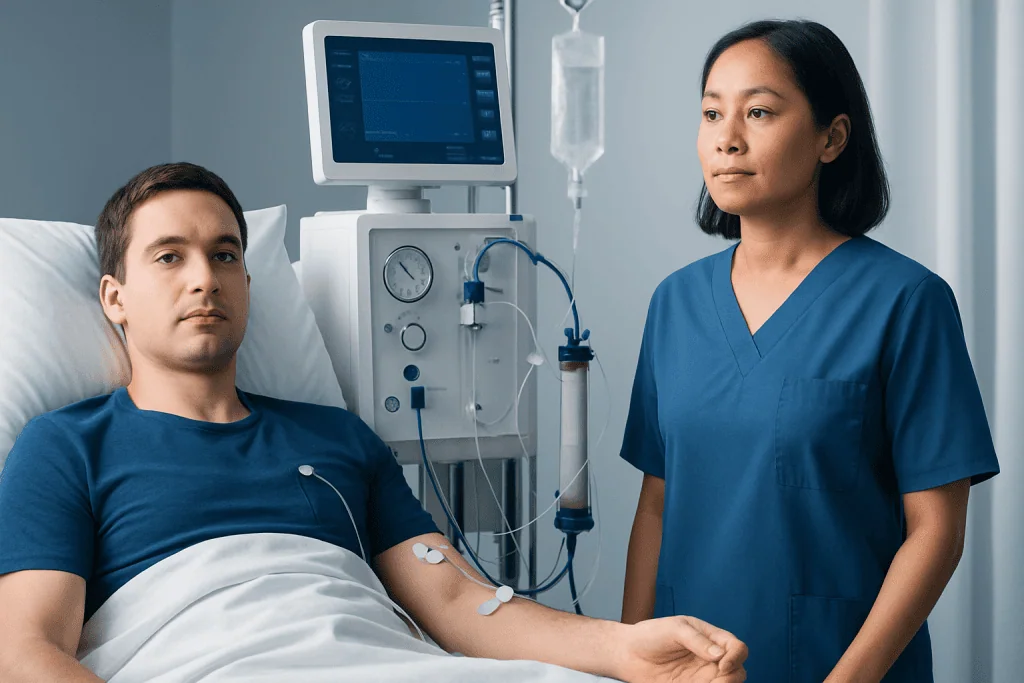
A living donor is usually a family member, spouse, close friend, or another person with a meaningful connection to the recipient. In some health systems, altruistic or non-directed donation may also be possible, where a person donates to someone they do not know. Eligibility depends on medical suitability, organ compatibility, legal requirements, and ethical safeguards.
Potential donors are generally adults in good physical and mental health. They should have adequate organ function, no active cancer or uncontrolled infection, and no medical condition that would make surgery or future health unsafe. The exact criteria vary according to the organ being donated and the policies of the transplant program.
Compatibility is important, especially for kidney donation. Blood type, tissue matching, antibody testing, and crossmatch testing help determine whether the recipient’s immune system is likely to accept the organ. If a donor and recipient are not compatible, some centers may discuss options such as paired kidney exchange, where donor-recipient pairs are matched with other pairs to improve compatibility.
Donor Evaluation and Informed Consent

The donor evaluation is a step-by-step process designed to protect the donor and improve transplant safety. It usually includes blood and urine tests, imaging studies, heart and lung assessment, screening for infections, and evaluation of kidney or liver function. The surgical team also studies anatomy carefully to plan the safest approach.
Psychological and social evaluation is just as important as medical testing. The transplant team explores the donor’s motivation, emotional readiness, family support, work responsibilities, and ability to manage recovery. Donors may meet with an independent donor advocate or a professional who is separate from the recipient’s care team, helping ensure that the donor’s interests are protected.
Informed consent means the donor receives clear, understandable information before making a decision. This includes discussion of surgical risks, possible pain, time away from normal activities, financial or work-related concerns, and the need for long-term health monitoring. A donor has the right to stop the process at any time, even after testing has begun, without needing to justify the decision to the recipient.
Common parts of the evaluation may include:
- Medical history, physical examination, and review of medications
- Blood type, tissue matching, and infection screening
- Kidney function tests or liver volume and anatomy imaging
- Cardiac, lung, and anesthesia assessment
- Psychosocial evaluation and informed consent discussions
Safety and Possible Risks
Living donor transplantation is performed only after careful risk assessment, but it is still major surgery. Short-term risks may include pain, bleeding, infection, blood clots, reactions to anesthesia, or complications related to the surgical incision. Most donors recover without major complications, but every potential donor should understand that risk cannot be reduced to zero.
Long-term considerations depend on the organ donated. Kidney donors usually live with one kidney and are advised to have periodic check-ups to monitor blood pressure, kidney function, and urine protein. Liver donors need follow-up to ensure healthy liver regeneration and recovery. Donors should also maintain a healthy lifestyle and inform future healthcare providers about their donation history.
Emotional responses can vary. Many donors feel satisfaction after helping another person, while some may experience stress, fatigue, anxiety, or disappointment if the recipient has complications. This is why emotional support, realistic expectations, and access to counseling when needed are important parts of donor care.
The decision to donate should be based on balanced information, not only on the desire to help. A transplant program may decide that donation is not advisable if testing reveals a medical risk to the donor, even if the donor is willing. This protective approach is a normal and responsible part of living donor transplantation.
The Transplant Surgery Process
Living donor transplant surgery is carefully coordinated for both donor and recipient. In kidney donation, the donor kidney is removed and transplanted into the recipient, where it is connected to blood vessels and the urinary system. In living liver donation, surgeons remove a portion of the donor’s liver and transplant it into the recipient, connecting blood vessels and bile ducts so the new liver segment can function.
The surgical approach may be open, laparoscopic, or robotic-assisted depending on the organ, the donor’s anatomy, and the center’s expertise. Minimally invasive approaches may reduce incision size and support recovery in selected cases, but they are not suitable for every donor. The surgical team chooses the safest method based on individual assessment.
During the operation, anesthesia specialists, surgeons, nurses, and intensive care or transplant teams coordinate closely. After surgery, donors are monitored for pain control, bleeding, breathing, circulation, wound healing, and organ function. Recipients are monitored for early graft function, infection prevention, and adjustment of immunosuppressive medicines, which help prevent rejection.
Recovery After Living Donation
Recovery varies depending on the type of donation, the donor’s health, and the surgical technique. Kidney donors often spend several days in the hospital, while liver donors may require a longer stay and a more gradual recovery. Fatigue is common in the early weeks, and donors are usually advised to avoid heavy lifting and strenuous activity until cleared by the surgical team.
Pain is managed with appropriate medications and usually improves steadily. Walking, breathing exercises, balanced nutrition, hydration, and wound care help support healing. Donors should follow specific instructions about bathing, driving, returning to work, exercise, and medications, because recommendations differ between kidney and liver donation and from one patient to another.
Follow-up visits are essential. The transplant team checks incision healing, blood tests, organ function, blood pressure, and overall recovery. Long-term follow-up may be scheduled at set intervals to monitor health and identify any issues early. Donors should continue regular primary care and share their donor history during future medical appointments.
Recipients also need structured follow-up. They must take immunosuppressive medicines exactly as prescribed, attend blood test appointments, and report symptoms such as fever, reduced urine output, jaundice, or medication side effects promptly. Good communication with the transplant team supports the best possible recovery for both donor and recipient.
Healthy Living After Donation
Most living donors are encouraged to return to a healthy, active life after recovery. Long-term self-care focuses on protecting overall health and the remaining kidney or regenerated liver. A balanced diet, regular physical activity, avoidance of tobacco, moderation or avoidance of alcohol as advised, and maintaining a healthy weight are important.
Kidney donors should be attentive to blood pressure, hydration, and kidney-safe medication use. Some over-the-counter pain relievers may not be suitable for people with one kidney unless a doctor approves them. Liver donors should follow the transplant team’s guidance about alcohol, medications, supplements, and timing of return to intense exercise.
Pregnancy after living donation is possible for many donors, but it should be discussed with a doctor. Women who have donated a kidney may need closer monitoring during pregnancy for blood pressure and urine protein. Planning ahead allows obstetric and transplant teams to provide appropriate care.
Healthy living is also emotional and social. Donors may benefit from support groups, conversations with transplant coordinators, or counseling if they feel overwhelmed. Families can help by supporting rest, transportation to appointments, and a gradual return to normal routines.
When to Speak With a Transplant Team
A person considering donation should speak with a qualified transplant team as early as possible. This conversation does not commit the person to donating; it simply provides accurate information and helps determine whether evaluation is appropriate. Potential recipients should also ask their doctors whether living donation is an option for their condition and timing.
Medical advice should be sought promptly after donation if the donor develops fever, worsening pain, swelling, redness or discharge from the incision, shortness of breath, chest pain, leg swelling, persistent vomiting, jaundice, reduced urination, or any symptom that feels concerning. Recipients should follow their transplant team’s urgent contact instructions because early treatment of complications is important.
International patients may need extra planning for travel, recovery time, medical records, and follow-up coordination after returning home. Acibadem International’s multidisciplinary transplant specialists and JCI-accredited hospitals diagnose and treat transplant patients, including international patients, with care pathways that include evaluation, surgery, and follow-up planning.
Frequently asked questions
Is living organ donation safe for the donor?
Living donation is performed only after a detailed evaluation shows that the donor’s risk is acceptable. However, it is still major surgery and has short-term and long-term risks. Donor safety is the first priority, and a donor can withdraw from the process at any time.
Which organs can be donated by a living person?
The most common living donor transplant is kidney donation, because a person can live with one healthy kidney. A portion of the liver can also be donated because the liver can regenerate. In selected situations, other types of living tissue donation may be possible, but kidney and liver are the main forms of living organ transplantation.
How long does it take to recover after living kidney or liver donation?
Recovery time varies. Kidney donors often return to many daily activities within several weeks, while full recovery can take longer, especially for heavy work or strenuous exercise. Liver donation usually requires a longer recovery period, and the donor should follow the transplant team’s individualized guidance.
Can a donor live a normal life with one kidney?
Many kidney donors live active, healthy lives with one kidney. They are advised to have regular check-ups, monitor blood pressure, and avoid unnecessary kidney stress. A doctor should review medications, supplements, and any new health conditions over time.
What happens if the donor and recipient are not compatible?
If blood type, antibody, or crossmatch testing shows incompatibility, the transplant team may discuss alternative options. These may include paired kidney exchange in suitable cases or remaining on the deceased donor waiting list. The best option depends on the recipient’s medical condition and the transplant program’s resources.
Will the donor need lifelong follow-up?
Yes, long-term follow-up is recommended after living donation. The schedule depends on the organ donated and the transplant center’s protocol. Regular medical care helps monitor blood pressure, organ function, and overall health.
References
- World Health Organization
- National Kidney Foundation
- American Society of Transplantation
- European Society for Organ Transplantation
- United Network for Organ Sharing
This article is for general information only and is not a substitute for professional medical advice. Please consult a qualified doctor about your individual situation.
Explore treatments in Turkey — costs, top hospitals & a free quote
JCI-accredited · board-certified surgeons · reply within 24h