Physical Activity Guidelines: Safe Exercise for Long-Term Health

Most adults benefit from 150–300 minutes of moderate-intensity aerobic activity weekly, or 75–150 minutes of vigorous activity, plus muscle-strengthening activities at least 2 days per week. Children and adolescents generally need at least 60 minutes of moderate-to-vigorous physical activity daily, including activities that strengthen muscles and bones.
Key Takeaways
- Most adults benefit from 150–300 minutes of moderate-intensity aerobic activity weekly, or 75–150 minutes of vigorous activity, plus muscle-strengthening activities at least 2 days per week.
- Children and adolescents generally need at least 60 minutes of moderate-to-vigorous physical activity daily, including activities that strengthen muscles and bones.
- Older adults should include balance, flexibility, aerobic, and strength activities as tolerated to support mobility and reduce fall risk.
- People with chronic conditions can often exercise safely, but they should seek medical guidance if they have symptoms, unstable disease, or are unsure where to begin.
- A gradual start, proper warm-up, hydration, appropriate footwear, and attention to warning signs help make exercise safer and more sustainable.
Regular physical activity is one of the most effective ways to support long-term health, mobility, mood, and independence. Safe exercise means choosing activities that match a person’s age, fitness level, medical history, and goals, then building gradually.
Overview
Physical activity includes any body movement that uses energy, from walking and cycling to gardening, housework, sports, and structured exercise. Exercise is a planned form of physical activity, but both everyday movement and formal workouts contribute to better long-term health. The goal is not perfection or intense training; it is to move regularly, sit less, and choose activities that can be maintained over time.
International guidelines consistently show that regular movement supports cardiovascular health, muscle strength, bone health, metabolic function, sleep quality, and emotional well-being. It can also help with weight management and reduce the risk of several chronic diseases. Even small increases in activity can provide benefits, especially for people who are currently inactive.
Safe exercise is personal. A young athlete, an office worker returning to activity, a pregnant person, an older adult, and someone with heart disease may all need different plans. A sensible approach considers intensity, duration, frequency, recovery, medical conditions, and personal preferences.
Recommended Activity Targets
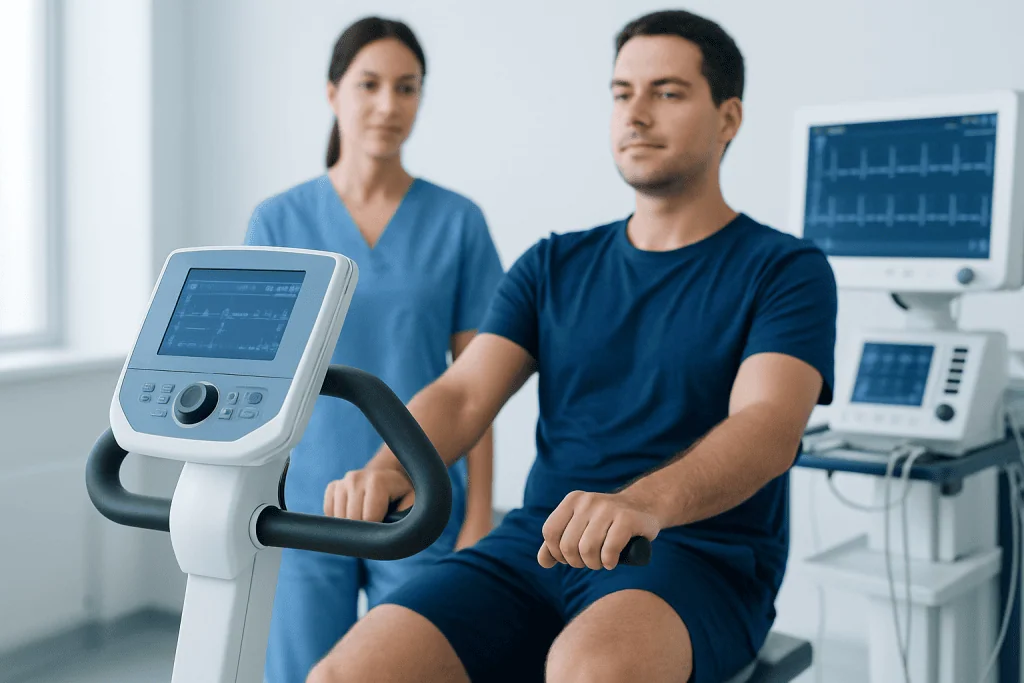
For most healthy adults, a widely recommended target is 150 to 300 minutes of moderate-intensity aerobic activity per week, or 75 to 150 minutes of vigorous-intensity activity, or an equivalent combination. Moderate intensity usually means a person can talk but not sing during the activity. Vigorous intensity means talking is possible only in short phrases.
Adults should also include muscle-strengthening activities at least 2 days per week. These can involve body-weight exercises, resistance bands, weight machines, free weights, Pilates-style movements, or functional exercises such as squats and step-ups. Strength training should work the major muscle groups, including the legs, hips, back, chest, abdomen, shoulders, and arms.
Children and adolescents generally need at least 60 minutes of moderate-to-vigorous physical activity daily. Most of this can be aerobic, such as active play, running, cycling, swimming, or sports. Activities that strengthen muscles and bones, such as jumping, climbing, gymnastics, or resistance exercises appropriate for age and technique, are also important during the week.
Older adults should aim to be as active as their abilities allow. In addition to aerobic and strengthening activities, they benefit from balance and functional training, especially if there is a risk of falls. Examples include tai chi, heel-to-toe walking, supported single-leg stands, and supervised balance exercises.
Types of Exercise and Their Benefits

A balanced routine usually includes aerobic exercise, strength training, flexibility, and balance work. Aerobic activities increase breathing and heart rate and support endurance. Common examples include brisk walking, swimming, cycling, dancing, hiking, and low-impact cardio classes.
Strength training helps maintain muscle mass, supports joints, improves daily function, and contributes to bone health. It is especially important with aging because muscle and strength naturally tend to decline over time. Strength exercises do not need to be complex; safe technique and gradual progression are more important than heavy loads.
Flexibility and mobility exercises help maintain comfortable movement through the joints. Stretching, yoga, mobility drills, and gentle range-of-motion exercises may reduce stiffness and make daily activities easier. These activities are often most effective when performed regularly and without forcing painful positions.
Balance training improves stability and body awareness. It is useful for older adults, people returning after injury, and anyone who wants to move more confidently. A simple weekly plan may include walking on most days, two strength sessions, and brief balance or stretching exercises several times per week.
How to Exercise Safely
Safety begins with choosing activities that match a person’s current fitness and health status. People who have been inactive should start with short sessions, such as 5 to 10 minutes of gentle walking, and increase gradually. A practical rule is to change only one training factor at a time, such as duration, frequency, or intensity.
A warm-up helps prepare the body for activity. This may include 5 to 10 minutes of easy movement, such as slow walking, light cycling, or gentle mobility exercises. A cool-down allows the heart rate and breathing to return gradually toward resting levels and can include slow movement and relaxed stretching.
Helpful safety habits include:
- Wear supportive footwear suitable for the activity.
- Drink fluids according to thirst, climate, and activity duration.
- Avoid sudden increases in intensity or volume.
- Use correct technique during strength exercises.
- Exercise in safe environments with good lighting and appropriate surfaces.
- Allow recovery time, especially after harder sessions.
People should listen to their bodies. Mild muscle soreness can occur after new activity, but sharp pain, chest discomfort, faintness, unusual shortness of breath, or palpitations should not be ignored. Stopping the activity and seeking appropriate medical advice is the safest choice when symptoms are concerning.
Exercise With Health Conditions or Special Circumstances
Many people with chronic conditions can be physically active and often benefit from doing so. Conditions such as high blood pressure, type 2 diabetes, arthritis, chronic lung disease, obesity, and stable heart disease may require individualized planning rather than avoidance of exercise. A qualified doctor or physiotherapist can help identify safe intensity levels, suitable activities, and warning signs.
People with diabetes may need guidance on blood glucose monitoring, meal timing, footwear, and foot care. Those with cardiovascular disease should follow the plan advised by their cardiologist, especially after a heart attack, heart procedure, or new symptoms. People with joint pain may do better with low-impact options such as swimming, cycling, elliptical training, or walking on softer surfaces.
During pregnancy, many people can continue or begin moderate physical activity if there are no medical or obstetric contraindications. Activities with a high risk of falling, abdominal trauma, overheating, or breath-holding strain are generally avoided. Pregnancy exercise should be discussed with a healthcare professional, particularly in high-risk pregnancies.
After illness, surgery, or injury, returning to exercise should be gradual and may require rehabilitation guidance. The safest plan often begins with restoring basic mobility, then endurance, then strength and sport-specific activity if relevant. Pain, swelling, fever, wound problems, or unexpected fatigue should prompt medical review.
Building a Sustainable Active Lifestyle
The best physical activity plan is one a person can repeat consistently. Enjoyment, convenience, social support, and realistic goals all matter. A person who dislikes the gym may prefer walking outdoors, dancing, swimming, home strength workouts, or active commuting.
Breaking activity into shorter sessions is acceptable. Three 10-minute walks in a day can be a helpful starting point, especially for busy schedules or low fitness levels. Over time, these sessions may become longer or more frequent. Reducing long periods of sitting is also important; standing, stretching, or walking briefly every hour can add meaningful movement to the day.
Progress can be tracked in simple ways, such as a calendar, step count, exercise log, or how daily tasks feel. Goals should be specific and achievable, for example, walking for 20 minutes after lunch on weekdays or completing two strength sessions every week. Celebrating consistency rather than intensity helps build confidence.
Nutrition, sleep, and recovery support safe exercise. Adequate protein, balanced meals, and regular hydration help the body adapt to activity. Sleep is important for muscle repair, energy, coordination, and motivation. Rest days or lighter days are part of a healthy training plan, not a sign of failure.
When to See a Doctor
A medical check-up is recommended before starting a new vigorous exercise program if a person has known heart, lung, kidney, or metabolic disease, or if they have been advised to limit activity. It is also wise to seek guidance after a long period of inactivity, especially for older adults or anyone with multiple risk factors such as high blood pressure, diabetes, smoking history, or strong family history of heart disease.
Immediate medical attention is needed if exercise causes chest pain or pressure, fainting, severe breathlessness, sudden weakness, irregular heartbeat with dizziness, or symptoms that feel unusual or severe. Persistent joint swelling, worsening pain, unexplained weight loss, fever, or extreme fatigue also deserves professional evaluation.
A doctor, sports medicine specialist, cardiologist, physiotherapist, or rehabilitation team can help create a safe plan. This may include exercise testing, medication review, physical assessment, or a supervised program. Acibadem International’s multidisciplinary specialists and JCI-accredited hospitals diagnose and manage a wide range of health conditions for international patients, including those who need guidance before returning to activity.
Frequently asked questions
What counts as moderate-intensity exercise?
Moderate-intensity exercise raises the heart rate and breathing while still allowing a person to talk. Brisk walking, easy cycling, water aerobics, and active gardening are common examples. The exact intensity varies by fitness level.
Is walking enough for long-term health?
Walking is an excellent form of aerobic activity and can strongly support health when done regularly. For a more complete routine, adults should also add muscle-strengthening exercises at least 2 days per week. Balance and flexibility work may also be useful, especially with aging.
How should a beginner start exercising safely?
A beginner can start with short, comfortable sessions such as 5 to 10 minutes of walking or gentle cycling. The duration and frequency can increase gradually as fitness improves. If there are medical conditions or concerning symptoms, a doctor should be consulted before increasing intensity.
Can exercise be done every day?
Daily movement is generally beneficial, especially if intensity varies. Light to moderate activities such as walking, stretching, or mobility exercises can often be done most days. Harder workouts and strength training usually require recovery time for the same muscle groups.
What warning signs mean exercise should be stopped?
Exercise should be stopped if there is chest pain, faintness, severe shortness of breath, sudden weakness, confusion, or an irregular heartbeat with dizziness. Sharp joint pain, swelling, or pain that worsens with activity should also be assessed. When symptoms are unusual or severe, medical advice should be sought promptly.
Do older adults need different exercise guidelines?
Older adults benefit from the same general types of activity, but the plan should match their health, balance, mobility, and medications. Strength and balance exercises are particularly important for maintaining independence and reducing fall risk. Supervised programs may help if there is frailty, previous falls, or chronic disease.
References
- World Health Organization
- Centers for Disease Control and Prevention
- American College of Sports Medicine
- American Heart Association
- National Health Service
This article is for general information only and is not a substitute for professional medical advice. Please consult a qualified doctor about your individual situation.
Explore treatments in Turkey — costs, top hospitals & a free quote
JCI-accredited · board-certified surgeons · reply within 24h
Check your numbers in seconds
BMI, calories, due date, blood pressure and 30+ more clinical calculators — free, instant, doctor-reviewed ranges.

More from the Health Library



Related Specialists

Dr. Berna Türkay
Anesthesiology
Prof. Dr. Arzu Akçay
Pathology
Prof. Dr. Ahmet Cem Batukan
Gynecology & Obstetrics
Prof. Dr. İftahar Köksal
Infectious Diseases & Clinical Microbiology