Urinary Tract Infections in Children: Symptoms, Testing, and Prevention

A child with a UTI may have fever, pain when passing urine, frequent urination, new accidents, tummy pain, or unusual tiredness. A urine test is needed to confirm a UTI and guide the right antibiotic choice when treatment is required.
Key Takeaways
- A child with a UTI may have fever, pain when passing urine, frequent urination, new accidents, tummy pain, or unusual tiredness.
- A urine test is needed to confirm a UTI and guide the right antibiotic choice when treatment is required.
- Babies and young children may show nonspecific signs, such as fever, poor feeding, vomiting, or irritability.
- Good toilet habits, hydration, constipation management, and proper hygiene can help reduce UTI risk.
- Prompt medical care is important for infants, children with fever, back pain, vomiting, or recurrent urinary symptoms.
Medically reviewed by the Acıbadem International Medical Board — June 20, 2026
Urinary tract infections in children are common and usually treatable, but they can be difficult to recognize, especially in babies and toddlers. Early testing and appropriate care help relieve symptoms and reduce the chance of kidney involvement or recurrent infections.
Overview
A urinary tract infection, often called a UTI, happens when bacteria enter and multiply in part of the urinary system. This system includes the kidneys, ureters, bladder, and urethra. In children, most UTIs involve the bladder, but some infections can reach the kidneys, which usually causes more noticeable illness and needs timely medical attention.
Urinary tract infections in children can occur at any age, including infancy. They may be easier to recognize in older children who can describe pain or burning during urination. In babies and toddlers, the signs may be less specific, such as fever, irritability, poor feeding, or vomiting, so parents may not immediately suspect a urinary problem.
With proper testing and treatment, most children recover well from a UTI. The goal is to confirm the diagnosis, treat the infection effectively, and look for any reasons the infection happened, especially if UTIs recur or occur in very young children. Parents should seek guidance from a qualified pediatrician rather than starting leftover antibiotics or home treatment alone.
Symptoms in Babies, Toddlers, and Older Children
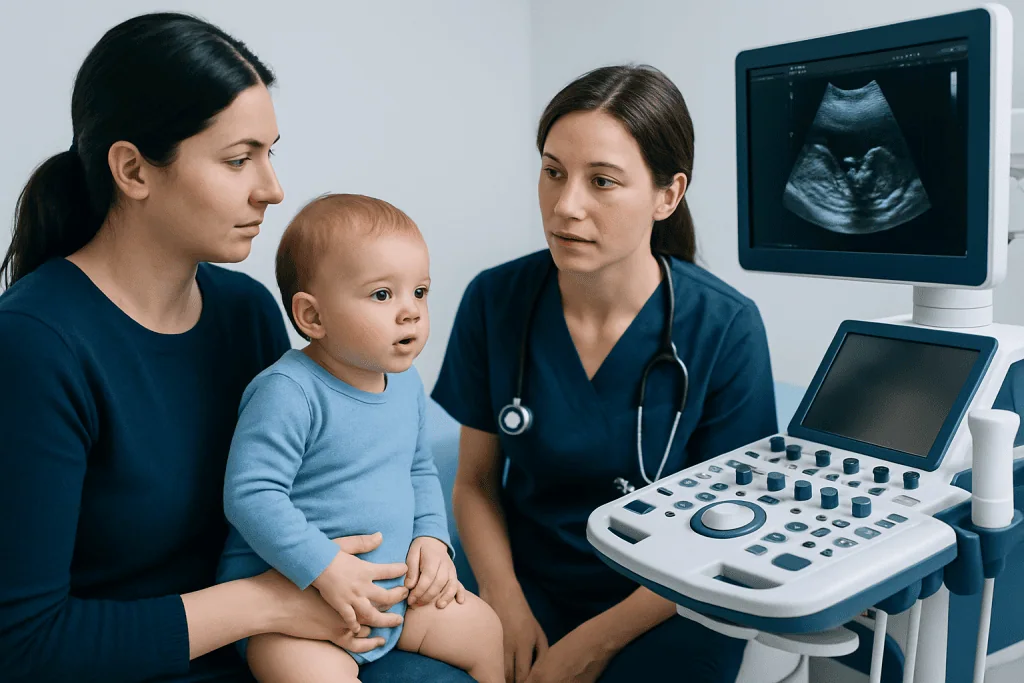
UTI symptoms vary with a child’s age. Older children may say that it hurts or burns when they urinate. They may need to urinate often, feel an urgent need to go, pass only small amounts of urine, or have lower abdominal discomfort. Some children have cloudy, strong-smelling, or blood-tinged urine, although urine appearance alone cannot confirm an infection.
In toddlers and preschool children, a UTI may appear as new daytime accidents, bedwetting after being dry, crying when passing urine, avoiding the toilet, or holding urine for long periods. They may also complain of tummy pain or seem generally unwell. Fever can occur, especially when the infection is more than a simple bladder infection.
Babies may not show urinary symptoms at all. Possible signs include fever without an obvious source, poor feeding, vomiting, diarrhea, sleepiness, irritability, poor weight gain, or a change in urine smell. Because these symptoms can be caused by many childhood illnesses, a medical assessment and urine test are important.
Symptoms that may suggest kidney involvement include fever, chills, back or side pain, vomiting, and appearing quite unwell. These signs do not mean a child will have a serious outcome, but they do mean the child should be assessed promptly so treatment can begin if needed.
Causes and Risk Factors
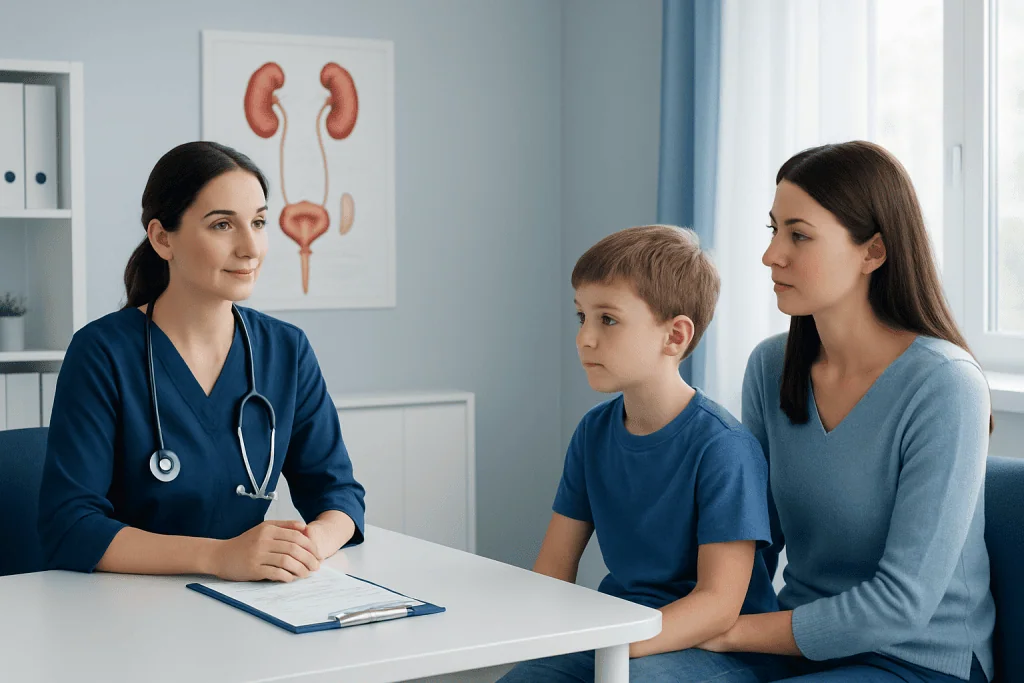
Most childhood UTIs are caused by bacteria from the bowel, most commonly bacteria that normally live in the digestive tract. These bacteria can reach the urethra and travel upward into the bladder. In some cases, bacteria may continue toward the kidneys. This is why toilet hygiene and regular bladder emptying are important in prevention.
Several factors can increase a child’s chance of developing a UTI. Girls tend to be more prone after infancy because the urethra is shorter and closer to the anus. Constipation can also contribute because a full rectum can press on the bladder, making it harder to empty completely. Holding urine for long periods, not drinking enough fluids, and incomplete bladder emptying can increase risk.
Some children have urinary tract differences that make infections more likely. One example is vesicoureteral reflux, where urine flows backward from the bladder toward the kidneys. Other structural or functional bladder problems may also play a role, particularly in children with recurrent UTIs, infections with fever, or unusual test results.
Other possible risk factors include a previous UTI, family history of urinary tract problems, certain neurological conditions affecting bladder control, and irritation around the genital area. Bubble baths, harsh soaps, or tight clothing do not directly cause bacterial infection, but they may irritate the area and make urinary symptoms more noticeable.
How UTIs Are Tested and Diagnosed
A urine test is the key step in diagnosing a UTI. Because symptoms alone cannot reliably distinguish a UTI from other childhood illnesses, clinicians usually request a urine sample for urinalysis and, when appropriate, urine culture. Urinalysis can show signs of infection, such as white blood cells or nitrites. A urine culture identifies the bacteria and helps determine which antibiotics are likely to work.
Collecting a clean urine sample is especially important in children, because contamination can lead to misleading results. Older children may provide a midstream clean-catch sample after careful cleaning. For babies and young toddlers who are not toilet-trained, the healthcare team may use a sterile catheter sample when a reliable culture is needed. Urine collection bags may be useful for screening in some situations, but positive results often need confirmation because bag samples can be contaminated.
Doctors may also consider the child’s age, symptoms, fever, previous UTI history, and physical examination findings. If a child is very young, has a high fever, appears unwell, has recurrent UTIs, or has an infection that does not improve as expected, further evaluation may be recommended. This can include kidney and bladder ultrasound to look at anatomy and bladder emptying.
More specialized imaging is not needed for every child. When recommended, it is usually based on the child’s age, severity of infection, recurrence pattern, or ultrasound findings. The pediatrician or pediatric nephrology/urology team can explain why a test is needed and what the results may mean for future care.
Treatment Options
Treatment depends on the child’s age, symptoms, urine test results, and whether the infection appears to involve the bladder or kidneys. Bacterial UTIs are treated with antibiotics chosen according to local resistance patterns, the child’s medical history, and, when available, urine culture results. Parents should give the medication exactly as prescribed and complete the course unless the doctor advises otherwise.
Some children feel better within a day or two after starting the right antibiotic, but improvement does not always mean the infection is fully cleared. If fever, pain, or vomiting continues, or if the child seems worse, parents should contact the doctor. The antibiotic may need adjustment after culture results, or the child may need further assessment.
Supportive care can help a child feel more comfortable. Encouraging fluids, offering regular toilet breaks, and treating fever or discomfort with age-appropriate medicines recommended by a clinician may be helpful. Children who are vomiting, dehydrated, very young, or unable to take oral medication may need hospital-based care and antibiotics given through a vein.
It is important not to use leftover antibiotics or someone else’s medication. The wrong antibiotic may not treat the infection and can make diagnosis more difficult. Recurrent UTIs should be reviewed by a pediatrician to identify preventable factors such as constipation, voiding habits, or possible urinary tract abnormalities.
Prevention and Self-Care
Not every UTI can be prevented, but many children benefit from simple bladder and bowel habits. Regular urination is important; children should not be encouraged to hold urine for long periods. A relaxed toilet posture, enough time to empty the bladder, and avoiding rushing can help. For toilet-trained children, a routine of using the toilet every few hours during the day may reduce urine retention.
Constipation management is a major part of UTI prevention. Hard stools can interfere with bladder emptying and increase urinary symptoms. A pediatrician may recommend dietary changes, fluids, physical activity, and sometimes stool-softening treatment, depending on the child’s age and constipation pattern.
Helpful prevention habits may include:
- Encouraging children to drink water regularly throughout the day.
- Teaching girls to wipe from front to back after using the toilet.
- Changing diapers frequently and cleaning the diaper area gently.
- Avoiding harsh soaps or heavily perfumed products around the genital area if they cause irritation.
- Choosing breathable underwear and changing out of wet swimsuits promptly.
Parents should also watch for patterns, such as urinary symptoms that appear when a child is constipated, dehydrated, or delaying toilet visits at school. If symptoms recur, keeping a simple record of fever, urinary complaints, bowel habits, and test results can help the healthcare team plan care.
When to See a Doctor
Parents should contact a doctor if a child has pain or burning with urination, frequent urination, new wetting accidents, blood in the urine, lower abdominal pain, or urine symptoms that do not quickly resolve. Medical advice is especially important when symptoms occur with fever, vomiting, back or side pain, unusual sleepiness, or poor fluid intake.
Infants under three months with fever should be assessed urgently, even if there are no urinary symptoms. Young children can become unwell from infections more quickly, and a UTI may be one of several possible causes of fever. Prompt evaluation helps identify the cause and begin appropriate treatment.
Children who have repeated UTIs, infections associated with fever, poor response to antibiotics, abnormal imaging results, or known kidney or bladder conditions may need follow-up with pediatric specialists. A tailored plan may include prevention strategies, bowel and bladder management, and selective imaging or laboratory tests.
Families traveling for care can also seek assessment in specialized pediatric centers. Acibadem International’s multidisciplinary specialists and JCI-accredited hospitals diagnose and treat urinary tract infections and related pediatric urinary conditions for international patients, with care plans based on each child’s needs.
Frequently asked questions
How can parents tell if a child has a UTI?
Parents may notice burning or pain during urination, frequent urination, urgency, new wetting accidents, tummy pain, fever, or unusual tiredness. In babies, signs may be less specific, such as fever, poor feeding, vomiting, or irritability. A urine test is needed to confirm whether symptoms are truly caused by a UTI.
Does every child with urinary symptoms need antibiotics?
Not always. Some urinary symptoms can be caused by irritation, constipation, viral illness, or other conditions. A doctor usually confirms the diagnosis with urine testing before prescribing antibiotics, unless the child is very unwell and treatment needs to start while results are pending.
What is the best urine test for a child?
The best method depends on the child's age and toilet training. Older children often provide a clean-catch midstream sample, while babies may need a sterile catheter sample for accurate culture. The healthcare team will choose the method that gives the most reliable result with the least discomfort.
Can a UTI cause fever without other symptoms?
Yes, especially in babies and young children. A fever without cough, runny nose, rash, or another clear source may lead a doctor to check the urine. This is one reason urine testing is common in young children with unexplained fever.
Are recurrent UTIs in children serious?
Many children with recurrent UTIs do well, especially when causes such as constipation or urine holding are addressed. However, repeated infections should be evaluated by a pediatrician because some children need imaging or specialist review. The aim is to prevent future infections and protect kidney health.
Can cranberry juice prevent UTIs in children?
Evidence for cranberry products in children is mixed, and they should not replace medical evaluation or treatment. Some products contain a lot of sugar and may not be suitable for all children. Parents should ask a pediatrician before using supplements, especially for young children or those with medical conditions.
References
- American Academy of Pediatrics
- National Institute for Health and Care Excellence
- European Association of Urology
- Centers for Disease Control and Prevention
- World Health Organization
This article is for general information only and is not a substitute for professional medical advice. Please consult a qualified doctor about your individual situation.
Urinary Tract Infection in Turkey — costs, top hospitals & a free quote
JCI-accredited · board-certified surgeons · reply within 24h

More from the Health Library



Related Specialists

Dr. Ali Şenol Çelebi
Radiology
Prof. Dr. Alp Demireller
Otorhinolaryngology
Asst. Prof. Dr. Altuğ Özagar
Otorhinolaryngology
Dr. Nihal Üstün
Aesthetic Plastic & Reconstructive Surgery