Functional Neurological Disorder: Symptoms, Diagnosis, and Neuropsychiatry Care

Functional Neurological Disorder symptoms are real and can be disabling, even when standard scans or tests do not show structural damage. Diagnosis is based on positive clinical signs, not simply on normal test results or exclusion of other diseases.
Key Takeaways
- Functional Neurological Disorder symptoms are real and can be disabling, even when standard scans or tests do not show structural damage.
- Diagnosis is based on positive clinical signs, not simply on normal test results or exclusion of other diseases.
- Common symptoms include limb weakness, tremor, walking problems, functional seizures, numbness, dizziness, and speech changes.
- Effective care usually combines education, physiotherapy or occupational therapy, psychological treatment, and management of related conditions such as pain, anxiety, depression, or fatigue.
- Early explanation, supportive communication, and a personalized rehabilitation plan can help recovery and reduce relapses.
Functional Neurological Disorder, often called FND, is a condition in which the nervous system has difficulty sending and receiving signals, leading to real symptoms such as weakness, tremor, seizures, speech changes, or sensory problems. With a clear diagnosis and coordinated care from neurology, psychiatry, psychology, and rehabilitation specialists, many people can improve function and quality of life.
Overview
Functional Neurological Disorder (FND) is a common neurological condition in which a person experiences symptoms related to movement, sensation, awareness, or communication that are not caused by visible structural damage to the brain, spinal cord, or nerves. The symptoms are involuntary and real. They are not imagined, fabricated, or a sign that a person is “pretending.”
In FND, the nervous system’s “hardware” may appear normal on tests such as MRI or nerve studies, but the “software” of nervous system function is disrupted. This means the brain and body are not communicating in their usual coordinated way. A person may have weakness, shaking, non-epileptic seizures, speech difficulty, numbness, dizziness, or problems with walking, even though routine investigations may not show a stroke, multiple sclerosis, epilepsy, or another structural disease.
The modern understanding of FND is based on neurology and neuropsychiatry. It recognizes that biological, psychological, and social factors can all influence brain network function. Stress or trauma may be relevant for some people, but they are not required for the diagnosis. Many patients do not identify a clear trigger, and the absence of stress does not make the symptoms less valid.
Symptoms of Functional Neurological Disorder
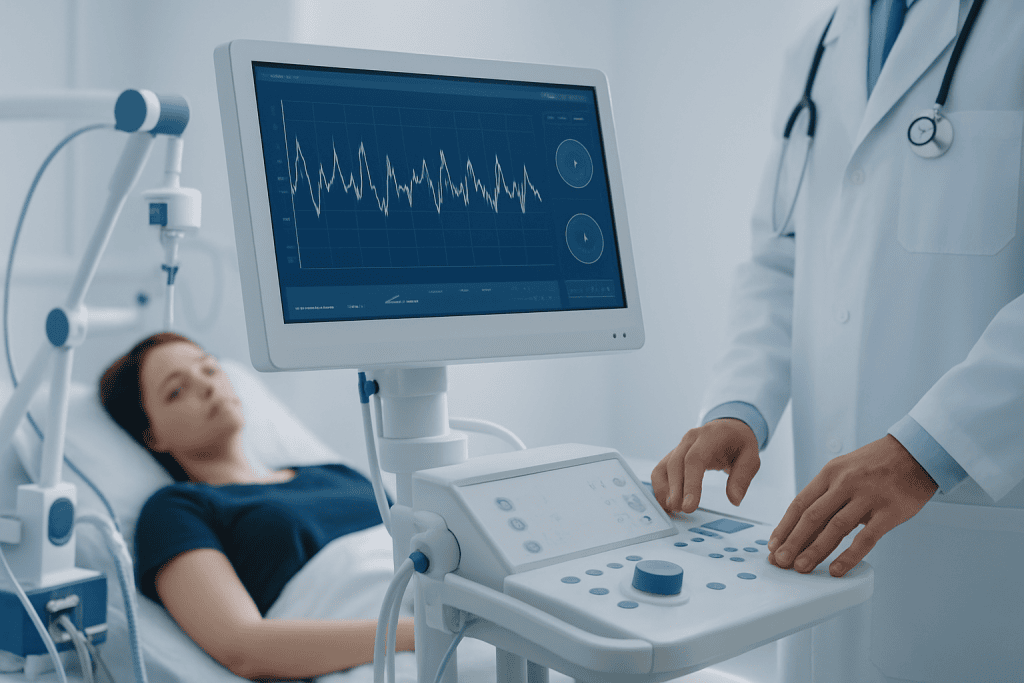
FND can look different from person to person. Symptoms may begin suddenly, sometimes after an illness, injury, surgery, migraine, fainting episode, panic attack, pain flare, or a period of high physical or emotional stress. They may also develop gradually. Symptoms can fluctuate from day to day and may become more noticeable with fatigue, pain, poor sleep, or attention focused on the affected body part.
Common FND symptoms include:
- Functional weakness: heaviness, dragging, or loss of power in an arm or leg.
- Functional movement disorder: tremor, jerking, spasms, fixed postures, or abnormal gait.
- Functional seizures: episodes that resemble epileptic seizures but are not caused by abnormal electrical discharges in the brain.
- Sensory symptoms: numbness, tingling, altered sensation, or visual symptoms such as blurred vision.
- Speech and swallowing symptoms: stuttering, whispering voice, difficulty finding words, or throat tightness.
- Dizziness and balance problems: unsteadiness, rocking sensations, or fear of falling.
- Cognitive and fatigue symptoms: brain fog, concentration difficulty, and reduced stamina.
Symptoms may be distressing and can affect work, school, family life, and independence. Because FND can occur alongside other neurological or medical conditions, a careful assessment is important. For example, a person may have both migraine and FND, or epilepsy and functional seizures. Recognizing each condition allows the care team to choose the right treatments.
Causes and Risk Factors

There is usually no single cause of Functional Neurological Disorder. Current research suggests that FND involves changes in brain networks responsible for movement, attention, prediction, emotion processing, and the sense of control over the body. The brain may generate symptoms through altered patterns of attention and automatic control, making movements or sensations feel outside voluntary control.
Risk factors can vary widely. Some people report a physical trigger such as injury, infection, surgery, pain, or a neurological event. Others notice symptoms during a period of sleep disruption, burnout, grief, anxiety, depression, or trauma. Some have a history of migraine, chronic pain, dizziness, irritable bowel symptoms, or other conditions involving heightened nervous system sensitivity. However, these associations do not mean that FND is “all psychological.”
A helpful way to understand FND is through predisposing, precipitating, and perpetuating factors. Predisposing factors may include previous illness, past stress, or learned body responses. Precipitating factors are events around the time symptoms began. Perpetuating factors are things that keep symptoms active, such as fear of movement, avoidance, pain, fatigue, poor sleep, or uncertainty about the diagnosis. Treatment often focuses on the factors that can be changed now.
How FND Is Diagnosed
Functional Neurological Disorder is diagnosed by a clinician, usually a neurologist, using positive signs found during history and examination. This is an important point: FND is not diagnosed only because MRI scans, blood tests, or nerve tests are normal. Instead, the doctor looks for specific patterns that are typical of FND and that show the nervous system can work better under certain conditions.
For example, functional limb weakness may improve when attention is redirected or when the limb is tested in a different automatic movement. A functional tremor may change rhythm when the person is asked to copy a different beat with the other hand. Functional seizures may be evaluated with a detailed witness description and, when needed, video EEG monitoring to distinguish them from epileptic seizures. These findings help the doctor explain why FND is the most accurate diagnosis.
Tests may still be recommended to check for other conditions, especially when symptoms are new, changing, or accompanied by warning signs. Investigations can include MRI, EEG, blood tests, nerve conduction studies, or vestibular and vision assessments depending on the symptoms. A good diagnostic conversation should include the name of the condition, the positive signs supporting it, reassurance that symptoms are real, and a clear treatment plan.
Treatment Options and Neuropsychiatry Care
Treatment for FND is most effective when it is individualized and multidisciplinary. The first step is often education: understanding the diagnosis can reduce fear and create a foundation for recovery. Patients benefit from hearing that the symptoms are real, potentially reversible or improvable, and related to how the nervous system is functioning rather than permanent damage.
Rehabilitation is commonly central to care. Physiotherapy for FND focuses on retraining automatic movement rather than strengthening a “damaged” muscle. Techniques may include distraction, rhythm, graded walking practice, balance retraining, and relearning normal movement patterns. Occupational therapy can help with daily activities, pacing, hand function, energy conservation, and return-to-work or return-to-school planning. Speech and language therapy may help with voice, swallowing, or communication symptoms.
Neuropsychiatry and psychological therapies can be valuable, especially when symptoms are linked with anxiety, depression, trauma, panic, insomnia, chronic pain, or difficulty coping with uncertainty. Cognitive behavioral therapy, trauma-informed therapy, mindfulness-based strategies, and other approaches may be used depending on the person’s needs. Psychological treatment is not a statement that symptoms are “not neurological”; rather, it is one way to help regulate brain-body networks and reduce triggers that maintain symptoms.
Medicines do not directly “cure” FND, but they may help treat associated conditions such as depression, anxiety, migraine, pain, or sleep disturbance. For functional seizures, anti-seizure medicines are not usually helpful unless the person also has epilepsy. Any medication changes should be made with a qualified clinician, because stopping or starting medicines without guidance can be unsafe.
Prevention, Self-Care, and Daily Management
There is no guaranteed way to prevent FND, but many people can reduce symptom flares by learning how their nervous system responds to stress, fatigue, pain, and attention. Self-care works best when it supports, rather than replaces, professional treatment. Patients are encouraged to work with their care team to set realistic goals, such as walking a short distance more consistently, returning to a meaningful activity, or improving sleep routines.
Helpful daily strategies may include:
- Pacing: balancing activity and rest to avoid boom-and-bust cycles.
- Regular sleep habits: keeping consistent wake times and reducing late-night stimulation.
- Gentle movement: practicing safe, graded activity as recommended by a therapist.
- Attention shifting: using music, rhythm, conversation, or external focus during movement practice.
- Symptom diaries: tracking patterns without becoming overly focused on every sensation.
- Stress regulation: breathing exercises, grounding techniques, relaxation, or guided therapy.
Family members can also support recovery by encouraging independence, avoiding blame, and reinforcing treatment goals. It is usually more helpful to ask, “What does your plan say to do when this happens?” than to repeatedly test symptoms or offer constant reassurance. A calm, consistent response can help the nervous system relearn safer patterns.
Living With FND: Outlook and Recovery
The course of Functional Neurological Disorder varies. Some people improve significantly after receiving a clear explanation and targeted rehabilitation, while others need longer-term support. Recovery does not always mean symptoms disappear immediately. It may mean fewer attacks, safer walking, better energy management, improved confidence, and a gradual return to valued activities.
Several factors can support improvement: early diagnosis, trust in the treatment explanation, coordinated care, active participation in rehabilitation, and treatment of coexisting conditions. Delayed diagnosis, repeated emergency visits without a plan, fear of symptoms, ongoing pain, poor sleep, and social or work stress may make recovery more difficult. These factors are not a person’s fault, but identifying them can help the care team choose practical interventions.
Because FND sits at the intersection of neurology, psychiatry, psychology, and rehabilitation, coordinated care is important. Acibadem International’s multidisciplinary specialists and JCI-accredited hospitals provide diagnostic assessment and treatment planning for international patients with neurological and neuropsychiatric conditions, including FND, when clinically appropriate.
When to See a Doctor
A person should seek medical assessment for new neurological symptoms such as weakness, seizures, fainting, loss of sensation, speech difficulty, sudden visual changes, severe dizziness, or problems walking. Even when symptoms later turn out to be FND, it is important to rule out urgent conditions and establish a safe plan. Emergency care is especially important for sudden stroke-like symptoms, head injury, prolonged loss of consciousness, chest pain, severe headache unlike previous headaches, or breathing difficulty.
People already diagnosed with FND should contact their doctor if symptoms change significantly, new symptoms appear, attacks become more frequent, injuries occur during episodes, or daily functioning declines. Follow-up is also recommended if anxiety, depression, trauma symptoms, insomnia, pain, or medication concerns are affecting recovery. A written care plan can help patients and families know what to do during flares and when urgent review is needed.
Patients should feel comfortable asking their clinician to explain the positive signs supporting the diagnosis, the role of any tests, and the next treatment steps. A clear, respectful explanation is part of good care. If uncertainty remains, a second opinion from a neurologist or neuropsychiatry team can be helpful.
Frequently asked questions
Is Functional Neurological Disorder a real neurological condition?
Yes. Functional Neurological Disorder is a real condition involving changes in how the nervous system functions. Symptoms are involuntary and can be disabling, even when routine scans or tests do not show structural damage.
Is FND the same as stress or anxiety?
No. Stress and anxiety can worsen FND symptoms in some people, but they are not the whole explanation and are not required for the diagnosis. FND is best understood as a disorder of nervous system functioning that may be influenced by biological, psychological, and social factors.
How are functional seizures different from epileptic seizures?
Functional seizures can look like epileptic seizures, but they are not caused by abnormal electrical discharges in the brain. Diagnosis may involve a detailed history, witness accounts, and sometimes video EEG monitoring. Treatment usually focuses on education, psychological therapy, and trigger management rather than anti-seizure medicines, unless epilepsy is also present.
Can someone have FND and another neurological disease?
Yes. FND can occur on its own or alongside conditions such as migraine, epilepsy, multiple sclerosis, Parkinson’s disease, stroke, or chronic pain disorders. This is why careful assessment is important, so each condition is recognized and treated appropriately.
What treatments help FND the most?
Treatment often includes a clear explanation of the diagnosis, physiotherapy or occupational therapy tailored to FND, and psychological or neuropsychiatric care when needed. Managing sleep, pain, fatigue, anxiety, depression, or trauma symptoms can also support recovery.
Can Functional Neurological Disorder improve?
Many people improve, especially with early diagnosis, a clear treatment plan, and active rehabilitation. Recovery can be gradual and may focus first on function, confidence, and reducing flares. The outlook varies, so follow-up with experienced clinicians is important.
References
- National Institute of Neurological Disorders and Stroke
- NHS
- Functional Neurological Disorder Society
- American Academy of Neurology
- World Health Organization
This article is for general information only and is not a substitute for professional medical advice. Please consult a qualified doctor about your individual situation.
Neuropsychiatry in Turkey — costs, top hospitals & a free quote
JCI-accredited · board-certified surgeons · reply within 24h