Normal Pressure Hydrocephalus: Gait Changes, Memory Symptoms, and Shunt Evaluation

Normal Pressure Hydrocephalus often affects walking first, with a slow, shuffling, wide-based gait or a feeling that the feet are stuck to the floor. Memory and bladder symptoms may occur, but they can overlap with dementia, Parkinson’s disease, spinal problems, and urinary disorders.
Key Takeaways
- Normal Pressure Hydrocephalus often affects walking first, with a slow, shuffling, wide-based gait or a feeling that the feet are stuck to the floor.
- Memory and bladder symptoms may occur, but they can overlap with dementia, Parkinson’s disease, spinal problems, and urinary disorders.
- Diagnosis usually combines neurological examination, brain imaging, and tests such as a large-volume lumbar puncture or short-term lumbar drainage.
- A ventriculoperitoneal shunt can help drain excess cerebrospinal fluid, but benefits and risks must be assessed individually.
- Early recognition is valuable because gait symptoms are often more likely to improve than long-standing cognitive symptoms.
Normal Pressure Hydrocephalus is a condition in which cerebrospinal fluid builds up in the brain’s ventricles, most often causing walking difficulty, thinking changes, and urinary symptoms. Because it can resemble other age-related conditions, careful evaluation is important, and some people improve after shunt surgery.
Overview
Normal Pressure Hydrocephalus, often called NPH, is a neurological condition in which cerebrospinal fluid builds up inside the brain’s fluid-filled spaces, known as ventricles. Cerebrospinal fluid normally circulates around the brain and spinal cord, cushioning them and helping remove waste products. In NPH, the ventricles become enlarged, yet the measured pressure of the fluid may be normal or only intermittently elevated.
NPH is most often discussed in older adults because its symptoms can resemble other common conditions of aging. The classic pattern includes walking changes, cognitive or memory symptoms, and urinary urgency or incontinence. Not every person has all three symptoms, and the order and severity can vary. Walking difficulty is often the earliest and most noticeable sign.
The condition is important because it may be treatable in selected patients. A small tube called a shunt can be placed to redirect excess cerebrospinal fluid, most commonly from a brain ventricle to the abdomen. However, shunt surgery is not appropriate for everyone, so a structured evaluation helps estimate whether symptoms are likely to improve and whether the benefits outweigh the risks.
Gait Changes and Other Symptoms
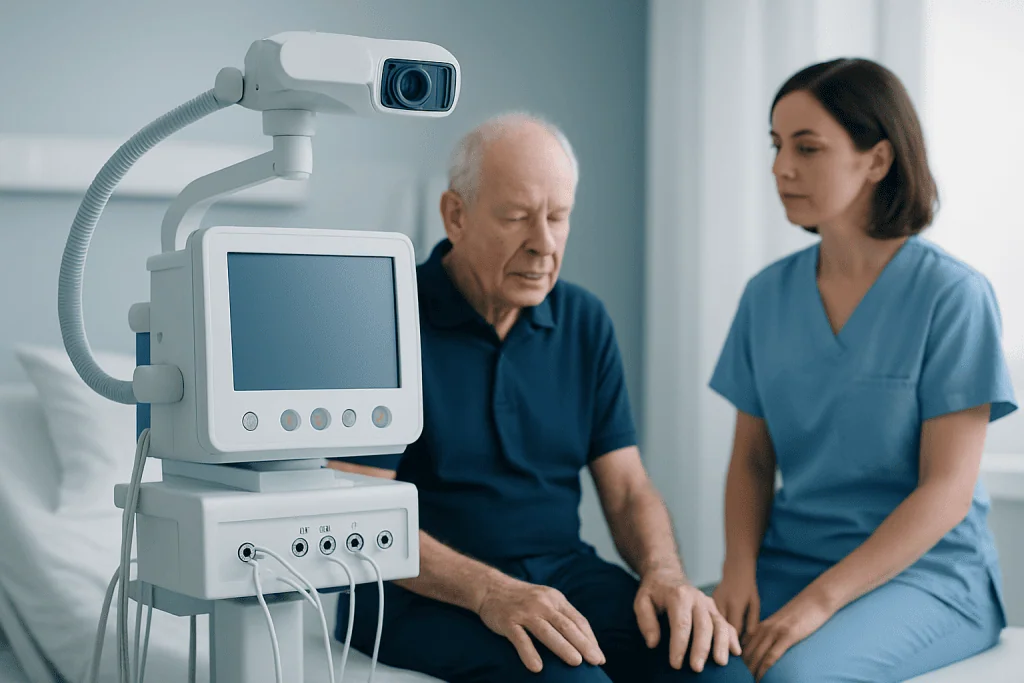
Gait disturbance is the symptom most strongly associated with Normal Pressure Hydrocephalus. People may walk more slowly, take short steps, widen their stance, or have trouble lifting their feet. Some describe the feet as feeling “magnetic,” as if they are stuck to the floor. Turning may become difficult, balance may worsen, and falls can become more likely.
Cognitive symptoms in NPH are often described as slowed thinking rather than isolated memory loss. A person may take longer to process information, have reduced attention, struggle with planning, or become less spontaneous in conversation and daily activities. Family members may notice apathy, reduced initiative, or difficulty managing tasks that were previously routine.
Urinary symptoms may begin as urgency or increased frequency and can progress to incontinence. These symptoms occur because the brain networks involved in bladder control may be affected by the enlarged ventricles. However, bladder problems are common for many reasons, including prostate disease, urinary tract problems, medications, and mobility limitations, so they need separate assessment.
Symptoms can overlap with Parkinson’s disease, Alzheimer’s disease, vascular dementia, spinal stenosis, peripheral neuropathy, arthritis, and inner ear balance disorders. For this reason, doctors look for the full clinical pattern rather than relying on one symptom alone. A careful history from the patient and family is often very helpful.
Causes and Risk Factors

Normal Pressure Hydrocephalus may be classified as idiopathic or secondary. Idiopathic NPH means there is no clear triggering event. This is the most common form in older adults. Researchers believe it may involve impaired absorption or circulation of cerebrospinal fluid, but the exact cause is not always identifiable.
Secondary NPH develops after a known event that affects cerebrospinal fluid flow or absorption. Possible causes include subarachnoid hemorrhage, meningitis, traumatic brain injury, brain surgery, or inflammation affecting the membranes around the brain. In these situations, scarring or changes in the fluid pathways may gradually interfere with normal drainage.
Age is an important risk factor, but NPH is not considered a normal part of aging. The condition can be missed because symptoms may progress slowly and may be attributed to frailty, memory disorders, urinary conditions, or orthopedic problems. People with a history of brain bleeding, infection, or significant head injury should mention this history during evaluation, especially if gait and cognitive symptoms develop later.
Diagnosis and Shunt Evaluation
Diagnosis begins with a neurological examination and a detailed symptom history. The doctor may ask when walking changes began, whether falls have occurred, how thinking and daily function have changed, and whether urinary urgency or incontinence is present. Objective gait testing, such as timed walking or balance assessment, may be used to measure baseline function.
Brain imaging is essential. MRI is often preferred because it provides detailed views of the ventricles, brain tissue, and signs that may support NPH or suggest another diagnosis. CT can also show enlarged ventricles and may be used when MRI is not suitable. Imaging findings are interpreted together with symptoms, because enlarged ventricles can also be seen with brain volume loss from other causes.
Shunt evaluation often includes tests designed to predict whether removing cerebrospinal fluid may improve symptoms. A large-volume lumbar puncture, sometimes called a tap test, removes a measured amount of fluid from the lower back. Walking and sometimes cognitive tests are repeated afterward to look for improvement. In some cases, doctors recommend external lumbar drainage over one or more days for a more extended assessment.
These tests are helpful but not perfect. Some people who do not improve immediately after a tap test may still benefit from shunting, while others may show limited long-term benefit despite early improvement. The evaluation is therefore individualized and may involve neurology, neurosurgery, radiology, physical therapy, and sometimes geriatrics or neuropsychology.
Treatment Options
The main treatment for carefully selected patients with Normal Pressure Hydrocephalus is shunt surgery. The most common type is a ventriculoperitoneal shunt, in which a thin tube is placed into a brain ventricle and connected under the skin to the abdominal cavity, where cerebrospinal fluid can be absorbed. Many modern shunts include adjustable valves, allowing the drainage setting to be modified without another operation.
The expected benefit varies. Gait is often the symptom most likely to improve, especially when walking changes are prominent and have not been present for many years. Urinary urgency may improve in some patients. Cognitive symptoms may also improve, but long-standing dementia, advanced neurodegenerative disease, or significant vascular brain disease can limit recovery.
Shunt surgery also has risks, including infection, bleeding, overdrainage of cerebrospinal fluid, subdural fluid collections, blockage, or the need for revision surgery. These risks do not mean the procedure should be avoided in all cases; rather, they highlight why patient selection, surgical expertise, and follow-up are important. The decision should be made after a clear discussion of goals, alternatives, expected benefits, and possible complications.
There is no medication proven to reverse NPH by correcting cerebrospinal fluid circulation. Supportive care remains important before and after any procedure. Physical therapy can help improve strength, balance, and safe walking strategies, while occupational therapy may support home safety and daily independence. Treatment of coexisting conditions, such as arthritis, neuropathy, urinary disorders, depression, or sleep problems, may also improve overall function.
Prevention, Self-care, and Living with NPH
There is no established way to prevent idiopathic Normal Pressure Hydrocephalus. For secondary forms, prompt care for brain infections, head injuries, and bleeding around the brain is important, but NPH can still develop despite appropriate treatment. The practical focus is early recognition, fall prevention, and maintaining function while evaluation is underway.
Self-care should be planned with a clinician, especially when balance or cognition is affected. Helpful steps may include using prescribed walking aids, removing loose rugs, improving lighting, installing grab bars, and wearing supportive footwear. Family members can assist by observing changes over time and sharing specific examples with the medical team.
- Keep a simple symptom diary noting falls, walking distance, urinary accidents, and changes in daily tasks.
- Bring a medication list to appointments, including sleep aids, bladder medicines, and blood thinners.
- Ask whether physical therapy, balance training, or a home safety assessment is appropriate.
- After shunt surgery, attend follow-up visits and report new headaches, fever, wound changes, worsening confusion, or sudden changes in walking.
Living with NPH can be frustrating because symptoms may affect independence and confidence. Reassurance, clear communication, and practical support can make a meaningful difference. Families should also remember that improvement, when it occurs, may be gradual and may require rehabilitation as mobility increases.
When to See a Doctor
A person should seek medical evaluation if they develop a new or gradually worsening walking pattern, especially if it includes shuffling, slow steps, imbalance, unexplained falls, or difficulty starting to walk. Evaluation is particularly important when gait changes occur together with memory, attention, or bladder symptoms.
Medical advice is also important when symptoms are changing quickly, when there is a history of head injury, meningitis, brain surgery, or bleeding around the brain, or when daily activities are becoming difficult. Sudden severe headache, new weakness, speech difficulty, seizure, or acute confusion should be treated as urgent symptoms because they may indicate other serious neurological problems.
People already diagnosed with NPH or living with a shunt should keep regular follow-up appointments. They should contact their care team if symptoms return after improvement, if there are signs of infection near the shunt incision, or if new headaches, vomiting, drowsiness, or balance changes develop. At Acibadem International, multidisciplinary specialists in JCI-accredited hospitals evaluate and treat neurological conditions such as NPH for international patients, including diagnostic testing, neurosurgical assessment, and follow-up planning.
Frequently asked questions
What is Normal Pressure Hydrocephalus?
Normal Pressure Hydrocephalus is a condition in which cerebrospinal fluid accumulates in the brain’s ventricles, causing them to enlarge. Despite the name, fluid pressure may be normal when measured, but the enlarged ventricles can still affect brain function. It most often causes walking difficulty, cognitive slowing, and urinary urgency or incontinence.
How is NPH different from Alzheimer’s disease or Parkinson’s disease?
NPH can look similar to Alzheimer’s disease because it may cause memory and thinking changes, and it can resemble Parkinson’s disease because it affects walking. However, NPH often causes a wide-based, shuffling, “magnetic” gait and may also include urinary symptoms. Doctors use examination findings, brain imaging, and cerebrospinal fluid drainage tests to help distinguish these conditions.
Is Normal Pressure Hydrocephalus treatable?
Yes, some people with NPH improve after shunt surgery, which redirects excess cerebrospinal fluid away from the brain ventricles. The chance of benefit depends on the symptom pattern, imaging findings, response to drainage tests, overall health, and whether other neurological conditions are present. Gait symptoms are often more likely to improve than long-standing cognitive symptoms.
What is a lumbar tap test?
A lumbar tap test is a procedure in which a doctor removes a measured amount of cerebrospinal fluid through a needle placed in the lower back. Walking and sometimes thinking tests are done before and after the procedure to see whether symptoms improve. Improvement after the test may support the possibility of benefit from a shunt, although the test is not perfectly predictive.
What are the risks of shunt surgery?
Shunt surgery can be helpful for selected patients, but it is still a surgical procedure. Possible risks include infection, bleeding, overdrainage, blockage, subdural fluid collection, or the need for adjustment or revision. The neurosurgical team reviews these risks in relation to the expected benefit for the individual patient.
Can NPH symptoms come back after shunt surgery?
Symptoms can return if the shunt setting is not optimal, if the shunt becomes blocked, or if another medical or neurological condition progresses. Follow-up visits are important because adjustable shunts may sometimes be fine-tuned. Any sudden worsening, fever, wound concerns, or new neurological symptoms should be reported promptly.
Who should be evaluated for NPH?
Evaluation is reasonable for an adult, especially an older adult, who develops progressive walking difficulty along with cognitive slowing or urinary urgency. It is also important if there is a history of brain bleeding, meningitis, head injury, or brain surgery. A neurologist or neurosurgeon can determine which tests are appropriate.
References
- National Institute of Neurological Disorders and Stroke
- Mayo Clinic
- Hydrocephalus Association
- American Association of Neurological Surgeons
- National Institute for Health and Care Excellence
This article is for general information only and is not a substitute for professional medical advice. Please consult a qualified doctor about your individual situation.
Joint and spine care in Turkey — expert assessment & treatment
JCI-accredited · board-certified surgeons · reply within 24h

More from the Health Library



Related Specialists

Psk. Mehmet Güney Ziyalan
Psychology
Dt. Gülçin Doğusal İşgüder
Dentistry
Prof. Dr. Safa Gürsoy
Orthopedic Surgery & Traumatology
Dyt. Zeynep Ondur
Nutrition & Diet