

Medical Second Opinion in Turkey: What Records to Send and What Answers to Expect

Medical second opinion in Turkey: send your reports, scans, pathology and medication list, and expect a clear review, questions and next-step guidance.
If you are considering a medical second opinion in Turkey, sending the right records at the start helps the specialist team give you a clearer, faster answer. This guide explains what to prepare, how to share it safely, and what kind of response you can realistically expect.
At a glance
- Best for: Patients who want an expert review before deciding on treatment or travel
- What to send: Recent reports, imaging, pathology, lab results, medication list and your medical history
- What you receive: A specialist review with findings, options, and recommended next steps
- Common timing: Depends on the case and whether records are complete and readable
- Helpful support: International patient coordinators can guide documents, translations and logistics
What a medical second opinion can help you do
A medical second opinion gives you another specialist review of your diagnosis, treatment plan, or next steps. You might want one if your case is complex, if surgery or another major treatment has been recommended, if your symptoms are not improving, or if you simply want more confidence before making a decision.
In practice, a second opinion in Turkey usually starts with a document review rather than an immediate trip. The specialist team looks at the records you send, checks whether the diagnosis and proposed treatment fit the information available, and may suggest additional tests, a different treatment approach, or confirmation that the original plan is reasonable.
This can be especially useful for international patients because you can often get initial guidance before arranging flights, accommodation, and time away from home. At Acibadem International, international patient services can help you understand which records are needed and direct your file to the relevant specialty team in its JCI-accredited hospitals.
Which records you should send
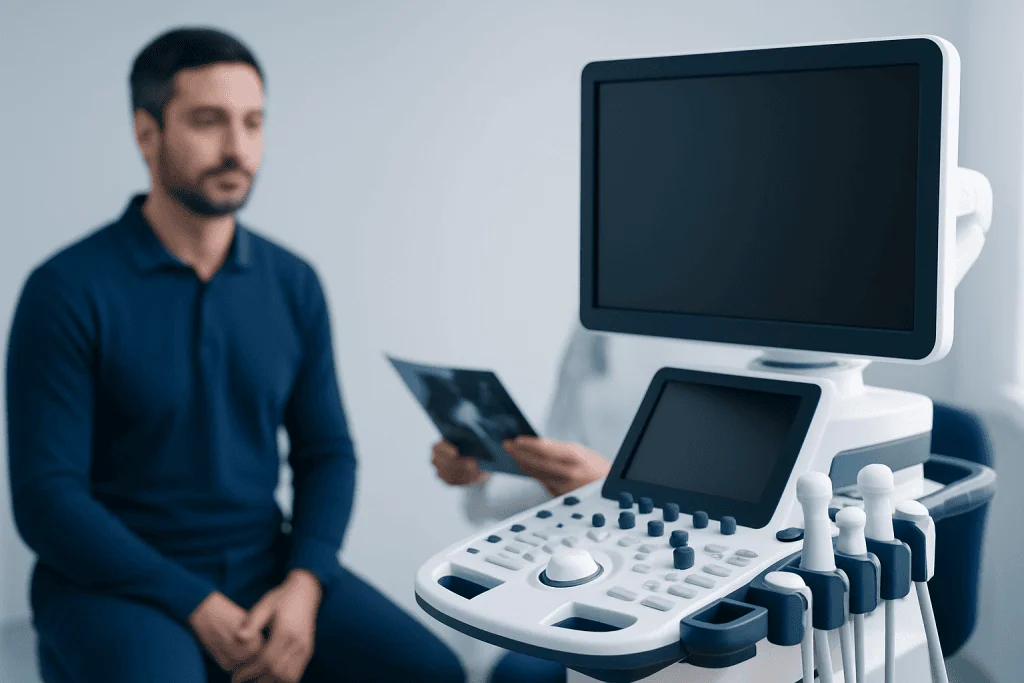
The most helpful second opinions are based on complete, recent, and organized records. At minimum, send the main doctor reports that explain your diagnosis, your symptoms or reason for referral, what treatment has been proposed so far, and any important past medical history.
If you have imaging, include both the written radiology report and the image files themselves when possible. For example, CT, MRI, PET-CT, mammography, ultrasound, or X-ray images are often shared in DICOM format on a CD, USB, or secure upload link. A written report helps, but the images themselves may allow the specialist to review details directly.
Pathology is also important if you have had a biopsy or surgery. Send the pathology report, and if requested, ask whether glass slides, paraffin blocks, or digital pathology images may be needed for review. For many conditions, recent blood tests, genetic or molecular test results, discharge summaries, and operation notes can also make the opinion much more accurate.
- Doctor consultation notes and referral letters
- Imaging reports and image files
- Pathology reports and, if requested, sample materials
- Laboratory results and relevant test panels
- Medication list, allergies, and chronic conditions
- Previous surgeries, treatments, and hospital discharge summaries
How to organize your file so the team can review it faster

A clear file saves time for both you and the specialist. Start with a short summary in your own words: your age, main diagnosis or suspected condition, current symptoms, when the problem started, what treatment has been recommended, and what question you want answered. Keep it simple and factual.
Then arrange documents in date order, ideally from oldest to newest or grouped by type. Use clear file names such as “MRI_brain_March_2026_report” or “Pathology_biopsy_January_2026.” If your records are in another language, ask in advance whether English translations are needed for all documents or only the key reports.
Try not to send duplicate copies of the same record unless one version is clearer. If a scan link has a password, include it. If some documents are missing, say so honestly rather than waiting. A coordinated international team, such as the support services at Acibadem International, can often tell you which items are essential first and which can follow later.
What answers you can realistically expect
A second opinion should give you clarity, not false certainty. In many cases, you can expect a specialist to comment on whether the current diagnosis appears consistent with the records, whether the proposed treatment is standard or whether there are reasonable alternatives, and whether any additional tests may be needed before a firm recommendation can be made.
You may also receive guidance on treatment timing, whether travel is appropriate at this stage, and which specialty or multidisciplinary team should be involved. For complex conditions such as cancer, heart disease, neurology, orthopedics, or fertility-related concerns, a multidisciplinary review can be especially valuable because imaging, pathology, and clinical history all matter together.
What you should not expect is a guaranteed diagnosis from incomplete documents, an immediate treatment promise, or a final plan without enough evidence. Sometimes the most responsible answer is that more imaging, repeat pathology review, blood work, or an in-person examination is needed. That is still a useful outcome because it tells you what the next safe step should be.
Questions the medical team may ask you after the first review
It is very common for the reviewing team to come back with follow-up questions. They may ask when symptoms began, whether they are getting worse, what treatments you have already tried, whether you have any other major health conditions, and whether you have had recent changes in medication.
If a report is unclear or a scan is too old, they may request repeat tests or better-quality copies. In pathology-based cases, they may ask for original specimen materials or digital slide scans if local regulations and logistics allow. Answering these questions promptly can shorten delays and improve the usefulness of the final opinion.
You should also expect practical questions from the international patient side, especially if treatment in Istanbul or elsewhere in Turkey may be considered afterward. These can include your preferred language, whether you would need an interpreter, whether you are traveling alone, and whether you might need help with appointment scheduling, accommodation, or airport-hospital transfers.
Privacy, translation, and practical logistics for international patients
Before sending records, check how the hospital or international office prefers to receive them. Secure upload portals, protected email channels, or coordinator-managed transfer methods are generally better than informal messaging apps for large medical files. Make sure the receiving team can open your files, especially DICOM imaging.
If your records are not in English, ask what needs translation. Often, the most important items are the latest doctor summary, pathology report, imaging reports, and medication list. You may not need to translate every page if the team confirms which documents matter most first.
For patients contacting Acibadem International, international coordinators can help you understand the submission process, route the case to the right specialty, and explain what to do if something is missing. If the second opinion leads to a recommendation for travel, the same support structure can often help with interpreter services and practical trip planning across Acibadem’s JCI-accredited hospitals in Turkey.
How to use the second opinion to make your next decision
Once you receive the opinion, read it with a practical mindset. Compare it with the advice you already have. Look for points of agreement first, because those often clarify the core diagnosis or safest treatment path. Then look at any differences and ask what evidence or reasoning explains them.
If the recommendation is similar to your current plan, the second opinion may give you peace of mind and confidence to proceed locally or abroad. If it differs, ask whether the difference is about diagnosis, timing, treatment method, or simply the need for more tests. You can then decide whether an online follow-up discussion or an in-person evaluation would help you move forward.
A good second opinion should leave you better organized, better informed, and more prepared for your next medical conversation. Even if you are not ready to travel to Turkey yet, having your records reviewed by an experienced specialist team can help you understand what matters most and what to do next without unnecessary rushing.
Step by step
- Gather your core records. Start with the documents that explain your diagnosis and current situation: recent doctor reports, test results, imaging reports, pathology, and your medication list. If you have many files, prioritize the newest and most relevant items first rather than sending everything unsorted.
- Write a short patient summary. Prepare a one-page note with your age, main symptoms, diagnosis if known, important dates, prior treatments, and the specific question you want answered. This helps the reviewing specialist focus quickly on why you are requesting a second opinion.
- Check image and pathology requirements. Ask whether the team needs only reports or also the original scan files and pathology materials. For some conditions, the actual DICOM images or pathology slides are much more informative than a short written summary alone.
- Send records through the preferred channel. Use the hospital’s or international office’s recommended secure method for uploads. Include passwords, dates, and clear file names so the team can open and identify each item without delay.
- Respond to follow-up questions promptly. After the initial review, the team may ask for missing pages, clearer scans, translations, or updates about your symptoms. Fast replies can shorten the review process and improve the quality of the answer you receive.
- Review the opinion carefully. Read the findings and recommendations with attention to what is confirmed, what remains uncertain, and what additional tests may be needed. If anything is unclear, ask for clarification in plain language before making travel or treatment decisions.
- Decide your next practical step. Based on the opinion, you may proceed with local treatment, arrange a teleconsultation, or plan an in-person assessment in Turkey. If you are considering travel, ask about appointments, likely testing needs, interpreter support, and the expected length of stay.
Your checklist
- Recent specialist and hospital reports
- Imaging reports plus original image files if available
- Pathology report and specimen details if relevant
- Blood tests and other recent lab results
- Current medication list and known allergies
- Summary of previous treatments or surgeries
- A short note describing your symptoms and key question
- Passport details only if needed for registration, not as a substitute for medical records
Key takeaways
- A medical second opinion in Turkey is usually based first on a careful review of your records, not immediate travel.
- Send recent reports, original imaging when possible, pathology information, lab results, and your medication list.
- You can expect clarification on diagnosis, treatment options, and next steps, but not certainty from incomplete files.
- Clear organization, readable files, and quick answers to follow-up questions help avoid delays.
- International patient services at Acibadem International can help with document guidance, interpreters, and travel logistics if treatment planning continues.
Frequently asked questions
Do I need to travel to Turkey to get a second opinion?
Not always. Many second opinions begin with remote review of your medical records, imaging, and pathology. Travel may only be suggested later if the team needs an in-person examination, repeat testing, or if you decide to continue treatment in Turkey.
Are reports enough, or do I need to send the actual scan images too?
Written reports are helpful, but the actual scan images are often important for a fuller review. If you have CT, MRI, PET-CT, mammography, or other imaging, ask whether the specialist wants the original DICOM files as well as the report.
What if my records are not in English?
Ask the receiving team which documents need translation first. Usually the latest doctor summary, pathology report, imaging reports, and medication list are the highest priority. You may not need to translate every single page if the team can identify the essential items.
How long does a second opinion take?
Timing depends on how complete your records are, the complexity of your case, and whether more than one specialty is involved. A straightforward review may move faster than a case that requires pathology reassessment, multidisciplinary discussion, or missing-file follow-up.
Can a second opinion confirm that I definitely need surgery or another treatment?
It can provide expert guidance based on the records available, but a final treatment decision may still require more tests or an examination. A careful team will tell you clearly when the evidence is sufficient and when it is not.
What questions should I ask when requesting a second opinion?
Ask what records are essential, whether original imaging or pathology materials are needed, whether translations are required, and what kind of answer you should expect. It is also useful to ask whether the review will involve one specialist or a multidisciplinary team.
How can Acibadem International help with the process?
Acibadem International can help direct your case to the relevant specialty, explain which records to send, and support communication in your preferred language. If the review leads to treatment planning in Turkey, its international patient services can also help with interpreters and practical travel coordination across JCI-accredited hospitals.

More Patient Guides
How to Prepare Your Home Before Traveling to Turkey for Treatment
Prepare your home before traveling to Turkey for treatment with a simple plan for safety, bills, pets, food, and post-return recovery.
9 min read
How to Choose Between Inpatient and Outpatient Treatment in Turkey
Inpatient vs outpatient treatment in Turkey depends on recovery, monitoring, and travel needs. Choose based on safety, support, and your care plan.
9 min read
When to Ask for a Written Treatment Plan Before Traveling to Turkey
A written treatment plan before traveling to Turkey helps you confirm timing, tests, costs, and aftercare before you book flights.
9 min read