Alternative Therapy for Cancer Treatment: How It Works, Results and What to Expect
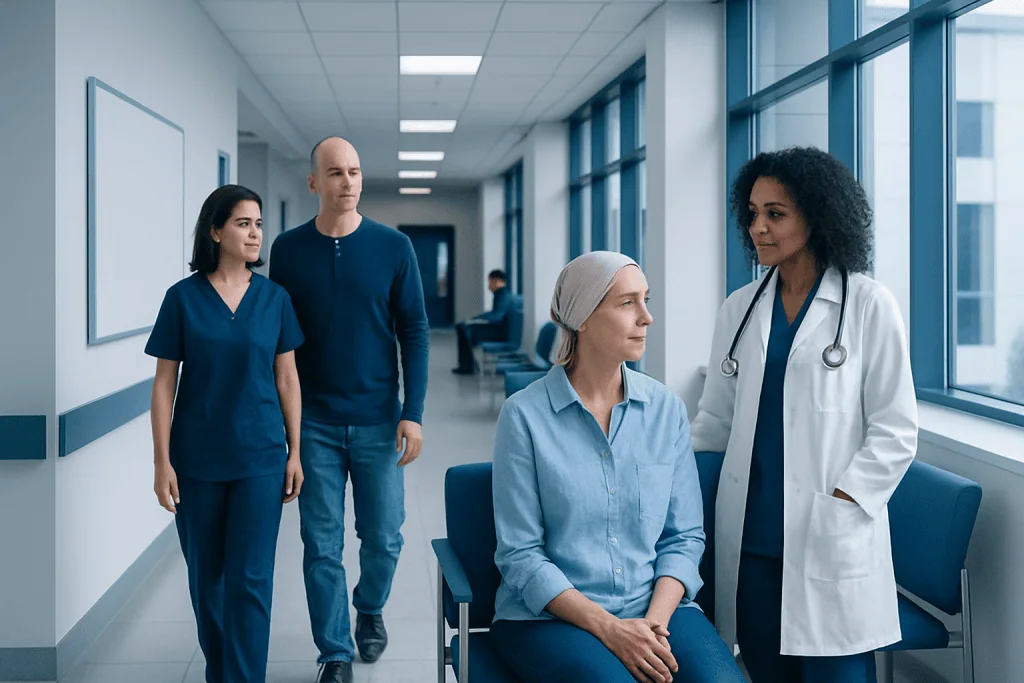
Alternative cancer therapies should not replace surgery, chemotherapy, radiotherapy, immunotherapy, targeted therapy, or other evidence-based care. Complementary therapies may help with symptoms such as anxiety, fatigue, pain, nausea, and sleep difficulties when used safely alongside treatment.
Key Takeaways
- Alternative cancer therapies should not replace surgery, chemotherapy, radiotherapy, immunotherapy, targeted therapy, or other evidence-based care.
- Complementary therapies may help with symptoms such as anxiety, fatigue, pain, nausea, and sleep difficulties when used safely alongside treatment.
- Natural does not always mean safe: supplements, herbs, restrictive diets, and procedures can interact with cancer medicines or delay effective care.
- A cancer care team can help evaluate claims, check treatment interactions, and create an individualized supportive-care plan.
- Prompt medical advice is important for new or worsening symptoms, treatment side effects, or plans to stop prescribed cancer treatment.
Alternative therapy for cancer treatment refers to unproven approaches used instead of standard cancer care. Evidence-based complementary therapies may sometimes be used alongside treatment to support symptoms, stress, and quality of life, but they should always be discussed with the oncology team.
Overview: alternative and complementary cancer care
Alternative therapy for cancer treatment describes approaches that are used instead of conventional cancer treatments. These may include special diets, vitamins, herbal products, high-dose supplements, detoxification programs, or procedures promoted as cancer cures without reliable scientific evidence. No alternative treatment has been shown to safely replace proven cancer care for a treatable cancer.
Complementary therapies are different. They are used alongside standard treatment, with the aim of improving comfort or wellbeing rather than curing the cancer. Examples may include gentle exercise, psychological support, relaxation techniques, acupuncture for selected symptoms, massage from a trained practitioner, and nutrition support.
The safest approach is often called integrative oncology. It combines evidence-based cancer treatment with carefully chosen supportive measures, while checking for risks and interactions. A patient should tell their oncologist about every product, diet, therapy, and practitioner they are considering, including items described as natural or traditional.
How supportive therapies work and what results to expect
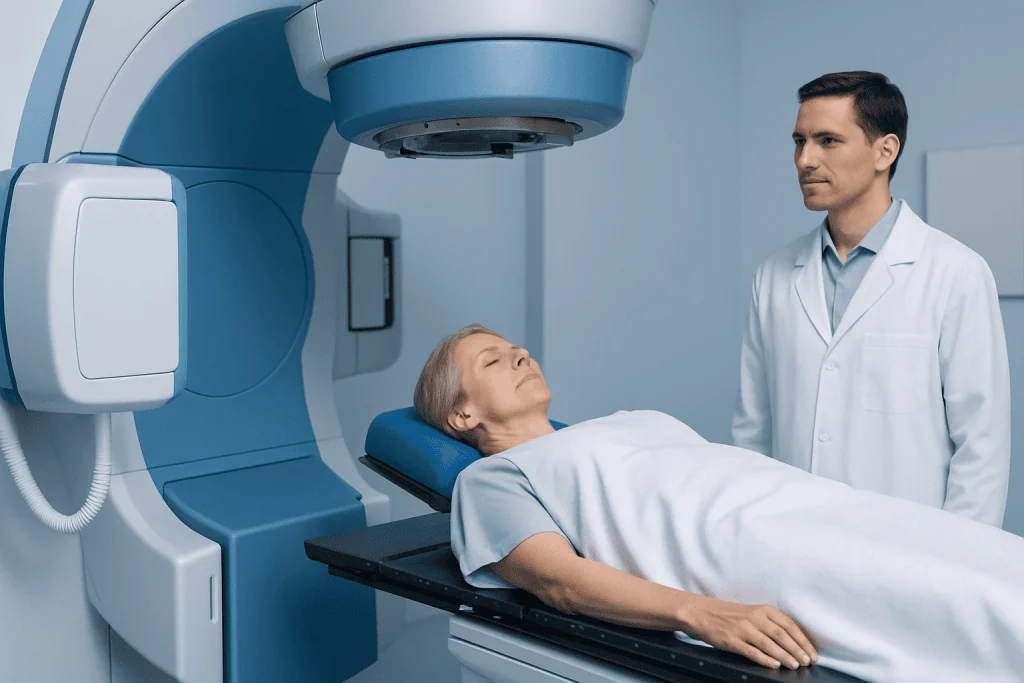
Standard cancer treatments work by removing, destroying, or controlling cancer cells. Depending on the cancer type and stage, these may include surgery, radiation therapy, systemic medicines such as chemotherapy, immunotherapy, hormone therapy, or targeted therapy. The recommended plan is based on the cancer’s location, biology, extent, and the person’s overall health.
Complementary approaches do not usually act directly on the cancer itself. Instead, they may support coping, sleep, physical function, appetite, mood, pain control, nausea management, or recovery. For example, mindfulness-based techniques may reduce stress, and supervised activity may help reduce fatigue and preserve strength for some people.
Results are individual and depend on the symptom being addressed, the type of therapy, and the person’s medical situation. A therapy that improves relaxation or nausea should not be interpreted as evidence that it is treating the cancer. Clear goals, such as improving sleep or managing anxiety, help patients and clinicians judge whether a supportive approach is useful.
Claims that a product can cure every cancer, works without side effects, requires stopping medical treatment, or is being hidden by doctors are warning signs. Reliable information should describe what is known, what remains uncertain, and what the possible harms may be.
Who may be a candidate for complementary care?
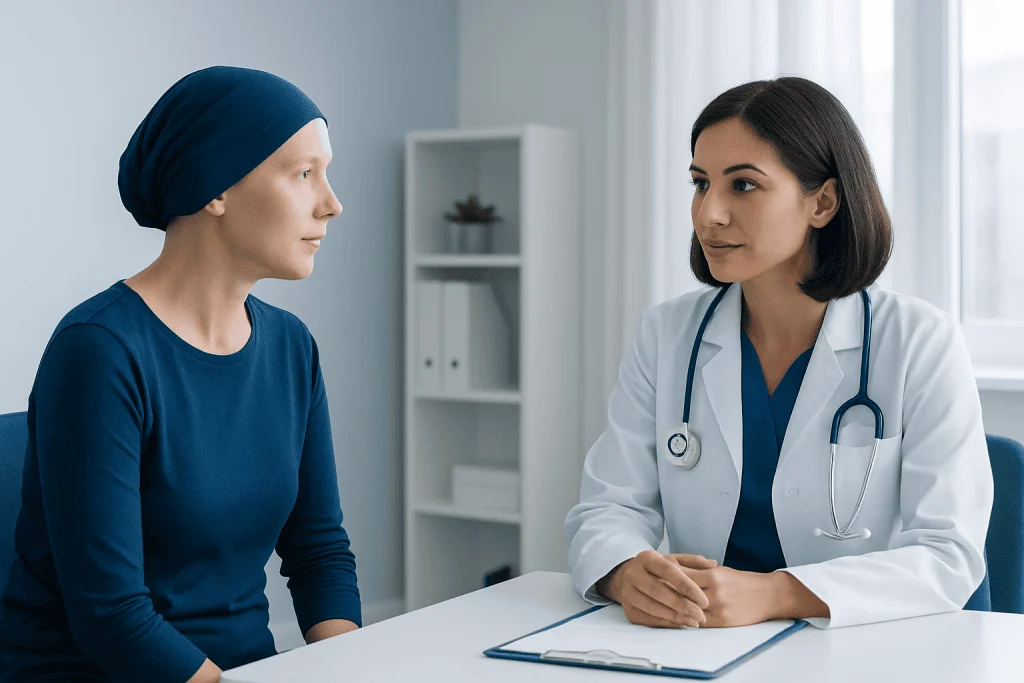
Many people with cancer can consider selected complementary therapies as part of a broader supportive-care plan. Candidacy depends on the cancer diagnosis, current treatment, symptoms, other health conditions, medicines, blood counts, nutritional status, and personal preferences. The oncology team can advise which options are appropriate at a particular point in treatment.
Supportive approaches may be particularly helpful for people experiencing stress, sleep problems, fatigue, reduced physical confidence, nausea, appetite changes, or difficulty adjusting to a diagnosis. They can also support family members and caregivers, who may experience substantial emotional strain.
Extra caution is needed with supplements, concentrated herbal extracts, intravenous vitamins, fasting plans, and very restrictive diets. These can affect blood clotting, anesthesia, the liver, kidneys, immune function, or how anticancer medicines are absorbed and processed. They may also worsen weight loss or malnutrition.
People should not delay a biopsy, scan, surgery, or recommended cancer treatment while pursuing unproven alternatives. If someone is unsure about a recommendation, seeking a second opinion from a qualified oncology specialist is a safer option than stopping treatment without medical guidance.
What happens during an integrative oncology plan?
An integrative care plan begins with an assessment. The team reviews the diagnosis, planned or current cancer treatments, symptoms, medical history, medicines, vitamins, herbs, and dietary practices. Patients should bring product labels or a written list, as ingredients and doses can matter.
The next step is to define practical goals. These may include easing treatment-related nausea, reducing anxiety before a procedure, improving sleep, maintaining mobility, or addressing loss of appetite. The team then recommends options with an appropriate balance of evidence, safety, access, and patient preference.
Support may involve referrals to dietitians, psycho-oncology professionals, physiotherapists, palliative-care clinicians, pain specialists, or other trained practitioners. Cancer rehabilitation and symptom management can be as important as tumour-directed treatment in helping a person function and feel as well as possible.
The plan is reviewed over time. Symptoms, side effects, laboratory results, nutrition, and treatment response may change, so therapies that were suitable at one stage may need to be adjusted or stopped later. Open communication helps the team respond quickly and safely.
Recovery timeline, possible benefits, and risks
There is no single recovery timeline for complementary care because these approaches do not replace cancer treatment. Some people may notice short-term improvements in relaxation, sleep, or stress after a session or within several weeks of practicing a technique regularly. Improvements in strength, fatigue, or nutrition generally require ongoing, individualized support.
Potential benefits of appropriately selected complementary therapies include better symptom control, improved emotional wellbeing, greater activity confidence, and a sense of participation in care. These benefits are meaningful, but they should be evaluated realistically and alongside the effects of standard medical treatment.
Risks vary widely. Herbal remedies and supplements can interact with chemotherapy, targeted medicines, anticoagulants, anesthesia, and other treatments. Unregulated products may contain unexpected ingredients or contaminants. Some physical therapies may not be suitable in areas affected by surgery, radiotherapy, bone metastases, lymphedema risk, low platelet counts, or infection.
The most serious risk is replacing or postponing effective cancer treatment with an unproven alternative. This can allow cancer to progress and may reduce future treatment options. Patients are encouraged to ask their clinicians about expected benefits, evidence, possible harms, and interactions before starting any new therapy.
What is the 62 day rule for cancer?
The 62 day rule is a cancer waiting-time target used within parts of the United Kingdom’s National Health Service. It generally refers to a goal for a patient with an urgent suspected-cancer referral to begin first definitive treatment within 62 days of referral. It is a healthcare-system performance standard, not a biological rule about how quickly every cancer grows.
Diagnostic and treatment timelines vary across countries and depend on the suspected cancer, urgency, test availability, and the need for specialist review. Some situations require much faster assessment, while other cases need careful staging and planning before treatment can safely begin.
A person with concerning symptoms should contact a doctor promptly rather than waiting for a particular number of days. Once cancer is diagnosed, the treatment team can explain the expected timetable and why certain scans, pathology tests, or consultations may be needed.
Which vitamin is called an anticancer vitamin?
Vitamin D is sometimes described in popular health information as an “anticancer vitamin,” largely because it has roles in cell regulation and immune function and has been studied in relation to cancer risk. However, this phrase is misleading. No vitamin has been proven to prevent or cure all cancers, and vitamin supplements should not be used as cancer treatment.
Vitamin D is important for bone health and other body functions. A clinician may recommend testing or supplementation for people at risk of deficiency, including some patients receiving cancer treatment. The goal is to correct a deficiency or support general health, not to replace oncology care.
High-dose vitamin regimens can cause harm and may interfere with treatment. It is safest to obtain nutritional advice from the oncology team or a registered dietitian, particularly if appetite, weight, digestion, or blood test results have changed.
Can your body fight off cancer without chemotherapy?
The body’s immune system can recognize and respond to abnormal cells, but established cancer usually needs medical assessment and, in many cases, active treatment. Whether chemotherapy is needed depends on the specific cancer. Some cancers are treated primarily with surgery, radiation therapy, hormone therapy, targeted therapy, immunotherapy, active surveillance, or a combination of approaches.
For certain early-stage or slow-growing cancers, immediate chemotherapy may not be recommended. This does not mean the cancer is being left untreated without a plan; it means the oncology team has determined that another evidence-based strategy is more suitable. Decisions are guided by pathology, stage, genetic or molecular findings when relevant, and expected benefit.
Healthy habits can support overall health during and after cancer care, but they do not reliably eliminate established cancer. People should discuss all treatment options with their oncology team and should not decline recommended care based on promises that the body can cure cancer alone.
What do doctors think of alternative medicine?
Doctors generally distinguish between complementary therapies used safely with conventional treatment and alternative therapies used in place of it. Many oncology professionals support evidence-informed complementary care when it helps a person manage symptoms, maintain function, or cope emotionally and does not interfere with treatment.
Doctors are concerned about alternative methods that make cure claims without quality evidence, encourage patients to stop treatment, or expose them to avoidable harms. Their role is not simply to dismiss a patient’s interests; it is to help assess evidence, protect safety, and ensure that choices are informed.
Patients can ask direct questions: What evidence supports this? What is it meant to improve? Could it interact with treatment? What are the costs and risks? A supportive care discussion should be respectful and should include the patient’s values, cultural background, and goals.
When to seek medical care
People should contact their oncology team before starting any supplement, herbal medicine, restrictive diet, intravenous vitamin treatment, or alternative procedure. This is especially important before surgery, during chemotherapy or radiotherapy, and when taking medicines that affect immunity, blood clotting, pain, blood pressure, or blood sugar.
Urgent medical advice is needed for severe or worsening pain, fever, shortness of breath, chest pain, confusion, uncontrolled vomiting, dehydration, new weakness, unusual bleeding, or signs of an allergic reaction. People receiving cancer treatment should follow the emergency contact instructions provided by their treatment team.
A person who is considering stopping cancer treatment, has lost confidence in the plan, or feels overwhelmed should speak with an oncologist promptly. A second opinion, counseling, palliative care, and symptom-support services can all help people make informed decisions without losing access to effective treatment.
Acibadem International’s multidisciplinary specialists and JCI-accredited hospitals support international patients with cancer diagnosis, treatment planning, and coordinated supportive care. A qualified cancer team can help patients weigh complementary options alongside evidence-based treatment.
Frequently asked questions
Is alternative therapy safe during cancer treatment?
Safety depends on the specific therapy, the cancer treatment being received, and the person’s overall health. Some approaches may be safe and helpful for symptoms, while herbs, supplements, and restrictive diets can cause harmful interactions. The oncology team should review any therapy before it is started.
Can herbs or supplements make chemotherapy less effective?
Some herbs and supplements can change how cancer medicines are absorbed, broken down, or removed from the body. Others may increase bleeding risk, worsen liver or kidney stress, or affect radiation sensitivity. Patients should provide their care team with a complete list of all products they use.
Are complementary therapies the same as palliative care?
No. Complementary therapies are supportive practices used with standard treatment, while palliative care is specialized medical care focused on symptom relief, quality of life, and support at any stage of serious illness. Palliative care can include evidence-based complementary approaches when appropriate.
Should a patient stop vitamins after a cancer diagnosis?
Not necessarily, but vitamins and supplements should be reviewed by the oncology team. Some people need specific supplements because of a documented deficiency, while others may be advised to avoid certain products during treatment. Food-based nutrition is often preferred when possible.
Can a healthy diet cure cancer?
A balanced diet can help support strength, energy, and recovery, but it cannot reliably cure established cancer. Nutrition needs can change during treatment, especially with weight loss, nausea, swallowing difficulty, or digestive symptoms. A cancer dietitian can give individualized advice.
How can someone assess an alternative cancer treatment claim?
Useful questions include whether the claim is supported by high-quality human research, whether risks and limitations are clearly explained, and whether it is offered alongside rather than instead of standard care. Claims of guaranteed cures, secret solutions, or pressure to avoid doctors are important warning signs. Discussing the claim with an oncologist is the safest next step.
References
- National Cancer Institute
- American Cancer Society
- National Center for Complementary and Integrative Health
- World Health Organization
- European Society for Medical Oncology
This article is for general information only and is not a substitute for professional medical advice. Please consult a qualified doctor about your individual situation.
Oncology care in Turkey — second opinion and treatment plan
JCI-accredited · board-certified surgeons · reply within 24h
Add us as a Preferred Source to see more of our trusted health content across Google Search, AI Overviews and Discover.