Bronchopulmonary Dysplasia Treatment: How It Works, Results and What to Expect

Bronchopulmonary dysplasia, or BPD, is a chronic lung condition that mainly affects babies born very prematurely. Treatment does not follow a single procedure; it combines respiratory support, nutrition, medications when appropriate and developmental follow-up.
Key Takeaways
- Bronchopulmonary dysplasia, or BPD, is a chronic lung condition that mainly affects babies born very prematurely.
- Treatment does not follow a single procedure; it combines respiratory support, nutrition, medications when appropriate and developmental follow-up.
- Many children improve substantially as their lungs grow, although some need respiratory monitoring for years.
- BPD severity is assessed by the amount of respiratory support a baby needs at a standardized age.
- Parents and caregivers play an important role in infection prevention, safe feeding, medication use and attending follow-up visits.
Bronchopulmonary dysplasia treatment is individualized care for premature babies whose lungs need ongoing support after birth. It focuses on using the least invasive breathing support possible, meeting nutrition needs, preventing complications and providing close follow-up as the lungs grow.
Bronchopulmonary Dysplasia Treatment: How It Works
Bronchopulmonary dysplasia treatment helps a premature baby breathe, grow and develop while the lungs continue maturing. Care is tailored to the baby’s oxygen needs, feeding ability, growth, heart function and overall medical condition. The goal is not simply to increase oxygen levels, but to provide enough support for healthy development while avoiding unnecessary lung irritation.
BPD usually develops in babies born very early, especially those who need oxygen therapy or mechanical ventilation because their lungs are not yet fully developed. Modern neonatal care aims to use gentle ventilation strategies and the lowest effective oxygen concentration. This helps protect delicate lung tissue while ensuring that the brain, heart and other organs receive adequate oxygen.
Treatment commonly takes place in a neonatal intensive care unit (NICU) and continues after discharge through pediatric and respiratory follow-up. Families may work with neonatologists, pediatric pulmonologists, cardiologists, dietitians, nurses, developmental specialists and other professionals. The care plan is reviewed regularly because a baby’s needs can change quickly as growth and lung development progress.
Who May Need Treatment and How BPD Is Diagnosed
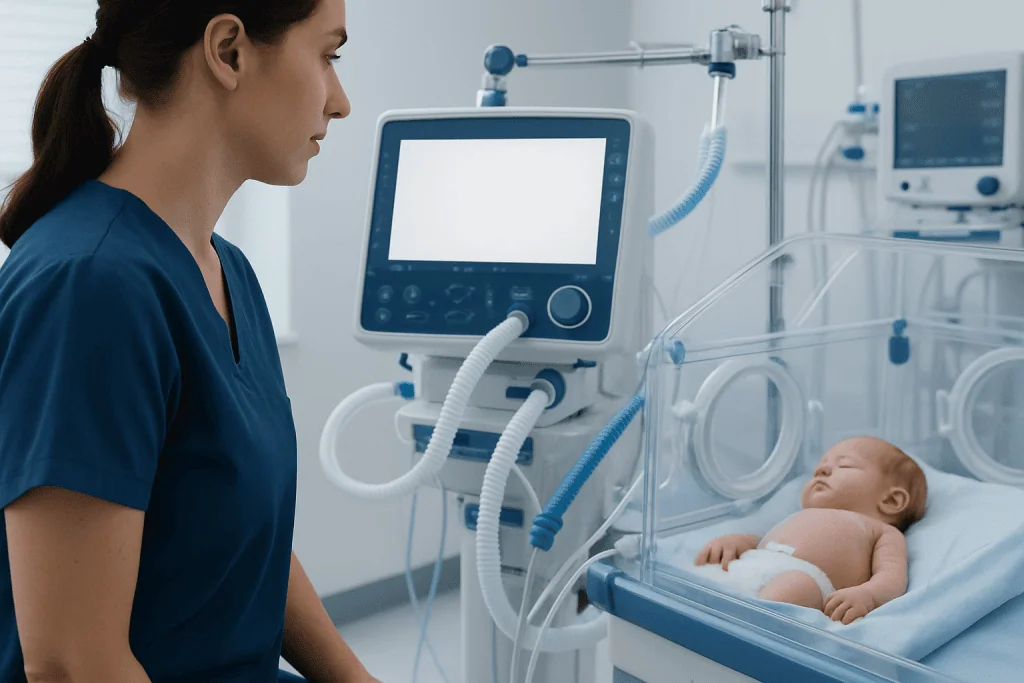
Babies at greatest risk of BPD are those born very prematurely or with very low birth weight. Other factors can include severe early breathing problems, infection, inflammation, a heart condition called patent ductus arteriosus, poor growth or a prolonged need for breathing support. BPD is not caused by anything a parent did or did not do during pregnancy.
The diagnosis is based primarily on prematurity, the baby’s history of respiratory support and the continuing need for oxygen or other support at a specific postmenstrual age. Postmenstrual age combines the weeks of pregnancy at birth with the weeks since birth. Clinicians also assess symptoms, oxygen requirements, feeding and growth, and may use chest imaging, blood tests or an echocardiogram when needed to evaluate related concerns.
Because other conditions can also cause breathing difficulties in infants, the clinical team considers issues such as infection, airway problems, reflux with aspiration, anemia and heart disease. A clear diagnosis allows the team to create a realistic plan for respiratory care, nutrition and safe discharge planning.
- Babies needing continued oxygen, noninvasive support or ventilation may require closer monitoring.
- Babies with slow weight gain may need additional calorie and feeding support.
- Babies with signs of <a href="https://acibademinternational.com/diseases/pulmonary-hypertension/”>pulmonary hypertension may need cardiac assessment and specialized care.
What Happens During Bronchopulmonary Dysplasia Treatment

There is no single operation or fixed procedure for BPD. Instead, treatment progresses in steps according to the baby’s condition. At first, the NICU team stabilizes breathing with approaches such as continuous positive airway pressure (CPAP), high-flow nasal cannula or, when necessary, mechanical ventilation. Teams generally try to transition toward less invasive support as soon as it is safe to do so.
Oxygen is carefully adjusted and monitored. Too little oxygen can strain developing organs, while excess oxygen can contribute to injury in vulnerable tissues. Some babies need oxygen only in the NICU, while others are discharged with home oxygen. Families are taught how to use equipment, recognize concerns and follow the prescribed safety plan before going home.
Nutrition is another central part of treatment. Growing lungs and recovering tissues use significant energy, and babies with BPD may tire during feeds or need more calories than other infants. Breast milk, fortified milk or specialized formula may be recommended. Some babies temporarily need tube feeding until they can take enough nutrition safely by mouth.
Medication may be considered in selected situations. For example, diuretics can sometimes help reduce fluid in the lungs, bronchodilators may be tried if airway narrowing is suspected, and other treatments may be used for specific complications. These medicines are not appropriate for every baby and are reviewed carefully for benefit and possible side effects.
Recovery Timeline, Expected Results and Follow-Up
Recovery from BPD is gradual rather than immediate. The developing lungs continue to form new air sacs and blood vessels throughout early childhood, so many babies become less dependent on respiratory support over time. The pace varies widely, and a child’s progress is influenced by the degree of prematurity, the severity of lung disease, growth, infections and other health conditions.
In the NICU, improvement may be seen as a baby needs less oxygen or lower-pressure breathing support, tolerates feeds better and gains weight steadily. Discharge is considered when breathing, feeding, temperature control and family readiness meet safety goals. Some infants go home with oxygen, a feeding plan, medications or home monitoring recommended by their clinicians.
After discharge, regular follow-up commonly includes growth checks, oxygen assessment, feeding review and developmental screening. Children may also be assessed for hearing, vision, sleep-related breathing concerns and pulmonary hypertension when clinically indicated. Early-intervention services, physical therapy, occupational therapy or speech and feeding therapy can support development when needed.
The benefits of a structured BPD plan include more stable breathing, improved growth, a safer transition home and early recognition of complications. Challenges can include repeated appointments, equipment needs and higher vulnerability to respiratory infections during infancy. Families should ask their child’s team what changes are expected and which symptoms require urgent attention.
Does Bronchopulmonary Dysplasia Ever Go Away?
Many children with BPD improve greatly as they grow, and many no longer need oxygen or regular respiratory support during early childhood. This happens because the lungs continue to develop after birth, particularly in the first years of life. However, the term “go away” can be misleading, since early lung injury and interrupted development may leave some children with a greater tendency toward breathing symptoms.
Children who had more severe BPD may have wheezing, cough, lower exercise tolerance or respiratory symptoms during viral illnesses for longer. Some may develop asthma-like symptoms, although BPD and asthma are not the same condition. Ongoing pediatric follow-up helps determine whether symptoms are related to BPD, another respiratory condition or both.
Parents should not stop oxygen, medication or monitoring based solely on apparent improvement. Changes should be made with the child’s neonatal, pulmonary or pediatric team, often after oxygen measurements, growth assessment and review of breathing during sleep and feeding.
What Are the Long-Term Effects of Bronchopulmonary Dysplasia?
Long-term effects of BPD differ considerably among children. Some have no meaningful limitations after early childhood, while others experience recurrent wheeze, cough, shortness of breath with activity or more severe symptoms when they develop colds, influenza or other respiratory infections. Lung function may remain somewhat lower than in children born at term, especially after severe BPD.
BPD can also be associated with growth and feeding difficulties, developmental delays and, in some babies, pulmonary hypertension. These outcomes are influenced by many factors, including how early the baby was born and whether there were other complications of prematurity. They do not mean that every child with BPD will have these problems.
Regular developmental and respiratory care allows concerns to be identified early. Avoiding tobacco smoke and vaping exposure, keeping recommended immunizations up to date, supporting good nutrition and following individualized activity advice can all help protect a child’s health. Parents can discuss future nursery, daycare, travel and exercise plans with the child’s healthcare team.
What Is Stage 3 BPD?
“Stage 3 BPD” is sometimes used informally to mean severe bronchopulmonary dysplasia, but the terminology can be confusing. Different hospitals and studies have used different classification systems. Current assessments usually describe BPD as mild, moderate or severe, or use a grading system based on the type and amount of respiratory support needed at a defined postmenstrual age.
In general, a higher grade or severe BPD indicates that an infant still requires more substantial respiratory support, such as positive-pressure support or mechanical ventilation, at the assessment point. It does not predict one certain outcome for an individual child. The baby’s growth, oxygen needs, heart health, infection history and progress over time all matter.
Families should ask the neonatal team which classification system is being used and what it means for their own baby’s care. The most useful discussion focuses on current support needs, near-term goals, discharge readiness and the follow-up services that will be needed after leaving the NICU.
At What Age Is Bronchopulmonary Dysplasia Diagnosed?
Bronchopulmonary dysplasia is usually diagnosed in premature infants around 36 weeks postmenstrual age for babies born before 32 weeks of pregnancy. For babies born later but still prematurely, assessment may occur at 56 days after birth or at discharge, depending on the clinical criteria used. This timing helps distinguish temporary early breathing problems from a longer-lasting need for respiratory support.
A baby may be suspected of having BPD earlier if they continue to require oxygen or breathing support beyond the first weeks after birth. However, the formal diagnosis and severity classification are generally made at the standardized assessment age. The clinical team continues to reassess the diagnosis as the baby’s needs evolve.
For international patients, Acibadem International’s multidisciplinary specialists and JCI-accredited hospitals provide neonatal assessment, respiratory support and coordinated follow-up for premature babies with complex lung needs.
When to Seek Medical Care
A baby with BPD should have a clear follow-up plan after leaving the hospital. Parents or caregivers should contact the child’s healthcare team promptly for increased work of breathing, faster breathing than usual, persistent feeding difficulty, fewer wet diapers, unusual sleepiness, poor weight gain or an oxygen reading outside the range specified in the child’s care plan.
Emergency medical care is needed if a baby has blue or gray lips or skin, severe chest pulling in with breathing, pauses in breathing, marked limpness, difficulty waking, or appears unable to feed because of breathing distress. Caregivers should follow emergency instructions provided by their child’s medical team and local emergency services.
Routine preventive care is also important. Keeping appointments, discussing vaccination schedules, reducing exposure to people with respiratory infections and maintaining a smoke-free environment can lower avoidable risks. Any fever or respiratory illness in a young infant with BPD should be discussed with a qualified clinician, particularly if breathing or feeding changes.
Frequently asked questions
Can bronchopulmonary dysplasia be cured?
There is not a single cure or procedure that immediately reverses BPD. Treatment supports breathing, nutrition and growth while the lungs continue to mature. Many children improve substantially over time, although some may have ongoing respiratory sensitivity.
How long do babies with BPD need oxygen?
The duration of oxygen therapy varies widely. Some babies stop needing oxygen before leaving the NICU, while others go home with oxygen and are weaned gradually over weeks or months. The decision is based on oxygen measurements, breathing, growth and the child’s overall progress.
Can a baby with BPD go home from the hospital?
Yes, many babies with BPD are discharged home once they are medically stable and caregivers are prepared for the care plan. Some may need home oxygen, feeding support, medications or close outpatient follow-up. Before discharge, families receive training tailored to their baby’s needs.
Is bronchopulmonary dysplasia the same as asthma?
No. BPD is a chronic lung condition related to premature birth and immature lung development, whereas asthma is a condition involving airway inflammation and narrowing. A child with BPD may have wheezing or respond to some asthma medicines, but diagnosis and treatment should be individualized.
How can parents help a baby with BPD after discharge?
Parents can follow the prescribed oxygen, medication and feeding plans, attend follow-up appointments and keep the home free from tobacco smoke and vaping aerosols. Limiting exposure to respiratory infections and seeking advice early when breathing or feeding changes can also help. Parents should ask the care team for written instructions and emergency contact guidance.
Does severe BPD affect development?
Some babies with severe BPD have a higher likelihood of developmental, feeding or growth challenges, partly because they were born very prematurely and may have had complex medical needs. This does not mean every child will have delays. Regular developmental screening and early-intervention services can identify and address needs early.
References
- American Academy of Pediatrics
- National Heart, Lung, and Blood Institute
- Centers for Disease Control and Prevention
- European Respiratory Society
- March of Dimes
This article is for general information only and is not a substitute for professional medical advice. Please consult a qualified doctor about your individual situation.
Explore treatments in Turkey — costs, top hospitals & a free quote
JCI-accredited · board-certified surgeons · reply within 24h
Add us as a Preferred Source to see more of our trusted health content across Google Search, AI Overviews and Discover.
Check your numbers in seconds
BMI, calories, due date, blood pressure and 30+ more clinical calculators — free, instant, doctor-reviewed ranges.