Can Chia Seeds Cause Constipation? Causes, Explanations, and Next Steps

Chia seeds are high in fiber, which can help bowel regularity for many people but may worsen constipation if introduced too fast. Not drinking enough water with chia seeds is a common reason they trigger bloating, hard stools, or difficulty passing stool.
Key Takeaways
- Chia seeds are high in fiber, which can help bowel regularity for many people but may worsen constipation if introduced too fast.
- Not drinking enough water with chia seeds is a common reason they trigger bloating, hard stools, or difficulty passing stool.
- Digestive symptoms after chia seeds are often temporary, but ongoing constipation may point to another bowel issue.
- Medical care is important if constipation comes with severe pain, vomiting, blood in the stool, weight loss, or inability to pass gas.
- Doctors assess constipation by reviewing diet, hydration, medicines, bowel habits, and any signs of an underlying digestive condition.
Yes, chia seeds can cause constipation in some people, especially when intake rises quickly, fluids are limited, or digestive sensitivity is already present. In most cases this is mild and manageable, but persistent symptoms or red flags should be reviewed by a doctor.
Overview: Can Chia Seeds Cause Constipation?
Yes, chia seeds can cause constipation in some people. This usually happens when they are added to the diet too quickly, eaten in large amounts, or consumed without enough fluid. For many people, the problem is short-lived and improves with simple changes such as reducing the amount, increasing water intake, and balancing fiber from other foods.
Chia seeds are often considered helpful for digestion because they are rich in fiber. However, fiber does not work the same way for everyone. A sudden increase in fiber can slow bowel comfort before the body adjusts, especially in people who already have sensitive digestion, low fluid intake, or a tendency toward constipation.
It is also important to separate mild constipation from warning signs. If symptoms include severe or worsening abdominal pain, vomiting, bloating with inability to pass gas, blood in the stool, fever, or unexplained weight loss, medical review is needed. Those symptoms are not typical of a simple reaction to chia seeds and may suggest a more significant digestive problem such as colon cancer or another bowel disorder.
How Chia Seeds Affect Digestion
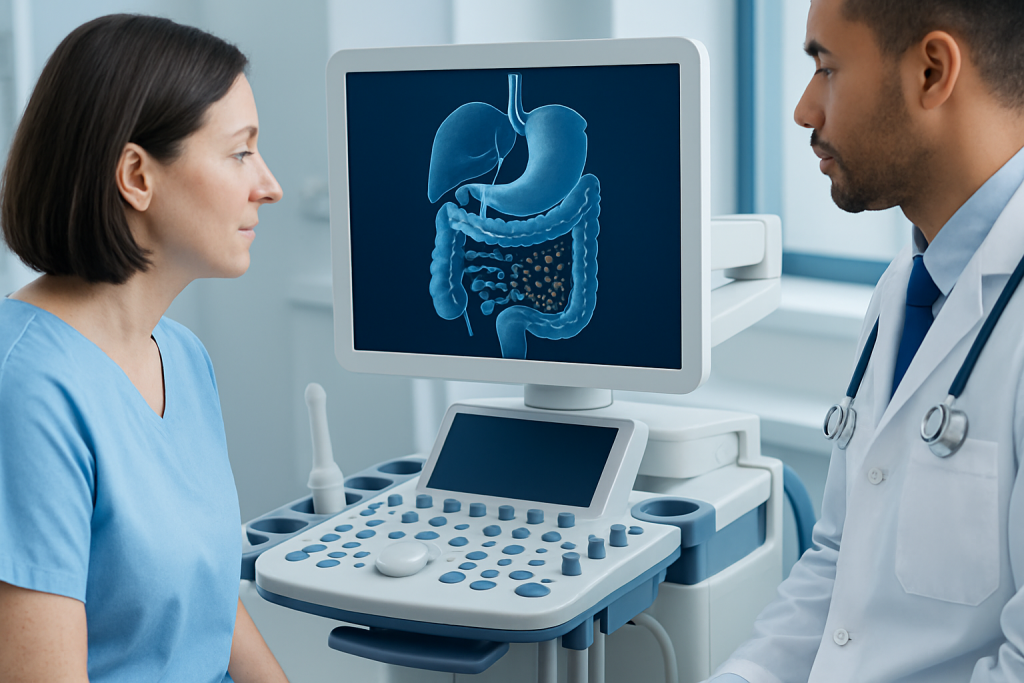
Chia seeds contain a large amount of dietary fiber, including soluble fiber. When mixed with liquid, they absorb water and form a gel-like texture. This can be useful for stool consistency and may support regularity in people who are well hydrated and used to a higher-fiber diet.
At the same time, the same water-absorbing property can become uncomfortable if fluid intake is low. Instead of softening stool, a rapid fiber increase may lead to bloating, fullness, gas, and harder stools. Some people notice that they feel constipated after adding chia seeds to smoothies, yogurt, oats, or baked foods, especially if they start with a large serving.
Digestive response also depends on the rest of the diet. If someone eats a low-fiber diet most of the time and then suddenly adds chia seeds without increasing total fluids or overall meal balance, the bowel may respond poorly at first. This is one reason the answer to “can chia seeds cause constipation” is yes, even though chia seeds are often promoted for digestive wellness.
Why Chia Seeds May Lead to Constipation

Several practical factors explain why chia seeds may cause constipation. The most common is not drinking enough water. Because the seeds absorb liquid, the bowel needs adequate hydration to move stool comfortably. Without it, stool may become dry, bulky, or difficult to pass.
Another reason is increasing fiber too quickly. The digestive tract often adapts better when fiber is introduced gradually over days or weeks. A sudden jump from very little fiber to a large amount from chia seeds, beans, bran, or supplements can produce constipation, bloating, or gas rather than relief.
Preparation method matters too. Some people tolerate soaked chia seeds better than dry seeds added directly to meals. While soaked seeds are not essential for everyone, allowing them to absorb liquid before eating may feel gentler for sensitive digestion. Individual bowel habits, medications, low physical activity, and other conditions such as irritable bowel syndrome can also influence whether chia seeds help or worsen symptoms.
- Too little fluid with a high-fiber food
- A sudden increase in serving size
- Eating dry or concentrated forms in large amounts
- Baseline constipation or slow bowel motility
- Other dietary changes happening at the same time
- Medicines that can contribute to constipation
Common Symptoms and What Is Usually Harmless
Mild constipation related to chia seeds often includes fewer bowel movements than usual, stools that are harder or drier, straining, a feeling of incomplete emptying, or temporary bloating. These symptoms are usually not dangerous if they are mild, brief, and improve with hydration, movement, and a smaller amount of chia seeds.
Some people also notice gas, cramping, or a heavy sensation in the abdomen when first increasing fiber intake. This can happen even when the bowel movements continue, and it often settles as the digestive system adjusts. Keeping a simple record of meals, fluid intake, and bowel habits can help identify whether chia seeds are the likely trigger.
Symptoms deserve closer attention when they are persistent or out of proportion to the amount eaten. Constipation that lasts more than a few weeks, keeps coming back, or is associated with new pain or appetite changes should not be assumed to be caused only by a food. In some cases, doctors may evaluate for underlying bowel inflammation, structural problems, or other digestive conditions with tests such as colonoscopy.
What a Doctor May Check if Constipation Persists
If constipation does not improve after adjusting chia seed intake and hydration, a doctor will usually start with a careful history. They may ask how often bowel movements occur, what the stool looks like, whether there is straining, what medicines or supplements are used, and whether there are warning signs such as bleeding, severe pain, or weight loss.
The doctor may also review daily fiber intake, fluid habits, exercise level, thyroid history, and any personal or family history of bowel disease. A physical examination can help identify signs of dehydration, abdominal tenderness, or other concerns. In many cases, this first step provides enough information to guide simple treatment safely.
Further testing depends on age, symptom pattern, and red flags. Some people may need blood tests, stool tests, or imaging. If doctors need a closer look at the digestive tract, they may recommend gastroenterology evaluation and procedures such as endoscopy or colonoscopy, depending on whether symptoms suggest an upper or lower digestive cause.
What to Do Next: Safe Self-Care and Treatment Options
When chia seeds seem to be causing constipation, the first step is usually to reduce the amount or pause them temporarily. Drinking more water through the day often helps, especially if fiber intake has recently increased. A gradual reintroduction may be better tolerated than returning to the same amount all at once.
It can also help to review the overall diet rather than focusing on a single food. Regular meals, fruits, vegetables, whole grains, and adequate fluids support bowel function more consistently than relying on one fiber source. Gentle physical activity, such as walking, can also encourage normal bowel movement patterns.
If constipation is frequent or more uncomfortable, a doctor may suggest short-term treatment. This might include diet changes, review of medications, or general constipation remedies that are appropriate for the person’s age and health conditions. Treatment should be individualized, especially for children, older adults, pregnant people, or anyone with long-standing digestive symptoms.
When to Seek Medical Care
Most cases of constipation after chia seeds are mild and improve with simple adjustments. Still, medical care is important if symptoms are severe, do not improve, or come with warning signs. Red flags include strong or persistent abdominal pain, repeated vomiting, inability to pass gas, black or bloody stools, fever, faintness, or unexplained weight loss.
Medical review is also wise if constipation is new and persistent in an older adult, if there is a family history of bowel disease, or if symptoms keep returning despite dietary changes. Children, pregnant people, and individuals with chronic illnesses may need earlier advice because causes and treatment choices can differ.
Near the end of the diagnostic process, some people may benefit from specialist digestive care. Acibadem International’s multidisciplinary specialists and JCI-accredited hospitals evaluate and treat digestive symptoms for international patients when further assessment is needed.
Frequently asked questions
Can chia seeds cause constipation even though they contain fiber?
Yes. Although fiber often supports regular bowel movements, a sudden increase can sometimes make constipation worse before the body adjusts. This is more likely when chia seeds are eaten without enough fluid or in larger amounts than usual.
Are dry chia seeds more likely to cause constipation?
They may be for some people. Chia seeds absorb liquid, so eating them dry or in concentrated amounts may feel harder on digestion if daily fluid intake is low. Many people find they tolerate chia seeds better when they are mixed well into liquids or softer foods.
How long does constipation from chia seeds usually last?
If chia seeds are the main trigger, symptoms often improve within a few days after reducing the amount and increasing fluids. Recovery may be faster when overall fiber intake is balanced and physical activity is maintained. If symptoms persist or worsen, a doctor should assess for another cause.
Should chia seeds be stopped completely?
Not always. Some people only need to reduce the amount temporarily and reintroduce them more gradually. Others may decide that a different fiber source suits them better, especially if digestive symptoms repeatedly return.
Who is more likely to get constipated from chia seeds?
People with low fluid intake, a low-fiber baseline diet, limited physical activity, or a tendency toward constipation may be more vulnerable. Those with sensitive digestion or pre-existing bowel disorders may also notice symptoms more readily. Medicines that slow bowel movement can add to the effect.
When should constipation after chia seeds be treated as urgent?
Urgent evaluation is important if constipation comes with severe abdominal pain, vomiting, inability to pass gas, blood in the stool, black stools, fever, or fainting. These features are not typical of a simple food-related digestive reaction. They may indicate a blockage or another condition that needs prompt medical care.
References
- National Institute of Diabetes and Digestive and Kidney Diseases
- American College of Gastroenterology
- National Health Service
- Academy of Nutrition and Dietetics
- Mayo Clinic
This article is for general information only and is not a substitute for professional medical advice. Please consult a qualified doctor about your individual situation.
Persistent digestive symptoms? Get evaluated in Turkey
JCI-accredited · board-certified surgeons · reply within 24h
Check your numbers in seconds
BMI, calories, due date, blood pressure and 30+ more clinical calculators — free, instant, doctor-reviewed ranges.