Congenital Insensitivity to Pain: Possible Causes and When to Seek Care

Congenital insensitivity to pain is usually caused by inherited gene changes that affect pain-sensing nerves. A person may not feel injuries, burns, fractures, or other serious problems even when tissue damage is present.
Key Takeaways
- Congenital insensitivity to pain is usually caused by inherited gene changes that affect pain-sensing nerves.
- A person may not feel injuries, burns, fractures, or other serious problems even when tissue damage is present.
- Diagnosis often involves a detailed history, physical examination, neurological assessment, and genetic testing.
- There is no single cure, but treatment focuses on preventing injuries, managing complications, and coordinated long-term care.
- Early medical evaluation is especially important in children with unexplained injuries, self-biting, or absent reactions to pain.
Congenital insensitivity to pain is a rare inherited condition in which a person is born with little or no ability to feel physical pain. Because pain normally protects the body from harm, this disorder can lead to repeated injuries, delayed treatment, and complications that need careful medical follow-up.
Overview
Congenital insensitivity to pain is a rare condition present from birth in which a person does not feel pain normally, or may not feel it at all. It is most often linked to inherited changes in genes that help the nervous system detect and transmit pain signals. Although this may sound protective, pain has an important role: it warns the body about injury, illness, heat, pressure, and inflammation.
Without normal pain sensation, everyday hazards can become medically important. A child or adult with congenital insensitivity to pain may continue walking on a fracture, touch a hot surface without pulling away, or develop wounds that go unnoticed until they are severe. For this reason, the condition is not simply “high pain tolerance”; it is a neurological disorder that requires assessment and ongoing safety planning.
Some people with this disorder have isolated loss of pain sensation, while others also have problems with temperature sensing, sweating, healing, or the autonomic nervous system. In some cases, congenital insensitivity to pain overlaps with hereditary sensory and autonomic neuropathies, a group of rare nerve disorders. Doctors may compare it with related conditions such as peripheral neuropathy when evaluating how sensation is affected.
Symptoms and Signs
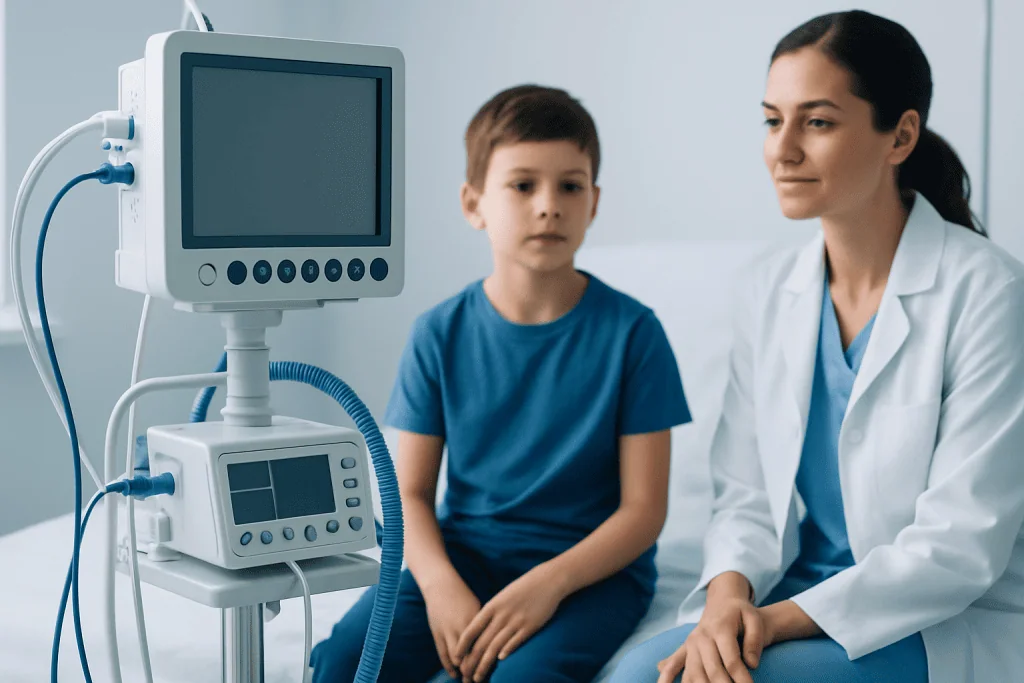
The main sign of congenital insensitivity to pain is absent or markedly reduced pain response despite clear injury. Parents may notice that a baby does not cry after falls, injections, or minor trauma. Older children or adults may report feeling pressure or touch but not pain, which can delay recognition of cuts, burns, dental problems, or broken bones.
Symptoms can vary depending on the specific genetic cause. Some people cannot feel both pain and temperature well, while others mainly lack pain perception. Repeated injuries may lead to swelling, deformity, scarring, chronic wounds, infections, or joint damage over time. Self-injury, such as biting the lips, tongue, or fingers, may occur in infants and young children because painful feedback is missing.
Other possible features include:
- Frequent bruises, cuts, or burns without distress
- Unexplained limping or continued use of an injured limb
- Repeated fractures or joint injuries
- Slow healing or unnoticed infections
- Reduced sweating or trouble regulating body temperature in some forms
- Corneal injuries from rubbing the eyes too hard
- Dental damage from biting or chewing injuries
Importantly, congenital insensitivity to pain does not necessarily affect intelligence. However, because injuries can be recurrent and hard to detect, the condition may have a significant impact on daily routines, mobility, and quality of life if not recognized early.
Possible Causes and Risk Factors

Congenital insensitivity to pain is usually caused by inherited genetic variants that affect the development or function of nerve cells responsible for sensing painful stimuli. Several genes have been associated with pain signaling pathways, including those involved in sodium channels and nerve growth. When these pathways do not work normally, the brain may never receive proper pain messages from the body.
The condition is often inherited in an autosomal recessive pattern, meaning a child receives one altered gene copy from each parent. In these families, parents may be healthy carriers with no symptoms. A family history of similar symptoms, repeated childhood injuries, or unexplained sensory problems can increase suspicion, though some cases are only recognized after a child develops repeated injuries.
Not all absent pain responses are due to congenital insensitivity to pain. Doctors also consider other causes, such as developmental conditions, acquired nerve disorders, spinal cord disease, metabolic illnesses, or rare syndromes that affect sensation. This is why careful neurological evaluation is important, especially if symptoms appear to change over time or if additional signs point toward a broader nerve disorder such as neuropathy.
Risk is mainly genetic rather than lifestyle-related. Still, the practical risk of complications becomes higher when the condition is not diagnosed early, when supervision is limited in young children, or when a person participates in activities with higher chances of unnoticed trauma.
How Doctors Diagnose It
Diagnosis begins with a detailed medical history and physical examination. Clinicians ask about injuries, reactions to painful events, burns, fractures, dental problems, wound healing, sweating patterns, temperature regulation, and family history. In children, doctors also ask caregivers whether the child cried less than expected after accidents or seemed unaware of injuries.
A neurological examination helps determine which types of sensation are reduced or absent. The doctor may assess responses to pinprick, temperature, vibration, touch, and reflexes, while also checking the skin, joints, eyes, mouth, and bones for signs of unnoticed damage. Because repeated trauma can cause orthopedic problems, imaging such as X-rays or other scans may be needed if fracture or joint injury is suspected.
Genetic testing often plays a key role in confirming the diagnosis and identifying the specific subtype. Some patients may also need nerve studies, sweat testing, or consultation with specialists in neurology, pediatrics, orthopedics, genetics, ophthalmology, or dentistry. When brain or spinal causes need to be ruled out, doctors may recommend MRI scanning as part of the evaluation.
Diagnosis can take time because the disorder is rare and must be distinguished from other sensory and behavioral conditions. A clear diagnosis is helpful not only for treatment planning, but also for family counseling, long-term safety strategies, and understanding future health needs.
Treatment and Long-Term Management
There is currently no single cure that restores normal pain sensation in most people with congenital insensitivity to pain. Treatment focuses on preventing injuries, identifying problems early, and managing complications promptly. Because the condition can affect many body systems, care is often coordinated among several specialists.
Daily protection is a core part of treatment. Families and patients may be advised to perform regular skin checks, inspect the feet and hands, monitor for swelling or limping, and avoid extreme heat or unsafe surfaces. Protective footwear, careful nail and dental care, and supervision during play or sports may reduce the risk of injury. If wounds, fractures, or joint problems occur, early treatment is important to protect function and limit long-term damage.
Management may include orthopedic care for fractures or joint destruction, dental treatment for self-inflicted oral injuries, eye care for corneal damage, and infection treatment when wounds are discovered late. In selected cases, doctors may recommend rehabilitation support such as physical therapy and rehabilitation to improve movement, strength, and joint protection after injury.
Because this is a rare neurological condition, ongoing follow-up with specialists can be helpful. When a broader nerve disorder is suspected, patients may benefit from assessment through neurology services. Near the end of the care pathway, some families also seek coordinated evaluation at centers experienced in complex rare disorders; Acibadem International’s multidisciplinary specialists in JCI-accredited hospitals diagnose and treat such conditions for international patients.
Prevention and Self-Care
Prevention in congenital insensitivity to pain does not mean preventing the genetic condition itself after birth; it means preventing avoidable injuries and complications. Since pain cannot reliably signal danger, patients and caregivers learn to replace that missing warning system with routine observation and protective habits. This often becomes an everyday part of home, school, work, and travel planning.
Helpful self-care strategies may include:
- Checking the skin daily for cuts, swelling, redness, blisters, or burns
- Inspecting the feet and shoes, especially after walking or sports
- Using oven mitts, bath thermometers, and caution with hot drinks or heaters
- Scheduling regular dental and eye examinations
- Seeking prompt care for limping, fever, unusual swelling, or reduced movement
- Teaching children safe play habits and close supervision around heat and sharp objects
Families may also need support from schools, caregivers, or employers so that injuries are not missed. Medical alert information can be useful in emergencies, especially if the person may not report pain after an accident. Genetic counseling may be helpful for families who want to understand inheritance patterns and future pregnancy risks.
It is important not to assume that lack of pain means lack of illness. Fever, fatigue, swelling, drainage, changes in walking, or new behavior can be clues that something is wrong even when pain is absent. For any concerning change, medical advice is appropriate.
When to Seek Medical Care
Medical care should be sought promptly if a child or adult may have congenital insensitivity to pain, especially when there are repeated unexplained injuries, burns, fractures, self-biting, or little reaction to clearly painful events. Early diagnosis can help reduce preventable harm and guide monitoring by the right specialists.
Urgent evaluation is important after any significant fall, blow to the head, suspected fracture, deep cut, burn, eye injury, fever, or signs of infection such as redness, swelling, warmth, or drainage. Even if the person feels well, the absence of pain does not rule out serious damage. A limp, refusal to use a limb, unusual tiredness, or a swollen joint can also signal hidden injury.
Parents should contact a doctor if a young child frequently injures themselves without distress, bites their lips or fingers repeatedly, or seems unable to distinguish hot from cold. Adults who suspect a lifelong inability to feel pain should also seek neurological evaluation, especially if they have recurring injuries or sensory abnormalities.
If severe trauma, breathing difficulty, loss of consciousness, major bleeding, or possible head injury occurs, emergency care is needed. In some cases, imaging or specialist review may be required quickly to identify injuries that the patient cannot feel.
Frequently asked questions
What is congenital insensitivity to pain?
Congenital insensitivity to pain is a rare inherited disorder in which a person is born with little or no ability to feel pain. Because pain is a protective warning signal, the condition can lead to unnoticed injuries and repeated complications.
Is congenital insensitivity to pain the same as having a high pain tolerance?
No. High pain tolerance means a person still feels pain but can cope with it better than others. Congenital insensitivity to pain involves an abnormal or absent pain-sensing pathway, so painful injuries may not be felt normally at all.
What causes congenital insensitivity to pain?
It is usually caused by inherited gene changes that affect nerve development or pain signaling. These changes can disrupt how pain messages travel from the body to the brain.
Can people with congenital insensitivity to pain feel anything?
Many can still feel touch, pressure, or movement, but pain sensation is absent or reduced. Some also have trouble sensing temperature, which can further increase the risk of burns and other injuries.
How is congenital insensitivity to pain diagnosed?
Doctors diagnose it using a medical history, physical and neurological examination, and often genetic testing. Additional tests may be used to look for injuries, rule out other conditions, or understand how the nerves are functioning.
Is there a cure for congenital insensitivity to pain?
There is no standard cure that restores normal pain sensation in most cases. Treatment focuses on injury prevention, regular monitoring, and early management of wounds, fractures, eye problems, dental injuries, and infections.
When should a child be evaluated for this condition?
A child should be evaluated if they repeatedly get hurt without crying or showing pain, bite their lips or fingers, or seem unaware of burns or fractures. Prompt medical assessment is also important if there is unexplained limping, swelling, fever, or frequent injuries.
References
- National Institute of Neurological Disorders and Stroke
- National Organization for Rare Disorders
- MedlinePlus
- GeneReviews
- American Academy of Pediatrics
This article is for general information only and is not a substitute for professional medical advice. Please consult a qualified doctor about your individual situation.
Explore treatments in Turkey — costs, top hospitals & a free quote
JCI-accredited · board-certified surgeons · reply within 24h