

Constipation After Diarrhoea — Explained by Medical Evidence, Not Myths

Constipation after diarrhoea is common and often short-lived during digestive recovery. Dehydration, low food intake, anti-diarrheal medicines, antibiotics, and post-infectious bowel changes can all contribute.
Key Takeaways
- Constipation after diarrhoea is common and often short-lived during digestive recovery.
- Dehydration, low food intake, anti-diarrheal medicines, antibiotics, and post-infectious bowel changes can all contribute.
- Gentle self-care usually helps: fluids, gradual return to normal meals, fiber introduced carefully, and movement.
- Medical advice is important if symptoms are severe, persistent, or linked to blood in stool, fever, vomiting, weight loss, or significant pain.
- The pattern may overlap with conditions such as irritable bowel syndrome or inflammation and should be assessed if it keeps recurring.
Constipation after diarrhoea is often a temporary bowel pattern change rather than a contradiction. It can happen while the gut recovers from infection, dehydration, diet changes, stress, or medicines that slow bowel movement.
What constipation after diarrhoea usually means
Constipation after diarrhoea may seem confusing, but it is usually explainable by how the digestive system recovers. After several loose bowel movements, the colon can briefly slow down, the body may be dehydrated, and stool may become harder and more difficult to pass. In many people, this settles over days as hydration, food intake, and normal bowel rhythm return.
This pattern is not a disease by itself. It is a symptom change that can follow a stomach infection, a short-term food intolerance, travel-related illness, stress, antibiotics, or the use of anti-diarrheal medication. The bowel is sensitive to changes in fluid balance, diet, routine, and gut bacteria, so a swing from one extreme to the other is possible.
Importantly, constipation after diarrhoea does not always mean the original problem has resolved completely. Sometimes the bowel remains irritated after an infection, leading to irregular motility. In other cases, there may be an underlying digestive condition that causes alternating symptoms, such as irritable bowel syndrome. A clear timeline of symptoms helps doctors understand whether this is a normal recovery pattern or something that needs further evaluation.
Why the bowel can slow down after loose stools
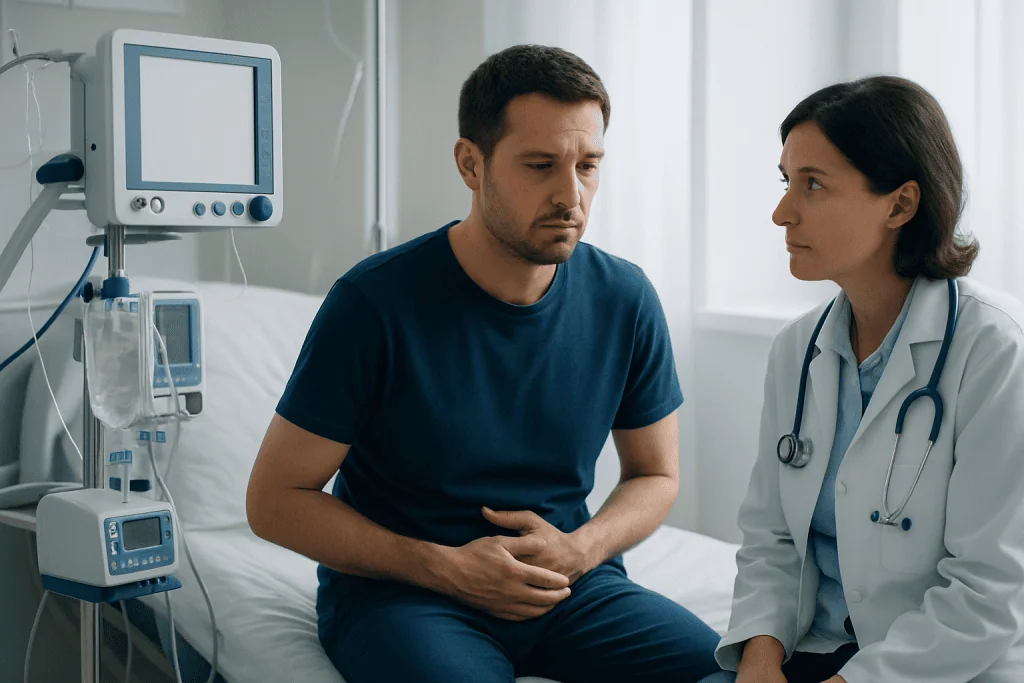
Several body mechanisms can lead to temporary constipation after diarrhoea. One of the most common is dehydration. Diarrhoea removes water from the body, and when fluid intake does not fully replace these losses, the colon absorbs more water from stool. This leaves stool drier, firmer, and harder to pass.
Another reason is reduced food intake. Many people eat very little during a bout of diarrhoea because of nausea, cramps, or fear of worsening symptoms. Less food in the digestive tract means less bulk to trigger a bowel movement. When eating resumes slowly, the bowel may take time to return to its usual rhythm.
Medicines can also play a role. Anti-diarrheal drugs may reduce gut movement, and this effect can continue even after loose stools stop. Some antibiotics may disturb the normal balance of gut bacteria, which can affect motility and stool form. For a smaller number of people, a recent infection may leave the bowel temporarily over-sensitive or uncoordinated, a pattern sometimes called post-infectious bowel dysfunction.
- Dehydration after fluid loss
- Low food intake during illness
- Use of anti-diarrheal medicines
- Antibiotic-related changes in gut bacteria
- Stress, travel, and disrupted routine
- Recovery after a viral or bacterial gut infection
Common symptoms and what is considered normal recovery
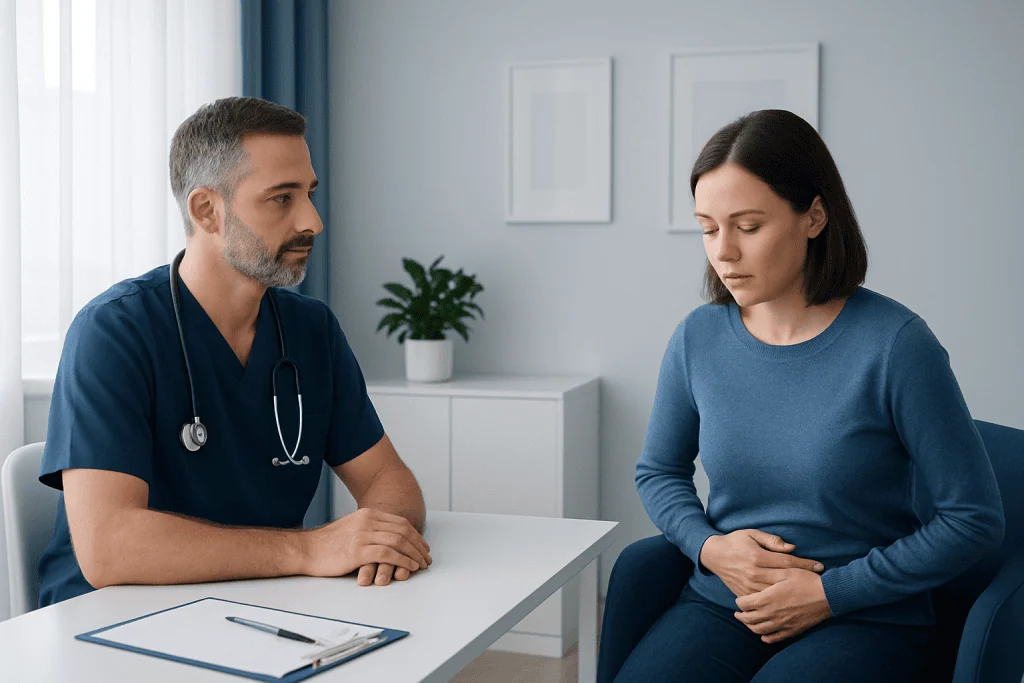
Constipation after diarrhoea may involve fewer bowel movements than usual, hard or lumpy stool, straining, a feeling of incomplete emptying, bloating, or mild abdominal discomfort. Some people also notice that they pass gas but do not have a full bowel movement for a day or two. This can be uncomfortable, but it is often part of short-term recovery.
A common pattern is this: diarrhoea improves, appetite slowly returns, and then bowel movements become infrequent for a few days before normalizing. Mild cramping can occur because the colon is adjusting. If the person is otherwise improving, drinking fluids, and beginning to eat again, this pattern is often not dangerous.
What is less typical is severe or worsening pain, a swollen abdomen, repeated vomiting, blood in stool, black stool, or constipation that continues beyond a short recovery period. Recurring swings between diarrhoea and constipation may suggest an ongoing digestive disorder rather than simple recovery. In some cases, doctors consider conditions such as Crohn’s disease or other inflammatory bowel problems if there are additional warning signs.
Myths and misunderstandings to avoid
One common myth is that constipation after diarrhoea means waste is “stuck” in the intestines and needs aggressive cleansing. In most cases, this is not true. The bowel usually needs time, fluids, and a gradual return to normal food, not harsh laxatives or repeated cleansing products.
Another misunderstanding is that all fiber should be added quickly. Fiber can be helpful, but a sudden increase when the gut is still sensitive may worsen bloating and discomfort. A steadier approach is often better, starting with balanced meals and introducing fiber as tolerated.
Some people assume that if diarrhoea came from an infection, any later constipation must mean the infection is gone. That is not always the case. Symptoms can overlap during recovery, and medicines taken for symptom control may also change bowel habits. If there are ongoing signs of infection, dehydration, or inflammation, a medical assessment is more useful than relying on myths or online assumptions.
How doctors evaluate the cause
Diagnosis usually begins with a symptom history. Doctors ask when the diarrhoea started, how long it lasted, whether there was fever, vomiting, travel, new foods, antibiotic use, or medication changes, and when constipation began. They also ask about baseline bowel habits because a change from a person’s usual pattern is often more important than the number of bowel movements alone.
A physical examination may focus on hydration status, abdominal tenderness, bloating, and bowel sounds. Many people with a brief, uncomplicated recovery do not need extensive testing. If symptoms are persistent, severe, recurrent, or associated with warning signs, a doctor may recommend blood tests, stool tests, imaging, or specialist review.
When there is concern about structural bowel disease, ongoing inflammation, or unexplained symptoms, further evaluation may include colonoscopy to look directly at the colon. If bowel pattern changes are part of a broader digestive problem, patients may also be assessed by specialists in gastroenterology. The goal is not just to label constipation, but to understand whether it reflects recovery, medication effects, infection, or an underlying condition.
Treatment and self-care that are usually helpful
Treatment depends on the cause, but many cases improve with conservative care. Rehydration is the first step. Water, soups, and oral rehydration solutions can help replace lost fluid. Once nausea settles, regular meals can gradually restart the normal reflexes that move stool through the bowel.
Food should be reintroduced gently. Tolerated options may include simple meals with some soluble fiber, such as oats, bananas, applesauce, rice, potatoes, or toast, followed by a gradual return to vegetables, legumes, and whole grains. If the person used anti-diarrheal medication, they should check with a clinician or follow product instructions before taking more. Repeated self-treatment without knowing the cause may prolong symptoms.
Light physical activity can help bowel motility. In some cases, a doctor may suggest a short-term stool softener or other constipation treatment, especially if stool is hard and painful to pass. However, self-starting strong laxatives immediately after diarrhoea is not ideal unless advised by a clinician. If the situation appears related to infection, inflammation, or prolonged bowel dysfunction, care may include treatment for inflammatory bowel disease or other targeted management depending on the diagnosis.
- Drink enough fluid to replace losses
- Resume eating gradually rather than skipping meals
- Introduce fiber carefully, not all at once
- Stay active with gentle walking if possible
- Review recent medicines, especially anti-diarrheals and antibiotics
- Seek medical advice before using repeated laxatives
When to seek medical care
Medical care is advisable if constipation after diarrhoea lasts more than a few days without improvement, keeps returning, or causes significant discomfort. A doctor should also be contacted sooner if there is little urine output, dizziness, or difficulty drinking enough fluids, as these can suggest dehydration.
Urgent assessment is important for red-flag symptoms. These include severe or worsening abdominal pain, a swollen or rigid abdomen, repeated vomiting, high fever, blood in the stool, black stool, new weight loss, or symptoms in someone who is older, pregnant, immunocompromised, or has a known bowel disease. These features do not automatically mean a serious condition, but they do need prompt medical attention.
If symptoms continue or alternate frequently between diarrhoea and constipation, evaluation may be needed to look for post-infectious bowel changes, food intolerance, medication effects, or a chronic digestive disorder. Near the end of the care pathway, patients may be reassured to know that Acibadem International’s multidisciplinary specialists and JCI-accredited hospitals diagnose and treat digestive conditions for international patients when expert evaluation is needed.
Frequently asked questions
Is constipation after diarrhoea normal?
Yes, it can be normal for a short time. The bowel may slow down after fluid loss, reduced eating, infection, stress, or anti-diarrheal medication. It often improves as hydration and regular meals return.
How long can constipation last after diarrhoea?
Many people improve within a few days. If constipation lasts longer, keeps recurring, or is getting worse, a doctor should assess whether there is dehydration, medication effect, or an underlying bowel problem.
Should fiber be increased right away?
Not always. A sudden large increase in fiber can worsen bloating and discomfort when the gut is still sensitive. It is usually better to reintroduce normal meals gradually and increase fiber step by step as tolerated.
Can anti-diarrheal medicines cause constipation afterward?
Yes, they can. These medicines slow bowel movement, which may remain reduced even after loose stools stop. If symptoms are troublesome or prolonged, a clinician can advise whether the medicine may be contributing.
When is constipation after diarrhoea a warning sign?
It needs prompt medical attention if it comes with severe abdominal pain, vomiting, a swollen abdomen, blood in stool, black stool, fever, or signs of dehydration. Ongoing or repeated changes in bowel habit also deserve medical review.
Could alternating diarrhoea and constipation mean IBS?
Yes, in some people it can. Irritable bowel syndrome may cause swings between loose stools and constipation, especially after an infection or during stress. A diagnosis should come from a qualified clinician because other conditions can cause similar symptoms.
References
- National Institute of Diabetes and Digestive and Kidney Diseases
- American College of Gastroenterology
- National Health Service
- World Gastroenterology Organisation
This article is for general information only and is not a substitute for professional medical advice. Please consult a qualified doctor about your individual situation.
Persistent digestive symptoms? Get evaluated in Turkey
JCI-accredited · board-certified surgeons · reply within 24h
Add us as a Preferred Source to see more of our trusted health content across Google Search, AI Overviews and Discover.

More from the Health Library


Related Specialists
Dr. Fatih Coşkun
Emergency Service
Prof. Dr. Çiğdem Ünal Gülmeden
Aesthetic Plastic & Reconstructive Surgery
Dr. Kurtuluş Delibaş
Otorhinolaryngology
Mert Vural
Physical Medicine & Rehabilitation