Developmental Regression in Children: When to See a Neuropediatric Neurologist

Developmental regression is different from a temporary delay because it involves loss of previously acquired skills. Regression may affect speech, movement, behavior, learning, feeding, sleep, social interaction, or daily self-care.
Key Takeaways
- Developmental regression is different from a temporary delay because it involves loss of previously acquired skills.
- Regression may affect speech, movement, behavior, learning, feeding, sleep, social interaction, or daily self-care.
- A neuropediatric neurologist can assess the child’s nervous system, development, seizures, movement, and possible genetic or metabolic causes.
- Early diagnosis and therapy can help preserve skills, support recovery where possible, and improve day-to-day function.
- Urgent medical care is needed if regression occurs with seizures, weakness, loss of consciousness, severe headache, breathing problems, or rapid worsening.
Developmental regression in children means a child loses skills they had already learned, such as words, walking, play, social interaction, or self-care abilities. Because regression can have many causes, timely evaluation by a neuropediatric neurologist helps families understand what is happening and plan the right support.
Overview
Developmental regression in children describes the loss of abilities a child had already gained. A toddler who had several words may stop using them, a child who walked independently may begin falling often, or a child who was socially engaged may withdraw from eye contact and play. Regression can be mild and gradual or more noticeable over days to weeks, and it can involve one area of development or several at the same time.
It is important to distinguish regression from a developmental delay. A delay means a child is slower to reach expected milestones, while regression means a skill was present and then decreased or disappeared. Some children may seem to fluctuate when tired, stressed, or unwell, but repeated or persistent loss of skills deserves medical attention.
A neuropediatric neurologist, also called a pediatric neurologist, specializes in the brain, nerves, muscles, and development of infants, children, and adolescents. This specialist can help determine whether regression is related to epilepsy, a neurodevelopmental condition, a genetic or metabolic disorder, inflammation, injury, neuromuscular disease, or another medical cause. The aim is not only to find a diagnosis, but also to protect the child’s development and quality of life.
Signs and Symptoms to Watch For
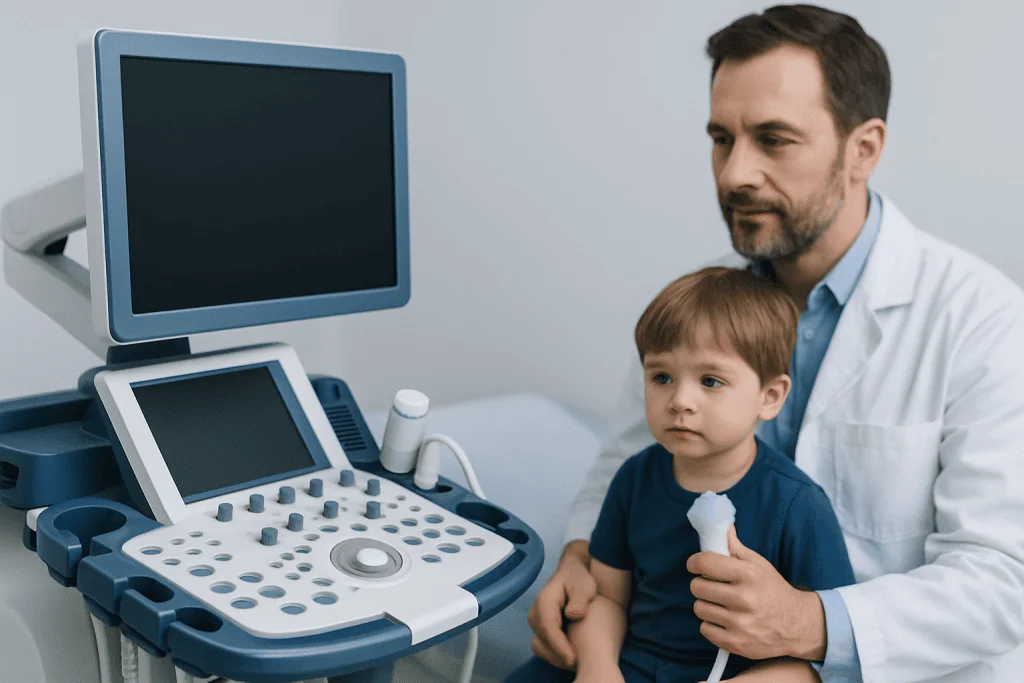
Developmental regression may appear in different ways depending on the child’s age and stage of development. In babies, parents may notice reduced eye contact, less interest in feeding, fewer smiles, loss of head control, or reduced ability to roll, sit, or reach. In toddlers and preschool children, regression often becomes noticeable through changes in speech, play, walking, hand use, behavior, sleep, or social communication.
Families are often the first to sense that something has changed. A child may stop saying words they used regularly, no longer respond to their name, lose interest in favorite games, become unusually clumsy, or need help with tasks they had mastered. School-aged children may lose academic skills, handwriting ability, coordination, attention, or independence in dressing, toileting, or eating.
Common examples of developmental regression include:
- Loss of words, babbling, gestures, or ability to follow simple instructions
- Reduced eye contact, social engagement, pretend play, or response to familiar people
- Loss of motor skills such as sitting, crawling, walking, running, or using hands effectively
- New swallowing, feeding, balance, coordination, or muscle tone problems
- Changes in behavior such as unusual irritability, repetitive movements, sleep disruption, or loss of interest
- Loss of toileting skills after a period of reliable bladder or bowel control
Not every change means a serious disease is present. Children may temporarily do less during fever, after a stressful event, or during a disrupted routine. However, true loss of skills, especially when it persists, progresses, or affects more than one developmental area, should be discussed with a qualified doctor.
Causes and Risk Factors

Developmental regression has a broad range of possible causes. Some are neurological, such as epilepsy or brain inflammation. Others are genetic, metabolic, muscular, endocrine, infectious, psychological, or related to sensory problems such as hearing loss. In some children, regression is part of a neurodevelopmental condition, including autism spectrum disorder, where social communication and play skills may change in early childhood.
Epilepsy is an important consideration because seizures are not always obvious. Some children have brief staring spells, sudden drops, jerks during sleep, or periods of confusion that can interfere with learning and development. Certain epilepsy syndromes in childhood may be associated with language or cognitive regression, and an electroencephalogram, or EEG, may help identify abnormal brain electrical activity.
Genetic and metabolic conditions can also affect development. In these disorders, the body may have difficulty producing, processing, or storing certain substances needed for brain and muscle function. Regression may be triggered or worsened by fever, fasting, infection, or normal growth demands. Neuromuscular conditions may cause loss of strength, walking difficulties, fatigue, or changes in reflexes.
Risk factors that may increase the need for specialist evaluation include a family history of seizures, developmental disorders, muscle disease, genetic conditions, or unexplained infant or childhood illness. Other relevant factors include premature birth, previous brain injury, severe infections, exposure to toxins, complicated newborn history, or known congenital conditions. Still, developmental regression can occur even when there is no obvious risk factor, which is why careful assessment is valuable.
How a Neuropediatric Neurologist Evaluates Regression
The evaluation begins with a detailed history. The doctor asks when the child first developed each skill, when the change was noticed, whether the regression was sudden or gradual, and whether illness, vaccination, stress, injury, medication, fever, or seizures occurred around the same time. Parents may be asked to share videos, school observations, therapy reports, growth records, or previous test results.
A neurological and developmental examination helps assess muscle tone, strength, reflexes, coordination, eye movements, head growth, speech, behavior, social interaction, gait, and fine motor skills. The doctor may also check for skin findings, facial or body features, organ enlargement, or movement patterns that can guide diagnosis. Hearing, vision, sleep, feeding, and behavior are also important because difficulties in these areas can look like developmental regression or make it worse.
Tests are chosen according to the child’s symptoms, age, examination, and family history. Possible investigations may include an EEG for suspected seizures, brain magnetic resonance imaging for structural or inflammatory concerns, blood or urine tests for metabolic and endocrine conditions, genetic testing, hearing assessment, vision evaluation, or developmental and psychological assessments. Not every child needs every test, and a step-by-step plan is usually safer and more useful than broad testing without a clear question.
The diagnostic process may involve several specialists. A neuropediatric neurologist may coordinate with developmental pediatricians, child psychiatrists or psychologists, geneticists, metabolic specialists, physiotherapists, speech and language therapists, occupational therapists, audiologists, and nutrition specialists. This team approach helps connect the medical diagnosis with practical support for daily life.
Treatment and Support Options
Treatment depends on the underlying cause, the child’s current abilities, and the family’s goals. When regression is linked to epilepsy, seizure treatment and monitoring may help reduce further disruption to development. If a metabolic, endocrine, inflammatory, infectious, or nutritional condition is found, targeted medical treatment may be needed. When a genetic or neurodevelopmental condition is diagnosed, treatment usually focuses on supportive therapies, symptom management, and maximizing function.
Early intervention is one of the most important parts of care. Speech and language therapy can support communication, swallowing, and social interaction. Physiotherapy may help strength, balance, posture, and mobility. Occupational therapy can improve hand skills, sensory regulation, dressing, feeding, writing, and independence. Behavioral and developmental therapies may help children with communication differences, emotional regulation, attention, and daily routines.
Care plans are most effective when they are individualized and regularly reviewed. A child who has lost words may need communication support such as gestures, picture systems, or assistive communication while speech is being addressed. A child who has motor regression may need safety adaptations, orthotics, or mobility support. School-age children may benefit from educational accommodations, therapy integration, and a shared plan between clinicians, teachers, and parents.
Families also need clear explanations and emotional support. Regression can be confusing and distressing, but many children benefit from structured care, therapy, and treatment of contributing medical problems. The goal is to understand the reason for the change, prevent avoidable complications, and help the child participate as fully as possible in family, school, and community life.
Prevention, Home Observation and Self-Care
Many causes of developmental regression cannot be prevented, especially genetic or neurodevelopmental conditions. However, families can support brain and body health through regular well-child visits, recommended vaccinations, safe sleep and injury prevention, hearing and vision checks, balanced nutrition, and prompt care for infections or seizures. Managing chronic conditions carefully can also reduce stress on a child’s development.
Parents can help the medical team by keeping a simple record of changes. It may be useful to write down which skills were lost, when they were last seen, how often the change happens, and whether it is linked to sleep, fever, stress, foods, medications, or possible seizures. Short videos of concerning movements, episodes of staring, walking changes, or communication differences can be very helpful during a consultation.
At home, routines can make daily life easier while the child is being evaluated. Predictable sleep, meals, play, therapy practice, and quiet time may reduce frustration. Families can encourage communication without pressure by responding to gestures, sounds, pictures, and attempts to interact. Safety should be adjusted to the child’s current abilities, especially if balance, swallowing, awareness, or behavior has changed.
Self-care for caregivers matters as well. Parents may feel worried, guilty, or overwhelmed, but regression is not caused by poor parenting. Seeking support from healthcare professionals, therapists, school teams, and trusted family members can make the evaluation and treatment process more manageable.
When to See a Doctor or Neuropediatric Neurologist
A child should be assessed by a healthcare professional if they lose a previously learned skill, even if the change seems small. A neuropediatric neurologist is especially appropriate when regression involves speech, movement, seizures, coordination, muscle tone, behavior, learning, or more than one area of development. Early specialist evaluation can clarify whether urgent treatment is needed and help start therapies without unnecessary delay.
Seek prompt medical attention if regression is rapid, progressive, or occurs after a head injury, severe infection, or prolonged fever. Urgent care is needed for seizures, loss of consciousness, new weakness on one side of the body, severe headache, repeated vomiting, breathing difficulty, trouble swallowing, sudden vision changes, or unusual drowsiness. These signs do not always mean a serious outcome, but they should be evaluated quickly.
Families should also arrange evaluation if a child stops responding to their name, loses words or gestures, stops walking or becomes markedly clumsy, loses bladder or bowel control after being trained, or shows significant changes in personality, sleep, feeding, or social interaction. Bringing milestone records, videos, and previous medical reports can help the doctor understand the pattern and choose appropriate tests.
For international families seeking assessment, Acibadem International’s multidisciplinary specialists and JCI-accredited hospitals can diagnose and treat childhood neurological and developmental conditions. Regardless of where care is received, parents should work with qualified clinicians who can provide careful follow-up, clear communication, and coordinated therapy planning.
Frequently asked questions
What is developmental regression in children?
Developmental regression means a child loses skills they had already learned, such as words, motor abilities, play skills, social communication, or self-care. It is different from simply being late to reach a milestone. Persistent loss of skills should be assessed by a qualified healthcare professional.
Is speech regression in a toddler always autism?
No. Autism spectrum disorder can be associated with loss of words or social communication changes, but speech regression can also be related to hearing loss, epilepsy, developmental language disorders, illness, stress, or other neurological conditions. A careful assessment helps identify the most likely cause and the right support.
When should a child see a neuropediatric neurologist?
A child should see a neuropediatric neurologist when regression involves movement, seizures, coordination, muscle tone, learning, behavior, or multiple developmental areas. Referral is also appropriate when the regression is unexplained, progressive, or accompanied by abnormal movements, staring spells, weakness, or changes in awareness.
What tests may be needed for a child who is losing skills?
Testing depends on the child’s symptoms and examination. A doctor may recommend an EEG, brain MRI, blood or urine tests, genetic testing, metabolic screening, hearing and vision checks, or developmental assessments. Not every child needs all tests, and the plan is usually tailored step by step.
Can developmental regression improve?
Some children regain skills, especially when a treatable cause is found or when therapy begins early. Others may need long-term support to maintain abilities and learn alternative ways to communicate, move, or participate. The outlook depends on the underlying cause, timing of treatment, and the child’s overall health.
What should parents do while waiting for an appointment?
Parents can keep notes about lost skills, timing, triggers, sleep, fever, medications, and any unusual episodes. Videos of concerning behaviors or movements can be useful for the doctor. Families should continue safe routines, support communication, and seek urgent care if seizures, weakness, breathing problems, severe drowsiness, or rapid worsening occur.
References
- American Academy of Pediatrics
- National Institute of Neurological Disorders and Stroke
- World Health Organization
- International League Against Epilepsy
- Centers for Disease Control and Prevention
This article is for general information only and is not a substitute for professional medical advice. Please consult a qualified doctor about your individual situation.
Explore treatments in Turkey — costs, top hospitals & a free quote
JCI-accredited · board-certified surgeons · reply within 24h