Dr Brianne O’connor — Explained by Medical Evidence, Not Myths

A name search alone cannot confirm a clinician’s identity, qualifications, or current practice status. Medical credentials should be checked through official licensing boards, professional registers, and the clinician’s healthcare organization.
Key Takeaways
- A name search alone cannot confirm a clinician’s identity, qualifications, or current practice status.
- Medical credentials should be checked through official licensing boards, professional registers, and the clinician’s healthcare organization.
- Evidence-based care relies on an individual assessment, not generalized advice found online.
- Patients should be cautious about health claims that promise certainty, rapid cures, or treatment without a proper evaluation.
- Urgent symptoms require prompt local medical assessment, regardless of information found online.
Dr Brianne O'Connor may be searched by people looking for information about a clinician, medical advice, or professional credentials. Medical decisions should not be based on unverified online profiles, social media posts, or name-based search results; patients should confirm a clinician’s identity, licensing, specialty, and recommendations through reliable sources.
What does “Dr Brianne O'Connor” refer to?
Searches for “Dr Brianne O’Connor” may relate to a clinician, a public-facing medical professional, a researcher, or a person mentioned in online health content. A name by itself is not enough to establish a person’s specialty, location, qualifications, licensing status, or professional role. There can also be more than one healthcare professional with a similar name.
For patient safety, health information should be separated from personal or promotional claims. A trustworthy source clearly identifies the professional, their regulated profession, the institution where they work, and the scope of the information being provided. It should also distinguish general education from individual medical advice.
This article does not assess or make claims about any particular individual named Dr Brianne O’Connor. Instead, it explains how patients can evaluate online health information and choose appropriate medical care using evidence-based principles.
Why online medical information needs careful checking
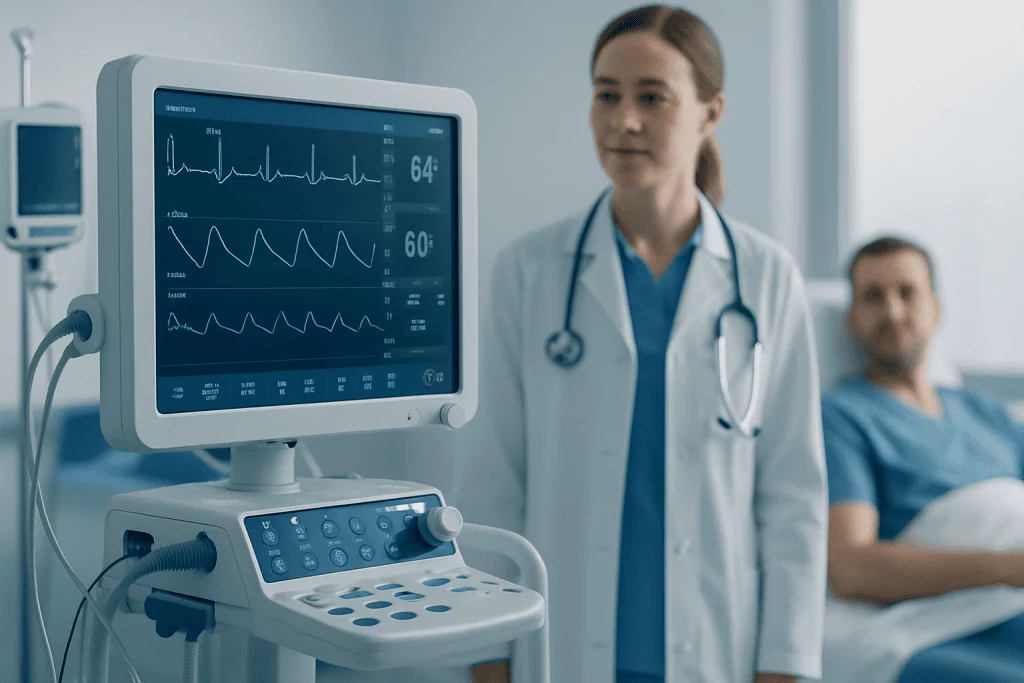
Online searches can be useful for learning basic health information, but they cannot replace a clinical consultation. Symptoms that look similar may have very different causes, and a safe recommendation depends on factors such as age, medical history, medications, pregnancy status, examination findings, and test results.
Content may be incomplete, outdated, taken out of context, or designed to attract attention rather than support informed decisions. Personal stories can be meaningful, but they do not show that a treatment is appropriate, safe, or effective for everyone. Similarly, a professional title or polished online profile does not independently verify clinical credentials.
Patients can use online information to prepare questions for a clinician. The most helpful sources explain uncertainty, describe benefits and risks fairly, and encourage evaluation by a qualified healthcare professional when symptoms are persistent, severe, or changing.
How to verify a doctor’s credentials

Patients can begin by checking whether the clinician is listed by the official medical licensing authority in the country or region where they practise. Depending on the healthcare system, the register may show a medical license, specialty recognition, restrictions, and current registration status. Hospital or clinic websites can also help confirm a professional’s role and department.
Relevant qualifications depend on the healthcare concern. For example, a person with ongoing chest discomfort may need assessment in cardiology, while concerning changes in a mole may require dermatology evaluation. Appropriate specialist care is based on the medical problem, not simply the popularity of an online source.
- Confirm the exact spelling of the clinician’s name and practice location.
- Check the official medical register or licensing board where they practise.
- Review the healthcare organization’s professional profile and specialty information.
- Ask the clinic directly about appointments, credentials, and referral requirements.
- Discuss any proposed test or treatment, including expected benefits, risks, alternatives, and follow-up.
If information cannot be verified, it is reasonable to seek another source or request a second opinion. Clear communication and transparent credentials are important features of patient-centered care.
What evidence-based medical care looks like
Evidence-based medicine combines the best available research with clinical expertise and the patient’s own values, goals, and circumstances. It does not mean that every person receives the same treatment. Instead, clinicians use a structured assessment to understand the problem, consider possible causes, and discuss suitable next steps.
Good medical decision-making often begins with a history and physical examination. When appropriate, it may include laboratory tests, imaging, monitoring, or referral to a relevant specialist. Investigations should have a clear purpose: to help confirm or exclude a diagnosis, guide treatment, or monitor a known condition.
Patients should expect explanations in understandable language. A clinician may recommend watchful waiting, lifestyle measures, medication, a procedure, rehabilitation, or specialist follow-up depending on the diagnosis. For conditions requiring coordinated assessment, a comprehensive health check-up may help identify health concerns and guide appropriate referrals.
Recognizing unreliable health claims
Health misinformation can appear in videos, advertisements, social media posts, testimonials, and websites that resemble professional sources. It may use scientific-sounding language without providing reliable evidence. Misinformation can lead people to delay diagnosis, stop prescribed treatment, spend money on ineffective products, or adopt approaches that may be unsafe.
Warning signs include promises of a guaranteed cure, claims that one method works for every condition, pressure to act immediately, or advice to avoid medical assessment altogether. Caution is also appropriate when a source presents only benefits, dismisses all conventional care, or relies solely on anecdotes rather than balanced scientific evidence.
A credible health source usually identifies its authors or reviewers, explains the limits of the information, cites established medical guidance, and updates content when evidence changes. When in doubt, patients can bring online claims to a doctor, pharmacist, or other qualified clinician for discussion.
Making the most of a medical appointment
Preparing for an appointment can help patients receive clearer, more personalized guidance. It is useful to write down symptoms, including when they began, what makes them better or worse, and whether they affect sleep, work, eating, movement, or daily activities. A list of medications, supplements, allergies, past diagnoses, and family history may also be relevant.
Patients can ask what the likely diagnosis is, whether tests are needed, what treatment options are available, and when improvement should be expected. They can also ask about possible side effects, warning signs, and what to do if symptoms do not improve. Shared decision-making allows the patient’s priorities to be considered alongside medical evidence.
For ongoing or complex concerns, a second opinion may be helpful, particularly before major surgery or long-term treatment. It is not a sign of distrust; it can provide additional perspective and help a patient feel confident about the care plan.
When to seek medical care
Medical care should be sought promptly for new, severe, worsening, or unexplained symptoms. Emergency services or urgent local assessment may be needed for symptoms such as chest pain or pressure, trouble breathing, sudden weakness or numbness on one side, new confusion, fainting, seizures, severe allergic reactions, uncontrolled bleeding, or thoughts of self-harm.
Non-emergency appointments are appropriate for symptoms that persist, recur, interfere with daily life, or cause concern. Examples include ongoing pain, unexplained weight change, lasting fever, a new lump, changes in bowel or bladder habits, prolonged fatigue, or changes in mood and sleep. Early assessment can clarify the cause and identify suitable care.
For people travelling internationally or seeking coordinated specialist input, Acibadem International’s multidisciplinary specialists and JCI-accredited hospitals diagnose and treat a wide range of conditions for international patients. Any urgent symptom should still be assessed through local emergency services rather than waiting for travel or an online consultation.
Frequently asked questions
Is Dr Brianne O'Connor a verified source of medical advice?
A name alone cannot verify a person’s identity, qualifications, specialty, or current licensing status. Patients should confirm professional details through an official medical register, the clinician’s healthcare organization, and reliable professional sources.
How can patients check whether a doctor is licensed?
The safest approach is to use the official licensing authority or medical board for the country or region where the doctor practises. A clinic or hospital can also confirm a clinician’s role, specialty, and appointment availability.
Can online health advice replace a doctor’s appointment?
No. Online information can help a person understand general concepts and prepare questions, but it cannot assess individual symptoms, examine the patient, or interpret tests in context. A qualified clinician should provide diagnosis and personalized treatment advice.
What are common signs of medical misinformation?
Be cautious about promises of guaranteed cures, claims that a single treatment works for everyone, or advice to stop prescribed care without medical supervision. Trustworthy information presents limitations, discusses risks as well as benefits, and encourages professional assessment when needed.
When should someone get a second medical opinion?
A second opinion can be useful before major surgery, when the diagnosis is uncertain, when treatment options have significant risks, or when symptoms continue despite care. It can help patients understand choices and feel more confident in a treatment plan.
What symptoms need urgent medical attention?
Urgent assessment is needed for chest pain, breathing difficulty, sudden weakness, speech problems, fainting, seizures, severe bleeding, or severe allergic symptoms. People with these symptoms should contact local emergency services or seek emergency care immediately.
References
- World Health Organization
- Centers for Disease Control and Prevention
- National Institutes of Health
- U.S. Food and Drug Administration
- General Medical Council
This article is for general information only and is not a substitute for professional medical advice. Please consult a qualified doctor about your individual situation.
Explore treatments in Turkey — costs, top hospitals & a free quote
JCI-accredited · board-certified surgeons · reply within 24h

More from the Health Library


Related Specialists

Dr. Serkan Selvi
Internal Medicine
Dr. Vildan Şengöz
Dermatology
Embriyolog Burcu Aksu Türan
Vitro Fertilization and Reproductive Medicine Center
Assoc. Prof. Dr. Selin Özaltın
Gynecology & Obstetrics