

Duodenitis: Early Signs, Risk Factors, and How It Is Treated

Duodenitis means inflammation in the first part of the small intestine. Common symptoms include upper abdominal discomfort, nausea, bloating, and indigestion-like symptoms.
Key Takeaways
- Duodenitis means inflammation in the first part of the small intestine.
- Common symptoms include upper abdominal discomfort, nausea, bloating, and indigestion-like symptoms.
- Frequent causes include Helicobacter pylori infection, anti-inflammatory pain medicines, excess stomach acid, alcohol, and smoking.
- Diagnosis may involve medical history, testing for H. pylori, blood or stool tests, and upper endoscopy.
- Treatment focuses on the cause and may include acid-reducing medicines, antibiotics for infection, and avoiding irritants.
- Persistent pain, vomiting, black stools, or unexplained weight loss should be assessed by a doctor promptly.
Duodenitis is inflammation of the duodenum, the first part of the small intestine just beyond the stomach. It often improves when the underlying cause is identified and treated, which may include acid control, infection treatment, medication changes, and lifestyle measures.
Overview: what duodenitis is and why it happens
Duodenitis is inflammation of the lining of the duodenum, the first section of the small intestine. This area receives partially digested food from the stomach along with digestive juices from the pancreas and bile ducts, so it is exposed to acid and other substances that can irritate its lining. When the protective lining is disrupted, inflammation can develop and cause digestive symptoms.
In many people, duodenitis is linked to a treatable cause. Common examples include infection with Helicobacter pylori (H. pylori), regular use of nonsteroidal anti-inflammatory drugs (NSAIDs), or excess acid exposure. Less commonly, it may be associated with celiac disease, Crohn’s disease, severe stress on the body, or other inflammatory conditions.
Duodenitis can be short term or long lasting. Some people have mild irritation found only during testing, while others develop more noticeable symptoms such as pain or nausea. Although it may feel similar to gastritis, which affects the stomach lining, duodenitis involves the intestine just beyond the stomach and may require its own evaluation and treatment plan.
Early signs and symptoms of duodenitis

Early symptoms of duodenitis are often vague and can resemble common indigestion. A person may notice burning or aching in the upper abdomen, especially between meals or after eating certain foods. Bloating, fullness, burping, nausea, and reduced appetite are also common.
Some people have symptoms that come and go, which can make the condition easy to overlook. Others may feel discomfort at night or on an empty stomach. If the irritation is more significant, symptoms can include vomiting, more intense abdominal pain, or signs of bleeding such as black, tarry stools.
Not everyone with duodenitis has symptoms. In some cases, inflammation is discovered during testing for another digestive concern. Symptoms can overlap with gastritis, peptic ulcer disease, reflux, or other upper digestive disorders, so a medical evaluation is helpful when symptoms persist.
- Upper abdominal pain or burning
- Indigestion or feeling overly full
- Nausea or occasional vomiting
- Bloating and burping
- Loss of appetite
- Dark stools or vomiting blood in more serious cases
Causes and risk factors
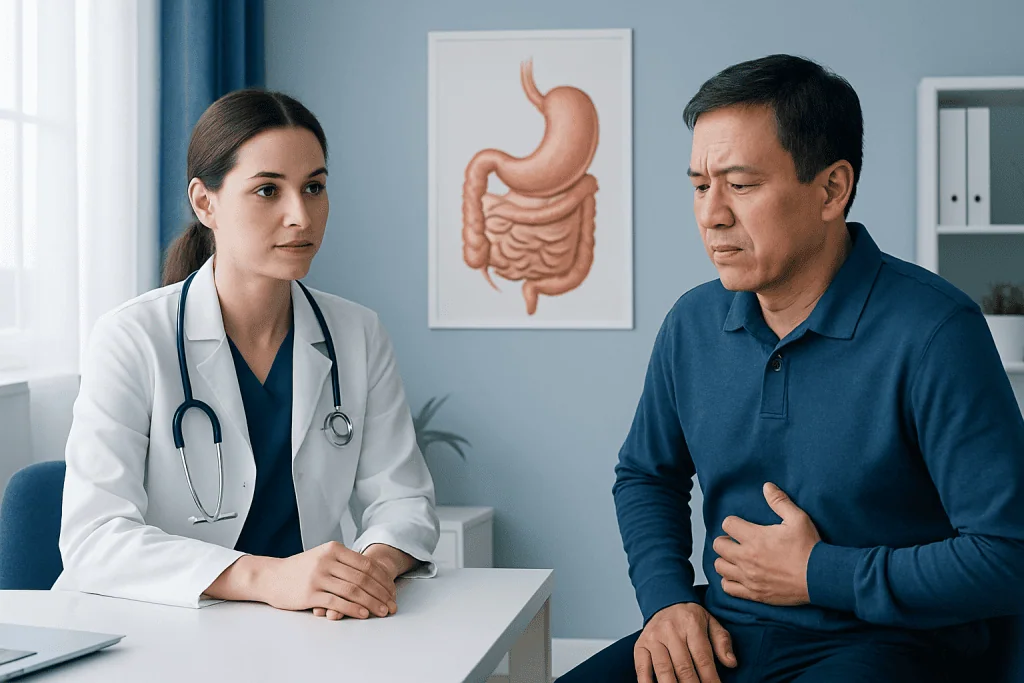
The most common causes of duodenitis are H. pylori infection and irritation from NSAID pain relievers such as ibuprofen, naproxen, and similar medicines. H. pylori can weaken the protective lining of the stomach and duodenum, while NSAIDs can reduce substances that help protect the digestive tract from acid injury. Both can lead to ongoing inflammation and, in some cases, ulcers.
Other causes include excess acid production, heavy alcohol use, smoking, and severe physical stress from serious illness or major surgery. Some people develop duodenitis as part of another condition, such as celiac disease, Crohn’s disease, food-related irritation, or bile reflux. Rarely, radiation therapy or certain infections can also inflame the duodenum.
Risk factors increase the chance that the duodenal lining will become irritated or heal more slowly. These include a history of ulcers, long-term NSAID use, smoking, frequent alcohol use, uncontrolled acid-related disease, and autoimmune or inflammatory digestive disorders. A doctor may also consider whether symptoms could be linked to Crohn’s disease or another bowel condition when symptoms are prolonged or recurring.
How duodenitis is diagnosed
Diagnosis usually starts with a discussion of symptoms, medicines, diet, and medical history. A doctor will ask about pain patterns, nausea, NSAID use, smoking, alcohol, prior ulcers, and any warning signs such as weight loss or bleeding. This conversation helps narrow down the likely cause and determine whether urgent testing is needed.
Testing for H. pylori is often an important step. Depending on the situation, this may be done with a breath test, stool test, or tissue sample collected during endoscopy. Blood tests may be used to check for anemia or inflammation, while stool tests may help evaluate bleeding or infection.
When symptoms are persistent, severe, or associated with alarm features, an upper endoscopy may be recommended. This procedure allows a gastroenterologist to look directly at the esophagus, stomach, and duodenum and to take biopsies if needed. If the doctor needs a closer look at the upper digestive tract, evaluation may include endoscopy to confirm duodenitis, look for ulcers, and rule out other causes of symptoms.
In selected cases, additional tests may be needed to check for celiac disease, inflammatory bowel disease, or complications such as ulceration. The goal is not only to confirm inflammation but also to find the reason it developed, because treatment works best when it targets the underlying cause.
Treatment options and what recovery looks like
Treatment for duodenitis depends on its cause. If H. pylori is present, treatment usually includes antibiotics along with medicines that reduce stomach acid. If NSAIDs are contributing, a doctor may recommend stopping them, reducing use, or switching to a different pain management approach when appropriate. Acid-reducing medicines can help the lining heal and may also relieve pain, nausea, and burning.
When duodenitis is related to another condition, treatment focuses on that condition as well. For example, celiac disease is managed with a strict gluten-free diet, while inflammatory bowel disease requires its own targeted care. If ulcers are present, the treatment plan may overlap with care used for stomach ulcer disease and acid-related injury.
Recovery time varies. Mild irritation may improve within days to weeks once the trigger is removed and treatment begins, while more persistent inflammation can take longer. A doctor may recommend follow-up testing after H. pylori treatment to make sure the infection has cleared. For patients with ongoing symptoms or complications, specialist digestive evaluation, including gastroenterology care, can help guide next steps.
Most people improve with cause-directed treatment and sensible self-care. The key is avoiding repeated irritation while the duodenal lining heals. If symptoms continue despite treatment, the diagnosis may need to be reviewed and other digestive conditions considered.
Self-care, prevention, and daily habits that may help
Self-care does not replace medical treatment, but it can support healing and reduce irritation. A person with duodenitis may benefit from avoiding foods or drinks that worsen symptoms, such as alcohol, very spicy meals, or large high-fat meals. Eating smaller, more frequent meals can sometimes reduce discomfort.
It is also important to avoid unnecessary NSAID use unless a doctor advises otherwise. If these medicines are needed for another condition, a clinician may suggest alternatives or protective strategies. Quitting smoking can make a meaningful difference because smoking may delay healing and worsen acid-related irritation.
Helpful habits may include staying hydrated, managing stress, and following treatment exactly as prescribed. Some people also feel better by limiting late-night meals and reducing caffeine if it aggravates symptoms. If a doctor suspects a broader digestive issue, further assessment in a digestive health check-up may help identify ongoing triggers or related conditions.
- Avoid smoking and limit or avoid alcohol
- Do not use NSAIDs more than advised
- Eat smaller meals if large meals worsen symptoms
- Identify and avoid personal trigger foods
- Take medicines exactly as prescribed
- Attend follow-up if symptoms persist or return
When to seek medical care
Medical advice is important when upper abdominal pain, nausea, bloating, or indigestion keeps returning or lasts more than a short time. Even mild symptoms can be worth discussing if they interfere with eating, sleep, or daily life. A doctor can assess whether duodenitis, an ulcer, reflux, or another digestive condition is responsible.
Prompt medical attention is especially important if there are warning signs. These include vomiting blood, black or tarry stools, fainting, severe or worsening abdominal pain, trouble keeping fluids down, unexplained weight loss, or symptoms of anemia such as unusual fatigue or shortness of breath. These features can suggest bleeding, ulceration, or another condition that needs urgent care.
People with repeated symptoms, a history of ulcers, long-term NSAID use, or suspected H. pylori infection should not rely only on home remedies. Near the end of the diagnostic pathway, coordinated care may be helpful; Acibadem International’s multidisciplinary specialists in JCI-accredited hospitals evaluate and treat digestive conditions for international patients when specialist assessment is needed.
Frequently asked questions
Is duodenitis the same as gastritis?
No. Duodenitis affects the duodenum, which is the first part of the small intestine, while gastritis affects the stomach lining. The two can occur together and may cause similar symptoms, but they involve different areas of the digestive tract.
Can duodenitis go away on its own?
Mild irritation may improve if the trigger is removed, such as stopping an irritating medicine under medical guidance. However, duodenitis often needs evaluation because common causes like H. pylori infection or ulcers require specific treatment.
What foods should be avoided with duodenitis?
There is no single duodenitis diet that works for everyone, but many people feel better by avoiding alcohol, smoking, very spicy foods, and meals that clearly trigger symptoms. Smaller meals and a balanced, gentle diet may help while the lining heals.
Is duodenitis serious?
It is often treatable and not dangerous when addressed early, but it should not be ignored if symptoms are persistent. In some cases, untreated inflammation can be linked to ulcers, bleeding, or ongoing digestive discomfort.
How is H. pylori related to duodenitis?
H. pylori is a common bacterial infection that can damage the protective lining of the stomach and duodenum. This makes inflammation more likely and can also increase the risk of ulcers, so testing and treatment are important when it is suspected.
Can stress cause duodenitis?
Stress alone is not usually the main cause, but severe physical stress from serious illness can contribute to irritation of the upper digestive tract. Emotional stress may also worsen symptoms or make digestive discomfort more noticeable.
References
- National Institute of Diabetes and Digestive and Kidney Diseases
- American College of Gastroenterology
- Merck Manual Consumer Version
- Mayo Clinic
- World Gastroenterology Organisation
This article is for general information only and is not a substitute for professional medical advice. Please consult a qualified doctor about your individual situation.
Persistent digestive symptoms? Get evaluated in Turkey
JCI-accredited · board-certified surgeons · reply within 24h

More from the Health Library



Related Specialists

Dr. Nida Özer
Gynecology & Obstetrics
Dt. Şükrü Efe Aydın
Oral and Dental Health
Dr. Mustafa Serkan Vurucu
Emergency Service
Prof. Dr. Cahide Soydaş Çınar
Cardiology