How to Get Rid of a Boil Overnight? Causes, Explanations, and Next Steps

A boil usually cannot be fully cured overnight, but symptoms may improve within 24 hours. Warm compresses are the safest home measure to help a boil come to a head and drain naturally.
Key Takeaways
- A boil usually cannot be fully cured overnight, but symptoms may improve within 24 hours.
- Warm compresses are the safest home measure to help a boil come to a head and drain naturally.
- Squeezing or popping a boil can worsen infection and increase scarring.
- Medical care is important for facial boils, severe pain, fever, spreading redness, or repeated boils.
- Doctors diagnose most boils with a skin exam and may drain them or prescribe antibiotics when needed.
Most boils are common skin infections that improve with time and simple care, but they usually cannot be completely gone overnight. The safest approach is to reduce pain, encourage natural drainage with warm compresses, and watch for signs that need medical attention.
Overview: Can a Boil Go Away Overnight?
For people searching how to get rid of a boil overnight, the short answer is that a boil usually cannot fully disappear in one night. However, many boils are harmless, limited skin infections that can start feeling better within a day if they are cared for properly. Warm compresses may reduce discomfort, encourage the boil to soften, and help it drain on its own.
A boil is a tender, red lump under the skin caused by infection of a hair follicle or oil gland, most often by bacteria such as Staphylococcus aureus. It may begin like a pimple, then become larger, firmer, and more painful before a center of pus forms. Some boils stay small and settle with home care, while others grow deeper and need medical treatment.
The most important first steps are safe ones: keep the area clean, use a warm compress several times a day, avoid friction, and do not squeeze or puncture the skin. Trying to force quick drainage at home can push infection deeper, spread bacteria to nearby skin, and delay healing.
What a Boil Looks and Feels Like
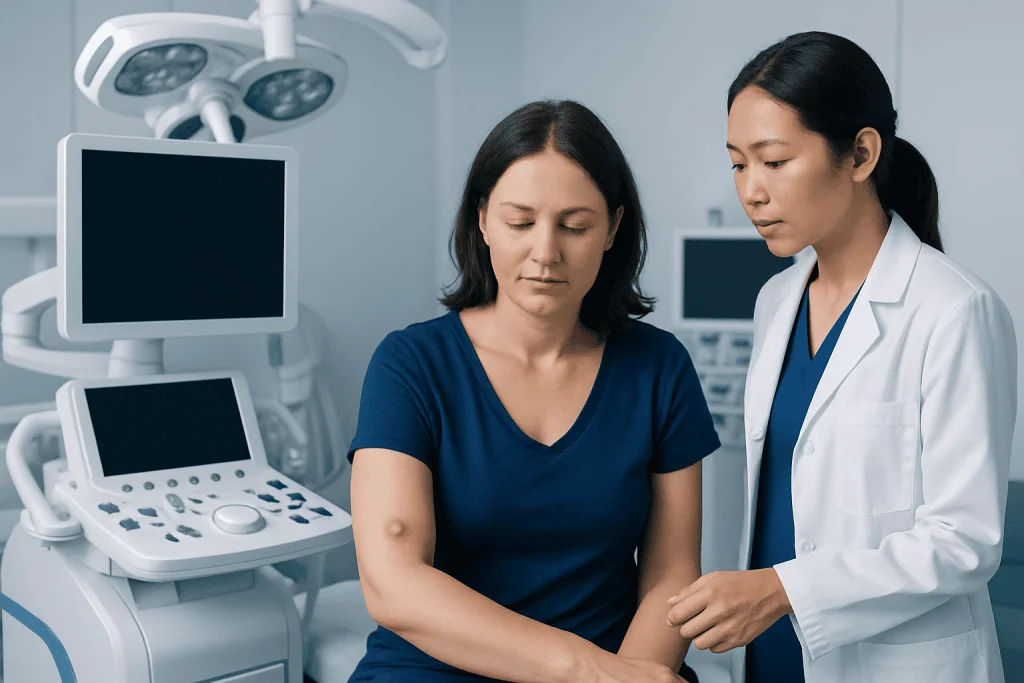
A boil often starts as a small, painful bump that becomes red, warm, and swollen over a few days. As it grows, the center may turn yellow or white as pus collects. The surrounding skin can feel tight, tender, and sore, especially in areas where clothing rubs or skin folds meet.
Boils commonly form on the face, neck, armpits, shoulders, buttocks, thighs, and groin. These are areas where sweating, friction, and hair follicles make infection more likely. Some people notice a single boil, while others develop clusters of connected boils, called carbuncles, which are usually more painful and more likely to need a doctor’s care.
- Red, raised, tender lump
- Warmth and swelling around the area
- A soft or pus-filled center
- Pain that worsens with pressure
- Occasional drainage of thick fluid
Boils can be confused with other skin problems such as acne cysts, inflamed ingrown hairs, insect bites, or a spreading skin infection called cellulitis. If redness spreads quickly, the area becomes very hot, or the pain is severe, medical review is important.
Why Boils Happen: Causes and Risk Factors

Boils develop when bacteria enter the skin through a tiny break, blocked follicle, or irritated area. This can happen after shaving, scratching, friction from tight clothing, or sweating in warm environments. The immune system responds by sending white blood cells to the area, which leads to inflammation and pus formation.
Anyone can get a boil, but some factors raise the chance. These include diabetes, eczema, obesity, a weakened immune system, poor circulation, frequent skin friction, and close contact with someone who has a staph infection. Repeated boils may also be linked to bacterial colonization on the skin or inside the nose.
Good hygiene helps, but boils are not always a sign of poor cleanliness. Many occur even in people who wash regularly. What matters most is reducing friction, keeping skin dry when possible, and treating small cuts or shaving irritation gently so bacteria have less chance to enter.
In some cases, a painful bump may not be a simple boil. For example, recurrent lumps in the armpits or groin may sometimes suggest hidradenitis suppurativa, which needs a different treatment plan.
What to Do at Home and What Not to Do
If the goal is to improve a boil as quickly as possible, the safest home treatment is a warm, clean compress. Applying gentle warmth for about 10 to 15 minutes, several times a day, can increase blood flow, reduce discomfort, and help the boil drain naturally. Afterward, the area should be kept clean and covered with a loose, dry bandage if it is rubbing on clothing.
It is important not to squeeze, lance, pick, or puncture a boil at home. This can make infection worse, increase pain, spread bacteria to deeper tissue, and leave more noticeable scarring. Harsh products such as strong acids, toothpaste, or unproven internet remedies should also be avoided because they can irritate the skin.
Simple self-care may include washing hands before and after touching the area, using clean towels, and avoiding sharing razors, clothing, or bedding until the skin heals. Over-the-counter pain relief may help if appropriate for the person’s general health, but medicine use should follow package directions or a clinician’s advice.
- Use warm compresses regularly
- Keep the area clean and dry
- Wear loose clothing to reduce friction
- Do not pop or squeeze the boil
- Change dressings if drainage starts
When to Seek Medical Care
Many boils can be watched at home for a short time, but some need prompt medical review. This is especially true if the boil is on the face, inside the nose, near the spine, breast, groin, or genitals, because infection in these areas can spread more easily or be more difficult to manage. Larger boils, very painful boils, and boils that keep returning also deserve attention.
A person should seek medical care sooner if there is fever, chills, rapidly spreading redness, red streaks on the skin, swollen lymph nodes, significant swelling, or trouble moving the nearby body part. Medical care is also important for anyone with diabetes, cancer treatment, immune suppression, or poor circulation, since healing may be slower and complications more likely.
If the boil has not improved after several days of warm compresses, becomes softer but will not drain, or seems to be getting larger, a clinician may need to assess it. Persistent or widespread infection can sometimes resemble a more general skin infection and should not be managed only with home remedies.
How Doctors Diagnose a Boil
Diagnosis is often straightforward and begins with a physical examination. A doctor usually looks at the size, location, tenderness, and whether the boil is fluctuant, meaning it contains a pocket of fluid or pus. They may also ask how long it has been present, whether there has been drainage, and whether similar lesions have happened before.
Red flags are checked carefully, especially if there is fever, spreading redness, multiple lesions, or risk factors such as diabetes or a weakened immune system. In repeated or severe cases, the doctor may take a sample of drainage to identify the bacteria and guide antibiotic choice. Blood sugar testing or other investigations may be considered if recurrent boils suggest an underlying condition.
Imaging is not usually needed for a simple boil, but ultrasound can occasionally help if the diagnosis is unclear or if a deeper abscess drainage procedure may be needed. The main goal of diagnosis is to confirm whether the lump is a boil, rule out deeper infection, and decide if drainage, antibiotics, or both are appropriate.
Treatment Options if Home Care Is Not Enough
When a boil is large, very painful, deep, or not draining on its own, a clinician may recommend incision and drainage. This is a minor procedure in which the boil is opened under sterile conditions so the pus can escape safely. For many larger boils, drainage is the most effective treatment and can bring faster relief than antibiotics alone.
Antibiotics are not always necessary for every boil, but they may be advised if there is surrounding cellulitis, fever, multiple boils, recurrent infection, or higher risk of complications. The exact choice depends on the clinical picture and, when available, culture results. Supportive wound care is still important even if antibiotics are prescribed.
For repeated boils, treatment may also focus on prevention. A doctor may discuss skin hygiene, shaving habits, control of diabetes, weight management, or, in selected cases, strategies to reduce staph bacteria carried on the skin or inside the nose. If a boil leaves a persistent cavity, recurrent tract, or more complex soft tissue problem, specialist evaluation may be needed. In broader skin or soft tissue infections, related care can include infectious diseases treatment and coordinated wound management.
Near the end of the care pathway, some patients benefit from multidisciplinary evaluation, especially when boils recur or are difficult to classify. Acibadem International’s multidisciplinary specialists and JCI-accredited hospitals diagnose and treat skin infections and related conditions for international patients.
Prevention and Daily Self-care
Preventing future boils often comes down to reducing skin irritation and lowering the chance of bacteria entering small breaks in the skin. Gentle washing, prompt care of cuts, and avoiding aggressive squeezing of pimples or ingrown hairs can all help. People who shave areas prone to boils may benefit from changing technique, using clean razors, or taking breaks from shaving if irritation is frequent.
It is also helpful to avoid sharing towels, razors, sports equipment, or clothing that touches affected skin. Bedding and towels should be washed regularly, especially if a boil has drained. Wearing breathable fabrics and changing out of sweaty clothing may reduce friction and moisture in common boil-prone areas.
For people with repeated boils, managing underlying conditions matters. Better control of diabetes, treatment of chronic skin disease, and review of any immune-related issues can reduce recurrence. A clinician may also advise whether evaluation by a skin specialist is appropriate, especially if lesions are frequent, clustered, or appear in the same body folds again and again.
Frequently asked questions
Can a boil really go away overnight?
Usually not completely. A boil may feel less painful within a day with warm compresses, but full healing often takes several days to a few weeks depending on size and depth.
What is the fastest safe way to help a boil at home?
A warm, clean compress used several times a day is the safest first step. It can improve comfort and encourage the boil to drain on its own without forcing it open.
Should a person pop or squeeze a boil?
No. Squeezing can push bacteria deeper into the skin, spread infection, and increase scarring. If a boil needs to be opened, it is safer for a clinician to drain it under clean conditions.
When does a boil need antibiotics?
Not every boil needs antibiotics. They are more likely to be used if there is fever, spreading redness, multiple boils, recurrent infection, or a higher-risk medical condition such as diabetes or immune suppression.
How can someone tell if it is a boil or something else?
A boil is usually a painful, red, warm lump that may develop a pus-filled center. However, cysts, acne nodules, ingrown hairs, and cellulitis can look similar, so medical assessment is helpful if the diagnosis is uncertain or symptoms are worsening.
Are recurring boils a sign of another health problem?
Sometimes. Recurrent boils can be associated with diabetes, chronic skin friction, bacterial colonization, or inflammatory skin conditions. A doctor may check for underlying causes if the problem keeps coming back.
References
- American Academy of Dermatology
- American Academy of Family Physicians
- Centers for Disease Control and Prevention
- National Health Service
- Mayo Clinic
This article is for general information only and is not a substitute for professional medical advice. Please consult a qualified doctor about your individual situation.
Hair transplant in Turkey — costs, graft counts & a free assessment
JCI-accredited · board-certified surgeons · reply within 24h

More from the Health Library



Related Specialists

Prof. Dr. Hatem Hakan Selçuk
Interventional Neuroradiology
Dr. Nazli Özcan
Radiology
Prof. Dr. Vahit Emre Özden
Orthopedic Surgery & Traumatology
Dr. Mustafa Emi
Radiology