Is a Biopsy an Operation: Procedure, Recovery and Results
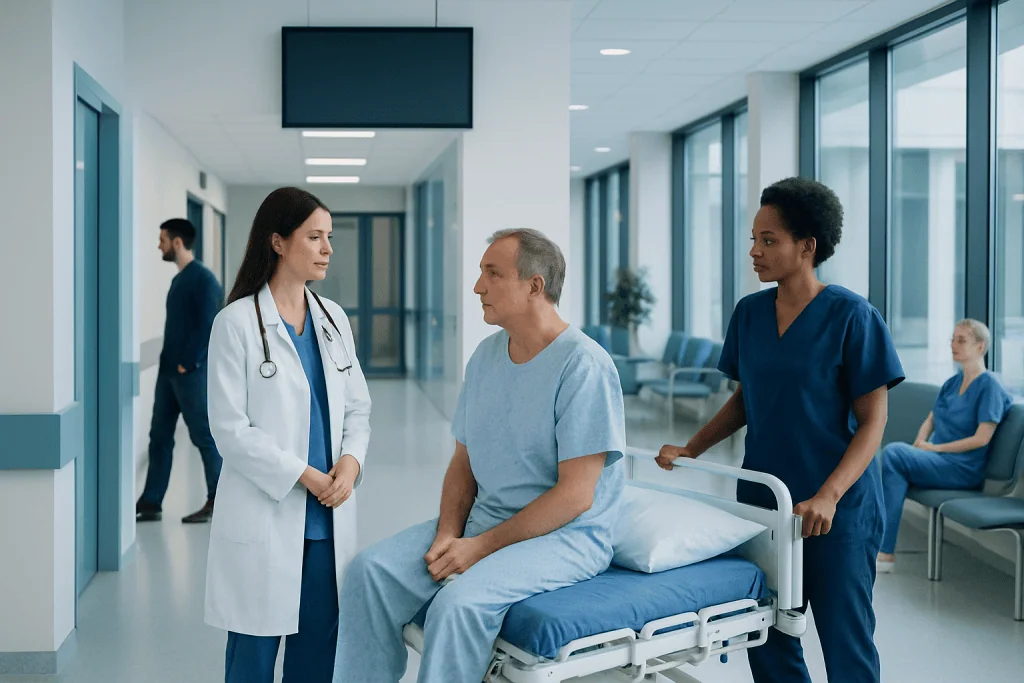
A biopsy helps clinicians identify cancer, infection, inflammation, and other tissue changes. Needle, skin, endoscopic, and surgical biopsies differ in how they are performed and how long recovery takes.
Key Takeaways
- A biopsy helps clinicians identify cancer, infection, inflammation, and other tissue changes.
- Needle, skin, endoscopic, and surgical biopsies differ in how they are performed and how long recovery takes.
- Most biopsies use local anesthesia, sedation, or anesthesia tailored to the biopsy site and procedure.
- Pain is usually manageable and often improves within a few days, although deeper surgical biopsies may require longer recovery.
- Biopsy results commonly take several days to more than a week, depending on the tests needed.
- New or worsening bleeding, fever, severe pain, or signs of infection after a biopsy need medical advice promptly.
A biopsy is a procedure that removes cells or tissue for laboratory examination. It may be considered an operation when it involves an incision or removal of tissue in an operating room, but many biopsies are minimally invasive outpatient procedures performed with a needle or endoscope.
Is a Biopsy an Operation?
Is a biopsy an operation? It can be, but not every biopsy is an operation. A biopsy is the removal of a small sample of cells or tissue so a pathologist can examine it under a microscope and, when needed, perform additional laboratory tests.
Some biopsies are minimally invasive procedures, such as a fine-needle biopsy of a lump or a skin punch biopsy. Others involve an incision, removal of a larger tissue sample, or use of general anesthesia. These are often described as surgical biopsies and may take place in an operating room or procedure suite.
The word “biopsy” describes the purpose of the procedure rather than one single technique. The best approach depends on where the abnormal area is located, how much tissue is needed, whether imaging can guide the procedure, and a person’s overall health.
How a Biopsy Works and Who May Need One
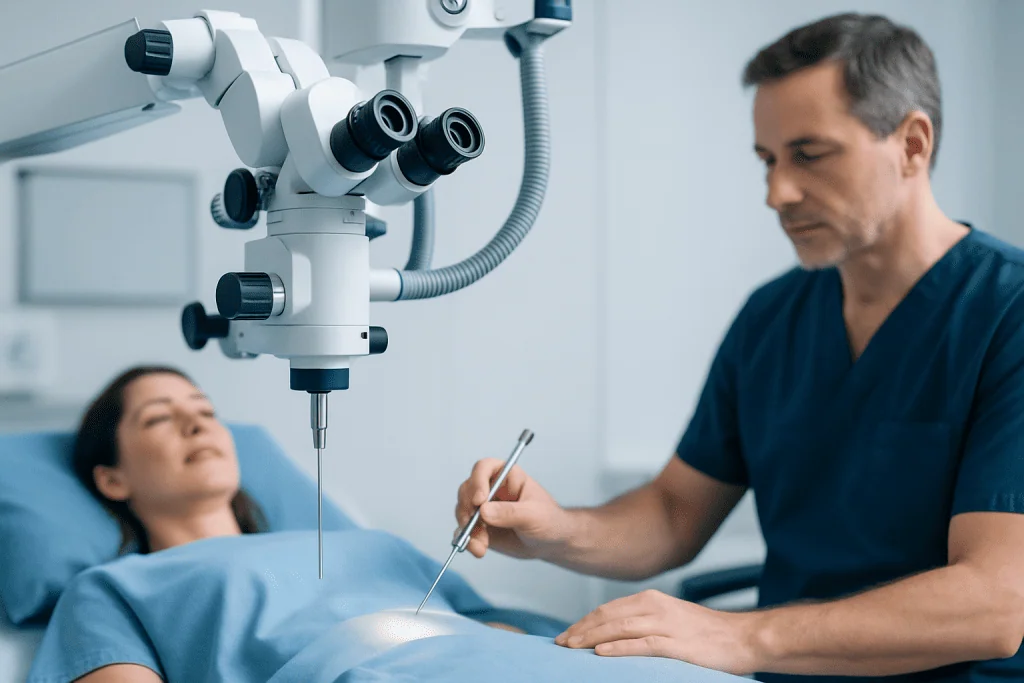
A biopsy is recommended when an examination, scan, blood test, or screening result identifies an area that needs closer evaluation. It can help distinguish benign changes from cancer and can also diagnose infections, inflammatory conditions, autoimmune disease, liver disease, kidney disease, and certain skin disorders.
Clinicians generally aim to use the least invasive method likely to provide an adequate sample. Imaging such as ultrasound, CT, MRI, or mammography may guide a needle to a precise location. In other situations, a camera-equipped instrument passed through a natural body opening, such as an endoscope, can collect tissue from the digestive tract, airways, bladder, or other organs.
A person may be a candidate for a biopsy if an abnormality persists, grows, appears suspicious on imaging, or cannot be diagnosed reliably through noninvasive testing. Before recommending it, the clinical team considers medications, allergies, pregnancy, bleeding risk, previous procedures, and whether sedation or anesthesia may be needed.
A biopsy does not automatically mean cancer is suspected or present. Tissue testing is often the most reliable way to clarify an uncertain finding and guide appropriate next steps.
Types of Biopsy Procedures
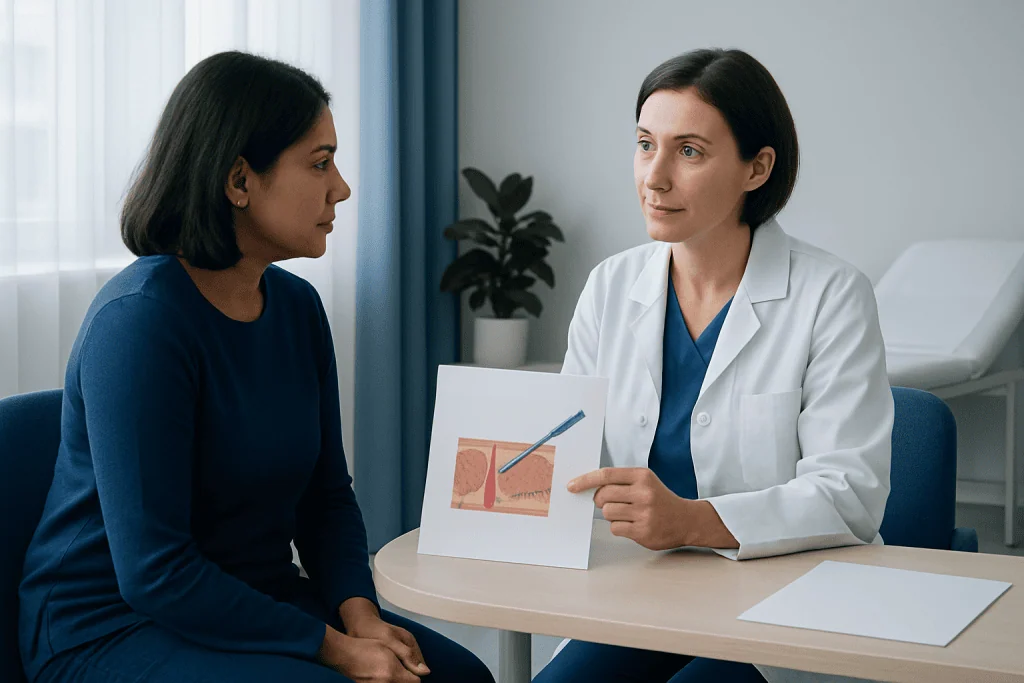
Needle biopsies collect cells or small cores of tissue through a thin needle. Fine-needle aspiration collects cells, while core needle biopsy collects a small cylinder of tissue that preserves more of the tissue structure. These procedures are commonly used for breast, thyroid, lymph node, liver, prostate, and other accessible areas.
Skin biopsies may involve shaving a surface lesion, taking a small circular “punch” of skin, or removing a lesion with an excision. Endoscopic biopsies are performed through a flexible tube with a camera and small instruments. They are often taken during procedures such as colonoscopy, gastroscopy, bronchoscopy, or cystoscopy.
A surgical biopsy may be incisional, meaning only part of an abnormal area is removed, or excisional, meaning the entire visible lesion or lump is removed. It may be used when needle biopsy cannot safely reach the area, when a larger sample is required, or when removing the whole lesion is appropriate.
For suspected breast changes, clinicians may use image-guided sampling or a surgical approach depending on the finding. Further information about breast cancer can help explain why tissue diagnosis is important when a breast abnormality needs assessment.
What Happens During a Biopsy?
Preparation varies by biopsy type. The team explains the reason for the procedure, reviews consent, checks relevant medicines, and provides instructions about eating, drinking, and arranging transport if sedation or general anesthesia is planned. Blood-thinning medicines should never be stopped without guidance from the prescribing clinician and procedural team.
For many needle or skin biopsies, the area is cleaned and numbed with local anesthetic. Imaging may be used to guide the needle, and several samples may be taken through the same small entry point. Pressure, a dressing, and sometimes adhesive strips are applied afterward.
For an endoscopic biopsy, sedation may be offered or recommended depending on the procedure and individual circumstances. The clinician guides the scope to the target area and uses small instruments to take tissue samples. The samples are labeled and sent to a pathology laboratory.
For a surgical biopsy, an incision is made after local anesthesia with sedation, regional anesthesia, or general anesthesia as appropriate. The surgeon removes the planned sample, controls bleeding, and closes the wound with stitches, adhesive strips, or surgical glue. When a surgical approach is advised, biopsy procedures may be planned by the appropriate specialty team.
How Long Does a Biopsy Surgery Typically Take?
How long does a biopsy surgery typically take? The tissue collection itself may take only a few minutes for a simple skin or needle biopsy. Many image-guided biopsies take approximately 30 to 60 minutes from preparation through completion, although timing depends on the location and imaging guidance required.
Surgical biopsies may take longer, particularly when the tissue is deep inside the body, difficult to access, or requires general anesthesia. Time spent at the hospital or clinic also includes registration, preparation, anesthesia assessment, recovery monitoring, and discharge instructions.
People receiving sedation or general anesthesia usually need someone to take them home and should avoid driving, alcohol, and important decisions for the period advised by their care team. The clinician can provide the most accurate estimate based on the planned technique.
Does a Biopsy Count as an Operation?
Does a biopsy count as an operation? A surgical biopsy generally does count as a minor or major operation, depending on the body area, anesthesia, and complexity. It involves a deliberate incision or surgical removal of tissue and may require an operating room, sterile instruments, and postoperative wound care.
By contrast, a needle biopsy, skin shave biopsy, or biopsy taken during an endoscopy is more often called a procedure rather than an operation. These can still be important medical interventions, but they usually involve smaller wounds, less recovery time, and lower procedural intensity than open surgery.
The terminology may matter for practical reasons, including consent, time away from work, fasting instructions, driving restrictions, and insurance or administrative paperwork. Patients can ask their team whether their planned biopsy is needle-based, endoscopic, or surgical and what that means for preparation and recovery.
How Painful Is a Surgical Biopsy?
How painful is a surgical biopsy? During the procedure, anesthetic medicine is used to prevent or greatly reduce pain. With local anesthetic, a brief sting or burning sensation may occur as the numbing medicine is injected, followed by pressure or pulling sensations rather than sharp pain. Sedation or general anesthesia may be used when needed.
After a surgical biopsy, soreness, bruising, mild swelling, or tenderness around the incision is common. The degree and duration depend on the site, amount of tissue removed, and individual healing. The care team may recommend rest, ice where appropriate, wound care, and suitable nonprescription or prescribed pain relief.
Severe pain, pain that is steadily worsening, numbness beyond what was expected, or pain combined with fever, spreading redness, or drainage should be discussed with a clinician. Patients should follow their individual discharge instructions, especially after deeper biopsies or procedures near sensitive structures.
Recovery, Results, Benefits and Risks
Recovery after a simple needle or skin biopsy is often brief. Many people return to light activities the same day or the following day, while avoiding strenuous exercise, heavy lifting, swimming, or disturbing the dressing for the period advised. Surgical biopsies may require several days to weeks of activity modification, depending on the incision and body area.
Pathology results often take several days, but more complex testing can take longer. The report may describe normal tissue, inflammation, infection, benign changes, precancerous changes, or cancer. If cancer is identified, further testing of the tissue can help characterize it and support treatment planning. A result should be discussed with the clinician who ordered the biopsy, as the meaning depends on symptoms, examination findings, scans, and medical history.
The main benefit of biopsy is diagnostic clarity. Risks are usually low but can include bleeding, bruising, infection, pain, scarring, a reaction to anesthesia or sedation, and injury to nearby structures. The specific risk profile changes with the biopsy site and technique; clinicians weigh these risks against the value of obtaining an accurate diagnosis.
Acibadem International’s multidisciplinary specialists and JCI-accredited hospitals diagnose and treat conditions requiring biopsy evaluation for international patients, with care coordinated according to the biopsy site and clinical findings.
Is a Biopsy a Serious Operation? When to Seek Medical Care
Is a biopsy a serious operation? Most biopsies are safe, planned procedures and are not considered major surgery. However, any biopsy deserves careful preparation and follow-up because it may involve anesthesia, bleeding risk, a wound, or sampling from an internal organ. A deeper surgical biopsy may be more complex than a skin or needle biopsy, but the treating team will explain its expected risks and recovery.
Medical advice should be sought promptly after a biopsy for heavy or persistent bleeding, rapidly increasing swelling, severe or worsening pain, fever, chills, spreading redness, pus-like drainage, shortness of breath, chest pain, fainting, or any symptom the discharge instructions identify as urgent. Emergency services may be needed for severe symptoms.
Before the biopsy, a person should tell the team about blood thinners, diabetes medicines, allergies, implanted devices, pregnancy, prior anesthesia reactions, and new illness. Following pre-procedure and aftercare instructions helps reduce avoidable complications and supports clear communication about results.
Frequently asked questions
Why is a biopsy needed?
A biopsy is needed when a clinician requires a tissue sample to make or confirm a diagnosis. It can identify cancer, inflammation, infection, autoimmune changes, and many other conditions. Imaging and blood tests can provide useful clues, but tissue examination may provide the most definitive information.
Can a biopsy spread cancer?
For standard, properly performed biopsies, the risk of spreading cancer through the biopsy tract is considered very low. Biopsy techniques are designed to obtain a diagnosis safely, and the benefits of accurate diagnosis usually outweigh this uncommon risk. A clinician can explain the considerations for a specific suspected cancer type and biopsy site.
How soon will biopsy results be available?
Many routine biopsy results are available within several days to about a week. Additional staining, molecular tests, specialist review, or cultures may extend the waiting time. The ordering clinician should explain when and how the results will be communicated.
Can someone go home after a biopsy?
Many biopsies are outpatient procedures, so the person goes home the same day. If sedation or general anesthesia is used, a responsible adult may need to provide transport and stay available afterward. More complex biopsies or those involving certain organs may require longer observation or, less commonly, an overnight stay.
What should someone avoid after a biopsy?
The care team may advise avoiding strenuous activity, heavy lifting, swimming, or soaking the wound for a short time. People who receive sedation should avoid driving and operating machinery until the advised restrictions have passed. Instructions differ by biopsy site, so individualized discharge guidance should take priority.
Will a biopsy leave a scar?
Needle biopsies usually leave a very small mark, while skin and surgical biopsies may leave a scar. Scar appearance depends on the size and location of the incision, skin type, healing, and wound care. The procedural team can explain what to expect and how to care for the area.
References
- National Cancer Institute
- American Cancer Society
- Mayo Clinic
- MedlinePlus
- Royal College of Pathologists
This article is for general information only and is not a substitute for professional medical advice. Please consult a qualified doctor about your individual situation.
Oncology care in Turkey — second opinion and treatment plan
JCI-accredited · board-certified surgeons · reply within 24h
Add us as a Preferred Source to see more of our trusted health content across Google Search, AI Overviews and Discover.

More from the Health Library



Related Specialists

Prof. Dr. Javad Parvizi
Orthopedic Surgery & Traumatology
Assoc. Prof. Dr. Zuhal Atan Uçar
Internal Medicine
Prof. Dr. Müjgan Alikaşifoğlu
Pediatrics
Dilara Nur Kara
Physical Medicine & Rehabilitation