Late Term Abortion: An Evidence-Based Guide for Patients

“Late term abortion” is not a formal medical term, and clinicians usually describe care by gestational age. Abortions later in pregnancy are less common and may be recommended for serious medical, fetal, or personal circumstances.
Key Takeaways
- “Late term abortion” is not a formal medical term, and clinicians usually describe care by gestational age.
- Abortions later in pregnancy are less common and may be recommended for serious medical, fetal, or personal circumstances.
- Evaluation typically includes pregnancy dating, ultrasound, blood tests, and a review of medical history and legal requirements.
- Methods may include medication to start labor or procedural care, depending on gestational age and clinical needs.
- Aftercare focuses on bleeding, pain control, emotional support, contraception if desired, and follow-up when needed.
- Urgent medical attention is important for heavy bleeding, severe pain, fever, fainting, or signs of infection.
Late term abortion is a nonmedical phrase often used to describe abortion later in pregnancy. In clinical care, decisions depend on gestational age, the pregnant person’s health, fetal conditions, available methods, and the laws where care is provided.
Overview: what “late term abortion” means
Late term abortion is a phrase commonly used in public discussion, but it is not a standard medical diagnosis or procedure name. Health professionals usually talk about abortion by gestational age, such as first trimester, second trimester, or later abortion care. This matters because the safest and most appropriate method depends on how far the pregnancy has progressed, the pregnant person’s health, and the reason care is being considered.
People may seek abortion later in pregnancy for many reasons. These can include serious fetal conditions found on ultrasound or genetic testing, complications affecting the pregnant person’s health, changes in personal circumstances, delays in recognizing pregnancy, or barriers to earlier care. A patient-centered approach means understanding the full clinical picture rather than relying on a single broad label.
Because laws and definitions differ across countries and regions, what is available can vary widely. In all settings, decisions should be guided by qualified clinicians who can explain options, expected outcomes, risks, and follow-up care in clear language. If a pregnancy is affected by a medical problem, the evaluation may overlap with care for high-risk pregnancy.
Why abortion later in pregnancy may be considered
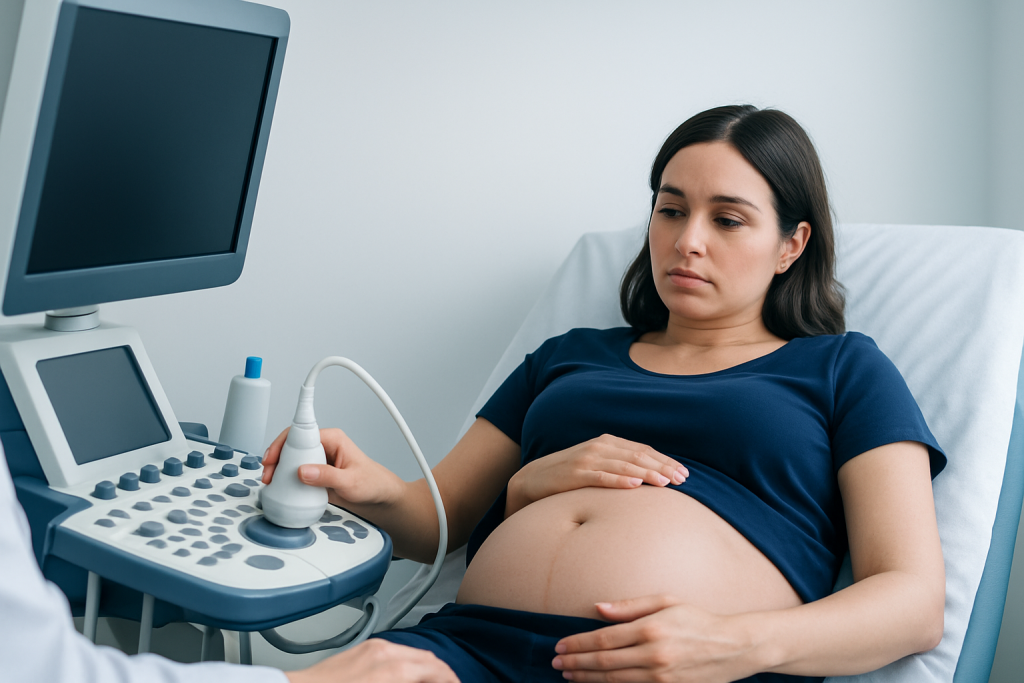
There is no single reason someone may need abortion care later in pregnancy. In some cases, a fetal structural difference is detected during a detailed anatomy scan, or a genetic condition is diagnosed after screening and confirmatory testing. In other cases, the pregnant person may develop a serious medical condition, such as severe preeclampsia, infection, bleeding, or worsening heart, kidney, or autoimmune disease, making continuation of pregnancy unsafe.
Access barriers also play a role. Some people face delays due to irregular menstrual cycles, not realizing they are pregnant right away, difficulty finding a provider, travel restrictions, financial hardship, or waiting periods required by law. For others, a wanted pregnancy changes because new medical information becomes available later than expected.
When fetal concerns are involved, the care team may include specialists in perinatology care to review imaging, testing results, and maternal health. The goal is to help the patient understand the diagnosis, the expected course of the pregnancy, and the available options in a respectful and nonjudgmental way.
How symptoms and clinical situations vary

Abortion later in pregnancy is not defined by a set of symptoms on its own. Instead, the symptoms depend on the underlying reason for care and on the method used. Some people have no physical symptoms and are seeking care after a fetal diagnosis. Others may have warning signs related to a pregnancy complication, such as bleeding, severe abdominal pain, fluid leakage, headache with visual changes, fever, or decreased fetal movement.
When a pregnancy complication is suspected, urgent assessment is important. Heavy bleeding can suggest placental problems or miscarriage. Fever and pelvic pain can raise concern for infection. Severe headache, shortness of breath, chest pain, swelling, or high blood pressure can signal maternal conditions that need prompt treatment even before decisions about pregnancy management are finalized.
Some situations may resemble or overlap with miscarriage or preterm labor. For this reason, self-diagnosis is not reliable. A clinician can determine whether symptoms relate to a continuing pregnancy, pregnancy loss, infection, or another gynecologic issue and advise on the safest next steps.
Diagnosis, evaluation, and counseling
Before any abortion later in pregnancy, clinicians perform a careful evaluation. This usually includes confirming the pregnancy location, estimating gestational age with ultrasound, reviewing prior records, and discussing symptoms and medical history. Blood tests may check blood type, hemoglobin, and signs of infection or other conditions, depending on the patient’s needs.
If a fetal condition is suspected, additional imaging or genetic testing may be reviewed. If the pregnant person has a medical illness, specialists may be involved to clarify the risk of continuing the pregnancy and to plan safe treatment. The purpose of this assessment is not only diagnosis, but also identifying the method and setting of care that will provide the best safety and support.
Counseling is an essential part of care. Patients should receive clear information about what the procedure or induction involves, how pain will be managed, what side effects to expect, and what alternatives may exist. Legal requirements, consent, and timing are also discussed. When appropriate, care may involve genetic testing results or consultation to better understand fetal findings.
Treatment options for abortion later in pregnancy
Treatment depends mainly on gestational age, the reason for care, the patient’s health, and local legal regulations. Broadly, later abortion care may be provided with medications that soften the cervix and start contractions, with a procedure performed by an experienced clinician, or with a combination of both. The setting may be an outpatient clinic, day procedure unit, or hospital, depending on medical complexity.
Medication-based care generally uses medicines to prepare the cervix and induce labor. This approach may be chosen when the pregnancy is more advanced or when hospital monitoring is needed. Procedural care, often a dilation and evacuation procedure, may be offered in a specialized center by trained clinicians. The choice is individualized; one method is not universally better for every patient.
Pain relief and emotional support are important parts of treatment. Depending on the method, patients may receive local anesthesia, sedation, or stronger pain control in hospital. If there is a maternal health concern, related treatments may be needed at the same time, such as managing bleeding, infection, or blood pressure. In selected cases, advanced assessment in obstetrics and gynecology care helps coordinate safe care planning.
After the pregnancy tissue is passed or removed, clinicians check that the uterus is empty enough and that bleeding is within the expected range. Some patients may choose testing of fetal tissue or placenta if they want more information for future pregnancies. This can be discussed before treatment whenever possible.
Recovery, aftercare, and emotional support
Recovery varies with the method used and the stage of pregnancy. Cramping and vaginal bleeding are expected for a period after treatment, often similar to or heavier than a menstrual period at first and then gradually improving. Tiredness, breast discomfort, and emotional ups and downs can also occur. The care team usually explains which symptoms are expected and which should prompt a call or urgent review.
Follow-up may include a clinic visit, ultrasound, or blood tests if there is concern about ongoing pregnancy tissue, infection, or anemia. Patients are also given guidance about returning to work, exercise, sexual activity, and future contraception if desired. Ovulation can return quickly, so contraception planning is often discussed before discharge.
Emotional responses differ widely. Some people feel relief, grief, sadness, numbness, or several feelings at once. There is no single “normal” reaction. Support from trusted family members, counseling services, pregnancy loss specialists, or mental health professionals can be helpful, especially when the pregnancy was wanted or the decision followed difficult medical news.
Near the end of the care journey, some international patients may seek coordinated evaluation and follow-up through centers such as Acibadem International, where multidisciplinary specialists in JCI-accredited hospitals provide diagnosis and treatment planning for complex pregnancy-related conditions.
Possible risks and complications
Abortion later in pregnancy, like any medical procedure, carries some risks, but serious complications are uncommon when care is provided by trained professionals in an appropriate setting. Possible complications can include heavy bleeding, incomplete evacuation of pregnancy tissue, infection, injury to the cervix or uterus, and reactions to anesthesia or medications. The likelihood of specific risks depends on gestational age, medical history, and the method used.
Patients can help improve safety by giving a full medical history, including previous cesarean births, bleeding disorders, medications, and allergies. Access to ultrasound, blood products when needed, and specialist support is especially important when there are maternal health conditions or advanced gestational age. This is why hospital-based care may be recommended in more complex situations.
Long-term fertility is usually preserved after uncomplicated abortion care. Most people can become pregnant again in the future if they wish. If complications do occur, early recognition and treatment are important to reduce the chance of ongoing problems.
When to seek medical care
Medical care should be sought promptly for symptoms during pregnancy that may indicate a complication, whether or not abortion is being considered. Important warning signs include heavy vaginal bleeding, severe or one-sided abdominal pain, fever, chills, fainting, fluid leakage, severe headache, vision changes, chest pain, or trouble breathing. These symptoms need urgent assessment by a qualified clinician or emergency service.
After abortion care, patients should contact a healthcare professional if they soak through pads rapidly for several hours, develop worsening pain not relieved by prescribed measures, have a bad-smelling discharge, feel dizzy or weak, or have a fever. It is also reasonable to ask for help if emotions feel overwhelming or if there are questions about recovery, future fertility, or contraception.
Anyone considering abortion later in pregnancy should seek care from a licensed doctor or hospital rather than trying to manage the situation alone. Timely evaluation helps confirm what is happening, explains the available options, and supports safer treatment within the laws of the country or region.
Frequently asked questions
Is “late term abortion” a medical term?
No. “Late term abortion” is not a formal medical term used by most clinicians. Doctors usually describe abortion by gestational age and by the medical situation, because those details guide the safest method of care.
Why might someone need abortion later in pregnancy?
Reasons vary and may include serious fetal conditions, risks to the pregnant person’s health, or barriers that delayed earlier care. Sometimes a pregnancy was wanted, but important medical information only became available later.
What tests are done before abortion later in pregnancy?
Evaluation often includes ultrasound to confirm gestational age, a review of symptoms and medical history, and blood tests such as blood type and hemoglobin. Additional imaging or genetic information may be reviewed if there is a fetal or maternal medical concern.
What are the treatment options?
Options may include medications to prepare the cervix and induce labor, a procedure performed by an experienced clinician, or a combination approach. The best option depends on gestational age, health factors, local regulations, and patient preference when choices are available.
Can abortion later in pregnancy affect future fertility?
Most people retain normal fertility after uncomplicated abortion care. If a complication such as infection or uterine injury occurs, early treatment helps lower the chance of longer-term problems.
What symptoms after abortion need urgent medical attention?
Urgent attention is needed for heavy bleeding, severe pain, fainting, fever, chills, chest pain, or trouble breathing. A bad-smelling discharge or worsening weakness should also be assessed quickly, as these can suggest infection or another complication.
References
- World Health Organization
- American College of Obstetricians and Gynecologists
- Royal College of Obstetricians and Gynaecologists
- Society of Family Planning
This article is for general information only and is not a substitute for professional medical advice. Please consult a qualified doctor about your individual situation.
Explore treatments in Turkey — costs, top hospitals & a free quote
JCI-accredited · board-certified surgeons · reply within 24h
Check your numbers in seconds
BMI, calories, due date, blood pressure and 30+ more clinical calculators — free, instant, doctor-reviewed ranges.