PCOS Self-care: A Complete Clinical Guide for Patients

PCOS self-care can improve symptoms, but it does not replace medical diagnosis or treatment. Sustainable habits for eating, movement, sleep, and stress often help more than short-term restrictive plans.
Key Takeaways
- PCOS self-care can improve symptoms, but it does not replace medical diagnosis or treatment.
- Sustainable habits for eating, movement, sleep, and stress often help more than short-term restrictive plans.
- Tracking periods, symptoms, and metabolic health can help guide treatment decisions.
- Weight changes, if needed, should be gradual and individualized rather than extreme.
- Medical review is important for irregular bleeding, fertility concerns, severe symptoms, or signs of diabetes.
PCOS self-care means using daily habits to support hormone balance, menstrual health, and long-term metabolic well-being while working with a clinician. The most effective plan usually combines nutrition, physical activity, sleep, stress management, and regular follow-up rather than relying on a single remedy.
Overview: What PCOS Self-Care Really Means
PCOS self-care refers to practical, day-to-day steps that help a person manage polycystic ovary syndrome and lower the risk of related health problems. These steps usually focus on improving insulin sensitivity, supporting regular sleep and meals, reducing symptom triggers, and keeping up with recommended medical monitoring. Self-care is most helpful when it is realistic, consistent, and tailored to a person’s symptoms and goals.
PCOS is a complex hormonal condition that can affect menstrual cycles, ovulation, skin, hair growth, weight regulation, and metabolic health. Some people are mainly troubled by irregular periods or fertility concerns, while others struggle more with acne, excess hair growth, fatigue, or difficulty managing weight. Because symptoms vary widely, self-care plans should be individualized rather than copied from social media trends or one-size-fits-all programs.
Self-care can support treatment, but it cannot by itself confirm or rule out PCOS. A proper evaluation is important because other conditions can cause similar symptoms, including thyroid disorders, elevated prolactin levels, congenital adrenal conditions, or other causes of irregular periods. For a fuller medical overview, patients may also read about polycystic ovary syndrome (PCOS).
How PCOS Affects the Body
PCOS often involves a combination of hormone imbalance and insulin resistance. Insulin resistance means the body does not respond to insulin as effectively as it should, so the pancreas may produce more insulin to compensate. Higher insulin levels can stimulate the ovaries to produce more androgens, sometimes called male-type hormones, which may contribute to acne, scalp hair thinning, and increased facial or body hair.
Ovulation may also become irregular or stop for periods of time. This can lead to unpredictable cycles, skipped periods, or difficulty becoming pregnant. When the uterine lining is exposed to hormones without regular shedding, prolonged cycle irregularity can also increase the risk of endometrial thickening over time, which is one reason regular medical follow-up matters.
PCOS is not only a reproductive condition. It may be linked with higher risks of prediabetes, type 2 diabetes, high cholesterol, fatty liver disease, obstructive sleep apnea, anxiety, depression, and cardiovascular risk factors. A good self-care plan therefore looks beyond periods alone and includes metabolic health, sleep, emotional well-being, and preventive care.
Core Self-Care Habits That Matter Most

The most useful pcos self-care habits are usually the least dramatic: regular meals, balanced nutrition, consistent physical activity, enough sleep, and symptom tracking. These habits can help improve insulin sensitivity and make symptoms easier to manage over time. Progress is often gradual, so patients benefit from setting practical goals rather than expecting a quick hormonal reset.
Nutrition does not need to be extreme to help. Many people do well with meals built around high-fiber carbohydrates, lean proteins, healthy fats, and minimally processed foods. Eating patterns that reduce sharp blood sugar spikes may help energy levels and cravings. Rather than cutting out entire food groups without medical advice, it is often more sustainable to focus on portion balance, regular meal timing, and choosing foods that are filling and nutrient-dense.
Exercise can be especially helpful for insulin resistance, mood, sleep, and weight management. A combination of aerobic activity and resistance training is commonly recommended. Walking, cycling, swimming, and strength exercises can all be useful, and the best routine is one that can be maintained. Even small increases in movement during the week may support health when done consistently.
Symptom tracking is an overlooked part of self-care. Keeping a simple record of menstrual cycles, bleeding patterns, acne changes, hair growth, weight trends, sleep quality, and mood can help patients and clinicians see what is improving and what needs further attention. Tracking can also help identify when symptoms might suggest another condition or a need to adjust treatment.
Nutrition, Weight, and Blood Sugar Support
There is no single “PCOS diet,” but many patients benefit from an eating pattern that supports stable blood sugar and long-term heart health. This usually includes vegetables, fruits, legumes, whole grains, nuts, seeds, fish, eggs, dairy or alternatives as tolerated, and other minimally processed foods. Protein and fiber at meals may help with fullness and reduce sudden hunger later in the day.
Some people with PCOS are advised to lose weight, while others are not. If weight loss is medically appropriate, even modest loss may improve ovulation and metabolic markers in some patients. However, not everyone with PCOS is overweight, and thin individuals can still have insulin resistance and need careful evaluation. Self-care should therefore focus on health measures rather than appearance alone.
Highly restrictive diets can backfire by increasing stress, cravings, or disordered eating patterns. For many patients, a more effective strategy is gradual change: planning meals, reducing sugary drinks, limiting frequent ultra-processed snacks, and avoiding long gaps that lead to overeating. Patients who feel confused about nutrition may benefit from an individualized plan made with an endocrinologist, gynecologist, or dietitian.
When insulin resistance or diabetes risk is significant, doctors may recommend closer testing and, in some cases, medical treatment in addition to lifestyle changes. This may be especially important for patients who also have obesity or metabolic syndrome; related information can be found on obesity.
Managing Periods, Skin, Hair, and Fertility Concerns
PCOS self-care can support symptom control, but some concerns require medical treatment to protect health or improve quality of life. Irregular or absent periods should not simply be ignored, especially if they continue for months. Doctors may recommend treatments to regulate bleeding, protect the uterine lining, or support ovulation depending on whether pregnancy is desired.
Acne, excess facial or body hair, and scalp hair thinning can be distressing and may take time to improve. Gentle skin care, avoiding harsh over-treatment, and using clinician-recommended therapies are often more helpful than trying multiple unproven remedies. Cosmetic approaches such as shaving, waxing, threading, or laser hair reduction may help some patients, but they work best as part of an overall management plan.
For fertility concerns, early discussion with a specialist can be useful, especially if periods are very irregular or if a person has been trying to conceive without success. Ovulation problems are common in PCOS, but treatment options are available. In selected cases, evaluation or care through IVF and fertility treatment may be discussed after appropriate assessment.
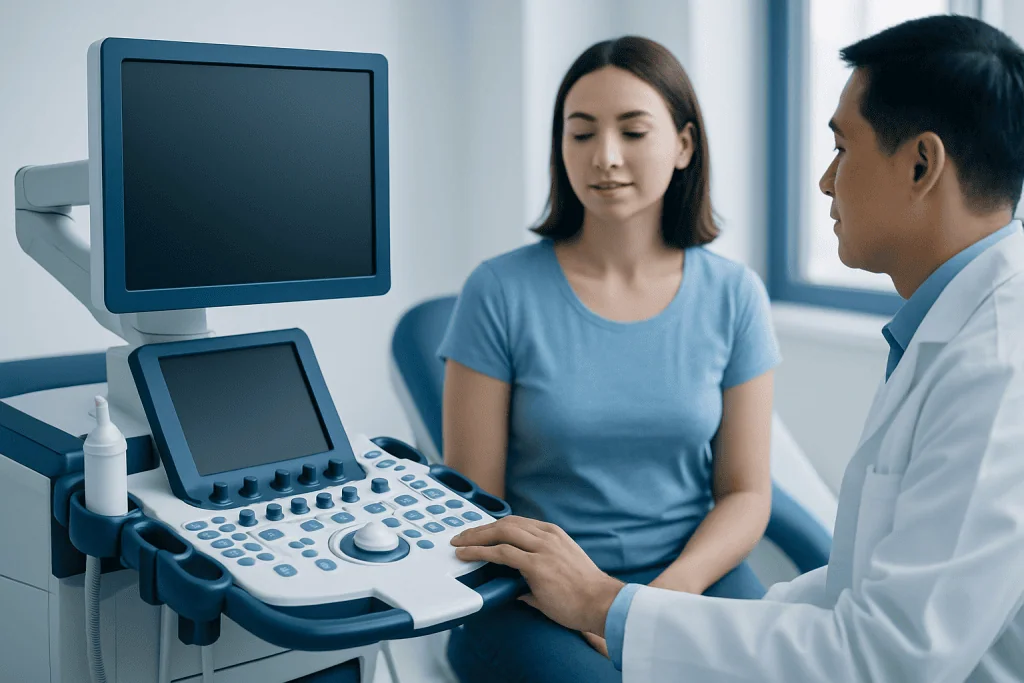
Some patients with PCOS are also advised to have imaging or gynecologic evaluation to better understand cycle patterns and related findings. When clinically appropriate, the care plan may include gynecology assessment or ultrasound evaluation as part of diagnosis and follow-up.
Sleep, Stress, and Emotional Well-Being
Sleep and stress strongly influence PCOS symptoms, yet they are often underestimated. Poor sleep can worsen appetite regulation, insulin resistance, mood, and fatigue. A self-care routine should include a regular sleep schedule, a dark and quiet sleeping environment, limiting caffeine late in the day, and reducing screen exposure before bedtime when possible.
Chronic stress does not directly cause PCOS, but it can intensify symptoms and make healthy routines harder to maintain. Stress management can include mindfulness practices, breathing exercises, journaling, structured relaxation, enjoyable movement, or counseling. Patients do not need a perfect routine; even brief daily habits can make a meaningful difference over time.
PCOS can also affect self-image, intimacy, and mental health. Anxiety and depression may be more common in people with PCOS, especially when symptoms affect fertility, weight, or appearance. If mood symptoms are persistent, interfere with daily life, or lead to social withdrawal, professional support is appropriate and should be viewed as part of comprehensive care, not a separate issue.
Monitoring, Diagnosis, and Follow-Up
Because PCOS overlaps with other endocrine and gynecologic conditions, diagnosis should be made by a qualified clinician rather than through symptoms alone. Doctors typically review menstrual history, symptoms such as acne or excess hair growth, weight and blood pressure, and may order blood tests to assess hormone levels, blood sugar, and cholesterol. Pelvic ultrasound may also be used in some patients, depending on age and clinical context.
Follow-up matters because the condition can change over time. A person whose main issue is acne at one stage of life may later become more concerned about fertility, prediabetes, or irregular bleeding. Regular review allows the care plan to evolve and helps identify complications early, including abnormal glucose metabolism or endometrial concerns.
Patients should bring a list of symptoms, menstrual dates, medications, supplements, and family history to appointments. This can make consultations more productive and reduce the chance of missing important patterns. Near the end of the care journey, some international patients may choose specialist evaluation at Acibadem International, where multidisciplinary teams in JCI-accredited hospitals diagnose and treat PCOS-related concerns.
When to Seek Medical Care
Medical care is important if periods are absent for several months, bleeding is unusually heavy or prolonged, or symptoms are getting worse despite self-care efforts. Patients should also seek evaluation for new pelvic pain, rapidly increasing facial or body hair, severe acne, or scalp hair loss that develops quickly, as these may need prompt assessment to rule out other hormonal causes.
Anyone with signs of high blood sugar should speak to a doctor. These signs may include unusual thirst, frequent urination, increasing fatigue, blurred vision, or recurrent infections. Care is also important for snoring, daytime sleepiness, or suspected sleep apnea, particularly when combined with weight gain or resistant fatigue.
People trying to conceive should seek medical advice if cycles are very irregular or if pregnancy has not occurred after an appropriate period of trying based on age and individual circumstances. Urgent medical attention is needed for severe abdominal pain, fainting, or any symptom that feels sudden and serious. Self-care is valuable, but it works best alongside personalized medical guidance.
Frequently asked questions
Can PCOS be managed with self-care alone?
Self-care can improve many PCOS symptoms and support long-term health, but it is not a substitute for diagnosis or medical follow-up. Some patients also need medications, fertility treatment, or monitoring for diabetes, cholesterol problems, or abnormal bleeding.
What is the best diet for PCOS?
There is no single best diet for everyone with PCOS. In general, balanced meals with fiber, protein, healthy fats, and fewer highly processed foods can support blood sugar control and help with energy, appetite, and weight management.
Does losing weight cure PCOS?
Weight loss does not cure PCOS, and not everyone with PCOS needs to lose weight. However, if a doctor recommends it, modest and sustainable weight loss may improve ovulation, cycle regularity, and metabolic health in some people.
How long does it take for lifestyle changes to help PCOS?
Some people notice changes in energy, sleep, or cravings within weeks, but menstrual or skin improvements often take longer. It is common for benefits to build gradually over several months of consistent habits.
Should people with PCOS avoid all carbohydrates?
Usually no. Completely avoiding carbohydrates is not necessary for most patients, and it may be hard to maintain. Choosing higher-fiber carbohydrate sources and pairing them with protein or healthy fats is often a more practical approach.
When should someone with PCOS see a doctor about fertility?
A doctor should be consulted sooner if periods are very irregular or absent, since this may mean ovulation is not happening regularly. Age, cycle pattern, and how long pregnancy has been attempted all influence when fertility evaluation is appropriate.
References
- World Health Organization
- American College of Obstetricians and Gynecologists
- Endocrine Society
- Centers for Disease Control and Prevention
- National Institute of Diabetes and Digestive and Kidney Diseases
This article is for general information only and is not a substitute for professional medical advice. Please consult a qualified doctor about your individual situation.
Explore treatments in Turkey — costs, top hospitals & a free quote
JCI-accredited · board-certified surgeons · reply within 24h
Check your numbers in seconds
BMI, calories, due date, blood pressure and 30+ more clinical calculators — free, instant, doctor-reviewed ranges.