Skin Tear: An Evidence-Based Guide for Patients

A skin tear is different from a cut or pressure injury because the skin often peels back like a flap after minor trauma. Older adults, people with fragile skin, and those with reduced mobility are more likely to develop skin tears.
Key Takeaways
- A skin tear is different from a cut or pressure injury because the skin often peels back like a flap after minor trauma.
- Older adults, people with fragile skin, and those with reduced mobility are more likely to develop skin tears.
- Early care focuses on stopping bleeding, cleaning the area gently, and protecting any skin flap if it is still viable.
- Medical assessment is important for large, deep, contaminated, or infected wounds.
- Prevention includes protecting the skin, reducing friction, keeping skin moisturized, and making the home environment safer.
A skin tear is a wound caused when fragile skin separates after friction, shear, or a minor bump. Most skin tears can heal well with prompt cleaning, gentle dressing, and medical review when the wound is deep, bleeding heavily, or shows signs of infection.
Overview: what a skin tear is
A skin tear is a wound that happens when the top layers of the skin separate because of friction, shear, or a minor impact. It often occurs in people with fragile skin, especially older adults, and may look like a flap of skin that has partially lifted away. Although skin tears can appear sudden and dramatic, many heal well when they are recognized early and cared for gently.
Unlike a simple paper cut, a skin tear usually involves thin, delicate skin that has been pulled or stretched. This means the wound can be more difficult to close and protect, especially if there is a skin flap. It is also different from a pressure injury, which develops over time from prolonged pressure rather than from a single episode of trauma.
Skin tears are common on the arms, hands, and lower legs, where the skin may be thinner and more exposed. A person may notice bleeding, stinging, tenderness, or an area where the skin has peeled back. Proper first aid and, when needed, evaluation by a healthcare professional can lower the risk of infection and support better healing.
Signs and symptoms to notice
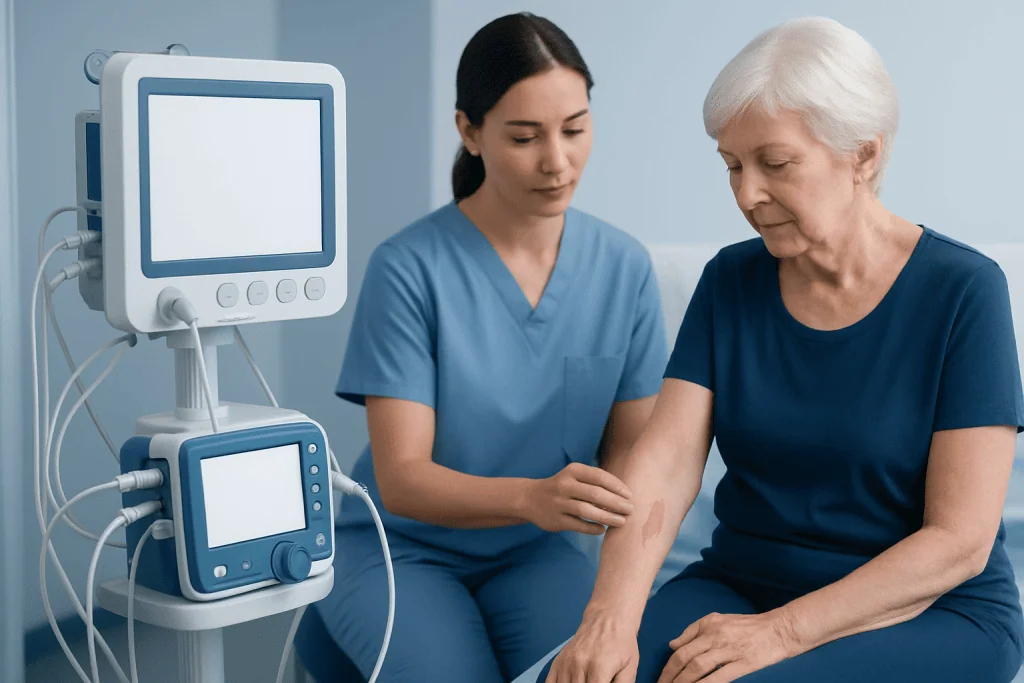
The appearance of a skin tear can vary from mild to more extensive. Some wounds involve only the top skin layer, while others create a deeper separation. A skin flap may still cover part of the wound, or it may be completely absent if the tissue has torn away.
Common symptoms include pain, bleeding, tenderness, and visible broken skin. The area may look red or moist, and bruising can appear around the wound. In many cases, the person remembers a small bump, transfer, dressing removal, or contact with furniture that caused the injury.
- A flap of skin that is partially or fully detached
- Light to moderate bleeding
- Stinging or soreness
- Redness or bruising around the area
- Fragile, thin skin that tears easily
Signs that need closer attention include increasing redness, swelling, warmth, pus, a bad odor, worsening pain, or fever. These may suggest infection or delayed healing. If the wound edges are widely separated or the skin flap looks dark and nonviable, a clinician should assess the injury.
Causes and risk factors
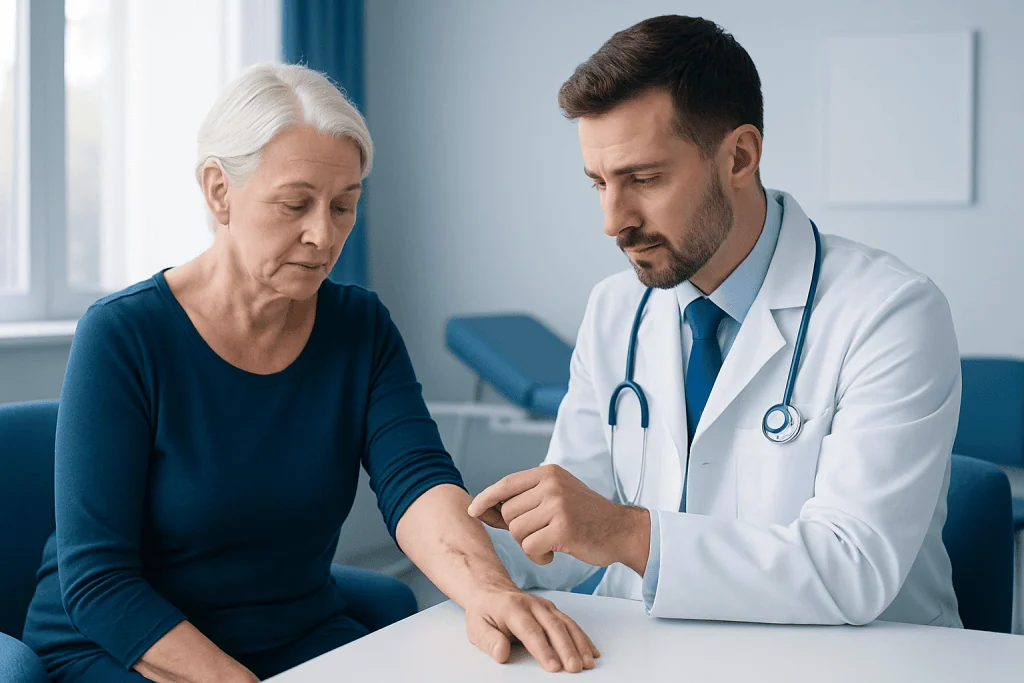
Skin tears are usually caused by a combination of fragile skin and mechanical stress. Friction can occur when the skin rubs against clothing, bedding, or dressings. Shear happens when the skin stays in place but underlying tissue shifts, such as during repositioning in bed or transfers from a chair.
Age is one of the strongest risk factors because skin naturally becomes thinner, drier, and less elastic over time. Reduced collagen, sun damage, and slower healing make the skin more vulnerable. People with limited mobility may also be at higher risk because they depend on others for movement and personal care, increasing the chance of accidental bumps or pulling.
Other factors can contribute as well. Long-term corticosteroid use, poor nutrition, dehydration, swelling, vascular problems, and certain chronic illnesses may weaken the skin. Frequent adhesive dressings, repeated falls, and cluttered environments can also increase risk. In some cases, clinicians also evaluate related skin conditions or poor circulation, including problems linked to varicose veins when lower-leg skin is especially delicate.
Because many skin tears occur during everyday activities, prevention often depends on identifying practical triggers in a person’s routine. Clothing with rough seams, jewelry, pet scratches, and hard furniture edges can all play a role. A careful review of these factors can help reduce repeat injuries.
How skin tears are assessed and diagnosed
A skin tear is usually diagnosed through clinical examination. A doctor or nurse checks the location, size, depth, bleeding, skin flap condition, and surrounding skin quality. They may classify the wound based on whether the flap can be gently repositioned and how much tissue loss is present.
The clinician also asks how and when the injury happened. This helps distinguish a skin tear from other wounds such as lacerations, abrasions, pressure injuries, or chronic ulcers. In some cases, a wound that does not heal as expected may need further evaluation to rule out poor circulation, infection, or another skin disorder.
Most skin tears do not require complex testing, but some patients benefit from broader assessment. For example, a clinician may review medications, hydration, mobility, nutrition, and blood flow to the area. When wound healing is delayed, additional testing or imaging may be considered to look for underlying causes.
If there are concerns about skin integrity, circulation, or a related structural issue, the care team may recommend specialized wound care or dermatologic review. In selected cases, treatment planning can overlap with services such as wound care to support healing and reduce complications.
Treatment and first aid
The first steps in skin tear treatment are to stop bleeding, clean the wound gently, and protect the surrounding skin. Direct gentle pressure with a clean cloth or gauze can help control bleeding. The area is usually rinsed with saline or clean water rather than harsh solutions that may irritate fragile tissue.
If a skin flap is present and still looks healthy, a clinician may gently place it back over the wound as a natural cover. Dressings are chosen to protect the area, maintain a balanced moisture level, and avoid further trauma during removal. Non-adherent dressings are often preferred because they are less likely to pull on delicate skin.
Some wounds can be managed at home after professional advice, while others need medical care. Larger tears, heavily contaminated injuries, and wounds with signs of infection may need more advanced treatment. If healing is delayed or the tissue is not viable, debridement or more structured follow-up may be needed. In selected situations involving significant tissue damage or difficult closure, reconstructive approaches such as plastic and reconstructive surgery may be considered.
Antibiotics are not automatically needed for every skin tear, but they may be used if there is a confirmed or strongly suspected infection. Pain control, swelling management, and protection from repeated trauma are also part of treatment. Patients should avoid pulling off dressings abruptly and should follow instructions on how often a dressing should be changed.
Prevention and self-care
Preventing a skin tear often starts with daily skin care and a safer environment. Regular moisturizing can reduce dryness and cracking, making the skin more flexible. Gentle cleansing, patting the skin dry, and avoiding very hot water may also help preserve the skin barrier.
Protective clothing such as long sleeves, soft fabrics, and shin guards can reduce trauma in people who are prone to repeated injuries. Caregivers can lower risk by using careful transfer techniques, avoiding dragging the skin across bedding, and removing adhesive products slowly. If adhesives are needed often, a clinician may suggest skin-friendly alternatives.
- Use fragrance-free moisturizer regularly
- Keep nails trimmed and remove sharp jewelry when giving care
- Improve lighting and reduce tripping hazards at home
- Choose protective sleeves or long pants if skin is very fragile
- Maintain good hydration and balanced nutrition
- Review medicines with a clinician if bruising or fragile skin is worsening
Self-care after a skin tear also includes watching the wound closely. The dressing should stay clean and dry, and the area should be protected from bumps or rubbing. If the wound keeps reopening, enlarges, or fails to improve, a healthcare professional should reassess it.
When to seek medical care
Medical care is recommended if a skin tear is deep, large, or continues bleeding after several minutes of gentle pressure. A person should also seek help if the wound was caused by dirty or rusty material, if there is severe pain, or if the skin flap cannot be repositioned. These situations may require wound closure decisions, tetanus review, or more advanced dressing support.
Prompt assessment is also important if there are signs of infection, such as spreading redness, warmth, swelling, pus, fever, or increasing tenderness. People with diabetes, poor circulation, weakened immunity, or very fragile skin may need earlier review because healing can be slower and complications may be easier to miss.
Ongoing wounds on the legs or feet can sometimes overlap with other circulation-related problems. In selected patients, clinicians may assess whether there is an associated issue such as diabetic foot or another chronic wound condition. If specialized treatment is needed, services such as dermatology may be part of the care plan.
For international patients who need diagnosis or wound management, Acibadem International offers care through multidisciplinary specialists in JCI-accredited hospitals. The most appropriate treatment depends on the person’s overall health, the wound’s severity, and the presence of any underlying medical condition.
Frequently asked questions
What is the difference between a skin tear and a cut?
A skin tear usually happens when fragile skin peels back or separates after friction, shear, or a mild bump. A cut is often caused by a sharp object and may happen even when the skin is otherwise healthy. Skin tears often need extra care because the surrounding skin is delicate and can be damaged further during dressing changes.
Can a skin tear heal on its own?
Many small skin tears can heal well with prompt cleaning, protection, and appropriate dressing. Healing is more likely when the wound is kept clean and the skin flap is preserved if possible. Larger, deeper, or infected tears should be assessed by a healthcare professional.
Should a skin flap be removed?
Not usually. If the flap is still viable, clinicians often try to gently place it back over the wound because it can protect the tissue underneath. A flap that is clearly nonviable should only be managed by a trained healthcare professional.
How long does a skin tear take to heal?
Healing time varies depending on the size of the tear, the condition of the skin, and the person’s overall health. Minor tears may improve within days to a couple of weeks, while larger wounds can take longer. Delayed healing is more common when there is infection, poor circulation, or repeated trauma.
What dressing is best for a skin tear?
The best dressing is usually one that is gentle, non-adherent, and able to protect the wound without pulling on fragile skin. The right choice depends on bleeding, drainage, wound depth, and whether a skin flap is present. A nurse or doctor can recommend the safest option for the specific wound.
When is a skin tear an emergency?
A skin tear can need urgent medical attention if bleeding does not stop, the wound is deep, or there are signs of severe infection such as fever, spreading redness, or significant swelling. People who take blood thinners or have diabetes or poor circulation may also need earlier assessment. If there is any doubt, seeking prompt professional advice is the safest step.
References
- World Health Organization
- International Skin Tear Advisory Panel
- National Institute on Aging
- Centers for Disease Control and Prevention
- Wound, Ostomy and Continence Nurses Society
This article is for general information only and is not a substitute for professional medical advice. Please consult a qualified doctor about your individual situation.
Explore treatments in Turkey — costs, top hospitals & a free quote
JCI-accredited · board-certified surgeons · reply within 24h
Add us as a Preferred Source to see more of our trusted health content across Google Search, AI Overviews and Discover.