Skin Treatment Recovery: Redness, Peeling, Aftercare, and When Healing Is Not Normal

Mild redness, tightness, dryness, and flaking are common after many skin treatments. Healing time depends on the type and depth of treatment, the body area treated, and individual skin sensitivity.
Key Takeaways
- Mild redness, tightness, dryness, and flaking are common after many skin treatments.
- Healing time depends on the type and depth of treatment, the body area treated, and individual skin sensitivity.
- Gentle cleansing, regular moisturizing, sun protection, and avoiding irritants are central to aftercare.
- Increasing pain, spreading redness, pus, fever, or delayed healing should be assessed by a doctor.
- Picking, scrubbing, overusing active skincare, or returning to heat and exercise too soon can slow recovery.
Skin treatment recovery often involves short-term redness, dryness, peeling, and sensitivity as the skin barrier repairs itself. Knowing what is expected, how to care for the skin, and when symptoms may signal a problem can help recovery feel safer and smoother.
Overview of Skin Treatment Recovery
Skin treatment recovery is the period during which the skin repairs itself after a cosmetic, medical, or dermatologic procedure. This can follow treatments such as chemical peels, laser procedures, microneedling, injectable treatments, cryotherapy, removal of benign skin lesions, or therapies used to improve texture, pigment, acne scars, or signs of aging. During recovery, the skin barrier may be temporarily weakened, which is why redness, dryness, sensitivity, and peeling are often expected.
The exact healing pattern depends on the treatment type, how deeply the skin was affected, the area treated, and the person’s natural skin sensitivity. A superficial treatment may cause only mild pinkness for a day or two, while a deeper resurfacing procedure can lead to several days of redness, swelling, crusting, or peeling. Recovery also tends to be more noticeable in people with sensitive skin, eczema-prone skin, or a history of reactions to skincare products.
In most cases, these changes are part of normal healing rather than a sign that something has gone wrong. The aim of aftercare is to protect the skin while this repair process takes place. Gentle care can reduce discomfort, support the skin barrier, and lower the chance of complications such as infection, prolonged irritation, or post-inflammatory pigmentation.
What Healing Normally Looks Like
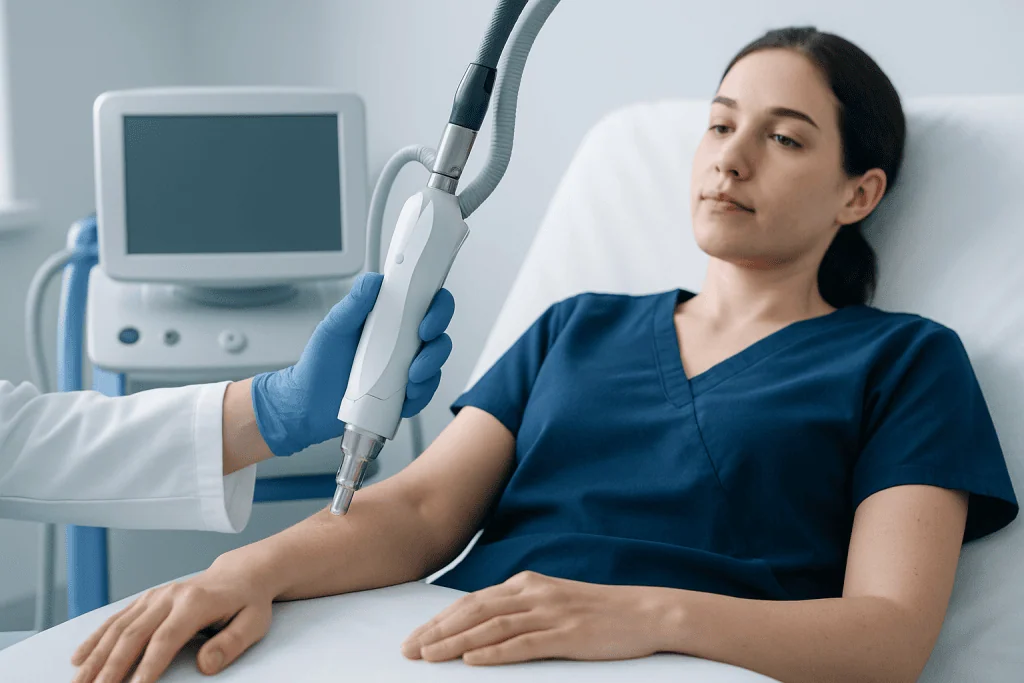
Normal skin treatment recovery commonly includes mild to moderate redness, warmth, tenderness, tightness, and swelling. The skin may feel dry or rough and may look flaky as old surface cells shed. Some treatments also cause tiny pinpoint marks, light bruising, temporary darkening of spots before they fade, or a sunburn-like feeling for a short time.
Peeling can begin a few days after treatment and usually settles on its own. This does not mean the skin should be scrubbed or picked. Letting peeling skin separate naturally helps protect the new surface underneath. It is also common for the skin to be more reactive than usual, so products that were previously well tolerated may sting during early recovery.
Improvement is often gradual rather than immediate. A person may notice that the skin looks more inflamed before it looks clearer or smoother. For example, procedures designed to stimulate renewal can make the skin appear dry, pink, or temporarily uneven before the final result develops over weeks. When a treatment has been used to address concerns such as acne scarring, discoloration, or textural changes, patience is usually needed during the repair phase.
- Redness that slowly fades is often expected.
- Mild swelling may be most noticeable in the first 24 to 72 hours.
- Dryness, flaking, or peeling can continue for several days depending on the procedure.
- Temporary sensitivity to sunlight, heat, or skincare products is common.
Redness, Peeling, and Other Common Symptoms
Redness after a skin treatment happens because blood flow increases as part of the body’s natural healing response. This can make the treated area look pink, red, or slightly blotchy. In lighter skin tones, redness may be more obvious, while in darker skin tones the area may look irritated, darker, or more inflamed rather than bright red. Mild swelling often accompanies this and usually improves steadily.
Peeling after skin treatment is also common, especially after resurfacing procedures. The outermost skin cells loosen and shed as newer skin comes to the surface. This process can range from fine flaking to more visible sheets of peeling, depending on how intensive the procedure was. Although it may be tempting to remove loose skin manually, doing so can increase irritation, delay healing, and raise the risk of marks or infection.
Other expected symptoms may include itching, dryness, a sensation of heat, mild crusting, or temporary breakouts. Itching can occur as the skin barrier rebuilds, but vigorous scratching should be avoided. If the treatment involved injections or lesion removal, small bruises or scabs may appear and should be allowed to heal naturally. In many situations, careful aftercare is enough for these symptoms to settle without further treatment.
Some individuals undergo procedures that overlap with care used for specific skin concerns, such as acne or rosacea. In these cases, the skin may already be more reactive at baseline, so a tailored recovery plan is especially helpful.
Aftercare: How to Support Healing Safely
Good aftercare starts with keeping the routine simple. Most clinicians advise washing with a gentle, fragrance-free cleanser and lukewarm water, then patting the skin dry rather than rubbing it. A bland moisturizer can help reduce tightness and support barrier repair. If a doctor has recommended an ointment, healing cream, or dressing, it should be used exactly as instructed.
Sun protection is one of the most important parts of skin treatment recovery. Healing skin is more vulnerable to ultraviolet exposure, which can worsen redness and increase the risk of long-lasting dark marks. Shade, protective clothing, and a broad-spectrum sunscreen are often advised once the skin is ready for it. For some procedures, the doctor may recommend avoiding direct sun completely during the earliest phase of recovery.
It is also wise to avoid common irritants while the skin is healing. These may include exfoliating acids, retinoids, scrubs, alcohol-based toners, fragranced products, self-tanning products, and strong acne treatments unless a clinician specifically says otherwise. Heat can also aggravate inflammation, so hot showers, saunas, steam rooms, and intense exercise may need to be limited briefly. Makeup may be allowed after some treatments but should only be restarted when the treating clinician considers it safe.
For people recovering from procedures such as laser skin resurfacing or chemical peel treatment, following the individual aftercare plan is especially important because timing can differ by treatment depth. Drinking enough fluids, avoiding smoking, and getting adequate rest may also support normal healing.
What Can Slow Recovery or Trigger Problems
Several factors can prolong skin treatment recovery. Picking at peeling skin, rubbing the area, using harsh skincare products too soon, or returning to sun and heat exposure before the skin is ready can all worsen irritation. Even well-intentioned efforts to speed healing, such as frequent masking, layering many products, or using antiseptics without advice, may disrupt the skin barrier further.
Individual factors matter as well. People with eczema, very sensitive skin, a history of allergic contact dermatitis, cold sores, poor wound healing, or a tendency toward pigment changes may need closer follow-up. Medications that affect healing, including some immune-suppressing treatments, can also influence recovery. If the skin has an active infection or is already inflamed before a procedure, healing may be more difficult.
The body site can make a difference too. Areas exposed to friction, shaving, or movement may stay irritated longer. Darker skin tones may have a higher tendency toward post-inflammatory hyperpigmentation after irritation, while anyone can develop prolonged redness if the skin becomes excessively inflamed. This is one reason why careful treatment selection and professional guidance are important, especially for more intensive procedures such as microneedling or energy-based skin treatments.
When Healing Is Not Normal
Although some discomfort is expected, healing should generally move in a steady direction. Symptoms that are worsening instead of improving deserve attention. Increasing pain, rapidly spreading redness, marked swelling, warmth that continues to intensify, pus, an unpleasant odor, or fever may suggest infection or another complication. Blistering, severe burning, or skin that turns very dark, pale, or dusky should also be assessed promptly.
Another sign that recovery may not be normal is delayed healing. If the skin remains open, heavily crusted, or very inflamed longer than expected for that procedure, the treatment team should be contacted. Persistent itching with a rash can indicate irritation or allergy to a product being used during aftercare. New cold sores around the mouth after facial procedures also require medical advice, particularly in people with a history of herpes simplex.
Changes in skin color can also be important. Temporary redness or darkening may be expected, but lasting pigment change, especially after sun exposure or repeated irritation, should be discussed with a dermatologist. Some people may also develop acne-like breakouts, contact dermatitis, or uncommon scarring. Early review can help prevent a minor issue from becoming more difficult to treat.
If symptoms feel severe, unexpected, or simply concerning, it is reasonable to ask for medical guidance. A follow-up visit may confirm that healing is normal, or it may identify a problem early enough for simpler treatment.
When to See a Doctor and Getting Professional Help
A doctor should be contacted if redness becomes more intense after the first few days, if swelling is pronounced, if there is significant pain, or if there are signs of infection. Medical advice is also important if the treated area develops blisters, drainage, widespread rash, or persistent crusting. People with a history of keloids, immune system problems, diabetes, or recurrent cold sores may benefit from earlier review even when symptoms seem mild.
Professional follow-up is especially useful when a person is uncertain whether healing is typical for the specific procedure. Different treatments have very different timelines, and comparing one recovery experience with another person’s may be misleading. Clinicians can explain what is expected and adjust aftercare if the skin is becoming too dry, irritated, or inflamed.
When further treatment is needed, options depend on the cause and may include changes to aftercare products, management of inflammation, treatment for infection, or guidance on pigment changes. Patients recovering after skin lesion or skin cancer treatment may need especially careful monitoring if wound healing seems delayed or unusual.
For international patients seeking evaluation or treatment, Acibadem International’s multidisciplinary specialists in JCI-accredited hospitals diagnose and treat a wide range of skin conditions and procedure-related concerns. Prompt assessment can provide reassurance when healing is normal and timely care when it is not.
Frequently asked questions
How long does skin treatment recovery usually take?
Recovery time depends on the treatment and the person's skin. Mild procedures may settle within a few days, while deeper resurfacing treatments can take one to two weeks or longer for visible healing. Some redness or sensitivity may last beyond that even as the skin continues to improve.
Is peeling after a skin treatment a good sign?
Peeling can be a normal part of renewal after many skin treatments. It usually means older surface skin is shedding as the area heals. However, peeling should be managed gently and not forced by scrubbing or picking.
What should be avoided during skin treatment recovery?
People are usually advised to avoid direct sun, heat exposure, harsh skincare products, exfoliants, and picking at the skin. Intense exercise, swimming pools, and heavy makeup may also need to be paused for a short time, depending on the procedure. The safest approach is to follow the aftercare plan given by the treating clinician.
When is redness after skin treatment a problem?
Mild redness that gradually fades is commonly expected. Redness becomes more concerning if it is spreading, increasingly painful, very warm, associated with pus, or accompanied by fever. If redness is worsening rather than improving, medical review is advisable.
Can skin treatment recovery cause dark marks or pigmentation?
Yes, inflammation during healing can sometimes lead to post-inflammatory hyperpigmentation, especially in darker skin tones or after sun exposure. Careful sun protection and avoiding irritation can help reduce this risk. A dermatologist can advise on management if pigmentation develops or persists.
Should moisturizer be used after every skin treatment?
Many skin treatments benefit from a simple, fragrance-free moisturizer because it supports the skin barrier and reduces dryness. However, the right product and timing depend on the procedure. It is best to use only products approved by the treating doctor during the early healing phase.
References
- American Academy of Dermatology
- National Health Service
- Mayo Clinic
- American Society for Dermatologic Surgery
This article is for general information only and is not a substitute for professional medical advice. Please consult a qualified doctor about your individual situation.
Explore treatments in Turkey — costs, top hospitals & a free quote
JCI-accredited · board-certified surgeons · reply within 24h