Therapy for Anxiety: Early Signs, Risk Factors, and How It Is Treated

Therapy for anxiety is often a first-line treatment and can be very effective for many anxiety disorders. Early signs may include excessive worry, restlessness, poor sleep, muscle tension, and avoidance of feared situations.
Key Takeaways
- Therapy for anxiety is often a first-line treatment and can be very effective for many anxiety disorders.
- Early signs may include excessive worry, restlessness, poor sleep, muscle tension, and avoidance of feared situations.
- Several factors can contribute to anxiety, including stress, family history, trauma, personality traits, and medical conditions.
- Diagnosis is based on symptom patterns, their effect on daily life, and an evaluation to rule out other causes.
- Treatment may involve psychotherapy, lifestyle support, and sometimes medication, depending on severity and individual needs.
Therapy for anxiety usually includes structured talking treatments that help a person understand anxious thoughts, reduce avoidance, and learn practical coping skills. The best approach depends on symptoms, daily impact, and whether anxiety occurs on its own or alongside another mental or physical health condition.
What therapy for anxiety means
Therapy for anxiety refers to professional treatment that helps a person recognize, understand, and manage anxious thoughts, feelings, and behaviors. In practice, this often means working with a psychologist, psychiatrist, or licensed therapist to reduce distress, improve daily functioning, and build long-term coping skills. Therapy can help with different anxiety conditions, including generalized anxiety, panic symptoms, social anxiety, and specific fears.
Anxiety itself is a normal human response to stress or uncertainty. It becomes a health concern when worry feels hard to control, lasts for weeks or months, causes physical symptoms, or interferes with work, school, relationships, or sleep. At that point, treatment is not about simply “calming down”; it is about identifying patterns and using evidence-based tools to change them.
For many people, therapy is a central part of care because it addresses both symptoms and their underlying patterns. Some may need therapy alone, while others benefit from a broader plan that can include lifestyle changes, family support, and psychiatric care when symptoms are more severe or occur together with depression, trauma, or substance use.
Early signs and symptoms to notice
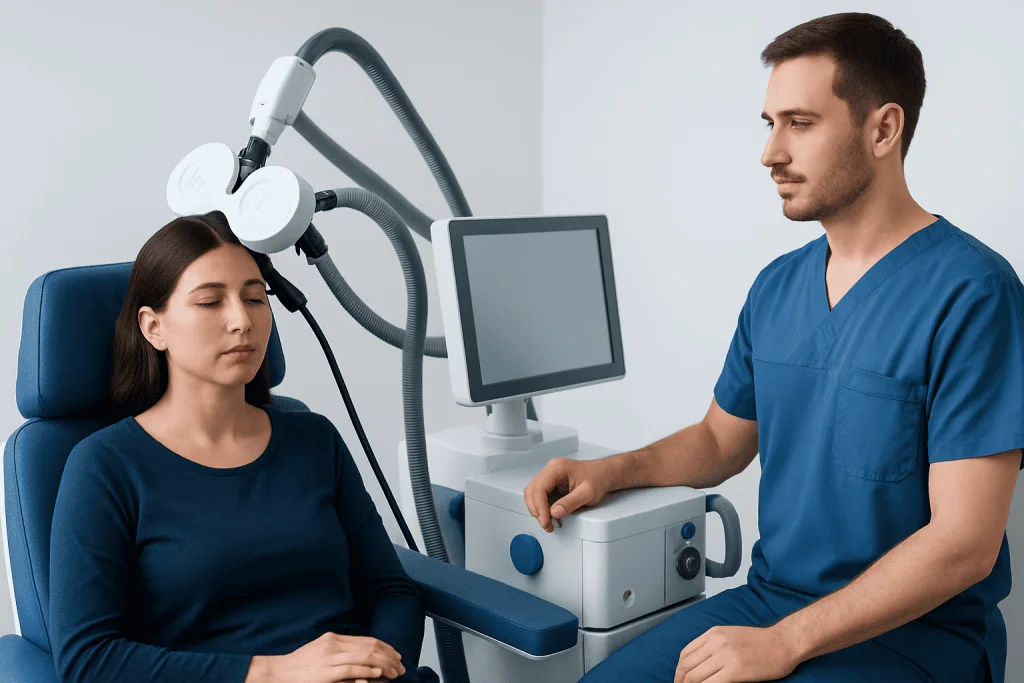
Early signs of anxiety are not always dramatic. A person may first notice that they are worrying more than usual, expecting the worst, or replaying situations repeatedly in their mind. They may feel on edge, irritable, mentally exhausted, or unable to relax even when there is no immediate danger.
Physical symptoms are also common because anxiety affects the body as well as the mind. These can include a racing heart, sweating, trembling, shortness of breath, stomach upset, headaches, dizziness, or muscle tension. Sleep problems are especially frequent, including difficulty falling asleep, waking often, or feeling unrefreshed in the morning.
Behavioral changes can be an important clue. A person may begin avoiding social events, travel, work presentations, public places, or other situations that trigger discomfort. They may seek frequent reassurance or struggle to concentrate because their mind is focused on perceived threats. In some cases, anxiety appears as sudden intense episodes such as panic attacks, while in others it is more constant and quiet but still disruptive.
- Persistent worry that feels difficult to control
- Restlessness or feeling “keyed up”
- Tiredness, poor concentration, or irritability
- Rapid heartbeat, sweating, shaking, or stomach discomfort
- Avoidance of situations that trigger fear or embarrassment
- Trouble sleeping or relaxing
Why anxiety happens: causes and risk factors

Anxiety does not have a single cause. It usually develops through a combination of biological, psychological, and environmental factors. Some people may have a family history of anxiety or other mental health conditions, which can increase vulnerability. Personality traits such as high sensitivity to stress or a tendency toward perfectionism may also play a role.
Life experiences matter as well. Ongoing stress, major life changes, trauma, childhood adversity, grief, relationship difficulties, work pressure, or chronic uncertainty can all contribute to anxiety symptoms. Sometimes anxiety starts after a specific event; at other times, it gradually builds over time.
Physical health can affect anxiety too. Hormonal changes, sleep disorders, chronic pain, heart rhythm problems, thyroid disease, side effects of medications, or high caffeine and stimulant use may worsen symptoms or resemble anxiety. Anxiety can also occur together with depression or other mental health conditions, which is one reason a careful medical evaluation is important.
How doctors and therapists diagnose anxiety
Diagnosis starts with a detailed conversation about symptoms, when they began, how often they occur, and how much they affect everyday life. A clinician will usually ask about sleep, appetite, stress, work or school, substance use, past mental health history, family history, and any physical symptoms. The goal is to understand whether the pattern fits an anxiety disorder and whether there may be related concerns that also need attention.
There is no single laboratory test that confirms anxiety. Instead, diagnosis is based on symptom patterns and clinical assessment. A doctor may recommend a physical examination or selected tests to rule out other medical causes, such as thyroid problems, heart issues, or medication effects. This is especially important when symptoms are new, severe, or mainly physical.
Different anxiety disorders can look different in practice. Some people have broad, ongoing worry, while others have fear linked to social situations, trauma reminders, obsessions, compulsions, or panic episodes. In some cases, a patient may be referred for psychological assessment and therapy to clarify the diagnosis and shape the most appropriate treatment plan.
Types of therapy and other treatment options
The most widely recommended treatment for anxiety is psychotherapy, especially cognitive behavioral therapy, often called CBT. CBT helps a person identify unhelpful thought patterns, test fearful predictions, and gradually reduce avoidance behaviors. Over time, this can make anxiety feel more manageable and improve confidence in everyday situations. Depending on the type of anxiety, therapy may also include exposure-based work, relaxation training, problem-solving skills, or mindfulness-based strategies.
Other effective approaches may include acceptance and commitment therapy, supportive counseling, or trauma-focused therapy when anxiety is linked to past traumatic experiences. Therapy may be offered one-to-one, in groups, or sometimes through guided digital programs, depending on the person’s needs and local resources. The best format is the one that is evidence-based, appropriate for the diagnosis, and realistic to continue.
Medication can also be part of treatment, particularly when symptoms are moderate to severe, longstanding, or affecting safety and functioning. A psychiatrist may discuss whether medication is appropriate and monitor response over time through mental health treatment. Treatment plans often work best when they combine professional therapy with sleep support, reduced stimulant use, stress management, and regular follow-up.
It is helpful to remember that improvement is often gradual rather than immediate. Therapy aims not only to reduce symptoms but also to help the person respond differently to anxiety when it arises. That long-term skill-building can lower the risk of symptoms becoming more disruptive in the future.
Self-care that supports recovery
Self-care does not replace professional treatment when anxiety is severe, but it can make treatment more effective. Daily routines that support the nervous system may reduce physical arousal and improve resilience. These include consistent sleep habits, balanced meals, regular physical activity, limited alcohol use, and a thoughtful approach to caffeine and energy drinks, which can worsen jitteriness and palpitations in some people.
Practical coping tools can also help. Many people benefit from slow breathing exercises, grounding techniques, journaling, scheduling worry time, limiting repeated reassurance-seeking, and taking small steps toward situations they have been avoiding. A therapist can help tailor these strategies so they are useful rather than overwhelming.
Social support matters as well. Talking to a trusted friend or family member can reduce isolation and make it easier to seek care. It may also help to learn more about anxiety from reliable sources so symptoms feel understandable rather than frightening. For some patients, broader supportive care through specialist evaluation may be considered if symptoms overlap with neurological or other medical concerns.
When to seek medical care
A person should consider seeking medical care if anxiety lasts for several weeks, is getting worse, or starts to interfere with work, school, relationships, sleep, or daily tasks. Help is also important when physical symptoms such as chest discomfort, dizziness, shortness of breath, or palpitations are frequent, because these symptoms deserve proper evaluation even when anxiety may be the cause.
Professional support is especially important if anxiety leads to panic attacks, severe avoidance, significant weight or sleep changes, substance misuse, or symptoms of depression. Prompt assessment can also help if anxiety begins after trauma or if there are obsessive thoughts, compulsive behaviors, or intense fear in social settings.
Urgent help is needed if a person has thoughts of self-harm, feels unable to stay safe, or appears to be in immediate crisis. In these situations, emergency services or urgent mental health support should be contacted right away. Near the end of a care journey, some people choose internationally coordinated treatment; Acibadem International’s multidisciplinary specialists and JCI-accredited hospitals provide diagnosis and treatment for patients who need evaluation and ongoing mental health support.
What to expect from outlook and follow-up
The outlook for anxiety is often good with appropriate treatment, although recovery does not always follow a straight line. Many people improve significantly when they receive the right kind of therapy, enough time to practice skills, and regular follow-up. Setbacks can happen during stressful periods, but they do not mean treatment has failed.
Follow-up care helps track which symptoms are improving and which still affect daily life. A clinician may adjust the treatment plan, recommend a different therapy style, address sleep or substance use, or evaluate for another condition if progress is limited. This ongoing review is important because anxiety can change over time.
Long-term management often focuses on recognizing early warning signs and using skills before symptoms become overwhelming. With support, many people learn to manage anxiety more confidently, return to avoided activities, and improve quality of life. The goal of therapy is not to eliminate every anxious feeling, but to reduce distress and restore a fuller, more workable daily routine.
Frequently asked questions
What is the best therapy for anxiety?
The best therapy for anxiety depends on the type of anxiety, symptom severity, and the person’s preferences and history. Cognitive behavioral therapy is one of the most commonly recommended approaches because it has strong evidence for many anxiety disorders. A qualified clinician can help decide whether individual therapy, group therapy, trauma-focused treatment, or medication support may also be useful.
How long does therapy for anxiety take to work?
Some people notice improvement within a few weeks, while others need longer-term support. Progress depends on factors such as the type of anxiety, how long symptoms have been present, and how consistently therapy strategies are practiced. Improvement is often gradual and built through repeated use of coping skills.
Can anxiety go away without treatment?
Mild anxiety related to a temporary stressor may improve on its own. However, anxiety that is persistent, intense, or interfering with daily life often benefits from professional treatment. Early support can help prevent avoidance patterns and reduce the chance of symptoms becoming more disruptive.
Is medication always needed along with therapy for anxiety?
No, medication is not always needed. Many people improve with psychotherapy alone, especially when symptoms are mild to moderate. Medication may be considered when anxiety is severe, long-lasting, or associated with significant sleep problems, panic, depression, or difficulty functioning.
What are common early signs that someone may need help for anxiety?
Common early signs include ongoing worry, poor sleep, irritability, difficulty concentrating, muscle tension, stomach upset, and avoidance of feared situations. A person may also seek repeated reassurance or feel constantly on edge. If these symptoms persist or affect everyday life, an evaluation is a sensible next step.
Can physical symptoms really be caused by anxiety?
Yes, anxiety can cause real physical symptoms such as a rapid heartbeat, sweating, dizziness, chest tightness, nausea, and trembling. These symptoms result from the body’s stress response and can feel very intense. Because similar symptoms can also have medical causes, it is important to discuss them with a doctor.
References
- National Institute of Mental Health
- American Psychiatric Association
- National Health Service
- World Health Organization
- Mayo Clinic
This article is for general information only and is not a substitute for professional medical advice. Please consult a qualified doctor about your individual situation.
Explore treatments in Turkey — costs, top hospitals & a free quote
JCI-accredited · board-certified surgeons · reply within 24h