Vestibular Migraine: Vertigo, Triggers, and Treatment Options

Vestibular migraine can cause spinning vertigo, rocking sensations, imbalance, nausea, and sensitivity to light, sound, or motion. A headache may or may not occur during an episode, which is why vestibular migraine is sometimes mistaken for inner ear disease.
Key Takeaways
- Vestibular migraine can cause spinning vertigo, rocking sensations, imbalance, nausea, and sensitivity to light, sound, or motion.
- A headache may or may not occur during an episode, which is why vestibular migraine is sometimes mistaken for inner ear disease.
- Common triggers include poor sleep, stress, skipped meals, dehydration, hormonal changes, certain foods, alcohol, and visual motion.
- Diagnosis is based mainly on the symptom pattern, migraine history, examination, and tests to exclude other causes when needed.
- Treatment may include lifestyle changes, vestibular rehabilitation, acute symptom medicines, and preventive migraine medicines prescribed by a doctor.
Vestibular migraine is a type of migraine in which vertigo, dizziness, imbalance, or motion sensitivity can be the main symptom, sometimes even without a headache. With an accurate diagnosis and a personalized care plan, many people can reduce attacks and improve daily function.
Overview
Vestibular migraine is a neurological condition that combines features of migraine with symptoms from the balance system. The vestibular system includes parts of the inner ear and brain pathways that help control balance, spatial orientation, and eye movements. In vestibular migraine, these pathways can become temporarily overactive or sensitive, leading to episodes of vertigo, dizziness, unsteadiness, or motion intolerance.
Unlike the more familiar form of migraine, vestibular migraine does not always cause a throbbing headache. Some people have head pain during an attack, while others mainly experience spinning, rocking, swaying, or a feeling that the environment is moving. Symptoms may last minutes, hours, or sometimes longer, and they can vary from one episode to another.
The condition is real and treatable, but it can be confusing because dizziness has many possible causes. Vestibular migraine may overlap with or resemble benign paroxysmal positional vertigo, Meniere disease, anxiety-related dizziness, medication effects, or other neurological conditions. A careful medical assessment helps identify the pattern and guide the most appropriate treatment.
Symptoms
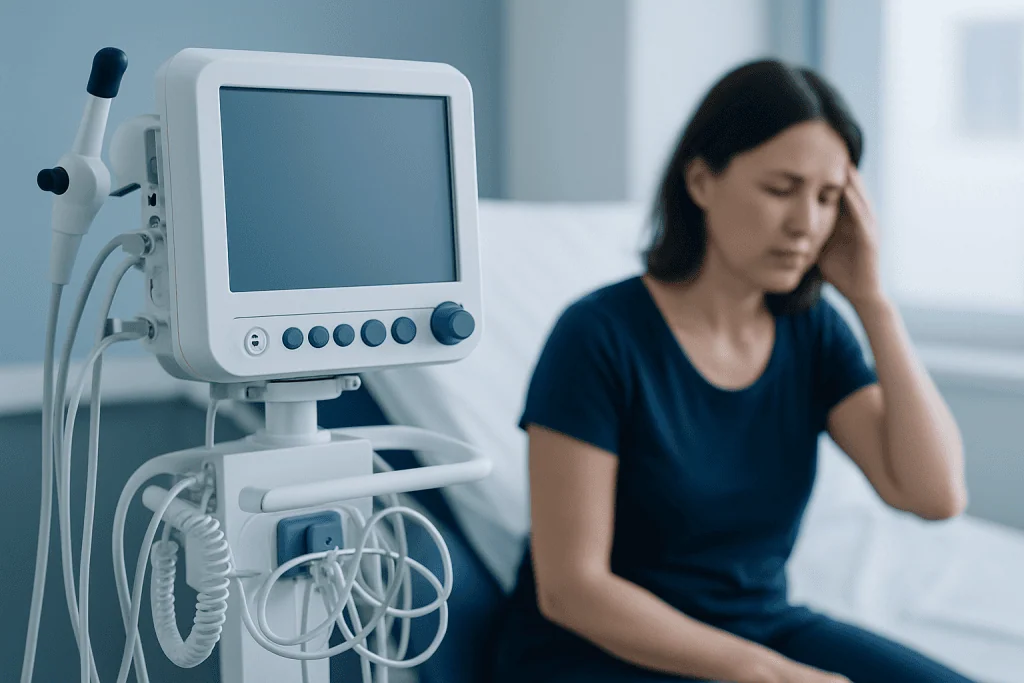
The main symptom of vestibular migraine is recurrent vertigo or dizziness. Vertigo can feel like the room is spinning, the body is tilting, or the ground is moving. Some people describe a rocking or floating sensation rather than spinning. Others feel unsteady when walking, especially in busy visual environments such as supermarkets, airports, traffic, or scrolling screens.
Migraine features may occur before, during, or after the vestibular symptoms. These can include sensitivity to light, sensitivity to sound, nausea, visual aura, one-sided or pulsing head pain, neck discomfort, and worsening with physical activity. Some people also notice ear pressure, muffled hearing, or ringing in the ears, although these symptoms should be evaluated because they can also occur in inner ear disorders.
Symptoms may be triggered by head movement, changes in position, lack of sleep, bright lights, strong smells, screen use, or travel. During an episode, a person may find it difficult to read, drive, work at a computer, or move around confidently. Between attacks, some people feel completely well, while others have lingering motion sensitivity or mild imbalance.
- Spinning vertigo or a rocking, swaying sensation
- Unsteadiness or imbalance
- Nausea or motion sickness
- Sensitivity to light, sound, smell, or visual motion
- Headache, aura, or migraine-like discomfort in some episodes
Causes and Risk Factors

The exact cause of vestibular migraine is not fully understood. Current evidence suggests that migraine-related changes in the brain can affect networks that process pain, balance, vision, and motion. These changes may alter how the brain interprets signals from the inner ear and eyes, producing dizziness or vertigo even when the ear structures themselves are not damaged.
A personal or family history of migraine increases the likelihood of vestibular migraine. The condition can occur in adults and children, and it is seen more often in people who have other migraine patterns, such as migraine with aura, motion sickness, or sensitivity to sensory stimuli. Hormonal changes, including menstrual cycles or perimenopause, may influence attacks in some people.
Triggers do not cause the condition by themselves, but they can make episodes more likely in someone who is prone to migraine. Triggers vary widely and may include irregular sleep, stress, skipped meals, dehydration, alcohol, certain foods, caffeine changes, weather changes, intense exercise, prolonged screen exposure, and strong sensory stimulation. Identifying a person’s own trigger pattern is often more useful than following a very restrictive diet.
Risk can also be influenced by coexisting conditions such as anxiety, poor sleep quality, neck tension, temporomandibular joint problems, or other vestibular disorders. These factors may increase the brain’s sensitivity to motion and make recovery between attacks slower. Addressing them as part of a whole-person plan can improve outcomes.
Diagnosis
There is no single blood test or scan that proves vestibular migraine. Diagnosis is usually based on a detailed medical history, symptom pattern, migraine history, and physical examination. Clinicians look for repeated episodes of moderate to severe vestibular symptoms, a current or past history of migraine, and migraine features during at least some dizzy episodes, while also considering other possible causes.
The examination may include assessment of eye movements, balance, coordination, hearing, blood pressure, neurological function, and neck mobility. In some cases, additional testing may be recommended. Hearing tests can help evaluate inner ear conditions. Vestibular tests can assess balance system function. Brain imaging, such as MRI, may be used when symptoms are unusual, new, progressive, or accompanied by neurological signs that need clarification.
Several conditions can mimic vestibular migraine, so the diagnostic process may include ruling out benign paroxysmal positional vertigo, vestibular neuritis, Meniere disease, persistent postural-perceptual dizziness, medication side effects, low blood pressure, anemia, thyroid disease, and rarer neurological problems. A diagnosis can take time because symptom diaries and follow-up visits often reveal patterns that are not obvious during a single appointment.
A useful diary records the date and duration of dizziness, type of sensation, headache or aura symptoms, sleep, meals, menstrual timing, stress level, foods or alcohol, screen exposure, and medicines taken. This information helps the clinician decide whether the pattern fits vestibular migraine and whether the treatment plan is working.
Treatment Options
Treatment for vestibular migraine is individualized. The goal is to reduce the frequency and intensity of attacks, shorten recovery time, and improve confidence with movement. A care plan often combines education, trigger management, vestibular rehabilitation, acute treatment for episodes, and preventive medicines when attacks are frequent or disabling.
During an acute episode, a doctor may recommend medicines to reduce nausea, vertigo, or migraine symptoms. These medicines should be used as directed, because frequent use of some headache medicines can worsen migraine patterns over time. Vestibular suppressants may help short-term in selected cases, but they are usually not a long-term solution because the brain needs normal movement signals to recalibrate balance.
Preventive treatment may be considered when episodes are frequent, prolonged, or significantly affect work, school, travel, or daily activities. Doctors may prescribe migraine-preventive medicines from several established classes, selected according to the person’s age, other medical conditions, pregnancy plans, side-effect profile, and treatment goals. Some people also benefit from management of sleep, mood, neck pain, or coexisting inner ear problems.
Vestibular rehabilitation is a specialized form of physical therapy that uses progressive exercises to improve balance, gaze stability, and motion tolerance. It is especially helpful when there is lingering imbalance between attacks or fear of movement after repeated dizzy episodes. The exercises are tailored and should be introduced gradually, because doing too much too soon can temporarily increase symptoms.
Prevention and Self-care
Consistent daily habits are a foundation of vestibular migraine management. Regular sleep and wake times, adequate hydration, balanced meals, and avoiding long gaps without food can reduce migraine vulnerability. Moderate, regular physical activity is often beneficial, although it may need to be built up slowly if motion sensitivity is present.
Trigger management should be practical rather than overly restrictive. A diary can help identify repeatable patterns, such as attacks after poor sleep plus skipped breakfast, or after alcohol plus bright visual stimulation. Many people have a threshold effect, meaning one trigger alone may not cause symptoms, but several together can exceed the brain’s tolerance on that day.
Stress does not mean symptoms are imagined. Stress can change sleep, muscle tension, breathing patterns, and brain excitability, all of which may influence migraine. Relaxation training, pacing, mindfulness, breathing exercises, and cognitive behavioral strategies can support the nervous system and help people stay active while symptoms improve.
- Keep a regular sleep schedule, including weekends when possible
- Eat regular meals and drink enough fluids
- Limit alcohol if it is a clear trigger
- Use screen breaks and reduce visual overload during sensitive periods
- Return to movement gradually rather than avoiding all activity
- Follow prescribed medicines consistently and review side effects with a doctor
When to See a Doctor
A medical evaluation is recommended for recurrent vertigo, unexplained dizziness, imbalance, or dizziness associated with migraine symptoms. People who have a known migraine history should still seek assessment when dizziness is new, changing, or affecting daily life. Early evaluation helps confirm the diagnosis, exclude other causes, and create a plan that reduces unnecessary restrictions.
Prompt medical care is especially important if dizziness occurs with new weakness, facial drooping, difficulty speaking, double vision, fainting, severe new headache, chest pain, sudden hearing loss, or trouble walking that is not typical for the person. These symptoms do not mean a serious condition is present, but they should be assessed urgently to be safe.
Follow-up is also important when symptoms persist despite lifestyle measures, when medicines cause side effects, or when attacks interfere with work, school, driving, or travel. People should ask their doctor about safe activities during episodes, especially if they operate machinery, drive, swim, climb, or work at heights.
For international patients who need coordinated evaluation, Acibadem International provides access to multidisciplinary specialists in JCI-accredited hospitals, including neurology, ear-nose-throat, rehabilitation, and diagnostic services for dizziness and migraine-related conditions. Care decisions should always be based on an individual medical assessment by a qualified clinician.
Frequently asked questions
Can vestibular migraine happen without a headache?
Yes. Vestibular migraine can cause vertigo, dizziness, imbalance, nausea, or motion sensitivity without head pain. Some people have typical migraine headaches at other times, while their dizzy episodes may occur with only light sensitivity, sound sensitivity, or visual symptoms.
How long does a vestibular migraine episode last?
Episodes vary from person to person. Some last minutes, others last hours, and some people feel off-balance or motion sensitive for a day or more afterward. A symptom diary can help the doctor understand the pattern and choose treatment.
Is vestibular migraine the same as vertigo?
Vertigo is a symptom, while vestibular migraine is one possible cause of that symptom. Vertigo can also be caused by inner ear disorders, blood pressure changes, medicines, infections, and other neurological conditions. This is why recurrent or unexplained vertigo should be evaluated medically.
What triggers vestibular migraine most often?
Common triggers include poor sleep, stress, skipped meals, dehydration, alcohol, hormonal changes, bright or moving visual scenes, and changes in caffeine intake. Triggers are individual and often combine, so identifying a personal pattern is more useful than avoiding every possible trigger.
Can vestibular rehabilitation cure vestibular migraine?
Vestibular rehabilitation does not cure migraine biology, but it can help the brain become less sensitive to movement and improve balance confidence. It is most useful when exercises are tailored by a trained therapist and combined with migraine management.
Are medicines always needed for vestibular migraine?
Not always. Some people improve with education, sleep regularity, hydration, meal timing, trigger management, and gradual activity. Medicines may be recommended when episodes are frequent, prolonged, very uncomfortable, or limiting daily life.
Can vestibular migraine be confused with Meniere disease?
Yes. Both conditions can cause vertigo, ear pressure, tinnitus, or hearing symptoms. Meniere disease more typically involves fluctuating hearing loss, so hearing tests and specialist evaluation may be needed to distinguish between them.
References
- International Headache Society
- Bárány Society
- American Migraine Foundation
- National Institute for Health and Care Excellence
- American Academy of Neurology
This article is for general information only and is not a substitute for professional medical advice. Please consult a qualified doctor about your individual situation.
Migraine in Turkey — costs, top hospitals & a free quote
JCI-accredited · board-certified surgeons · reply within 24h
Check your numbers in seconds
BMI, calories, due date, blood pressure and 30+ more clinical calculators — free, instant, doctor-reviewed ranges.